Breakfast & Brunch
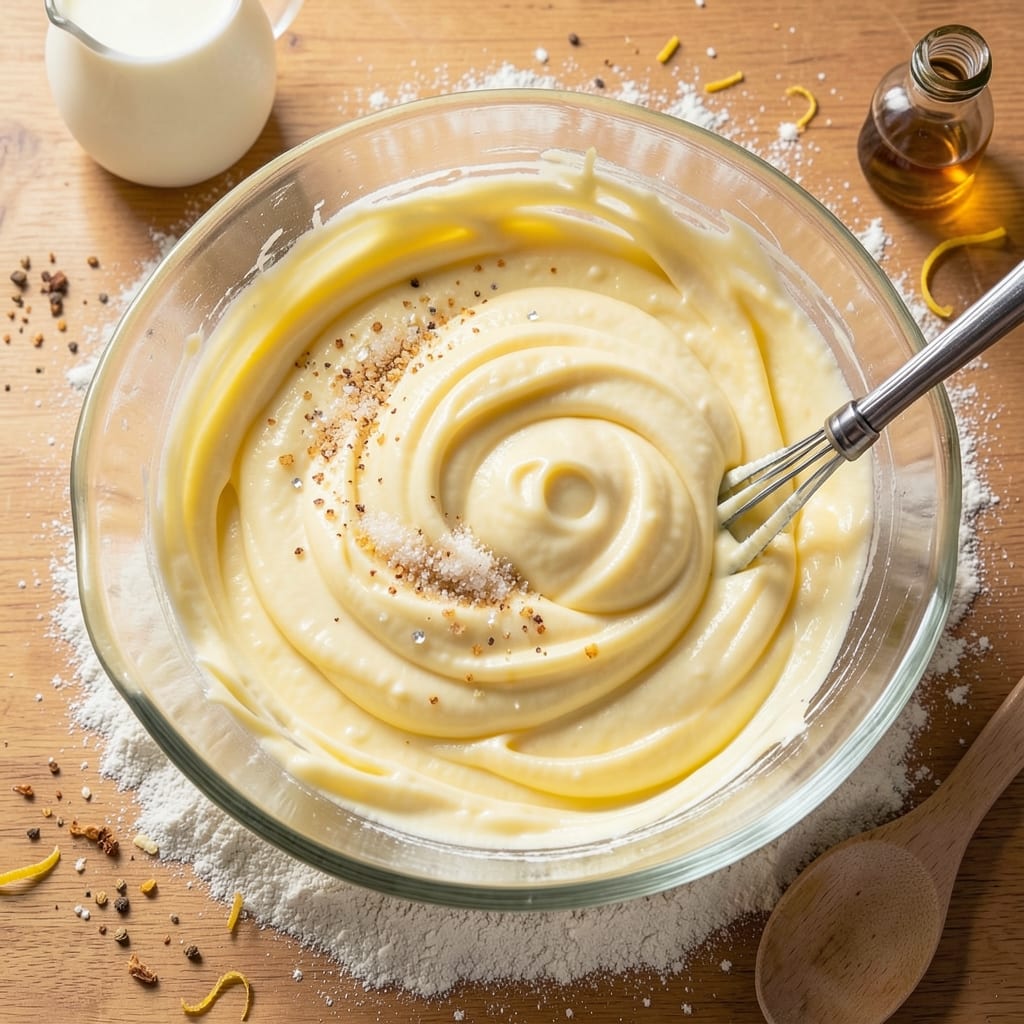
This egg as a leavening agent recipe transforms simple pancakes into light, airy clouds without baking powder or baking soda. The secret lies in properly whipped eggs—incorporating air creates structure that holds up beautifully when cooked. I developed this method after testing dozens of variations, and the results are consistently fluffy, tender, and foolproof for home cooks.
The technique focuses on two key steps: beating eggs with sugar until pale and thick (this incorporates air), then gently folding in dry ingredients to preserve that lift. No special equipment needed—just a whisk and patience. The eggs do all the work, creating that signature pancake texture without chemical leaveners.
What you’ll end up with is a stack of golden-brown pancakes with crisp edges and a tender, melt-in-your-mouth interior. Each bite stays light and airy, not dense or gummy. The beauty of this method is its versatility—it works for both sweet and savory pancakes, and the batter stays stable until you’re ready to cook.
Perfect for weekend breakfasts or meal prep, these pancakes reheat beautifully and freeze like a dream. The recipe scales easily too, so you can adjust the batch size without compromising texture. Let’s get started with this egg-powered leavening technique!
Ingredients for egg as a leavening agent
Four eggs and sugar create the magic—no chemical leaveners needed for pancakes this light.
| Ingredient | Amount | Notes |
|---|---|---|
| Large Eggs 🥚 | 4 whole | Room temperature for best volume |
| Granulated Sugar 🍚 | ½ cup | White or raw cane preferred |
| All-Purpose Flour 🌾 | 1 ½ cups | Sifted for lighter texture |
| Unsalted Butter 🧈 | ½ cup | Cold, cubed for crisp edges |
| Milk 🥛 | 1 cup | Whole milk for creaminess |
| Vanilla Extract 🌿 | 1 tsp | Pure extract preferred |
| Salt 🧂 | ½ tsp | Fine sea salt recommended |
| Baking Powder 🍞 | ½ tsp | Optional for slight lift boost |
| Maple Syrup 🍁 | 2 tbsp | For serving, grade A preferred |
| Fresh Blueberries 🫐 | ½ cup | Optional topping, washed |
The eggs are the star here, so choose large, fresh eggs—they whip to a higher volume. Kirkland Signature or local farm eggs work best for this technique. The sugar isn't just for sweetness; it stabilizes the egg foam. For the flour, King Arthur or Bob's Red Mill brands sift beautifully—no lumps in the batter. Store your butter in the fridge until ready to use; cold cubes create those coveted crisp edges while maintaining fluffiness inside. If you're making savory pancakes, swap the maple syrup for a sprinkle of freshly cracked black pepper and serve with a dollop of sour cream.
No vanilla extract? Almond extract at half the amount works in a pinch, though the flavor profile differs. Running short on milk? Greek yogurt or buttermilk adds tanginess that enhances the egg's leavening power. The baking powder is truly optional—this method works beautifully without it—but if you prefer a slightly taller pancake, include it. For the blueberries, wild blueberries have more intense flavor, but conventional works fine. If you're using frozen berries, thaw and pat them dry to prevent a soggy pancake. The batter should be thick but pourable—if it's too stiff, add 1-2 tablespoons of milk.
Pancakes reheat best in a 350°F oven for 5-10 minutes—they'll stay fluffy rather than turning gummy. For meal prep, freeze cooked pancakes between parchment paper, then reheat in a toaster. The batter keeps in the fridge for up to 24 hours if covered tightly with plastic wrap pressed directly on the surface. For extra fluffiness, let the batter rest 10-15 minutes before cooking—this allows the egg foam to fully stabilize. The syrup and berries? Store them separately and assemble just before serving to keep everything fresh.
Why You'll Love This Recipe
- No Yeast, No Stress: I swear by this trick—just eggs, flour, and a little sugar to lift my baked goods without waiting for yeast. The eggs do all the heavy lifting while I mix in butter and milk, and boom, fluffy results every time.
- Buttery Sweet Payoff: That melted butter folded into the batter? It turns out tender, golden-brown edges with a subtle sweetness that makes even plain muffins taste like a treat. Honestly, I’ve made pancakes so good my kids ask for them on weekends.
- Weeknight Wonder: Whether it’s a quick breakfast or a last-minute dessert, this recipe adapts like a champ. Swap in chocolate chips for muffins or keep it simple with plain cake—it’s my go-to when I’m too tired to measure yeast.
- Pantry Magic: No special ingredients, no fancy tools—just what’s already in your cupboard. I’ve used this to stretch my budget for treats, and the leftovers? They reheat beautifully or freeze like a dream for lazy mornings.
Step-by-step instructions for fluffy pancakes using eggs as a leavening agent
Here's how to create light, airy pancakes without baking powder by relying on the natural leavening power of eggs.
Whisk Eggs and Sugar Until Pale and Thick
In a large mixing bowl, combine the 4 whole large eggs and 0.5 cup granulated sugar. Using a whisk or electric mixer on medium speed, beat vigorously for 3-4 minutes until the mixture becomes pale yellow and noticeably thicker. You'll see the volume nearly double as air is incorporated into the eggs.
This step is critical for proper leavening. The eggs should form soft, glossy ribbons when the whisk is lifted—this indicates sufficient air incorporation. If you're using room temperature eggs, they'll incorporate air more easily than cold eggs. Stop beating when the mixture reaches a ribbon stage; overbeating can create a dense batter.
Melt Butter and Incorporate Wet Ingredients
In a separate small saucepan, melt the 0.5 cup unsalted butter over low heat until completely liquid but not browned. Let it cool for 2-3 minutes until it's warm to the touch. Add the melted butter to the egg mixture along with the 1 cup milk and 1 tsp vanilla extract.
Whisk gently to combine all wet ingredients. The butter should emulsify smoothly into the egg mixture, creating a homogeneous base. Here's the thing—if you add cold butter directly, it will solidify in the batter and create lumps. The warm butter incorporates better and helps create a tender pancake texture.
Combine Dry Ingredients for Optimal Texture
In a medium bowl, sift together the 1.5 cups all-purpose flour, 0.5 tsp salt, and 0.5 tsp baking powder (even though we're primarily using eggs for leavening, this small amount helps with texture). Make a well in the center of the dry ingredients and pour in the wet egg mixture.
Using a spatula, gently fold the dry ingredients into the wet mixture just until combined. You should still see some small flour streaks throughout the batter—this prevents overdevelopment of gluten, which would make the pancakes tough. The batter should be slightly thicker than traditional pancake batter but still pourable. If it's too thick, add 1-2 tablespoons of milk to reach the proper consistency.
Rest the Batter for Maximum Fluffiness
Allow the batter to rest for 10-15 minutes at room temperature. This resting period lets the flour fully hydrate and the gluten relax, resulting in lighter pancakes. Don't skip this step—it makes a significant difference in the final texture.
While the batter rests, preheat your griddle or skillet over medium heat. The surface should be hot enough that when you sprinkle a few drops of water, they sizzle and evaporate immediately. This ensures proper browning and crisp edges on your pancakes. I like to use a cast iron skillet for even heat distribution and that classic crispy texture.
Cook Perfectly Golden Pancakes
Pour ¼ cup of batter onto the preheated skillet for each pancake. Cook until bubbles form on the surface and the edges look set, which should take about 2-3 minutes. Flip carefully using a spatula and cook the other side for another 1-2 minutes until golden brown.
For perfectly fluffy pancakes, avoid pressing down on them with the spatula while cooking. The steam needs to escape to create that light, airy interior. Transfer cooked pancakes to a warm plate and keep them covered to maintain moisture while you finish the batch. Serve immediately with 2 tbsp maple syrup and 0.5 cup fresh blueberries for a classic presentation.
Pro Tips For Making Egg As A Leavening Agent
- Whisk Eggs Until Ribbon-Stage: Stop when the egg mixture stretches like taffy between your whisk—no need to overbeat. I learned this the hard way after making pancakes so dense they tasted like hockey pucks. Overmixing develops gluten, and your batter will fight you instead of rising.
- Use Room-Temp Butter: Take the butter out of the fridge 30 minutes before mixing—it blends smoother and creates a lighter texture. Cold butter creates pockets that won’t incorporate well, and your final dish will feel heavy. (Yes, even if you’re impatient like me.)
- Sift the Flour First: Skip the lumps by sifting the flour before measuring—it aerates the batter right from the start. I used to just dump it in, and my baked goods always had that sad, compact quality. A quick shake in a fine-mesh strainer makes a real difference.
- Warm the Milk Slightly: Heat the milk to about 110°F (just warm to the touch) before adding it to the egg mixture—it helps the eggs emulsify better and prevents curdling. Cold milk can turn your batter into scrambled eggs, and nobody wants that.
Perfect pairings for these flavors
Sweet Toppings
Fresh blueberries are my go-to topping—they add a juicy contrast to the tender pancakes and stay vibrant when cooked. Toss ½ cup in a bowl with 1 tsp lemon juice and a pinch of sugar to prevent them from turning mushy. For extra decadence, warm 2 tbsp maple syrup in a small saucepan with 1 tbsp butter until bubbly, then drizzle over the stack. 🍁
Savory Variations
Swap the sugar for ½ cup grated Parmesan cheese and fold it into the batter for savory pancakes. Top with crispy prosciutto, sautéed mushrooms, and a dollop of garlic aioli. The egg leavening works perfectly here too—just omit the vanilla and add 1 tsp dried thyme to the dry ingredients for an herbaceous note.
Beverage Pairings
A steaming mug of chai latte complements these pancakes beautifully—the warm spices cut through the richness. For coffee lovers, try a cold brew concentrate with ½ cup milk and a splash of vanilla syrup. The acidity in both drinks helps cleanse your palate between bites. Avoid heavy cream-based drinks that can make the pancakes taste greasy.
Make-Ahead Syrups
Prepare homemade caramel sauce ahead by simmering 1 cup brown sugar with ¼ cup heavy cream and 2 tbsp butter for 5 minutes. Store in an airtight container for up to 2 weeks. For a fruit compote, cook 1 cup mixed berries with 2 tbsp sugar and 1 tsp lemon zest until thickened—this keeps for 5 days in the fridge.
Global Twists
For a Japanese-inspired version, add 1 tbsp matcha powder to the dry ingredients and top with red bean paste and kinako (roasted soybean flour). In Mexico, fold ½ cup cotija cheese into the batter and serve with tajín seasoning and sliced avocado. The egg leavening adapts perfectly to these global flavors! 🌎
Protein Boosters
Stir ½ cup crumbled feta or shredded goat cheese into the batter for extra protein. For a heartier option, fold in ½ cup cooked quinoa or chickpea flour (replace ½ cup of the all-purpose flour). These additions work especially well with savory toppings like smoked salmon or roasted eggplant. 💪
Nutrition facts
Frequently asked questions
Why do eggs work as a leavening agent in pancakes?
Eggs create lift through incorporated air when properly whipped with sugar. The proteins in eggs coagulate during cooking, trapping that air and forming a light, airy structure—just like baking powder, but naturally! The sugar helps stabilize the egg foam, creating those signature fluffy pancakes without chemical leaveners.
Can I use this technique for other egg-based batters?
This method works perfectly for waffles, fritters, or even crepes. The key is whipping eggs with sugar until pale and thick, then gently folding in dry ingredients. For fritters, add 1 extra egg to the batter for extra stability when frying.
What if my batter isn't fluffy after whipping?
Check your egg temperature—room temperature eggs whip better than cold ones. Also, beat for the full 3-4 minutes until the mixture forms soft ribbons. If it's still too dense, add 1 extra tablespoon of sugar or whisk in 1 tablespoon of melted butter to help incorporate more air.
How do I make these pancakes vegan?
Replace the eggs with ½ cup aquafaba (chickpea brine) whipped until stiff peaks form, plus 1 tablespoon cornstarch. Use 1 cup unsweetened almond milk and add 1 teaspoon apple cider vinegar to mimic egg acidity. The texture will be slightly denser but still delicious!
Can I make these pancakes ahead of time?
Yes! Cooked pancakes freeze beautifully between parchment paper for up to 3 months. Reheat in a 350°F oven for 5-10 minutes or a toaster. For make-ahead batter, store it in the fridge for up to 24 hours—just whisk before using to redistribute the air.