Why I started Egg Recipes Fork
I was standing in my abuela’s kitchen at 11 PM, flipping what should have been a simple omelette, when I realized something was missing. The recipe cards she’d scribbled on—half in Spanish, half in the messy shorthand only she understood—were gone.
All that remained was the memory of her saying, *'The secret isn’t the cheese, mijo. It’s the way you listen to the pan.'* And I hadn’t been listening.
That night, I started writing down every recipe I could remember, not just the steps but the *why*—the cracks in the crust, the way the yolk should stretch like honey, the moments when a dish feels alive.
This site is for anyone who’s ever burned a batch of pancakes or over-salted a stir-fry and still wanted to try again. No perfect techniques, just real flavors and the stories behind them.
Meet the founder

The first time I held a whisk, my abuela handed me a chipped copper bowl and said, ‘This one’s yours now.’ It’s still in my kitchen, though the handle is taped and the rim is uneven from years of scraping burned bits off the bottom.
She gave it to me after I ruined a batch of *huevos rancheros*—the rice was mushy, the sauce too salty, and the eggs? Well, let’s just say they looked more like a science experiment. She didn’t yell.
She just pointed at the bowl and said, ‘Next time, taste the broth first.’
I still taste the broth first. Every. Single. Time. It’s a habit I can’t shake, even when I’m alone in the kitchen.
My abuela used to say, ‘If the soup doesn’t make you close your eyes, you’re not doing it right.’ So now, if a dish doesn’t at least make me pause, I go back to the stove.
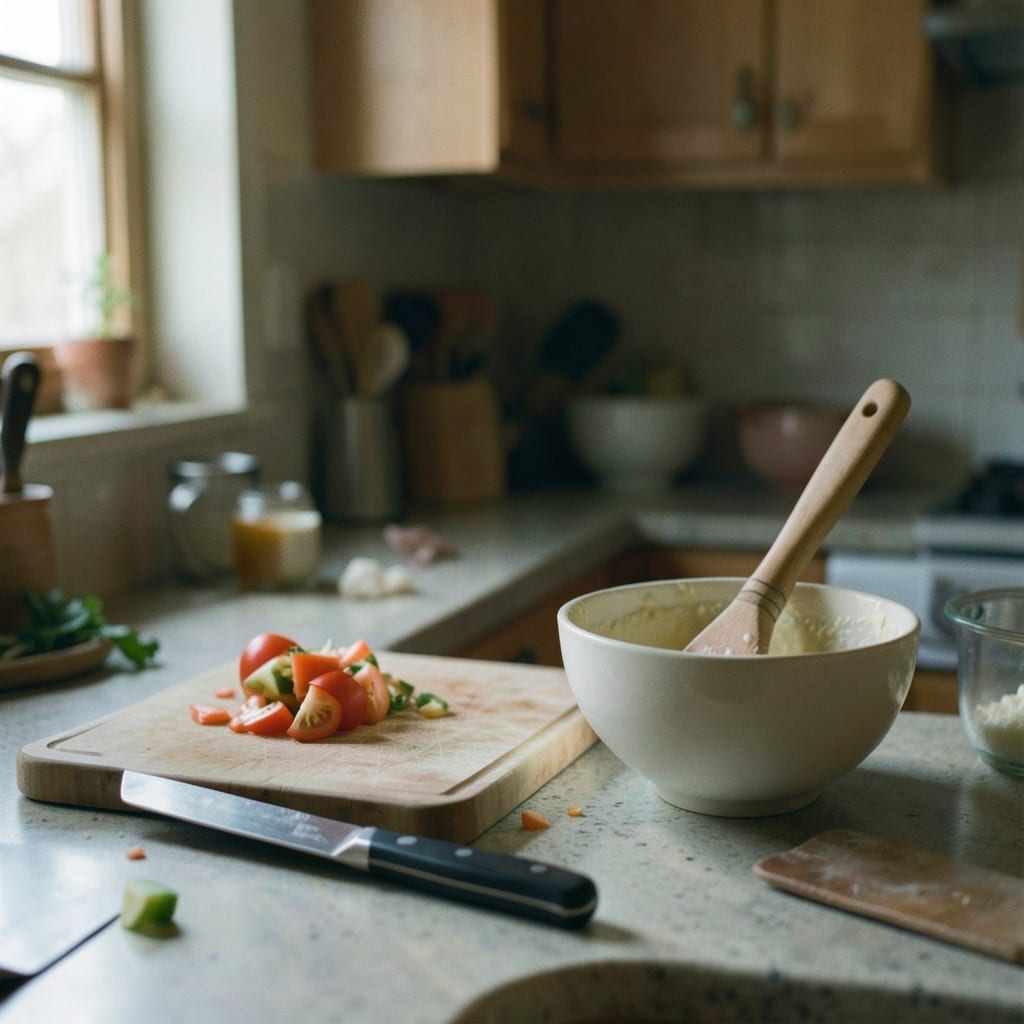
That bowl sits on my counter next to a jar of *pimentón*, a knife that’s seen better days, and a stack of recipe cards—some handwritten, some printed, all dog-eared. The light here is always golden, thanks to the single bulb I refuse to replace with something ‘better.’
The one dish that changed everything was a *sopa de fideo*. I followed the recipe exactly—until the noodles stuck to the pot. My abuela walked in, took one look, and said, ‘You didn’t bloom the spices.’ I’d never heard that word before.
Turns out, toasting the cumin and paprika in oil until it smells like a spice market is the difference between ‘good’ and ‘this is why we eat.’ Now, I bloom everything. Even if it means burning the kitchen down once a year.
I work here because it’s the only place that feels like home. The counter is cluttered with ingredients I haven’t used yet, a half-empty bottle of olive oil, and a notebook where I scribble adjustments mid-recipe.
The walls are covered in magnets from markets I’ve visited, and the radio plays old boleros when I’m alone. This isn’t a professional kitchen. It’s where the magic happens—messy, imperfect, and full of flavor.
‘You’re stirring like you’re afraid of the eggs. Eggs aren’t fragile, Hakeem. They’re stubborn.’ — My abuela, watching me scramble my first batch at 12.
Abuela’s Kitchen Table, 2003
Meet the mascot
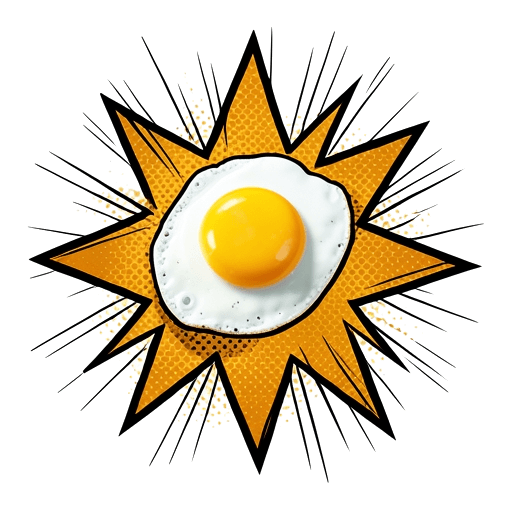
The mascot started as a doodle on a napkin at a café in Oaxaca, where I’d gone to argue with a chef about how to cook *chilaquiles*.
The first scribble was just a lopsided egg with arms, but the chef—who’d been watching me burn the tortillas—grinned and said, ‘That’s not an egg.
That’s your abuela’s ghost, judging you.’ So I drew her again, this time with a whisk in one hand and a look that said *‘I told you so.’*
The proper version was sketched on graph paper, where I finally got the proportions right (the arms had to be longer, or it looked like it was giving up mid-flip).
The key was making the egg itself look *almost* real—just enough to feel familiar, but with enough personality that it didn’t look like a stock illustration.
The whisk became a curved line, like it was mid-motion, and the eyes got a little squint, because if there’s one thing I’ve learned, it’s that confident cooks squint.
For the final version, I had to simplify everything that wasn’t essential. The napkin’s ghost had layers of detail—tiny cracks in the shell, a smudge of sauce on the whisk—but none of that survived. The shell became a single, bold outline.
The whisk stayed, but it had to be clean enough to read at the size of a browser tab. The result? A character that looks like it’s always in the middle of cooking something delicious—and just waiting to see if you’ll mess it up.
What I promise you
This site is a promise: every recipe here is either something I’ve made at least 12 times or something I’ve failed at so spectacularly that I’m determined to get it right. No half-baked experiments, no ‘trust me, it works’ nonsense.
What you can hold me to
- If a recipe says ‘30 minutes,’ it means 30 minutes of active work—not 3 hours of waiting. (Though I’ll warn you upfront if you’re dealing with a lazy Sunday brunch.)
- Every ingredient list includes a ‘what to substitute’ note, because life happens and you might not have *pimentón* in your pantry.
- The ‘why’ is always here. If I tell you to let the eggs sit at room temperature, I’ll explain why cold eggs make a rubbery omelette—and how to fix it if you forget.
- No recipe here is ‘foolproof.’ But every one has a ‘what went wrong’ section, so you know what to watch for (and how to salvage it).
How I create a recipe
A recipe starts in one of two places: either with a memory—my abuela’s voice, the smell of garlic sizzling in lard—or with a problem I can’t solve on my own.
Like the time I tried to make *tortilla española* and ended up with a green omelette that looked like it had been dipped in food coloring. That’s when I pull out the notebook and start writing.
The first test: hands-on
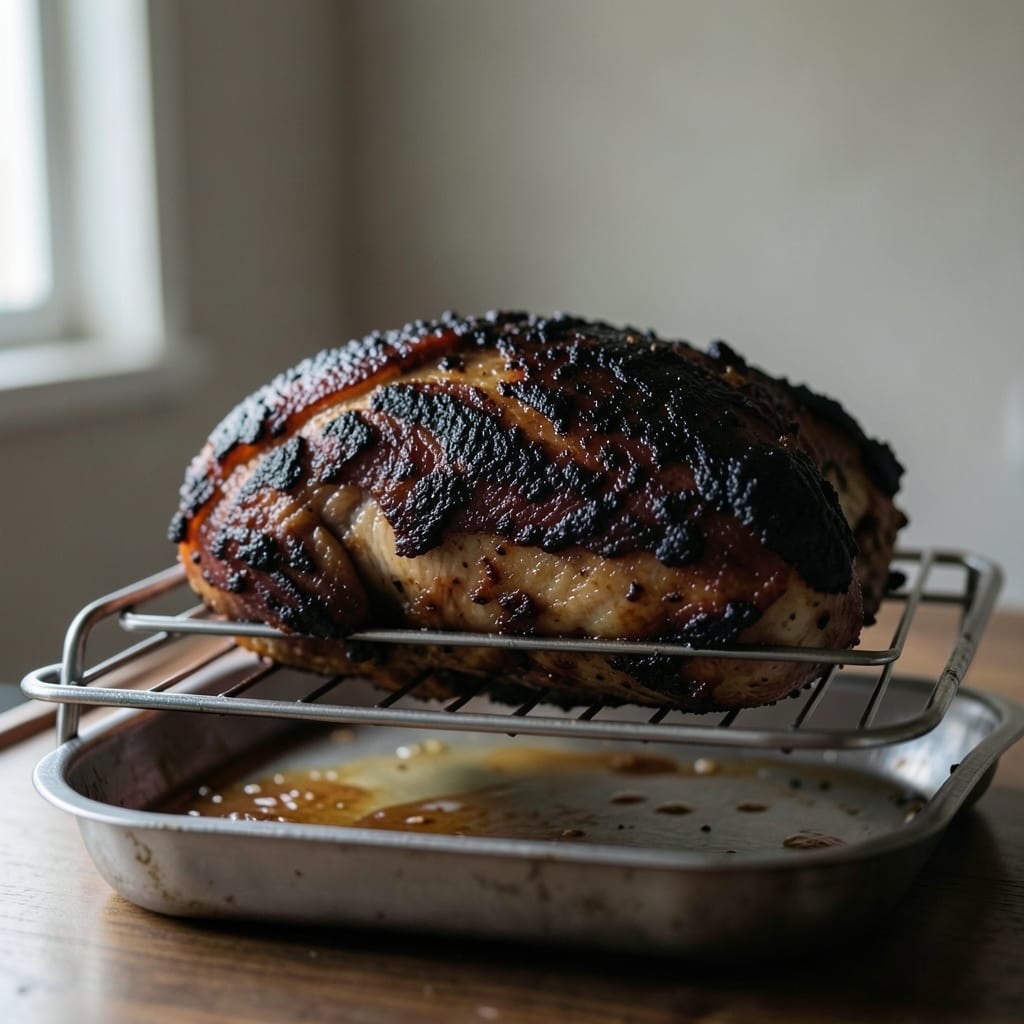
The first test is always with my hands. I measure everything by weight if I can—no ‘eyeballing’ a cup of flour—and I use the same pan, the same heat setting, the same everything. The only variable is me.
I watch the color of the oil, the way the eggs foam, the second the toast starts to brown. If the pan smokes, I lower the heat. If the sauce separates, I whisk like my life depends on it. And if the dish tastes *off*?
I go back to the start and ask: Did I bloom the spices? Did I rest the meat? Did I let the dough rise long enough?
The first test is never perfect. The second test is with someone who hates cooking—usually my roommate, who groans every time I drag them into the kitchen. Their feedback is brutal, but necessary.
If they can’t tell the difference between ‘good’ and ‘I don’t know what this is,’ I rewrite it. Real times matter here: 5 minutes over medium heat, not ‘until it looks golden.’ Because ‘looks golden’ is subjective, and this site isn’t.
The second test: the fix
The second test is about fixing what went wrong. Maybe the eggs were too wet, so I adjust the ratio. Maybe the sauce was too thin, so I add a slurry of cornstarch and water.
Maybe the crust burned because the oven was too hot, so next time, I’ll use a lower rack. I taste as I go, making notes in the margins of the notebook—‘more salt,’ ‘let it rest 10 more minutes,’ ‘next time, use butter, not oil.’
This is where the recipe becomes *real*. Not just a list of steps, but a living thing that responds to mistakes. If the second test still doesn’t work, I go back to the drawing board.
No recipe here is published until it’s been tested at least three times—and once by my abuela, who has a sixth sense for when I’m cutting corners.
How a page gets onto this site
A page starts with notes scribbled on the back of a recipe card, still warm from the stove. I’ll write things like ‘add the vinegar *slowly*,’ or ‘the cheese should melt like butter, not clump like regret.’ Then I type it up, but I always leave a day before editing.
Cold eyes catch mistakes hot hands miss. If a paragraph runs too long, I cut it. If a step is unclear, I rewrite it so even my roommate could follow it.
Sometimes, months later, I’ll come back to a recipe and realize I missed something—like the need to soak the beans overnight, or the fact that store-bought tortillas won’t crisp up the same way fresh ones do.
Write to me
I love hearing about the dishes you’ve made—or the ones you’ve ruined. Send me your questions, your successes, and your ‘why did this happen?’ moments. Did you follow a recipe here and end up with something entirely different? That’s the best kind of feedback.
And if you’ve got a family recipe that’s been in your kitchen for generations, I’d love to hear the story behind it.
You can reach me through the contact page. Let’s talk about food—what works, what doesn’t, and what we can learn from both.
‘Cooking is the only thing that makes me feel like I’m actually doing something with my life.’
Hakeem Nakamura, 2026
The recipes are grouped by category: Appetizers, Beverages, Breakfast & Brunch, Desserts, Main Courses and Reviews.