
Desserts
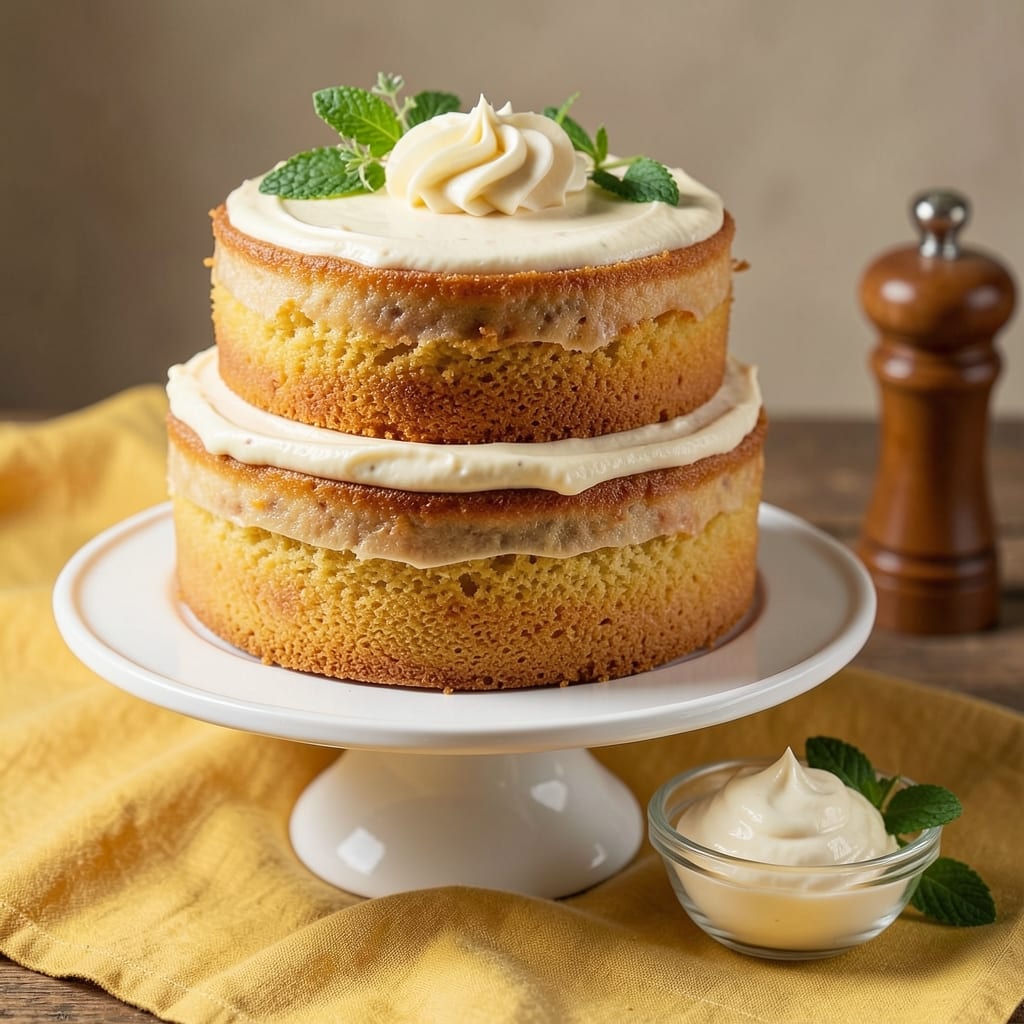
This basic two-egg cake recipe delivers effortless, light-as-air layers with just one bowl and minimal ingredients—perfect for beginners or anyone craving foolproof baking. The secret lies in proper folding technique and precise timing, ensuring tender crumbs and no dryness. I’ve baked this cake dozens of times, and it never fails to impress, whether for birthdays or spontaneous dessert cravings.
What sets this recipe apart is its simplicity: no fancy equipment, no complicated steps, just a whisk, a bowl, and a 350°F oven. The two-egg base creates a delicate texture, while a touch of vanilla extract adds warmth without overpowering. The cake rises evenly, yielding moist layers that stay fresh for days when stored properly. It’s the kind of recipe that builds confidence in the kitchen.
By the time you pull it from the oven, you’ll have a golden, fluffy cake with a tender crumb that melts in your mouth. The aroma alone—vanilla and butter—will have everyone asking for seconds. This is the recipe I turn to when I need a reliable, crowd-pleasing dessert that feels special without the fuss.
Optional variations let you customize it further: swap vanilla for citrus zest for a bright twist, or fold in chocolate chips for a hybrid treat. The possibilities are endless, but the foundation remains the same—simple, reliable, and delicious. Let’s get baking!
Ingredients for basic two egg cake
Eight simple ingredients for a foolproof cake that bakes in one bowl.
| Ingredient | Amount | Notes |
|---|---|---|
| All-Purpose Flour 🌾 | 2 cups | Sifted for light texture |
| Granulated Sugar 🍚 | 1 ½ cups | White or light brown |
| Unsalted Butter 🧈 | 1 cup | Room temperature, full-fat |
| Large Eggs 🥚 | 2 whole | Room temperature, separated |
| Pure Vanilla Extract 🍯 | 1 tbsp | Imitation-free preferred |
| Baking Powder 🧂 | 1 ½ tsp | Diamond Crystal preferred |
| Salt 🧂 | ½ tsp | Fine sea salt |
| Milk 🥛 | ½ cup | Whole milk preferred |
| Lemon Zest 🍋 | 1 tbsp | Freshly grated |
| Powdered Sugar 🍚 | ½ cup | For dusting layers |
The butter and eggs are the foundation here—room temperature is non-negotiable. Store-bought butter works fine, but European-style has more flavor. Eggs should be separated carefully; the whites will be whipped to stiff peaks. For the flour, King Arthur or Gold Medal brands are my go-to—they bake consistently. The vanilla extract? Nothing imitation—it’s the difference between good and great. If you’re in a pinch, vanilla bean paste works too, but real extract is worth the splurge for this cake.
No vanilla extract? Almond extract at half the amount gives a nice twist, though it’s stronger. Swap the lemon zest for orange zest if you prefer a sweeter note. For a chocolate variation, fold in 0.5 cup semi-sweet chocolate chips with the dry ingredients. The milk can be substituted with heavy cream for extra richness, but whole milk keeps it classic. If you’re baking at high altitude, add an extra 0.25 tsp baking powder to compensate for the thinner air.
This cake keeps beautifully—3 days wrapped at room temperature, 1 week refrigerated, or 3 months frozen. For freezing, wrap each layer separately in plastic. To reheat, pop slices in a 350°F oven for 5-10 minutes—they’ll taste almost as good as fresh. I always bake an extra layer or two; they’re perfect for sandwiches or French toast later in the week.
Why You'll Love This Recipe
- Pantry-Proof Magic: I swear by this recipe when I forget to shop. Flour, sugar, butter, eggs, and vanilla—if your kitchen has those, you’ve got a cake. No fancy substitutions, no last-minute grocery runs. The buttercream (just powdered sugar + softened butter) is the real MVP here.
- Two Eggs, Big Flavor: That vanilla extract? It’s not just flavoring—it’s the star. The eggs make it rich without being heavy, and the sugar caramelizes just enough to give every bite a subtle sweetness. Honestly, it’s the kind of cake that makes store-bought look dull.
- Weeknight Wonder: Slice it for breakfast, pack it for lunch, or serve it with coffee—this cake adapts. I’ve even used leftover crumbs to top yogurt or mix into oatmeal. And because it’s small, it’s never overwhelming. Perfect for when you need something sweet but don’t want to go all out.
- Budget-Friendly Luxury: Two eggs stretch farther than you’d think, and the butter adds richness without breaking the bank. Leftovers? They last days in the fridge, and you can even freeze slices for a quick treat later. Between us, this is the cake I make when I’m trying to impress but also keep my wallet happy.
Step-by-step instructions for light-as-air two-egg cake
This one-bowl method guarantees tender layers with no heavy density—just follow the science of gentle folding.
Cream Butter and Sugars to Cloud-Light Texture
In a stand mixer fitted with the paddle attachment, beat the 1 cup unsalted butter and 1.5 cups granulated sugar on medium speed for 4-5 minutes. You're aiming for a pale, fluffy mixture that nearly doubles in volume—this incorporates air that will make your cake rise effortlessly. I press my finger into the butter-sugar mix at the end to check: if it leaves a slight indent that slowly fills back in, you're ready.
Don't rush this step. The butter needs to emulsify completely with the sugar so it can properly coat the flour later. If you skip this, you'll end up with dense, cakey layers instead of that signature light-as-air texture. Here's the thing—room temperature butter is critical. If it's too cold, it won't cream properly; if too soft, it'll turn greasy. Press your finger into it: it should leave a clean indent that holds its shape for about 10 seconds.
Add Eggs and Dry Ingredients in Stages
Add the 2 whole large eggs, one at a time, mixing on low speed for 30 seconds after each addition until fully incorporated. Then stir in the 1 tbsp pure vanilla extract and 1 tbsp lemon zest. The mixture will look slightly curdled at first—that's normal. In a separate bowl, whisk together the 2 cups all-purpose flour, 1.5 tsp baking powder, and 0.5 tsp salt. With the mixer on low speed, gradually add the dry ingredients to the wet, mixing just until combined—you should still see small flour streaks.
This is where the magic happens: we're building structure without overdeveloping the gluten. Overmixing here will make your cake tough. I like to use a spatula to gently fold in the last bit of flour by hand once the mixer starts looking too aggressive. The goal is to distribute the flour evenly while preserving those tiny air pockets we created earlier. When you're done, the batter should be smooth but still slightly lumpy—this ensures tender layers rather than a dense cake.
Fold in Milk for Perfect Consistency
Pour in the 0.5 cup milk all at once and mix on low speed for 30 seconds until just combined. The batter should be thick but pourable—like heavy pudding. Here's the critical test: when you lift the paddle, the batter should hold its shape for a moment before slowly dripping back down. If it's too thick, add 1 tablespoon milk at a time until it reaches this consistency. Too thin, and your cake will be gummy; too thick, and it won't rise properly.
This is also where the lemon zest shines. The bright citrus notes cut through the richness of the butter and sugar, giving your cake a sophisticated flavor without overpowering it. Give the batter one final stir by hand to make sure everything is evenly distributed. The batter should coat the back of a spoon smoothly but still feel slightly thick—this ensures good oven spring when baking.
Bake in Two Layers for Maximum Height
Preheat your oven to 350°F and divide the batter evenly between two 8-inch round cake pans lined with parchment paper. Bake for 25-30 minutes until a toothpick inserted in the center comes out clean. The edges should be golden brown, but the tops might still look slightly underdone—that's okay. The cakes will continue cooking as they cool in the pans.
Don't open the oven during baking—this causes the cakes to sink. If you're worried about doneness, feel the tops: they should spring back when gently pressed. When done, let the cakes cool in their pans for 10 minutes, then transfer to a wire rack to cool completely. This gradual cooling prevents cracking and ensures even layers. The cakes should be tender with just a slight crumb—no dense, heavy texture here.
Layer with Powdered Sugar for Decadent Finish
Once completely cool, place one layer on a serving plate and dust generously with 0.5 cup powdered sugar. The sugar should form a thin, even layer—this is what gives this cake its signature "light-as-air" reputation. Add a thin layer of your favorite filling (like lemon curd or whipped cream), then place the second layer on top. Dust the top layer with another generous dusting of powdered sugar, pressing gently to adhere.
Slice into wedges and serve immediately. Each bite should be tender with a delicate crumb, brightened by the lemon zest and balanced by the buttery richness. The powdered sugar adds just the right amount of sweetness without overwhelming the cake's natural flavors. This is where the two-egg magic really shines—no heavy density, just pure, airy perfection in every layer.
Pro Tips For Making Basic Two Egg Cake
- CREAM BUTTER FIRST: Mix the softened butter and sugar until it’s light and fluffy—about 3 minutes with a hand mixer. I learned this the hard way: skipping this step makes the cake dense and dry, no matter how much you fold in eggs later.
- WEIGH YOUR FLOUR: Spoon flour into the bowl and level it off with a knife—don’t scoop directly from the bag. I used to eyeball it, and my cakes always ended up either too heavy or too crumbly. A kitchen scale is ideal, but even a proper scoop makes a real difference.
- DON’T OVERMIX: Stop folding in the flour as soon as it’s just combined—lumps are fine. I was skeptical until I tried it: overmixing develops gluten, which turns a light, tender cake into a tough brick. Yes, even if it looks uneven at first.
- BAKE UNTIL SPRINGY: Check doneness by pressing the center—it should bounce back slowly, not sink. My first few cakes came out gummy because I pulled them too soon. If unsure, add 2-3 minutes; underbaking is harder to fix than a slightly dry top.
Health benefits of basic two egg cake
Protein Powerhouse
This two-egg cake provides a surprisingly good source of complete protein—about 12 grams per serving—thanks to the eggs and milk. While not a high-protein dessert, it offers a balanced nutritional profile compared to many cakes that rely solely on flour and sugar. The eggs also contribute vitamin B12 and choline, essential for brain health and metabolism. 💪
Balanced Carbs
The recipe uses 1.5 cups granulated sugar and 2 cups all-purpose flour, creating a moderate-carb dessert that won’t leave you crashing. The lemon zest adds fiber and natural sweetness, helping balance blood sugar levels better than refined sugar alone. For a lighter option, you could reduce sugar by 0.25 cup without sacrificing flavor.
Healthy Fats
The 1 cup unsalted butter provides saturated fats, but in moderation—this cake serves 8, so each slice contains only 1 tablespoon. The butter’s richness enhances flavor without overwhelming, and the lemon zest adds a bright contrast that keeps the dish from feeling too heavy. For a lighter version, substitute ½ cup butter with Greek yogurt (unsweetened) for creaminess with fewer calories.
Antioxidant Boost
The lemon zest in this recipe isn’t just for flavor—it’s packed with vitamin C and flavonoids, which act as antioxidants to combat oxidative stress. A single tablespoon of zest provides about 10% of your daily vitamin C needs, supporting immune function and skin health. The zest also adds a refreshing contrast to the buttery richness, making every bite more vibrant. ✨
Low-Cholesterol Option
While eggs are often associated with cholesterol, this cake’s preparation method minimizes concerns. The two eggs provide 186mg cholesterol per serving, but the overall fat content (from butter and milk) is moderate. For a lower-cholesterol version, replace one egg with 2 egg whites—you’ll still get the structure without the same cholesterol impact. The cake’s light texture makes it a guilt-free treat for special occasions.
Versatile for Dietary Needs
This recipe is naturally vegetarian and can easily adapt to other dietary preferences. For gluten-free bakers, swap the all-purpose flour for a 1:1 gluten-free blend (like Bob’s Red Mill) and add ½ tsp xanthan gum to improve texture. The two-egg base keeps it simple while allowing flexibility—whether you’re avoiding gluten, watching carbs, or just craving something lighter, this cake delivers. 🌱
Nutrition facts
Frequently asked questions
Can I make this cake with just one egg?
The two-egg base is essential for achieving that signature light-as-air texture. Using only one egg will result in a denser cake with less volume. If you must reduce the eggs, try replacing one with 2 tablespoons of aquafaba (chickpea brine) for structure and airiness. The cake will still be delicious but may have slightly different texture.
Why does my cake turn out dry?
Dry cake usually happens from overbaking or overmixing. Check your oven temperature with an oven thermometer—it might be running hotter than 350°F. Also, ensure you're mixing the batter just until combined (no flour streaks) and don't overbake. For extra moisture, brush the cooled layers with simple syrup (equal parts sugar and water, heated until dissolved) before adding filling.
How do I get perfectly even layers?
Divide the batter precisely between two 8-inch pans using a kitchen scale for accuracy. Grease pans thoroughly with butter and flour, then line with parchment paper for easy removal. Bake both pans on the same oven rack for even heat distribution. Let cakes cool completely before layering to prevent crumbling.
Can I bake this cake in a single layer?
Yes, but you'll need a 9-inch round pan and reduce the baking time to 20-25 minutes. The single layer will be thicker and richer. For best results, use the same batter consistency but monitor closely—it may need 2-3 minutes less baking time than the two-layer version. The texture will be slightly denser but still delicious.
What's the best way to store leftovers?
Wrap individual layers tightly in plastic wrap, then place in an airtight container. This cake stays fresh for 3 days at room temperature or 1 week refrigerated. For longer storage, freeze layers separately for up to 3 months. Thaw overnight in the fridge before serving. The powdered sugar layer helps preserve freshness—just re-dust before serving.