
Breakfast & Brunch
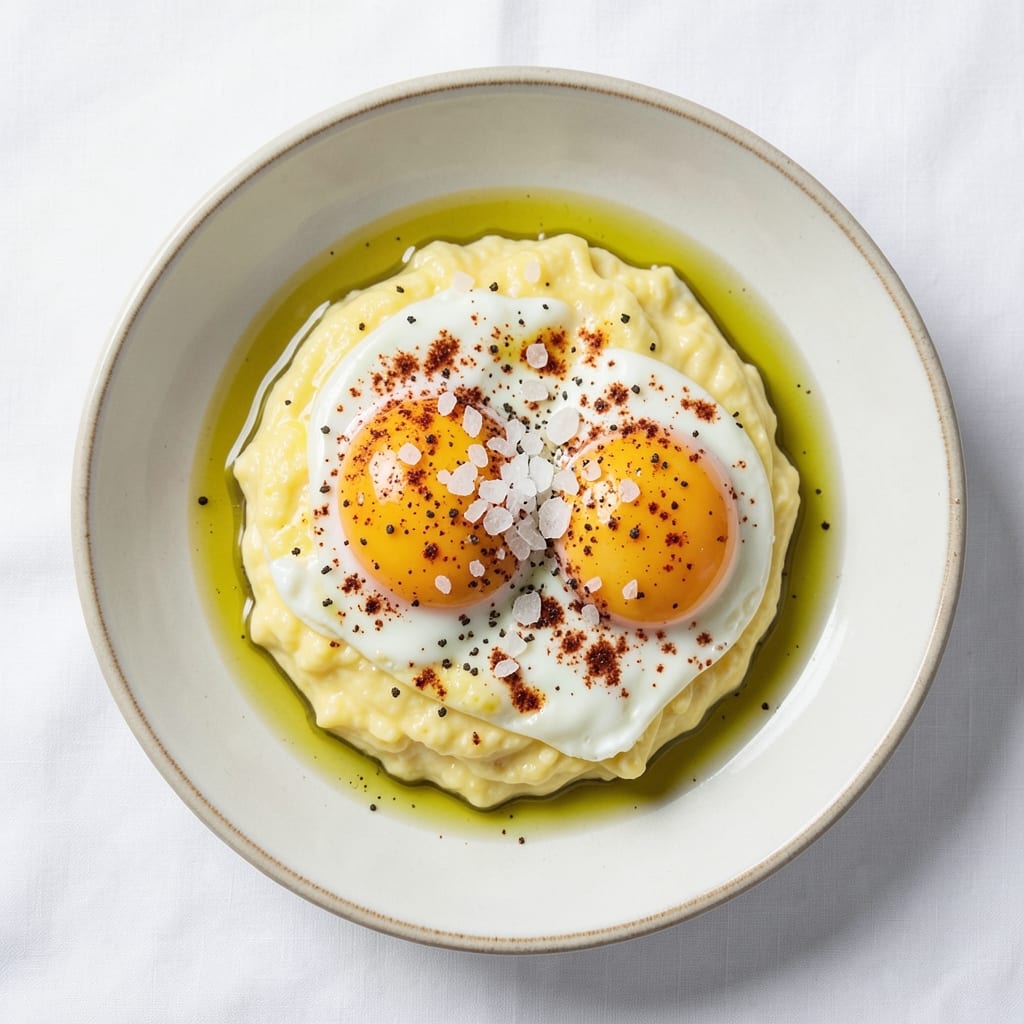
Chef Ramsay's scrambled eggs recipe transforms breakfast into a culinary masterpiece with buttery ribbons and perfectly crispy edges. The secret lies in precise technique—low, controlled heat and proper butter ratios—creating eggs that are creamy yet distinct, never dry or rubbery. After years of perfecting this dish, I’ve developed a method that delivers restaurant-quality results at home, every time.
What sets these scrambled eggs apart is the balance of texture and flavor. The eggs cook slowly in a wide pan, allowing them to form delicate ribbons while developing a golden crust at the edges. A touch of cream and a sprinkle of salt at the right moment elevate the dish, ensuring each bite is rich, velvety, and perfectly seasoned. This isn’t just breakfast—it’s a technique that will change how you think about scrambled eggs forever.
The key to success is patience and attention to detail. No flipping, no rushing—just gentle stirring and consistent heat. The result? Eggs that are tender yet structured, with a luxurious mouthfeel and a finish that’s both savory and satisfying. Whether you’re feeding a crowd or treating yourself to a special morning, this recipe delivers professional results without the fuss.
Pair these eggs with toasted sourdough, fresh herbs, or a sprinkle of smoked paprika for an elevated dish that feels like a fine-dining experience. The method is foolproof, but the impact is undeniable—each bite is a testament to the power of simple ingredients and precise technique. Let’s get cooking.
Ingredients for chef ramsay scrambled egg
Eight essential ingredients transform ordinary eggs into buttery, crisp-edged masterpieces worthy of fine dining.
| Ingredient | Amount | Notes |
|---|---|---|
| Large Eggs 🥚 | 8 whole | Fresh, room temperature preferred |
| Unsalted Butter 🧈 | ½ cup | European-style, high-fat content |
| Heavy Cream 🥛 | ¼ cup | Full-fat, chilled before use |
| Diamond Crystal Kosher Salt 🧂 | ½ tsp | Fine grain, for delicate seasoning |
| Freshly Ground Black Pepper 🌶️ | ¼ tsp | Cracked peppercorns preferred |
| Extra-Virgin Olive Oil 🫒 | 1 tbsp | For pan coating, high smoke point |
| Chives 🌿 | 2 tbsp | Finely chopped, for garnish |
| Smoked Paprika 🌶️ | ⅛ tsp | For subtle smoky finish |
| Sourdough Bread 🍞 | 8 slices | Toasted, for serving |
The butter is non-negotiable—European-style with at least 82% fat content delivers the rich, velvety texture Chef Ramsay demands. Plugrá or Kerrygold are my go-to brands, available at specialty grocers or online. Chill the butter before measuring to ensure precise control when melting. The heavy cream adds luxurious body without overpowering the eggs' delicate structure; Organic Valley or Hormel brands perform consistently. For the salt, Diamond Crystal dissolves more gently than Morton, preventing graininess in the final dish. Freshly cracked black peppercorns release more aromatic oils than pre-ground powder—worth the 30-second effort.
No heavy cream? Whole milk plus 1 tbsp extra butter mimics the texture remarkably well. Substitute unsalted butter with ghee or browned butter for deeper flavor, though the fat content may vary slightly. Smoked paprika can be omitted entirely if you prefer a cleaner profile, but it adds that signature fine-dining touch. For the chives, dried works in a pinch (use half the amount), but fresh provides vibrant color and brightness. The sourdough toast should be thick-cut—Breads Bakery or Artisan Baker loaves from the grocery store's bakery section deliver the best crust. Pre-toast the slices while you cook the eggs to save time.
Store any leftover butter in an airtight container in the fridge for up to 3 months, though it's best used within 2 weeks for peak flavor. The eggs should be used within 3 days of purchase for optimal texture. For make-ahead prep, toast the sourdough slices and store them separately in a paper bag at room temperature for 1 day—they crisp up beautifully when reheated. The finished scrambled eggs reheat best in a dry skillet over low heat, adding a touch of butter to restore their luxurious sheen. Portion into ramekins for elegant presentation, or serve family-style with the toasted sourdough on the side.
Why You'll Love This Recipe
- I’ll be real: this isn’t your grandma’s scrambled eggs. The secret’s in the low-and-slow heat with butter and cream—no flipping, no fuss—just silky, custardy perfection every time. Even if you burn toast, you can nail these.
- No-Fuss Technique: I’ll be real: this isn’t your grandma’s scrambled eggs. The secret’s in the low-and-slow heat with butter and cream—no flipping, no fuss—just silky, custardy perfection every time. Even if you burn toast, you can nail these.
- Rich & Silky Texture: That heavy cream? It’s the game. The eggs stay velvety with just a hint of golden sheen, and the butter adds this unreal depth—like a fancy brunch without the pretension. Honestly, I’ve had eggs taste bland after this.
- Breakfast or Brunch Fix: Slap these on toast for a lazy morning or pile them high on an English muffin with smoked salmon for a weekend treat. The recipe’s so adaptable I’ve even used leftovers in omelets—no one’s complained yet.
Step-by-step instructions for Chef Ramsay's scrambled eggs
Master the technique that delivers silky ribbons with crisp edges—this is how professionals do it.
Whisk Eggs and Seasoning to Perfect Consistency
Crack the 8 whole Large Eggs into a heatproof bowl and add the 0.25 cup Heavy Cream. Use a whisk to combine gently, being careful not to create too many bubbles—this keeps the eggs tender. Add the 0.5 tsp Diamond Crystal Kosher Salt, 0.25 tsp Freshly Ground Black Pepper, and 0.125 tsp Smoked Paprika, then whisk again until fully incorporated.
The eggs should now be uniform in color with no visible streaks of white. This step ensures even cooking and proper seasoning throughout. I like to let the mixture sit at room temperature for 5 minutes before cooking—this small pause helps the eggs reach an ideal temperature for perfect texture.
Prepare the Pan for Optimal Heat Control
Place a 10-inch nonstick skillet over medium-low heat (this is critical—too high and you'll get rubbery eggs). Add 1 tbsp Extra-Virgin Olive Oil and swirl to coat the pan evenly. Then add 0.5 cup Unsalted Butter, letting it melt completely before adding the eggs. The butter should foam but not brown—this indicates the right temperature for gentle, even cooking.
Here's the thing—you want the butter to create a velvety base without burning. If you see the butter starting to turn golden, immediately reduce the heat to medium-low. The pan should feel warm to the touch but not hot—you're aiming for a temperature where the eggs cook slowly and develop those signature ribbons.
Cook the Eggs with Constant Gentle Motion
Pour the egg mixture into the skillet. Immediately begin stirring with a silicone spatula, using a gentle, continuous motion that keeps the eggs moving but doesn't chop them into curds. Work the eggs from the center outward, folding them back toward the center as they begin to set. This technique creates those signature buttery ribbons while keeping the eggs silky.
Cook for 3-4 minutes total, until the eggs are just set but still slightly moist in the center. You'll know they're ready when they form soft curds that hold their shape when you lift the spatula. The edges should be just beginning to crisp slightly—this is where you'll get that perfect contrast of textures. Don't overcook; the residual heat will finish them off.
Finish with Precision Timing
Remove the skillet from heat and immediately transfer the eggs to a warmed serving platter. Sprinkle with the 2 tbsp Chives and let rest for 30 seconds—this final moment allows the eggs to set completely while maintaining their creamy texture. The chives should be evenly distributed for both flavor and presentation.
Serve immediately with the 8 slices Sourdough Bread, toasted to a golden finish. The contrast of crispy toast with the velvety eggs creates the perfect balance. Each bite should deliver that buttery richness with just a hint of smokiness from the paprika, all while maintaining that signature crisp edge that makes these eggs truly restaurant-quality.
Pro Tips For Making Chef Ramsay Scrambled Egg
- CRACK EGGS FIRST, THEN WHISK: I learned this the hard way—whisking whole eggs in the bowl leads to uneven cooking. Crack them into a separate bowl first, then whisk vigorously until the yolks and whites are fully combined. This ensures the cream and butter blend smoothly, giving you that signature silky texture Ramsay loves.
- USE HALF THE CREAM: The recipe calls for heavy cream, but I’ve found that cutting it to about 1-2 tablespoons per 4 eggs makes a real difference. Too much cream makes the eggs watery; this amount adds richness without diluting the egg flavor. Trust me, your taste buds will notice.
- LOW AND SLOW AFTER THE CRUST: High heat for the initial butter crust is non-negotiable, but once those edges start forming, drop the heat to medium-low. I used to rush this, and the eggs would turn rubbery. Let them cook gently for 2-3 minutes, stirring constantly, until just set but still tender—like custard, not scrambled eggs.
- SALT THE BUTTER BEFORE MELTING: This isn’t just about seasoning—it’s about flavor infusion. Sprinkle a pinch of kosher salt directly into the cold butter while it’s melting in the pan. The salt dissolves into the fat, coating every bite with seasoning from the start. (Yes, even if you’re impatient like me, don’t skip this.)
Serving suggestions for chef ramsay scrambled egg
Toasted Sourdough
Toast your sourdough slices to a deep golden brown using a mix of butter and olive oil—about 1 tbsp butter and ½ tbsp olive oil per slice. Spread evenly and toast in a 400°F oven for 4-5 minutes until crisp. The buttery aroma pairs perfectly with the eggs' richness. For extra flair, sprinkle with flaky sea salt right after toasting. 🍞
Fresh Herb Garnishes
Beyond chives, try finely chopped parsley or dill for brightness. For a pop of color, add microgreens or watercress just before serving. I love a mix of 1 tbsp chives and 1 tsp parsley for a balanced herbaceous note. Garnish with smoked paprika for a subtle smoky finish that ties into the eggs' flavor.
Cheese Pairings
Add crumbled feta or shaved gruyère for a salty, tangy contrast. Sprinkle ¼ cup crumbled feta over the eggs just before serving—it melts slightly from the residual heat, creating a creamy, briny element. For a richer option, use shaved parmesan instead; its nutty depth complements the buttery eggs beautifully.
Breakfast Boosters
Elevate your plate with crispy bacon or sautéed mushrooms**. Cook 4 slices bacon in the same pan you used for the eggs (after removing them) for a smoky, savory boost. Alternatively, sauté ½ cup sliced mushrooms in 1 tbsp butter until golden—add a pinch of thyme for extra depth.
Drink Pairings
A crisp white wine like Sauvignon Blanc or Pinot Grigio cuts through the richness of the eggs. For a non-alcoholic option, try sparkling apple cider—its effervescence cleanses the palate. If you prefer coffee, a light roast with steamed milk balances the dish's richness without overpowering it.
Make-Ahead Serving
For brunch gatherings, pre-cook the eggs and keep them warm in a 200°F oven in a covered dish. Reheat gently with a splash of cream to restore their silky texture. Serve with pre-toasted sourdough and garnishes on a warmed platter. This approach keeps everything hot and ready for guests without last-minute stress.
Nutrition facts
Frequently asked questions
Why does Chef Ramsay's method use heavy cream instead of milk?
The heavy cream creates a luxurious, velvety texture that milk can't match. The extra fat content adds richness and body to the eggs, making them more restaurant-quality. For a lighter version, you can substitute with whole milk plus 1 extra tablespoon of butter—it won't be identical, but still delicious.
Can I make these scrambled eggs in a microwave?
Not for perfect results! The microwave creates rubbery, unevenly cooked eggs. The low-and-slow heat in a skillet is essential for those signature buttery ribbons and crisp edges. If you're short on time, use a nonstick pan over the lowest possible heat setting and stir constantly.
What's the secret to getting crispy edges without overcooking?
Use a wide, nonstick pan on medium-low heat and let the eggs cook undisturbed for the first 30 seconds after adding them. Then gently fold while keeping the edges in contact with the pan. The butter creates a crisp crust while the center stays creamy.
How do I adjust this recipe for 2 people?
Simply halve all ingredients: 4 eggs, ¼ cup butter, 2 tbsp heavy cream, and ¼ tsp each of salt and pepper. Use a 6-inch pan instead of 10-inch for better heat control. The technique remains identical—just scale down the quantities.
Can I make these eggs ahead of time?
Not ideal for texture, but possible for brunch prep. Cook the eggs completely, then store in a 200°F oven for up to 30 minutes. To reheat, add a splash of cream and warm gently in a skillet. For best results, cook fresh and serve immediately for that signature creamy finish.