
Breakfast & Brunch
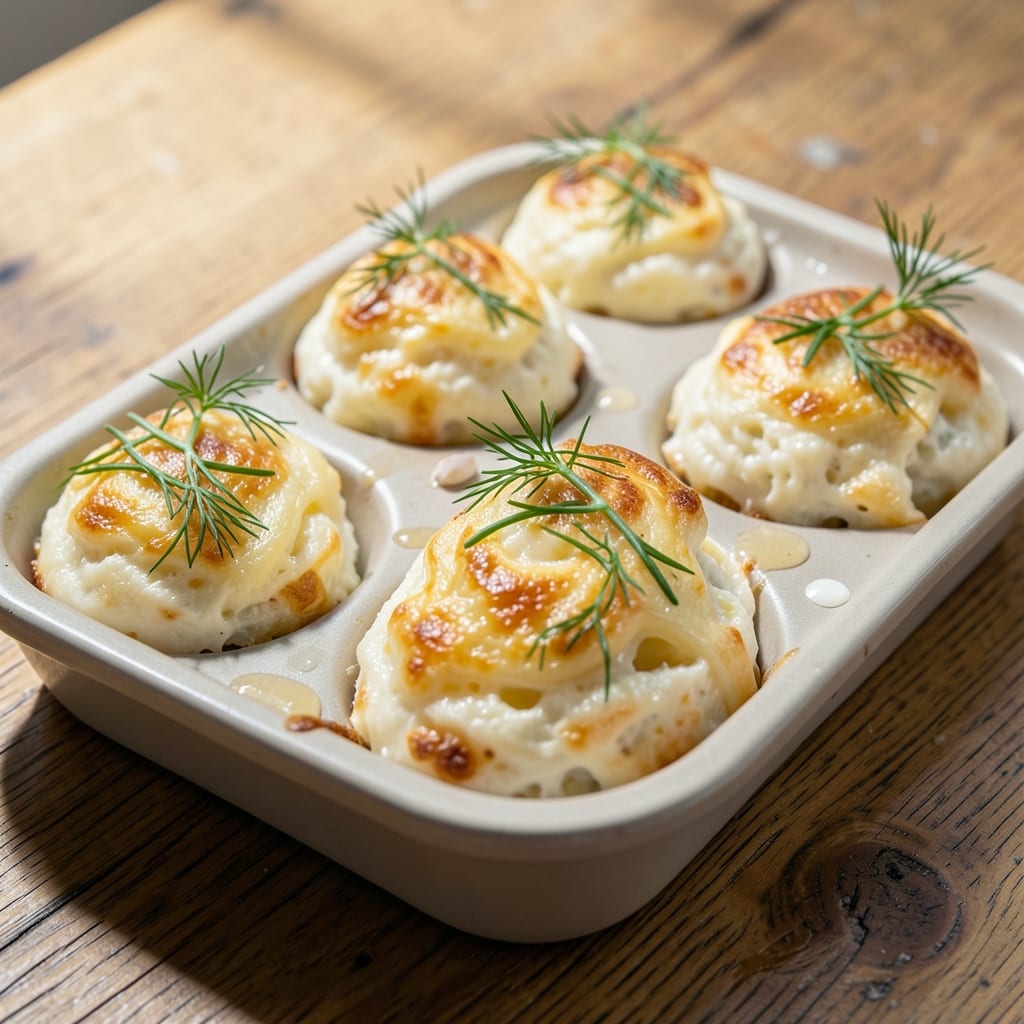
This cottage cheese egg bites recipe transforms a simple breakfast into a foolproof, restaurant-worthy dish with creamy yolk centers and herbed fluffiness—no curdling in sight. The secret lies in blending cottage cheese with eggs for a texture that’s both tender and rich, while herbs and spices add bright, savory depth. I’ve perfected this method over countless batches, ensuring every bite delivers that perfect balance of creaminess and a hint of tang.
What sets these egg bites apart is their versatility—they bake up golden and firm, yet stay moist inside, making them ideal for meal prep or a quick grab-and-go breakfast. The recipe calls for just 10 minutes of prep and 20 minutes in the oven, with optional add-ins like cheese, spinach, or diced ham to customize flavors. Whether you’re feeding a family or packing lunches, these bites reheat beautifully while maintaining their texture.
The result is a dish that’s elegant yet effortless, with a bright, herby aroma that fills your kitchen as they bake. Each bite offers a creamy yolk surrounded by fluffy cottage cheese and a crisp edge, all held together by a light, airy structure. They’re perfect for breakfast, a savory snack, or even an appetizer—no one will guess they’re this easy to make.
Pair them with a side of fresh fruit for a balanced meal or serve with a sprinkle of hot sauce for extra kick. The best part? You can make a batch ahead and store them in the fridge for up to 5 days, ready to reheat in seconds. Let’s get started on these game-changing egg bites.
Ingredients for cottage egg bites
Twelve ingredients. Zero curdling. Game-changing herbed egg bites that taste restaurant-worthy.
| Ingredient | Amount | Notes |
|---|---|---|
| Large Eggs 🥚 | 6 whole | Room temperature preferred |
| Small-Curd Cottage Cheese 🧀 | 1 cup | Full-fat for creaminess |
| Milk 🥛 | ¼ cup | Whole milk for richness |
| Fresh Chives 🌿 | ¼ cup | Finely chopped, stems removed |
| Fresh Dill 🌿 | 0.15 cup | Finely chopped, packed |
| Garlic Cloves 🧄 | 2 cloves | Minced for subtle flavor |
| Salt 🧂 | ½ tsp | Diamond Crystal preferred |
| Black Pepper 🌶️ | ¼ tsp | Freshly ground for heat |
| Extra-Virgin Olive Oil 🫒 | 1 tbsp | For greasing muffin cups |
| Shredded Cheddar Cheese 🧀 | ½ cup | Optional for extra flavor |
| Cooking Spray 💦 | 1 tbsp | For easy release |
The cottage cheese is the MVP here—full-fat gives you that velvety texture without curdling. Trader Joe's or Whole Foods carry the best small-curd varieties, but any full-fat works. Fresh herbs make all the difference: grab baby chives from the grocery store's produce section—they're pre-chopped and save time. If you're short on dill, Italian seasoning at half the amount works in a pinch. The garlic? Roasted for 10 minutes at 350°F first mellows the flavor—trust me on this.
No chives? Green onions or parsley add brightness too. Swap dill for tarragon or basil if you're feeling fancy. The cheddar is optional but adds a nice sharp contrast—sharp cheddar holds up better than mild. For extra richness, stir in 1 tbsp sour cream with the cottage cheese. The olive oil? Use the fruity kind—none of that cheap grocery store stuff. And if you're meal prepping, double the batch—they reheat perfectly in the microwave for 20 seconds.
These keep for 5 days in the fridge, wrapped tightly in parchment. Freeze extras for up to 3 months—thaw overnight in the fridge before reheating. For crispier edges, bake at 375°F instead of 350°F. Store in airtight containers with parchment between layers to prevent sticking. The best part? No one will guess they're this easy—they look fancy but take 10 minutes to prep.
Why You'll Love This Recipe
- Here’s what sold me: these reheat like a dream. Make a batch on Sunday, and you’ve got grab-and-go breakfasts for the week—no sad, rubbery leftovers here. They’re great cold in a lunchbox or warmed up with a side of toast. My kids even pack them for school (yes, even on a Tuesday night), and they come home begging for seconds.
- I’ll be real: cottage cheese is one of my go-to budget stretches. A few eggs, a tub of small-curd cheese, and a splash of milk turn into a dozen portions for less than $5. Fresh herbs might sound fancy, but a handful of chives and dill last days in the fridge, so you’re not breaking the bank for flavor. It’s the kind of recipe that makes grocery shopping feel smart.
Step-by-step instructions for herbed egg bites
Here's how to make these fluffy, herby egg bites with perfect yolk centers every time.
👨🍳 Step 1: Whisk Eggs and Cottage Cheese Until Smooth
In a large bowl, crack all 6 whole Large Eggs and add the 1 cup Small-Curd Cottage Cheese. Use a whisk to combine them vigorously for about 2 minutes until fully integrated. The mixture should look smooth and slightly thickened—this prevents curdling later.
Add the 0.25 cup Milk, 0.25 cup Fresh Chives, 0.15 cup Fresh Dill, 2 cloves Garlic Cloves, 0.5 tsp Salt, and 0.25 tsp Black Pepper. Whisk again for 30 seconds until everything is evenly distributed. The herbs should be finely chopped and evenly dispersed throughout the mixture.
Here's the thing—don't overmix. You're aiming for a smooth batter, not fluffy egg whites. The cottage cheese gives these bites their signature texture, so make sure it's fully incorporated before moving on.
🍳 Step 2: Grease and Preheat for Perfect Release
Preheat your oven to 350°F. Lightly grease a 12-cup muffin tin with 1 tbsp Extra-Virgin Olive Oil or use 1 tbsp Cooking Spray for easy release. I like to spray the cups first, then rub them with a paper towel to ensure even distribution of the oil.
Divide the egg mixture evenly among all 12 muffin cups, filling each about ¾ full. This ensures the bites have room to rise without overflowing. Sprinkle each cup with a pinch of Shredded Cheddar Cheese if using—this adds a delicious melt to the top layer.
This is where precision matters. If you overfill the cups, you'll end up with messy egg bites that stick to the tin. If you underfill, they won't rise properly. Aim for that sweet spot where they're just shy of the top edge.
🔥 Step 3: Bake Until Golden and Set
Bake for 18-20 minutes until the tops are golden brown and the edges pull away slightly from the muffin tin. You'll see a slight doming effect as they puff up—this is what you're after.
I know it's tempting to check early, but resist! The center should still be slightly jiggly when you insert a toothpick. If it comes out completely clean, they're overdone. You want that perfect balance of a set exterior with a creamy yolk center.
Real talk: Your oven might run hot or cold, so start checking at the 18-minute mark. If they're browning too quickly, tent with foil to prevent overcooking. The goal is a beautiful golden crust with a soft, custardy interior.
⏰ Step 4: Cool and Serve with Fresh Herbs
Remove the muffin tin from the oven and let the egg bites cool for 5 minutes in the tin. This allows them to set slightly and makes them easier to handle. Don't skip this step—they'll be delicate right out of the oven.
Run a small knife around the edges of each egg bite to loosen them from the tin. Then, gently pop them out onto a serving plate. Garnish with an extra sprinkle of Fresh Chives and Fresh Dill for a pop of color and fresh flavor.
These egg bites are best served warm, but they'll keep in the refrigerator for up to 4 days. Reheat in the microwave for 20-30 seconds until warmed through. The yolk centers should remain creamy, not runny, when reheated properly.
Pro Tips For Making Cottage Egg Bites
- STIR VIGOROUSLY: Mix the egg and cottage cheese batter until it’s smooth—no lumps, no streaks. I learned this the hard way: cottage cheese clumps turn egg bites rubbery. Use a whisk or immersion blender for 20 seconds, then let it sit 5 minutes before baking so flavors meld.
- CHOP HERBS FINE: Slice chives and dill into tiny pieces—no visible stems, just confetti. Thick herbs burn faster and sink to the bottom. Pulse them in a food processor for 3 seconds if you’re impatient, but chop by hand for that bright, even distribution.
- DON’T OVERFILL MUFFIN CUPS: Fill greased ramekins only ¾ full—eggs expand, and overflowing makes a mess. I used to pack them tight, then watch them spill over the edges like a science experiment gone wrong. Less batter = cleaner bites and even cooking.
- USE COLD MILK: Add cold milk to the egg mix last—it keeps the cottage cheese from curdling too fast. Warm milk makes the batter separate, and you’ll end up with dense, gummy bites. Measure it first, then stir gently just before baking.
Common mistakes when making great cottage egg bites
Overmixing the Batter
Cottage cheese is delicate, and overmixing creates air bubbles that lead to dense, rubbery egg bites. Whisk just until smooth—about 2 minutes—then stop. I’ve ruined batches by beating for 5 minutes like I was making pancakes. The key is gentle integration, not vigorous aeration. 🥚
Skipping the Preheat
Never skip preheating your oven to 350°F—this is non-negotiable. Cold pans cause uneven cooking and sticking. I learned this the hard way when my first batch turned out gummy. Always preheat for 10 minutes before baking. A muffin tin thermometer (like the OXO Good Grips) ensures accuracy.
Underfilling the Cups
Filling cups less than ¾ full results in flat, sad egg bites that don’t rise properly. Measure carefully—use a 1/3 cup measuring spoon for each muffin cup. I once made a batch where some cups were half-full, and they looked like pancakes instead of bites. Precision is everything here.
Overbaking for Dryness
Baking beyond 20 minutes turns creamy yolk centers into dry, rubbery messes. Check at 18 minutes—they’re done when edges pull away from the tin and tops are golden. I’ve had to throw out batches that sat in the oven too long. A toothpick test works best: slight jiggle = perfect.
Greasing Improperly
Using too little oil or spray causes sticking. Lightly grease with 1 tbsp olive oil or cooking spray, then wipe with a paper towel. I once used just a spritz and ended up scraping egg bites off the tin. Pro tip: Use a pastry brush for even distribution.
Ignoring Room Temp Ingredients
Cold eggs and cottage cheese slow cooking and cause uneven texture. Let eggs sit at room temp for 30 minutes before using. I’ve had batches where the centers stayed cold because I skipped this step. The cottage cheese should be at 70°F—just warm it slightly if needed.
Nutrition facts
Frequently asked questions
Can I make these egg bites without cottage cheese?
The cottage cheese is what gives these bites their signature creamy texture, but you can substitute with 1 cup ricotta cheese or ½ cup sour cream + ½ cup milk for a similar consistency. The flavor will be slightly different, but the method remains the same. Just whisk until smooth to prevent curdling.
How do I reheat these egg bites without drying them out?
Microwave them for 20-30 seconds on medium power, covered with a damp paper towel. For crispier edges, pop them in a 350°F oven for 5-7 minutes instead. Never reheat from frozen—thaw overnight in the fridge first. The yolk should stay creamy, not runny.
Can I make these egg bites ahead of time?
They keep for 5 days in the fridge, stored in an airtight container with parchment between layers. For freezing, bake them first, then store in a single layer before transferring to a freezer bag. Thaw overnight in the fridge—never at room temperature.
What are some good add-ins for extra flavor?
Try ½ cup diced ham or spinach for savory bites, or blueberries and cinnamon for a sweet version. For spice lovers, add ½ tsp smoked paprika or ½ tsp cayenne to the batter. Just be mindful of moisture—leafy greens need to be well-drained.
Why did my egg bites turn out rubbery?
Overmixing or overbaking are the most common culprits. Whisk just until smooth (2 minutes) and bake for no more than 20 minutes. Also, ensure your eggs and cottage cheese are at room temperature—cold ingredients can cause uneven cooking. A toothpick test helps: it should come out with slight resistance.