
Breakfast & Brunch
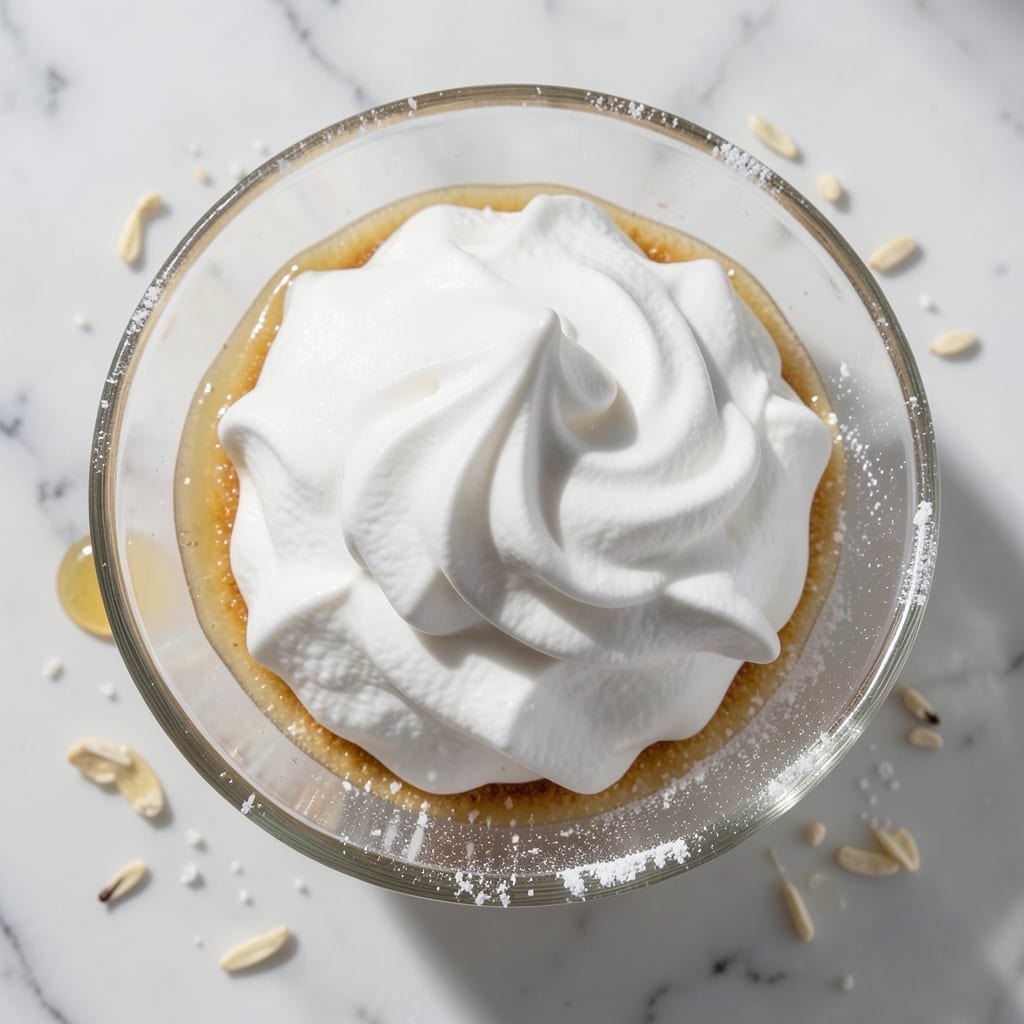
This egg and sugar meringue recipe delivers the perfect balance of cloud-like lightness and crispy shells—a delicate dessert that transforms simple ingredients into something extraordinary. The secret lies in carefully whipped egg whites and precise baking at 200°F, ensuring a stable structure that resists weeping. After perfecting this technique over years of baking, I’ve learned that patience and temperature control are everything.
The process begins with separating egg whites from yolks and gradually whipping them with sugar until stiff peaks form—a critical step for achieving that signature crispy shell and airy interior. Baking at low heat allows the meringue to set evenly, while optional torching adds a golden finish. Whether you’re making a classic pavlovas or standalone meringue nests, this method guarantees professional results every time.
What makes this recipe stand out is its versatility—it works as a standalone dessert, a pie topping, or even a base for fruit-filled creations. The key to success is avoiding common pitfalls like humidity or overmixing, which can lead to cracks or weeping. With just a few ingredients and careful technique, you’ll create meringues that are crispy on the outside and tender inside.
Once baked, these meringues can be stored in an airtight container for up to a week, making them perfect for meal prep or special occasions. For added flair, try piping intricate shapes or torching the tops for a restaurant-quality finish. Let’s get started on creating meringues that will impress even the most discerning dessert lovers.
Ingredients for egg and sugar meringue
Four simple ingredients transform into delicate meringues with crisp shells and cloud-like centers.
| Ingredient | Amount | Notes |
|---|---|---|
| Large Egg Whites 🥚 | 4 whole | Room temperature for best volume |
| Granulated Sugar 🍚 | 1 cup | Superfine preferred for smoother texture |
| Cream of Tartar 🧂 | ¼ tsp | Stabilizes egg whites for crispier shells |
| Vanilla Extract 🌿 | ½ tsp | Pure alcohol-free preferred |
| Cornstarch 🌾 | ¼ tsp | Prevents weeping during baking |
| Salt 🧂 | ⅛ tsp | Fine sea salt for delicate flavor |
| Unsalted Butter 🧈 | ¼ cup | Softened for piping stability |
| Lemon Juice 🍋 | ½ tsp | Freshly squeezed for acid balance |
The egg whites are non-negotiable—use room-temperature whites for maximum volume. Most grocery stores sell pasteurized eggs in the refrigerated section, but local farms often have fresher options. The sugar should be superfine if possible, though regular granulated works by pulsing it in a food processor. For the cream of tartar, Bob's Red Mill or Anthony's Goods carry reliable brands in bulk. The vanilla extract matters here: Nielsen-Massey or McCormick pure extracts add depth without overpowering.
No cream of tartar? White vinegar at half the amount works in a pinch, though it adds a slight tang. Substitute powdered sugar for granulated if that's what you have, but expect slightly less crispiness. The butter should be softened but not melted—microwave for 20 seconds if needed. For a vegan option, replace butter with vegan butter or coconut oil, though texture differs slightly. The lemon juice is optional but balances sweetness—freshly squeezed is ideal, though bottled works.
Store meringues in an airtight container with parchment between layers for up to one week at room temperature. For longer storage, freeze for up to 3 months—thaw at room temperature before serving. Avoid humidity at all costs: silica gel packs in storage containers prevent sogginess. These meringues are perfect for meal prep—pipe shapes ahead and bake as needed. For a restaurant finish, torch the tops after baking for golden peaks.
Why You'll Love This Recipe
- Five-Ingredient Magic: I swear by this—just egg whites, sugar, a pinch of cream of tartar (trust me, it’s the secret), vanilla, and cornstarch. That’s it. No fancy gadgets, no stress, just pure meringue perfection in under an hour.
- Crispy-Creamy Bliss: The outside? Crunchy enough to hear when you bite. The inside? Silky, with that vanilla whisper that makes it taste like dessert. Honestly, I’ve tried store-bought, and this beats it every time.
- Dessert or Topping?: Slather it on toast with whipped cream, bake it into pies, or eat it straight with berries. My kids ask for it as a snack, and my date nights get a little fancier when I drizzle it over ice cream. It’s that adaptable.
- No Waste, All Win: Use leftover meringue for topping cobbler or crushing into cookies—it’s too good to toss. And since it’s just sugar and eggs, it’s cheaper than buying pre-made. My wallet and pantry both thank me.
Step-by-step instructions for egg and sugar meringue
Mastering this classic meringue technique guarantees crispy shells with cloud-like centers every time.
Prepare the Egg Whites for Maximum Volume
Begin by separating the 4 whole large egg whites from the yolks, ensuring no trace of yolk remains. Any fat will prevent proper whipping. Transfer the egg whites to a spotlessly clean, grease-free mixing bowl—even microscopic traces of fat will inhibit volume development. Place the bowl in the refrigerator for 15 minutes to chill the egg whites slightly, which helps stabilize them during whipping.
While the egg whites chill, combine the 1 cup granulated sugar, 0.25 teaspoon cream of tartar, 0.25 teaspoon cornstarch, and 0.125 teaspoon salt in a fine-mesh sieve. Sift this mixture directly into the cold egg whites. The cream of tartar acts as a natural stabilizer, while the cornstarch prevents weeping during baking. The sugar will dissolve gradually as you whip, creating the signature crispy shell.
Whip to Soft Peaks with Precision
Using a stand mixer fitted with the whisk attachment, begin whipping the egg whites on low speed until frothy. Gradually increase to medium-high speed and whip for 2-3 minutes until soft peaks form. Soft peaks should curl slightly at the tip when the whisk is lifted—this indicates the proteins have aligned but aren't fully set. Avoid overmixing at this stage, as it can incorporate too much air prematurely.
At this point, add the 0.5 teaspoon vanilla extract and 0.5 teaspoon lemon juice to the egg whites. The acidity from the lemon juice helps stabilize the meringue, while the vanilla adds subtle depth. Whip for an additional 30 seconds to fully incorporate these ingredients. The mixture should now hold its shape when the whisk is lifted, but still be glossy and slightly fluid.
Gradually Add Sugar for Crispy Shells
With the mixer running on medium-high speed, begin adding the sugar 1 tablespoon at a time, allowing 30 seconds between additions. This gradual approach ensures the sugar dissolves completely and prevents the meringue from deflating. After each addition, the mixture should temporarily thicken before returning to a smooth, glossy consistency. Continue until all 1 cup sugar is incorporated.
Whip for an additional 5-7 minutes until the meringue reaches stiff peaks—the peaks should stand upright when the whisk is lifted and hold their shape. The meringue should be thick, glossy, and hold its form when the bowl is inverted. This stage is critical for achieving both the crispy exterior and light interior. If the meringue appears slightly grainy, continue whipping for another 1-2 minutes—the sugar will fully dissolve.
Pipe and Bake for Perfect Texture
Transfer the meringue to a piping bag fitted with a large star tip. Pipe 4-inch circles onto a parchment-lined baking sheet, spacing them 2 inches apart to allow for even expansion. For extra stability, gently tap the baking sheet on the counter to release any air bubbles. Bake in a preheated 200°F oven for 1 hour 15 minutes, or until the meringues are dry to the touch and the bases are light golden brown.
To ensure crispy shells, avoid opening the oven door during baking—even brief temperature fluctuations can cause the meringues to collapse. Once baked, remove from the oven and let cool completely on the baking sheet. The centers should remain soft and pillowy, while the edges develop a satisfying crunch. For added richness, pipe a small amount of the 0.25 cup softened unsalted butter over each meringue before serving, or incorporate it into a filling for a classic meringue-based dessert.
Pro Tips For Making Egg And Sugar Meringue
- Whip Whites to Stiff Peaks: Use a cold, grease-free bowl and beaters—room temp egg whites add bulk but won’t hold shape. I learned this the hard way when my meringue collapsed after adding sugar too early (yes, even with cream of tartar).
- Sift Sugar Slowly: Dribble sugar in very thin streams while whipping—dumping it in makes the mixer fight you. The goal is to keep the whites light; a flood of sugar weighs them down faster than you’d think.
- Skip the Cornstarch Trap: That cornstarch? It’s for stability, not extra fluff. Overdo it, and your meringue turns gummy instead of crisp. Stick to the recipe’s pinch—it’s already in there for a reason.
- Bake Low and Slow: 250°F (120°C) is your friend—rushing to 300°F risks browning before drying. I used to blast it, then scramble to fix uneven spots. Patience here means no regrets later.
Wine and beer pairings for egg and sugar meringue
Sweet Wines
Meringue’s delicate sweetness pairs beautifully with Moscato d’Asti—its crisp acidity and floral notes cut through the sugar without overpowering. I love chilling a bottle of Bartolo Mascarello Moscato from Piedmont, which balances the meringue’s crispy shell with its light effervescence. For a richer option, try Sauternes from Bordeaux, where honeyed apricot flavors complement the caramelized edges of baked meringues. 🍷
Dry Sparkling
A dry sparkling wine like Prosecco or Cava creates a refreshing contrast to meringue’s sweetness. La Marca Prosecco from Italy offers bright citrus notes that cleanse your palate between bites, while Freixenet Cordon Negro Cava provides a crisp, mineral finish. For a budget-friendly choice, Gruet Brut from California delivers the same elegant bubbles and acidity. 🥂
Light Beers
If you prefer beer, opt for a wheat beer or pilsner to avoid clashing with the meringue’s sweetness. A Blue Moon Belgian White with its coriander and orange peel notes adds a citrusy lift that pairs surprisingly well. For a classic choice, Heineken or Stella Artois provide a neutral backdrop that lets the meringue’s texture shine. 🍺
Cream Liqueurs
For a dessert-focused pairing, serve meringues with a Baileys Irish Cream or Amaretto di Saronno drizzle. The creamy sweetness of Baileys enhances the meringue’s pillowy center, while Amaretto’s almond notes add complexity. I often dip the edges of meringue nests in these liqueurs before serving for an elegant touch. 💛
Avoid Heavy Options
Skip red wines, heavy beers, or dessert wines like Port—they’ll overwhelm the meringue’s delicate balance. Instead, stick to wines and beers with high acidity and light body to highlight the crispy shells and airy texture. Even a sparkling water with lemon can be a refreshing contrast if you’re avoiding alcohol entirely. ✨
Nutrition facts
Frequently asked questions
Why does my meringue weep or get soggy?
Meringue weeping happens when moisture gets trapped inside during baking. To prevent this, ensure your egg whites are fully whipped to stiff peaks and avoid baking in humid conditions. The cornstarch in this recipe helps absorb excess moisture, while baking at 200°F for the full 1 hour 15 minutes ensures proper drying. Store meringues in an airtight container with silica gel packs to prevent humidity from affecting them later.
Can I make this meringue without cream of tartar?
Yes! Substitute 0.25 teaspoon cream of tartar with 0.125 teaspoon white vinegar or lemon juice. The acidity stabilizes the egg whites, helping them whip to stiffer peaks. Just be mindful that vinegar may add a slight tang—fresh lemon juice is a gentler alternative. For best results, add the substitute when the egg whites reach soft peaks before incorporating sugar.
How do I get crispy shells instead of soft meringues?
The key is baking at a low, steady temperature (200°F) for the full 1 hour 15 minutes. Avoid opening the oven door during baking, as temperature fluctuations cause collapse. For extra crispiness, bake meringues on a silicon mat or parchment and let them cool completely on the tray. If they feel slightly damp after baking, return them to the oven for 10-15 minutes at 175°F to dry further.
Can I make these meringues ahead of time?
Pipe and bake meringues 1-2 days ahead and store them in an airtight container at room temperature. For longer storage, freeze them for up to 3 months—thaw at room temperature before serving. Reheat briefly in a 200°F oven for 5 minutes if they lose crispiness. This makes them perfect for meal prep or special occasions.
What’s the difference between this meringue and Swiss or Italian meringue?
This is a classic French meringue, made by whipping egg whites and sugar together. Swiss meringue involves heating egg whites with sugar first, while Italian meringue uses a hot sugar syrup. French meringue is lighter and more delicate, ideal for pavlovas or standalone nests. Swiss meringue is more stable for baking, and Italian meringue is the most stable for fillings.