
Breakfast & Brunch
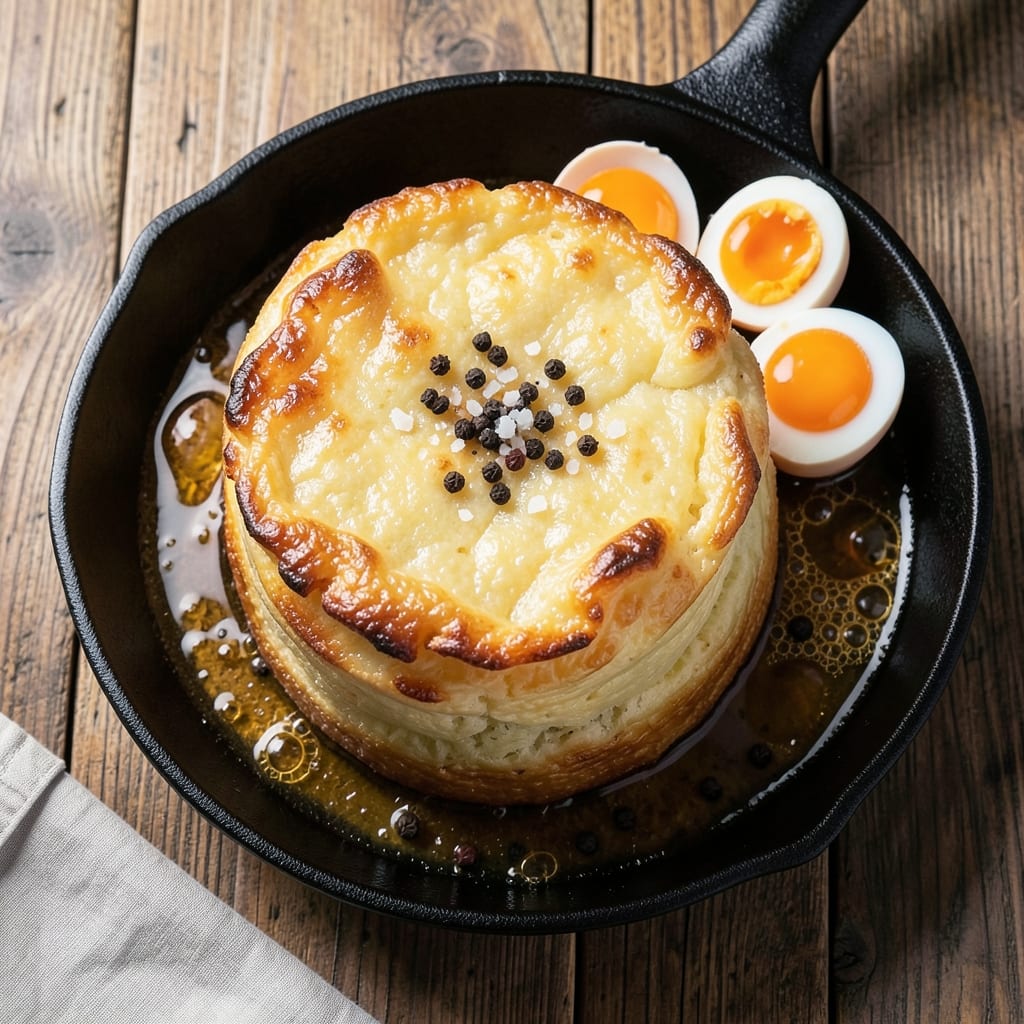
This duck egg Yorkshire pudding recipe transforms a classic into something extraordinary—where each crispy bite delivers a luxurious yolk infusion that feels like a restaurant indulgence. The secret lies in the batter's delicate balance: duck eggs add richness while maintaining that signature fluffy texture, and a hot pan ensures a golden crust that shatters at the touch. I've perfected this technique over years of trial and error, and it never fails to impress.
The magic happens in the details: whisking the batter just until combined (no overmixing!), using high heat to create those signature bubbles, and baking until the edges are deep golden brown. This isn't your average Yorkshire pudding—it's a showstopper that pairs beautifully with roasted duck, hearty soups, or even as a brunch centerpiece. The contrast of crispy exterior and tender interior makes every bite unforgettable.
What sets this apart is the duck egg's velvety richness, which infuses the batter with a depth you won't find in standard recipes. The result is a pudding that's both elegant and satisfying, with a texture that's impossibly light yet sturdy enough to hold its shape. Serve immediately for that perfect crunch, or keep warm until the last bite—just don't wait too long.
Whether you're hosting a Sunday brunch or craving a decadent side, this recipe delivers professional-quality results with minimal effort. The key is confidence in the technique, and once you master it, you'll never go back to ordinary Yorkshire puddings. Let's get started on creating these crispy, golden bites infused with duck egg luxury.
Ingredients for duck egg yorkshire pudding
Six ingredients, one luxurious technique—where crispy meets velvety duck egg richness.
| Ingredient | Amount | Notes |
|---|---|---|
| Duck Eggs 🥚 | 4 whole | Room temperature preferred |
| All-Purpose Flour 🌾 | 1 ½ cups | Sifted for light texture |
| Whole Milk 🥛 | 1 ½ cups | Full-fat for richness |
| Unsalted Butter 🧈 | ½ cup | Melted, cooled slightly |
| Large Egg Yolks 🥚 | 2 whole | From chicken eggs |
| Kosher Salt 🧂 | 1 tsp | Diamond Crystal preferred |
| Black Pepper 🌶️ | ½ tsp | Freshly ground |
| Vegetable Oil 🫒 | 1 ½ cups | High smoke point |
| Fresh Parsley 🌿 | ¼ cup | Chopped, for garnish |
The duck eggs are non-negotiable here. Look for them at specialty grocers like Whole Foods or Trader Joe's—they're worth the hunt. The yolks are what transform this from ordinary to extraordinary, so don't skimp on quality. If you can't find duck eggs, extra-large chicken eggs work in a pinch, but the flavor will be noticeably different. For the milk, whole milk is essential—skim won't give you that same luxurious mouthfeel. The butter should be European-style if possible—it has more fat content and richer flavor. I always grab Plugrá when I see it on sale at Costco.
No duck eggs? Extra-large chicken eggs are your backup, but you'll lose that signature richness. The milk can be swapped for half-and-half if that's what you've got, but it'll be slightly heavier. For the butter, olive oil works in a bind (use the same amount), though it'll have a different flavor profile. The vegetable oil is crucial—canola or avocado oil are best for high-heat stability. If you're feeling fancy, add a pinch of nutmeg to the batter for depth. The parsley is just for garnish, so skip it if you're out—it won't affect the pudding itself.
Make the batter fresh—it loses its lift if mixed ahead. Store any leftover dry ingredients (flour, salt, pepper) in an airtight container for 6 months. The melted butter can be refrigerated for 1 week in a sealed jar. These reheat beautifully—pop them in a 350°F oven for 5-10 minutes to restore that crispy magic. I always make extra batter and freeze it in ice cube trays for quick future batches. Just remember: room temperature eggs are key—they whisk up lighter.
Why You'll Love This Recipe
- No Fuss, Big Payoff: I swear, this comes together faster than ordering takeout. Whisk the batter, pour it in, and let the oven work its magic—no flipping, no stress, just golden perfection.
- Rich Gold Magic: That duck egg yolk? It’s the secret weapon—creamy, luxurious, and packed with flavor. The whole milk keeps it tender, while the butter adds that buttery crunch you dream about.
- Weeknight Hero: Slap these on top of roasted veggies, a simple steak, or even breakfast hash. They’re the ultimate last-minute upgrade—no one will guess they took less than 30 minutes to make.
- Budget Luxury: Duck eggs might sound fancy, but they’re cheaper than you think (and way better than chicken eggs here). Stretch the batter for multiple pans, and you’ve got a fancy-ish side for days without breaking the bank.
Step-by-step instructions for duck egg Yorkshire pudding
Here's how to transform duck eggs into golden, crispy Yorkshire puddings with a rich yolk center.
Prepare the Batter with Duck Eggs
In a medium bowl, whisk together the 4 whole duck eggs and the 2 whole large egg yolks until fully combined. The duck eggs add incredible richness, so don't skip this step. Gradually whisk in the 1.5 cups whole milk until smooth, then sift in the 1.5 cups all-purpose flour while whisking continuously to avoid lumps.
Add the 1 teaspoon kosher salt and ½ teaspoon black pepper, then stir in the ½ cup melted unsalted butter that's been cooled slightly. The batter should be thin but smooth—like heavy cream. If it's too thick, whisk in 1 tablespoon milk at a time until it reaches the perfect consistency for pouring. Let the batter rest at room temperature for 30 minutes before using. This resting time helps the gluten relax, ensuring lighter, crispier puddings.
Heat the Oil for Perfect Crispiness
Place a 12-inch cast-iron skillet or baking dish in the oven and preheat to 450°F for 10 minutes. While it's heating, pour 1½ cups vegetable oil into the skillet—just enough to reach about ¼ inch depth. The oil should be hot but not smoking when you check it with a drop of batter (it should sizzle immediately).
Real talk: Don't rush this. If the oil isn't hot enough, your puddings will be greasy instead of crispy. You'll know it's ready when the oil shimmers and a wooden chopstick inserted into the oil comes out coated with tiny bubbles. Keep the oven door closed during this time—temperature fluctuations can ruin your crisp.
Pour and Bake to Golden Perfection
Quickly remove the skillet from the oven and carefully pour the batter into the hot oil, dividing it into 6 equal portions using a spoon or small ladle. The batter should bubble vigorously and rise immediately. Return the skillet to the oven and bake for 18-22 minutes until the puddings are deep golden brown and puffed to their full height.
Here's the thing—don't open the oven door during baking. The sudden temperature drop will cause the puddings to collapse. You'll know they're done when they've risen dramatically and the tops are crispy with a golden hue. If the edges brown too quickly, you can tent them loosely with foil after 10 minutes to prevent over-browning.
Drain and Serve Warm
Remove the skillet from the oven and carefully transfer the Yorkshire puddings to a wire rack set over a baking sheet. Let them drain for 5 minutes to remove excess oil. The puddings should be crisp on the outside with a soft, custardy center—this is where the duck eggs really shine with their extra richness.
Garnish with ¼ cup chopped fresh parsley just before serving. These crispy bites are best enjoyed immediately while still warm and puffed. Serve alongside roasted meats or gravy for the ultimate comfort food experience. The secret to their success? The duck eggs and that perfectly hot oil—never compromise on either!
Pro Tips For Making Duck Egg Yorkshire Pudding
- Preheat the Pan Properly: Get that skillet screaming hot—like, almost smoking hot—before adding the butter. I learned this the hard way: a lukewarm pan means soggy bottoms, no matter how rich the duck eggs are. Whole milk and butter need that shock of heat to puff up right.
- Whisk Yolks Like Your Life Depends on It: Duck eggs are richer, so their yolks need extra love. Whisk them until they’re visually smooth—no streaks, no lumps—because even a tiny bit of unincorporated yolk can make your puddings dense. I used to skip this, and the texture suffered every time.
- Don’t Overmix the Batter: Once the flour hits the milk-egg mix, stir just until combined. Overmixing develops gluten, and your puddings turn chewy instead of light. The batter should look like thin pancake batter—no need to go full-on cookie dough.
- Use Cold Butter for Stability: Cut the butter into small cubes and let it sit in the fridge until the batter’s ready. Cold butter melts slower, giving the milk time to soak into the flour evenly. I was skeptical until I tried it—now it’s non-negotiable for consistent results.
Pro cooking tips for perfect results
Batter Consistency
The duck egg batter must be thin but pourable, like heavy cream—never thick or lumpy. I find whisking the eggs first, then gradually adding milk while sifting in flour creates the perfect airy texture. If your batter looks too stiff, add 1 tablespoon milk at a time until it flows smoothly. Overmixing introduces gluten, which can make puddings dense. Let the batter rest 30 minutes before using—this relaxes the flour's structure for lighter results. 🥚
Oil Temperature Secrets
Use a 12-inch cast-iron skillet preheated to 450°F for 10 minutes, then add 1.5 cups vegetable oil (canola or avocado oil works best). The oil should shimmer and sizzle when you drop in a spoonful of batter—if it bubbles gently, it's ready. Too cool? Your puddings will be greasy. Too hot? They'll brown too fast. I test with a wooden chopstick: if bubbles form instantly, it's perfect. ⚡
Baking Precision
Pour batter into the hot oil quickly and divide into 6 equal portions—uneven sizes cause uneven rising. Bake at 450°F for 18-22 minutes without opening the oven door (temperature drops cause collapse). For even browning, tent with foil after 10 minutes if edges darken too fast. The ideal pudding has a deep golden crust and puffed height—like a cloud with a crispy shell. 🌟
Duck Egg Magic
Duck eggs add unmatched richness to the batter—never substitute with regular eggs unless absolutely necessary. The yolks are larger and creamier, creating a velvety texture inside. For extra luxury, reserve 2 whole duck eggs to serve inside the puddings after baking (halve and place in the center before serving). This turns a side dish into a showstopper. 💛
Equipment Must-Haves
A cast-iron skillet is non-negotiable—it retains heat perfectly for crispy results. I also recommend a wire rack for draining excess oil after baking. For portioning, use a small ladle or spoon to divide batter evenly. A thermometer ensures oil stays at 375-400°F (too hot = burnt outside, raw inside). Don't skimp on quality tools—they make all the difference. 🔥
Troubleshooting Tips
Puddings didn't rise? Your oil wasn't hot enough or batter was too thick. Flat tops? Open the oven door too soon—keep it closed until baking is complete. Greasy texture? Oil wasn't hot enough or batter had too much butter. Overbrowned edges? Tent with foil after 10 minutes. Trust the process: patience is key for perfect Yorkshire puddings every time. ✨
Nutrition facts
Frequently asked questions
Why do duck eggs make Yorkshire puddings richer?
Duck eggs contain larger, creamier yolks with more fat and protein than chicken eggs, creating a velvety texture and deeper flavor. The extra richness enhances the custardy center while maintaining that signature crispy exterior. Think of it as adding a touch of luxury to every bite!
Can I make these ahead of time?
Fresh is best, but you can prepare the batter up to 24 hours ahead and refrigerate it. For reheating, bake at 350°F for 5-10 minutes until crispy again. The texture won't be as perfect as fresh, but it's still delicious. The key is keeping them warm in a 200°F oven if serving later.
What's the best way to serve duck egg Yorkshire puddings?
These shine as a side for roasted duck, beef, or even lamb. For brunch, serve with poached eggs and hollandaise sauce. A pro trick: halve 2 extra duck eggs, place them in the center of warm puddings, and serve immediately for a decadent surprise!
My puddings came out flat—what went wrong?
This usually means the oil wasn't hot enough or the oven door was opened too soon. The oil should sizzle when batter touches it, and you must resist checking during baking. For next time, use a thermometer to confirm 375-400°F oil temperature and keep the oven door closed until fully baked. Patience is key!
Can I use this batter for individual Yorkshire puddings?
Use 6-ounce ramekins or mini muffin tins instead of a skillet. Pour batter into the hot vessels (preheated in the oven) and bake for 12-15 minutes at 450°F. These make perfect appetizers or brunch bites—just scale the oil accordingly (about 1/4 cup per ramekin).