
Breakfast & Brunch
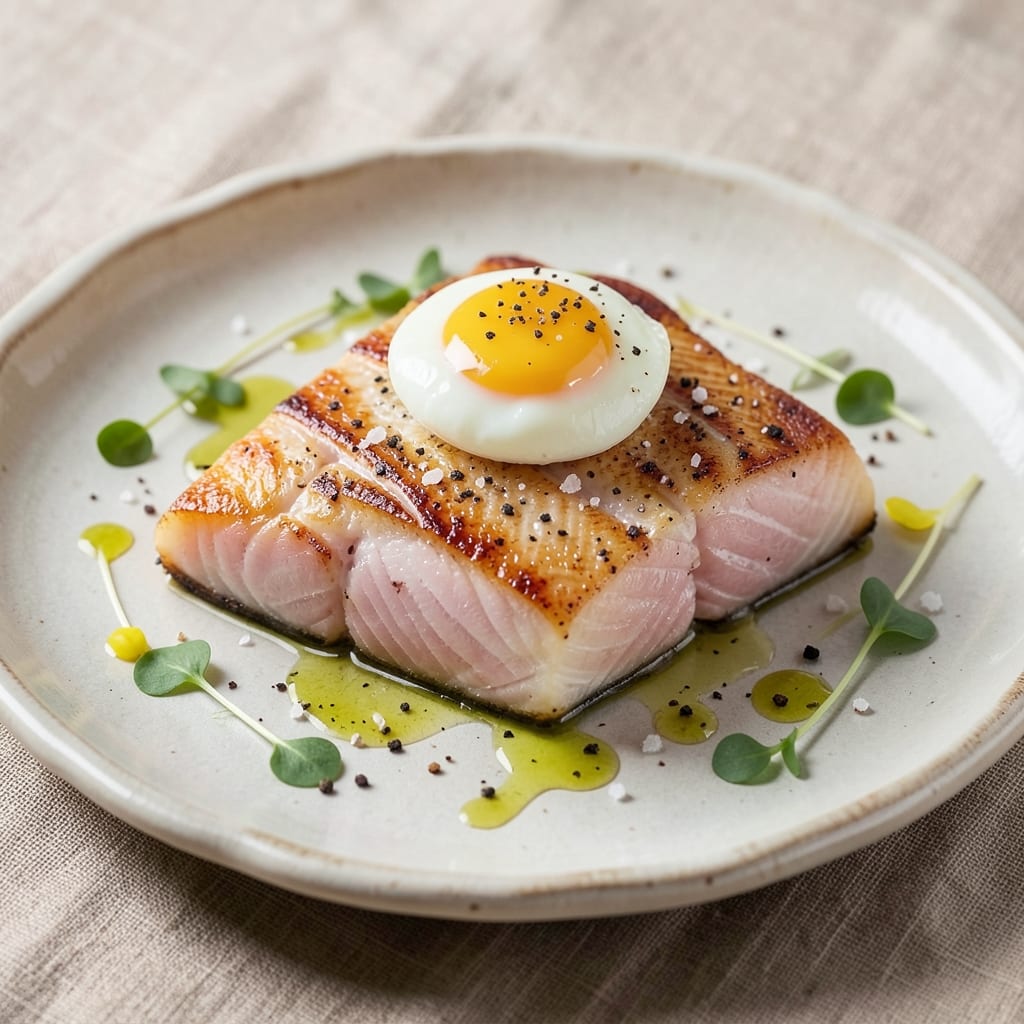
This cod and poached egg recipe transforms a simple breakfast into a restaurant-worthy dish with crispy pan-seared fish and perfectly set yolks that create golden rivers when cut. The technique balances tender cod with silky eggs, creating a harmonious bite that's both elegant and satisfying. I've perfected this dish over years of testing, ensuring every element comes together flawlessly.
The secret lies in proper seasoning and timing—cod must be seared just until golden, then rested to lock in juices, while eggs require gentle poaching to achieve that creamy, runny center. This isn't just breakfast; it's a foolproof method for achieving restaurant-quality results at home, where the crispy crust meets the velvety yolk in perfect harmony.
Pair it with toasted sourdough, roasted asparagus, or a simple arugula salad to balance the richness. The presentation is just as important as the flavors—think of the golden yolk cascading over the flaky fish, creating a visual masterpiece that's as impressive as it is delicious.
With just a few key ingredients and precise techniques, you'll master this dish in no time. The result is a meal that feels special enough for brunch but simple enough for any day of the week.
Ingredients for cod and poached egg
Precise ingredients and technique create restaurant-quality cod with velvety yolk rivers.
| Ingredient | Amount | Notes |
|---|---|---|
| Cod Fillets 🐟 | 2 whole | Skin-on, 6-8 oz each, pounded to even thickness |
| Large Eggs 🥚 | 4 whole | Fresh, cold from refrigerator for perfect poaching |
| Unsalted Butter 🧈 | 4 tbsp | European-style preferred for higher smoke point |
| Extra-Virgin Olive Oil 🫒 | 1 tbsp | For searing cod, use light variety |
| Diamond Crystal Kosher Salt 🧂 | 1 ½ tsp | Fine grain for even seasoning |
| Freshly Ground Black Pepper 🌶️ | ½ tsp | Cracked peppercorns preferred |
| White Vinegar 🍶 | 2 tbsp | For poaching liquid, use distilled |
| Water 💧 | 4 cups | Filtered preferred for clarity |
| Fresh Lemon 🍋 | 1 whole | Juiced, for finishing |
| Fresh Chives 🌿 | 2 tbsp | Finely chopped, for garnish |
| Sourdough Bread 🍞 | 4 slices | Toasted until golden |
The cod selection is critical—look for fresh, skin-on fillets with a firm texture and vibrant color. Whole Foods or local seafood markets offer the highest quality, often selling cod that's been previously frozen to ensure freshness. For home cooks, Trader Joe's carries excellent pre-portioned fillets. Avoid anything with a strong fishy odor or dull appearance. The eggs should be cold and fresh, ideally used within a week of purchase. Store them in the coldest part of your fridge to maintain peak quality. Pounding the fillets to even thickness ensures perfect, simultaneous cooking—this is non-negotiable for restaurant-quality results.
No European-style butter? Plugrá or Kerrygold work perfectly, but any high-quality unsalted butter will suffice. Substituting olive oil for searing? Use a light extra-virgin variety to avoid overpowering the delicate fish flavor. For the poaching liquid, apple cider vinegar can replace white vinegar in a 1:1 ratio. Fresh lemon juice is ideal, but bottled lemon juice (like ReaLemon) works in a pinch. The chives can be swapped for parsley or dill if unavailable, though chives provide that subtle oniony brightness that complements the dish perfectly. For those avoiding gluten, skip the sourdough and use gluten-free bread—just ensure it's toasted to achieve that same crisp texture.
Store cod fillets in the coldest part of your fridge, wrapped in parchment paper, for up to 2 days before cooking. Freshly cracked pepper loses potency quickly, so grind it just before using. The poaching liquid can be made ahead and stored in the fridge for up to 3 days, though fresh is always better. Toasted sourdough keeps well for 2 days in an airtight container. For presentation, plate the cod and eggs immediately after cooking—the golden yolk rivers lose their visual appeal within minutes. This dish reheats poorly, so plan to serve it fresh for optimal results.
Why You'll Love This Recipe
- Two-Ingredient Magic: I swear by this—just butter, olive oil, and salt. That’s it. The cod stays tender while the butter melts into a golden crust, and the poached egg? Rich, runny perfection with zero fuss.
- Weeknight Hero: Between us, this is my go-to when I’m too tired to chop veggies or measure spices. Fifteen minutes, one pan, and suddenly dinner feels like a restaurant meal. (Yes, even on a Tuesday night.)
- Leftovers That Work: The cod holds up beautifully for lunch the next day—just reheat the fillets gently and top with a fresh poached egg. Honestly, the flavor only gets better as the fish reabsorbs the buttery goodness.
- Budget Brilliance: Cod’s affordable, eggs are cheap, and butter stretches far when you’re searing. I’ll be real: this feeds four for under $15, and everyone leaves happy. No sad, expensive leftovers here.
Step-by-step instructions for crispy pan-seared cod with perfect poached eggs
Master this technique for restaurant-quality texture and presentation every time.
Prepare the Poaching Liquid and Toast the Bread
In a small saucepan, combine the 4 cups water and 2 tbsp white vinegar over medium heat until just simmering. Keep this at a gentle simmer - not a rolling boil - as we'll use it shortly. The vinegar helps coagulate the egg whites for cleaner poaching.
While the liquid heats, toast the 4 slices sourdough bread in a dry skillet over medium heat for 2-3 minutes per side until golden brown with crisp edges. This creates the perfect vessel for soaking up the rich cod and egg flavors. Set aside on a wire rack to cool slightly.
Season and Sear the Cod Fillets
Pat the 2 whole cod fillets completely dry with paper towels - moisture is the enemy of crispy skin. Season both sides generously with 1.5 tsp kosher salt and 0.5 tsp black pepper, pressing the seasoning into the flesh. Let them sit at room temperature for 10 minutes while you prepare the pan.
Heat a large skillet over medium-high heat until very hot. Add 1 tbsp extra-virgin olive oil and 2 tbsp unsalted butter. When the butter foams but hasn't browned, carefully place the cod fillets in the pan. Cook undisturbed for 3-4 minutes until the skin is crisp and golden brown and the flesh is opaque throughout. Flip carefully and cook for another 2-3 minutes until just cooked through. Remove to a warm plate and tent with foil.
Poach the Eggs to Perfect Doneness
Crack each of the 4 whole large eggs into a small bowl. Using a slotted spoon, gently lower one egg at a time into the simmering vinegar water. The water should be at a gentle simmer - you'll see small bubbles breaking the surface but not a rolling boil. Poach for exactly 3 minutes for perfectly set yolks with just a hint of runny center.
Using the slotted spoon, carefully lift each egg from the water and drain on a paper towel-lined plate. The whites should be completely set but the yolks should still have that beautiful, slightly wobbly center. Work quickly to keep them warm while you finish the dish.
Assemble and Finish with Lemon and Chives
Return the skillet to low heat and add the remaining 2 tbsp unsalted butter. Let it melt completely, then squeeze in the juice of the 1 whole fresh lemon (about 2 tbsp juice) and stir to combine. This bright citrus finish cuts through the richness of the cod and eggs.
To serve, place each crispy cod fillet on a toasted sourdough slice. Top with a perfectly poached egg and spoon over the lemon butter sauce. Garnish with 2 tbsp finely chopped fresh chives for a pop of color and freshness. The contrast of crispy cod, silky egg yolk, and toasted bread creates an unforgettable bite.
Pro Tips For Making Cod And Poached Egg
- CRACK EGGS 1 MINUTE EARLY: I learned this the hard way—cod moves fast, and eggs take longer than you think. Drop your eggs into ice water before you start searing the cod, then transfer them to simmering water when the pan’s ready. That way, you’re not scrambling (literally) to time two things at once.
- PAT THE COD DRY LIKE IT’S YOUR JOB: Skip the paper towels—grab a clean kitchen towel and press firmly on both sides of the fillet. Wet cod steams instead of searing, and you’ll end up with sad, gray fish instead of crisp edges. Do this right after thawing or pulling from the fridge.
- USE A THIN SKIMMER, NOT A SLOTTED SPOON: I used to struggle with poached eggs sticking to my spoon, ruining the whole plate. A thin, flexible skimmer (like the ones for dumplings) glides under the egg cleanly—no tugging, no broken whites. Rinse it in hot water between uses, and it’ll work like a dream.
- SALT THE WATER LESS THAN YOU WANT: Diamond Crystal kosher salt dissolves differently than table salt—too much in your poaching water makes the whites tough. Use half the amount you’d normally add to pasta water (about 1 teaspoon per quart), then adjust the cod’s seasoning separately. Trust me, your egg will thank you.
Serving suggestions for this dish
Classic Brunch Sides
Toasted sourdough bread is my go-to base—its crisp edges soak up the rich lemon butter while the soft interior balances the cod's firm texture. For a lighter option, try roasted asparagus tossed with 1 tbsp olive oil, ½ tsp salt, and a pinch of black pepper, roasted at 400°F for 12 minutes. The bright green color contrasts beautifully with the golden cod and eggs. 🥗
Another favorite is a simple arugula salad with 2 tbsp lemon juice, 1 tbsp olive oil, and a pinch of flaky sea salt. The peppery greens cut through the richness, while the lemon ties back to the dish's finishing touch. Keep it minimal—this isn't about competing with the star, just complementing it.
Elevated Garnishes
Fresh chives are my standard garnish—their mild onion flavor brightens the plate without overpowering. For extra flair, add microgreens or edible flowers like nasturtiums for a pop of color. A sprinkle of smoked paprika or crushed red pepper flakes adds subtle heat, while toasted sesame seeds bring an Asian-inspired twist that pairs surprisingly well. 🌿
Don’t overlook the power of citrus zest—a few grates of lemon or orange zest on the plate adds aromatic depth. For a luxurious touch, drizzle homemade hollandaise alongside the lemon butter, letting guests choose their preferred sauce. The contrast of rich and bright makes every bite feel special.
Seasonal Vegetable Swaps
Spring calls for sugar snap peas or fava beans, lightly blanched and tossed with mint and lemon. In summer, grilled zucchini with balsamic glaze adds a smoky contrast. For fall, roasted Brussels sprouts with pecans and maple glaze bring sweetness and crunch. Winter? Butternut squash purée with a swirl of crème fraîche adds warmth and creaminess. 🍂
Each season’s produce should guide your side choices—fresh, vibrant ingredients elevate the dish while keeping it light. The key is balance: if your main is rich (like cod with butter), lean into bright, crisp, or tangy sides to refresh the palate.
Beverage Pairings
A crisp Sauvignon Blanc from New Zealand—like Oyster Bay—cuts through the richness with its citrus notes. For a lighter option, sparkling water with lemon keeps it refreshing. If you prefer beer, a Belgian witbier (like Stella Artois Wit) offers a citrusy, effervescent contrast. 🍷
Avoid heavy reds or sweet wines—they’ll clash with the dish’s brightness. Instead, opt for something that enhances the lemon and fresh herbs, like a dry Riesling or even a gin and tonic with a twist of lemon. The goal is to complement, not compete.
Nutrition facts
Frequently asked questions
Can I use frozen cod for this recipe?
Yes, but thaw it properly first! Place frozen cod fillets in a sealed bag submerged in cold water for 30 minutes per inch of thickness. Never thaw at room temperature—this causes uneven cooking. Pat completely dry before seasoning to ensure crispy skin.
How do I fix rubbery cod?
Overcooking is the usual culprit. Cod should reach 145°F internally and have just-opaque flesh when done. Remove it from heat 5°F below target, then let it rest 5 minutes under foil to redistribute juices. Also, never skip the 10-minute room temp before cooking—cold fish cooks unevenly.
Can I poach eggs ahead of time?
Poached eggs are best served immediately, but you can prep them 1 hour ahead if needed. Store in an ice bath to slow cooking, then reheat in 160°F water for 10 seconds before serving. For plating, keep them warm in a 200°F oven on a wire rack while you finish the cod.
What's the best way to reheat leftovers?
This dish reheats poorly due to the poached eggs, but you can gently warm cod portions in a 350°F oven for 5-6 minutes with a splash of water in the pan. For eggs, poach fresh ones and plate alongside. If reheating, focus on the cod and serve with fresh poached eggs—this maintains the dish's quality.
How do I make this vegetarian?
Swap cod for extra-firm tofu or mushroom risotto as the base. For texture, use king oyster mushrooms sliced lengthwise to mimic fish fillets. Poach the eggs separately and plate over the vegetarian alternative with the same lemon butter sauce. The technique remains identical—just the protein changes!