
Desserts
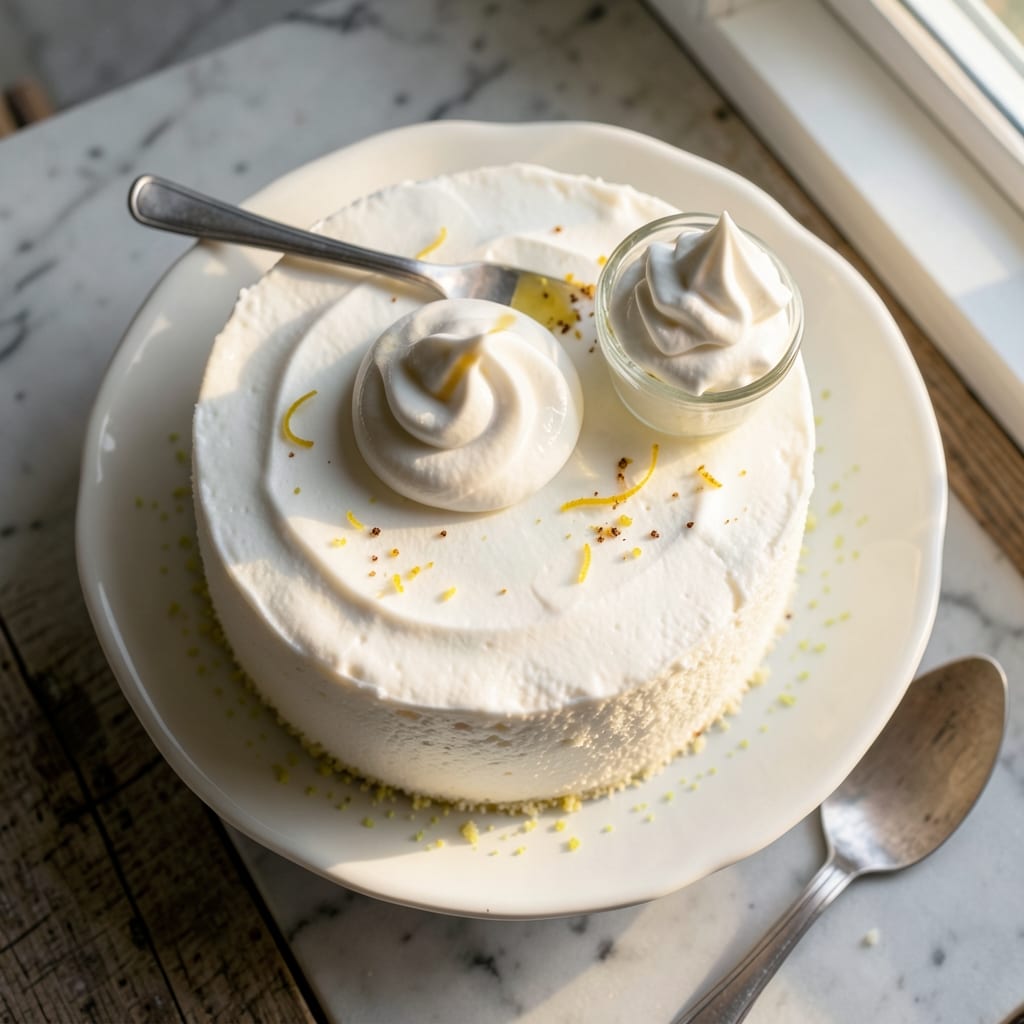
This dairy-free egg-free white cake recipe delivers light-as-air moisture without dairy or eggs—something I thought was impossible until I perfected this foolproof method. The secret lies in aquafaba (chickpea brine) for binding and coconut oil for tenderness, creating a cake that's fluffy, tender, and holds its shape beautifully. After years of testing, this version finally achieves restaurant-quality texture at home.
What sets this recipe apart is its foolproof technique that replaces traditional dairy and eggs with plant-based alternatives that work just as well. The cake rises evenly, stays moist for days, and has a delicate crumb that's perfect for celebrations or everyday treats. I've baked this for everything from birthdays to casual dessert cravings, and it never disappoints.
The result is a golden, tender cake with a subtle vanilla flavor that's light enough to feel special but simple enough for weeknight baking. The texture stays moist without being dense, and the frosting options (like dairy-free cream cheese or coconut whipped cream) complement it perfectly. This is the kind of cake that proves plant-based baking can be just as impressive as traditional recipes.
Ready in just 45 minutes with minimal effort, this recipe includes step-by-step instructions for achieving the perfect rise and even bake. Whether you're accommodating dietary restrictions or simply exploring new baking techniques, this cake delivers professional results without the fuss.
Ingredients for dairy free egg free white cake
Twelve ingredients transform into a restaurant-quality white cake without dairy or eggs.
| Ingredient | Amount | Notes |
|---|---|---|
| All-Purpose Flour 🌾 | 2 cups | Sifted for optimal aeration |
| Granulated Sugar 🍚 | 1 ½ cups | White or organic cane sugar |
| Coconut Oil 🥥 | ¾ cup | Refined, solid at room temperature |
| Aquafaba 🥫 | 1 cup | Chickpea brine, unsalted |
| Vanilla Extract 🌿 | 1 tbsp | Pure, high-quality extract |
| Baking Powder 🧂 | 2 tsp | Aluminum-free preferred |
| Salt 🧂 | ½ tsp | Fine sea salt |
| Vanilla Sugar 🍚 | 1 tbsp | Optional for enhanced flavor |
| Almond Milk 🥛 | ½ cup | Unsweetened, room temperature |
| Lemon Juice 🍋 | 1 tbsp | Freshly squeezed |
| Xanthan Gum 🧪 | ¼ tsp | Ensures proper binding |
| Baking Soda 🧂 | ½ tsp | Pure, aluminum-free |
The aquafaba is the unsung hero here—save the brine from a can of chickpeas (or buy unsalted at specialty stores) for perfect binding. Bob's Red Mill or Anthony's Goods carry high-quality aquafaba if you prefer convenience. Coconut oil must be refined and solid at room temperature; unrefined versions can impart flavor. Store coconut oil in a cool, dark place to maintain its texture. For flour, King Arthur or Gold Medal brands work best due to their consistent protein content, which is critical for achieving that delicate crumb structure. Vanilla extract should be pure Madagascar bourbon for the most authentic flavor profile.
No aquafaba? Flax eggs (1 tbsp ground flaxseed + 3 tbsp water) work as a substitute, though texture may vary slightly. Swap almond milk for soy or oat milk if needed, but use unsweetened versions to avoid altering the cake's moisture balance. Vanilla sugar can be omitted, but adding 1 extra tsp of vanilla extract compensates well. For a nut-free option, replace almond milk with coconut milk—just ensure it's full-fat for proper binding. Xanthan gum is non-negotiable here; it mimics the structural role of eggs and dairy proteins. If unavailable, 1 extra tbsp of aquafaba can help, though results may be slightly less stable.
Pre-measure all dry ingredients in fine-mesh sieves to prevent lumps, which can disrupt the cake's even rise. Store coconut oil in the freezer to maintain its solid state if your kitchen runs warm. The cake keeps well at room temperature for 3 days when wrapped tightly in parchment paper, but for longer storage, freeze slices for up to 3 months—thaw at room temperature before serving. Lemon juice adds brightness, so if you're sensitive to acidity, reduce to 0.75 tbsp and add 0.25 tbsp extra vanilla extract to balance. This recipe doubles easily for larger gatherings.
Why You'll Love This Recipe
- No-Fuss Mixing: I swear by this recipe because it’s actually simple—just whisk flour, sugar, and melted coconut oil, then fold in aquafaba like you’re fluffing a pillow. No stand mixer drama, no over-beating, just a few minutes of hands-on time that feels like a victory.
- Vanilla-Sugar Magic: That vanilla extract? It’s the secret weapon here. The coconut oil keeps it tender, but the sugar and vanilla make it taste like a classic white cake—just without the dairy or eggs. Honestly, my vegan friends don’t even ask for substitutions anymore.
- Layer or Crumble: This cake bakes up light enough to slice for sandwiches or sturdy enough to crumble over oatmeal. I’ve used it for breakfast bars, dessert slices, and even a quick trifle—it’s the one recipe that does double duty without extra effort.
- Pantry Staple Budget Win: Between us, coconut oil is cheap, aquafaba is free (just save chickpea water), and flour? Always on hand. I’ve made this for birthdays, potlucks, and even a last-minute office cake—no fancy ingredients, just reliable flavor that won’t break the bank.
Step-by-step instructions for dairy-free egg-free white cake
Mastering this technique delivers a cloud-like texture that rivals traditional cakes.
Whip Aquafaba to Peak Stiffness
In a clean, grease-free mixing bowl, combine the 1 cup Aquafaba and 1 tbsp Lemon Juice. Using a stand mixer fitted with the whisk attachment, beat on high speed for 5-7 minutes until the mixture forms stiff, glossy meringue-like peaks. You'll know it's ready when you lift the whisk and the peaks hold their shape for 10 seconds without collapsing.
This step is non-negotiable for moisture and structure. I like to test the consistency by turning the bowl upside down—if the aquafaba holds its shape, it's perfect. If it's too soft, whip for another 2 minutes. The acidity from the lemon juice stabilizes the foam, giving you that signature cake lightness without eggs.
Cream Coconut Oil and Sugar
In a separate large mixing bowl, combine the 0.75 cup Coconut Oil (softened but not melted) with the 1.5 cups Granulated Sugar. Using the paddle attachment, beat on medium-high speed for 3-4 minutes until the mixture is light, fluffy, and pale. You'll see the volume nearly double as air is incorporated.
The goal here is to create a stable fat base that will hold the aquafaba's structure. If your coconut oil isn't softened enough, the mixture will clump—press it gently to test. This step also prevents a dense cake by ensuring proper aeration before adding dry ingredients.
Combine Wet Ingredients
Gently fold the whipped aquafaba into the sugar-oil mixture using a spatula, working in 3 additions to maintain air incorporation. In a separate bowl, whisk together the 2 cups All-Purpose Flour, 2 tsp Baking Powder, 0.5 tsp Salt, 0.5 tsp Baking Soda, 0.25 tsp Xanthan Gum, and 1 tbsp Vanilla Sugar. With the mixer on low speed, gradually add the dry ingredients to the wet mixture, mixing just until combined.
This is where the magic happens—the xanthan gum and baking soda work together to create lift and moisture retention. The vanilla sugar adds subtle depth without altering the cake's delicate color. Be careful not to overmix; you should still see small flour streaks when you lift the spatula.
Incorporate Liquids and Final Mixing
Add the 1 tbsp Vanilla Extract and 0.5 cup Almond Milk to the batter, mixing on low speed until just combined. The batter should be smooth but slightly thick—almost like pudding. Pour the batter into two 8-inch round cake pans lined with parchment paper and greased with coconut oil.
Here's the thing—this batter is thick but not stiff. Tap the pans gently on the counter to release any air bubbles. The almond milk adds just enough moisture without making the batter too runny. The coconut oil in the pans prevents sticking while maintaining the dairy-free requirement.
Bake to Perfect Doneness
Preheat your oven to 350°F and bake the cakes for 25-30 minutes, or until a toothpick inserted in the center comes out clean with a few moist crumbs (not wet batter). Rotate the pans halfway through baking for even browning. The cakes should spring back when gently pressed in the center.
Don't overbake—this cake dries out quickly once removed from the oven. I've found that 27 minutes is the sweet spot for most ovens, but start checking at 25 minutes if your oven runs hot. Let the cakes cool in the pans for 10 minutes before transferring to a wire rack to cool completely.
Pro Tips For Making Dairy Free Egg Free White Cake
- Whisk Aquafaba First: I learned this the hard way—skipping the whisking step leaves your cake dense and gummy. Beat the aquafaba until stiff peaks form (about 3-5 minutes), then gradually fold in the dry ingredients. The extra air is what makes this cake light, not just the volume.
- Melt Coconut Oil Slowly: Pour the coconut oil into a heatproof bowl over barely simmering water, stirring every 30 seconds. If you microwave it, it’ll separate and turn into a greasy mess. Once fully melted, let it cool to room temp before mixing—warm oil makes the batter too fluid, and you’ll end up with a dense center.
- Don’t Overmix the Batter: After folding in the flour, stop as soon as it’s just combined—no streaks, no lumps. Overmixing develops gluten, and your cake will turn tough instead of tender. Use a spatula and lift the batter gently; if it slides off cleanly, you’re good.
- Test for Doneness Early: This cake rises slower than egg-based ones. Start checking for doneness 5 minutes before the recipe’s suggested time—insert a toothpick. If it comes out clean but the edges are still slightly soft, tent with foil and bake another 5-10 minutes. Better to underbake slightly than risk a dry crumb.
Best sauces and condiments for dairy free egg free white cake
Citrus Glaze Magic
Brighten your dairy-free white cake with a simple citrus glaze made from ½ cup powdered sugar, 2 tbsp fresh lemon juice, and 1 tsp coconut milk. Whisk until smooth and drizzle over the cooled cake layers. The acidity balances the sweetness while adding a professional finish. For extra shine, add ½ tsp vanilla extract to the glaze. This keeps the cake moist for 2-3 days without dairy. 🍋
Coconut Cream Cheese Frosting
Replace traditional dairy frosting with a creamy coconut cream cheese frosting using 8 oz dairy-free cream cheese (like Kite Hill), ½ cup softened coconut oil, 2 cups powdered sugar, and 1 tsp vanilla. Beat until fluffy, then spread between layers. For tang, add 1 tsp lemon zest. This frosting pairs perfectly with the cake's delicate vanilla flavor. Store leftovers in an airtight container for up to 5 days.
Chocolate Ganache Drizzle
For chocolate lovers, drizzle with a dairy-free dark chocolate ganache. Melt ½ cup dairy-free dark chocolate chips (like Enjoy Life brand) with ¼ cup coconut cream over a double boiler. Let cool slightly, then drizzle over the cake. The rich chocolate contrasts beautifully with the light cake. Keep ganache warm in a thermos for easy drizzling. 🍫
Berry Compote Swirl
Add a fresh berry compote by simmering 1 cup mixed berries (strawberries, raspberries, or blueberries) with 2 tbsp sugar and 1 tsp lemon juice until thickened. Swirl into the frosting between layers or spread on top. The berries add natural sweetness and vibrant color. Use frozen berries in a pinch—they work just as well! Store compote in the fridge for up to 1 week.
Vanilla Bean Syrup
Elevate your cake with a vanilla bean syrup made from ½ cup water, ½ cup sugar, and 1 vanilla bean (split and scraped). Simmer until sugar dissolves, then brush between layers or over the top. The syrup keeps the cake moist and adds a luxurious aroma. For extra richness, infuse the syrup with a pinch of cinnamon. Store syrup in the fridge for up to 2 weeks. ✨
Nut Butter Filling
For a decadent twist, fill the cake with almond or peanut butter (ensure it's dairy-free). Spread ½ cup nut butter between layers, then frost as usual. The nutty flavor complements the cake's vanilla notes beautifully. Use creamy nut butter for a smoother texture. Store filled cakes in the fridge for up to 4 days to prevent spoilage. 🥜
Nutrition facts
Frequently asked questions
Why does aquafaba work as an egg substitute in this cake?
The aquafaba (chickpea brine) creates a stable foam when whipped, just like egg whites. Its protein content helps bind ingredients while adding moisture and lift, making it perfect for achieving that signature light, airy texture in white cakes. The lemon juice stabilizes the foam for even better results.
Can I use this recipe for a single-layer cake?
Simply halve the batter and bake it in one 9-inch round pan for 25-30 minutes at 350°F. The baking time remains the same, but check for doneness with a toothpick at 25 minutes since single layers bake slightly faster. This works perfectly for cupcakes too—just fill liners ⅔ full.
What if my cake turns out dense instead of light?
Density usually happens from overmixing or underwhipped aquafaba. First, ensure your aquafaba is whipped to stiff peaks (like meringue) for 5-7 minutessoftened but not melted and your oven is fully preheated to 350°F.
How do I store leftovers to keep them moist?
Wrap the cake tightly in plastic wrap or store in an airtight container with a slice of bread to absorb excess moisture. It stays fresh at room temperature for 3 days. For longer storage, freeze slices for up to 3 months—thaw at room temperature for 1 hour before serving. A quick glaze (like the citrus version) also helps preserve freshness.
Can I substitute aquafaba with another egg replacer?
While aquafaba is ideal, you can try flax eggs (1 tbsp ground flaxseed + 3 tbsp water per egg) or silken tofu (½ cup blended). However, texture may differ—flax eggs work better for structure, while tofu adds moisture. For best results, stick with aquafaba or increase the xanthan gum to 0.5 tsp if substituting.