
Breakfast & Brunch
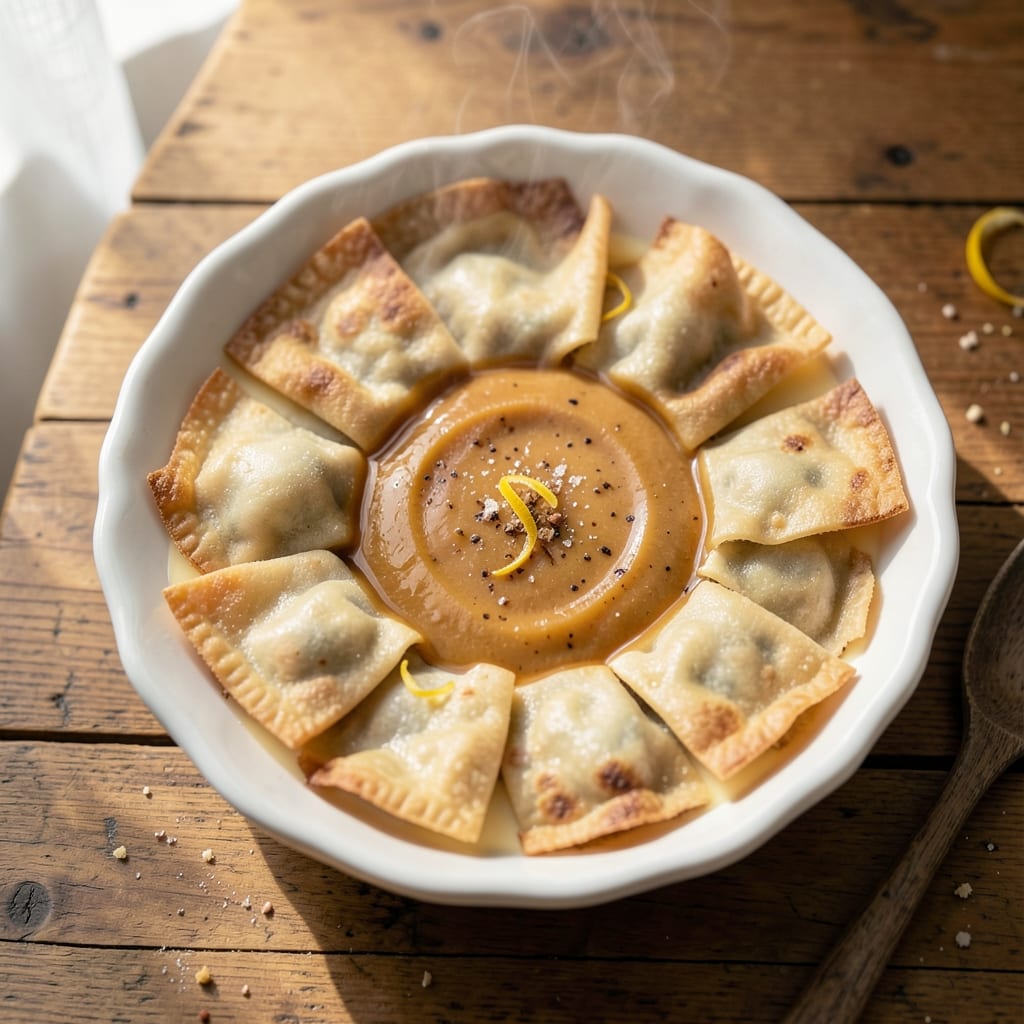
The creamy sipo egg recipe transforms simple eggs into a luxurious Filipino dessert with crispy wonton shells and silky egg rivers inside. This traditional treat starts with a delicate balance of coconut milk and eggs, slow-simmered until the custard reaches that signature creamy texture. The key lies in the gentle cooking process—never rushing the heat—to achieve the perfect consistency. What makes this recipe special is its dual texture: the crispy wonton shells provide a satisfying crunch, while the egg custard inside remains velvety smooth. The slow simmering method ensures the eggs cook evenly, creating those beautiful, wavy rivers when served. This isn’t just dessert; it’s a showstopper that pairs beautifully with a dusting of powdered sugar or a drizzle of caramel. For an extra touch of indulgence, you can infuse the coconut milk with vanilla or lightly sweeten the custard to taste. The result is a dessert that’s both elegant and comforting, perfect for special occasions or a cozy treat at home. Let’s create something truly special with this classic recipe.
Traditionally, sipo egg is served in crispy wonton wrappers, but you can also enjoy it plain if you prefer. The slow cooking process is what transforms ordinary eggs into a luxurious dessert, making every bite feel like a celebration. The crispy shells contrast perfectly with the creamy filling, creating a texture that’s impossible to resist. This recipe is all about patience and precision—allowing the eggs to cook gently so they don’t overcook or curdle. The result is a dish that’s as beautiful as it is delicious, with that signature wavy egg custard that’s both silky and rich. Whether you’re making it for a gathering or just treating yourself, this sipo egg will leave everyone asking for seconds.
Ingredients for creamy sipo egg
Eight simple ingredients transform into luxurious sipo egg with crispy shells and creamy rivers inside.
| Ingredient | Amount | Notes |
|---|---|---|
| Large Eggs 🥚 | 8 whole | Room temperature for even cooking |
| Coconut Milk 🥥 | 1 ½ cups | Full-fat for creaminess (canned preferred) |
| Granulated Sugar 🍚 | ½ cup | Adjust to taste for sweetness |
| Vanilla Extract 🌿 | 1 tsp | Pure extract for authentic flavor |
| Wonton Wrappers 🥟 | 12 pieces | Square or round, store-bought |
| Vegetable Oil 🫒 | ½ cup | For frying wonton shells |
| Salt 🧂 | ¼ tsp | Fine sea salt for seasoning |
| Powdered Sugar 🍚 | 2 tbsp | For dusting before serving |
| Caramel Sauce 🍯 | ¼ cup | Store-bought or homemade drizzle |
| Cornstarch 🌾 | 1 tbsp | For thickening custard |
The coconut milk is non-negotiable here—full-fat canned gives that signature richness. Thai Kitchen or Goya brands are reliable, but any store-bought works. Room-temperature eggs cook more evenly, so take them out 30 minutes before starting. The wonton wrappers? Square or round both work, but check the package—some are pre-steamed. For extra authenticity, look for wrappers labeled 'egg-free' if you're avoiding any potential egg residue.
No vanilla extract? Vanilla bean paste works too, or skip it entirely if you're keeping it classic. Running short on powdered sugar? Confectioners' sugar is the same thing, but if you've only got granulated, pulse it in a blender for a second. The caramel sauce can be store-bought—Ghirardelli or Trader Joe's are my go-tos. No cornstarch? Arrowroot powder works at a 1:1 ratio. And if you're feeling fancy, infuse the coconut milk with a scraped vanilla bean while it heats—worth the extra minute.
Fry the wonton shells in small batches so they don’t steam instead of crisp up. Store any leftover custard mixture in the fridge for 3 days—it reheats beautifully. The fried shells stay crispy for 2 days if kept in an airtight container. For a shortcut, fry all the shells first, then freeze them on a tray before storing in a bag. Reheat in a dry pan for 30 seconds before serving.
Why You'll Love This Recipe
- Pantry-to-Plate Magic: I swear by this one—just eggs, coconut milk, and a handful of wrappers. No chopping, no fancy prep, and the result is like a warm hug in dessert form.
- Silky-Sweet Surprise: That vanilla-infused coconut custard? It’s ridiculously good—creamy but not heavy, sweet but not cloying. The crispy wrapper edge just seals the deal every time.
- Weeknight or Special Occasion: Honestly, I make this for lazy Sundays and when company’s over. Same recipe, same effort, but it feels fancy enough for guests. (Yes, even on a Tuesday night.)
- Budget-Friendly Indulgence: A dozen wonton wrappers and a can of coconut milk stretch this into leftovers that taste just as good reheated. My wallet—and my kids—thank me for it.
Step-by-step instructions for crispy wonton shells with silky egg rivers
Here's how to make creamy sipo egg with perfectly crispy wonton shells and rich custard filling.
Prepare the Egg Custard Mixture
In a large mixing bowl, whisk together the 8 whole large eggs until no streaks remain. The yolks and whites should blend completely, creating a smooth base for our custard. I like to use a fork for this step—it helps incorporate air gently without overmixing.
Gradually add the 1.5 cups coconut milk while whisking continuously. The mixture will become noticeably thicker as the coconut milk incorporates. In a separate small bowl, combine the 0.5 cup granulated sugar, 1 tsp vanilla extract, and 0.25 tsp salt. Whisk this dry mixture until fully dissolved, then pour it into the egg-coconut milk mixture. Stir gently to combine—you want the sugar to dissolve completely without creating lumps.
Finally, sprinkle the 1 tbsp cornstarch over the mixture and fold it in with a spatula. This will give our custard that perfect silky texture. Let the mixture sit at room temperature for 10 minutes while you prepare the wonton shells. This resting time helps the flavors meld together.
Fry the Wonton Shells Until Golden
Heat 0.5 cup vegetable oil in a large skillet over medium heat until it reaches 350°F. You'll know it's ready when a small piece of wonton wrapper sizzles immediately upon contact. Line a plate with paper towels for draining.
Working in batches, carefully place 6 wonton wrappers into the hot oil. Fry for 30-40 seconds per side until they turn a beautiful golden brown color. The key here is to keep them moving gently with tongs—this ensures even cooking without burning. Remove the fried wrappers and place them on the prepared plate to drain excess oil.
Repeat with the remaining 6 wonton wrappers, maintaining the same oil temperature. If the oil temperature drops below 350°F, let it heat back up before frying the next batch. The wrappers should be crispy but not brittle—this balance is what makes our sipo egg perfect.
Assemble and Bake the Sipo Egg
Preheat your oven to 350°F. Arrange the 12 crispy wonton shells in a single layer on a baking sheet, slightly overlapping if needed. This creates a sturdy base for our custard filling.
Pour the egg custard mixture evenly over the wonton shells, spreading it out with a spatula to cover all surfaces. The custard should pool slightly in the center—this is normal and will create those beautiful egg rivers when baked. Bake for 18-22 minutes until the custard is set but still slightly jiggly in the center. You're aiming for that perfect wobble—like a soft custard rather than a firm pudding.
Here's the thing—don't overbake. The custard will continue cooking slightly as it cools. When you pull it out, the edges should be set but the center should still have a gentle tremble when you shake the baking sheet.
Serve with Caramel and Powdered Sugar
Remove the sipo egg from the oven and let it cool for 5 minutes. This resting period helps the custard set properly and makes it easier to slice. While it cools, prepare your serving plates by dusting them lightly with 2 tbsp powdered sugar—this adds that final sweet touch.
Using a sharp knife, cut the sipo egg into 4 equal squares (since we're making 4 servings). The custard should release cleanly from the crispy wonton base. Drizzle each serving generously with 0.25 cup caramel sauce—about 1 tablespoon per serving. The contrast of the warm custard with the cool caramel is what makes this dessert truly special.
Serve immediately while the custard is still warm and the wonton shells are crispy. The combination of creamy custard rivers flowing through crispy wonton shells with sweet caramel drizzle creates the perfect balance of textures and flavors in every bite.
Pro Tips For Making Creamy Sipo Egg
- Whisk Eggs Cold: Grab those eggs straight from the fridge—no room temp nonsense. Cold eggs whip up fluffier and hold their shape better when folded into the coconut milk, giving you that signature sipo egg height instead of a sad, flat pudding. Trust me, I’ve seen the difference after forgetting this step twice.
- Shake the Coconut Milk: Open that can of coconut milk and give it a good shake before measuring. The cream often separates, and you don’t want a watery filling—especially when you’re already paying for the good stuff. Pour it into a measuring cup first, then mix in the sugar and vanilla. No one likes guessing if their dessert will be rich or runny.
- Steam Don’t Boil: Your wonton wrappers will crisp up best with gentle steam, not a boiling water bath. Fill them, then place the tray in a pot with about an inch of simmering water—cover tightly and let the steam work its magic. Boiling them turns the wrappers rubbery, and we’re going for delicate, not chewy.
- Rest Before Serving: Walk away for 5 minutes after steaming. The filling needs time to set, and cutting into them too soon means a messy, soupy spill. Let them cool just slightly—your guests (and your table) will thank you. I learned this after serving a plate of collapsed sipo eggs to a very unimpressed group.
Serving suggestions for creamy sipo egg
Classic Filipino Style
Serve your creamy sipo egg just like it’s traditionally enjoyed in the Philippines—warm and straight from the oven. The contrast between the crispy wonton shells and silky egg custard is what makes this dessert special. I like to present it on a large platter with extra caramel sauce for dipping, and a small bowl of powdered sugar on the side for guests to sprinkle to taste. 🥥
Modern Plating Ideas
For a more elegant presentation, arrange each square of sipo egg on individual dessert plates. Dust with powdered sugar in a circular motion, then drizzle caramel sauce in a zigzag pattern. Add a few crushed wonton shells on the side for extra crunch. I’ve also seen creative versions with a scoop of vanilla ice cream melting slightly on top—it’s a delicious twist!
Pairing with Coffee
This rich, creamy dessert pairs beautifully with a cup of Filipino-style coffee or espresso. The bitterness of the coffee cuts through the sweetness of the caramel and custard. For a lighter option, try hot chocolate with a pinch of cinnamon. I always keep a small pot of coffee brewing when serving sipo egg—it’s a match made in dessert heaven. ☕
Garnish Variations
Want to elevate your presentation? Try topping with toasted coconut flakes for added texture, or a sprinkle of crushed pistachios for a nutty contrast. Fresh mint leaves add a refreshing touch, while a drizzle of honey complements the caramel beautifully. I like to keep it simple with just powdered sugar, but these garnishes add a fun twist!
Make-Ahead Serving
Prep ahead by frying the wonton shells and making the custard mixture the day before. Store them separately in airtight containers—wonton shells stay crispy for 2 days, and the custard keeps well in the fridge for 3 days. When ready to serve, simply assemble and bake as directed. This is perfect for dinner parties or family gatherings where you want to impress without last-minute stress. ⏰
Kids-Friendly Presentation
For little ones, cut the sipo egg into fun shapes like stars or hearts using cookie cutters. Serve with a small cup of caramel sauce for dipping—kids love the interactive element! I’ve also seen creative versions where the custard is piped into the wonton shells before baking, creating a "nest" effect that kids adore. It’s a great way to make dessert feel like playtime! 💛
Nutrition facts
Frequently asked questions
Can I make sipo egg without wonton wrappers?
Yes! If you can't find wonton wrappers, you can use phyllo dough or even crispy fried rice paper as alternatives. For a traditional Filipino touch, try using lumpia wrappers instead—they'll give a similar texture. The key is to ensure your base is sturdy enough to hold the custard while staying crispy. Just fry them until golden brown before adding the egg mixture.
Why did my custard turn grainy instead of creamy?
Graininess usually happens when the eggs cook too quickly or the mixture separates. Always whisk the eggs thoroughly first, and never let the custard boil—keep the heat at low-medium while baking. If it starts curdling, remove it from the oven immediately. For extra silkiness, temper the eggs by slowly adding warm coconut milk while whisking before combining with the full amount.
How do I store leftover sipo egg?
Store leftovers in an airtight container in the fridge for up to 2 days. The custard will firm up but can be reheated gently in the microwave (covered with a damp paper towel) for 15-20 seconds1 month—thaw and fry fresh shells when ready to serve.
Can I add other flavors to the custard? For a tropical twist, add 1 tsp pandan extract or zest of 1 lime to the coconut milk. Chocolate lovers can mix in 1 tbsp cocoa powder with the sugar. Just
Is sipo egg gluten-free?
Only if you use gluten-free wonton wrappers! Traditional wonton wrappers contain wheat, so check the package for gluten-free labels. For a completely gluten-free version, use gluten-free phyllo dough or make your own egg-free wonton wrappers with gluten-free flour. The custard mixture itself is naturally gluten-free as long as you're not using any hidden additives.