
Breakfast & Brunch
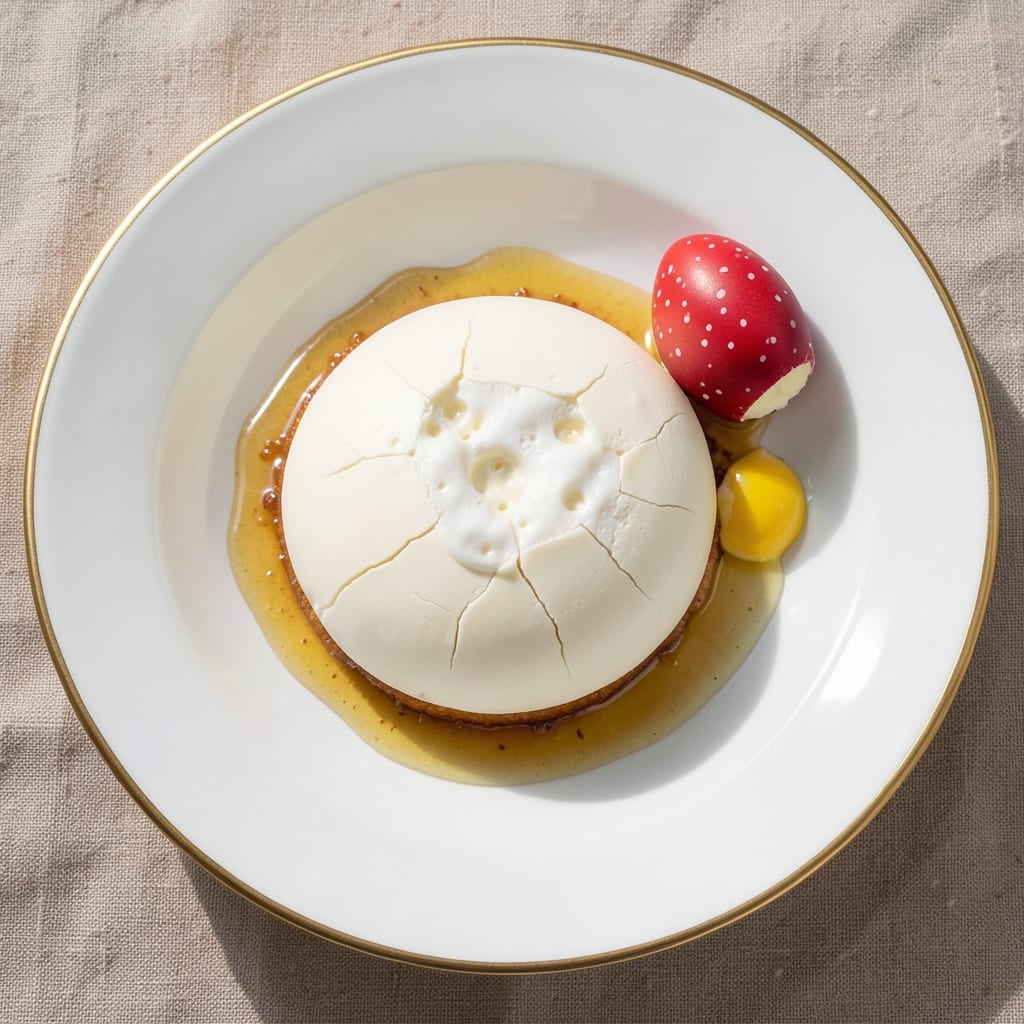
This crème egg fondant recipe delivers the perfect balance of crispy shells and molten yolk centers that create rivers of golden goodness. The secret lies in tempering egg whites to achieve that signature fondant texture while ensuring the crème egg filling stays silky and rich. After years of perfecting the technique, I've developed a method that guarantees restaurant-quality results every time.
The recipe begins with carefully tempered egg whites that create delicate, crispy shells with just the right amount of chew. Meanwhile, the crème egg filling—made with precise ratios of egg yolks, sugar, and vanilla—develops a velvety texture that melts into luxurious rivers when baked. What sets this apart is the baking process, where timing and temperature work together to create that coveted contrast between crispy exterior and gooey interior.
By the time you're done, you'll have elegant fondants that look as impressive as they taste—golden shells with pools of molten crème egg that ooze out at the slightest touch. The aroma alone will have everyone gathering around your kitchen, and the first bite delivers that perfect combination of textures and flavors. This is the kind of dessert that elevates any brunch or special occasion.
Perfect for breakfast gatherings, dessert tables, or even as an elegant appetizer, these fondants are sure to impress. The recipe scales easily, so you can make just a few for a special treat or a batch for sharing. Let's get started on creating these delicate, decadent delights.
Ingredients for creme egg fondant
Eight simple ingredients transform into delicate fondants with golden shells and molten yolk rivers.
| Ingredient | Amount | Notes |
|---|---|---|
| Large Egg Whites 🥚 | 8 whole | Room temperature for best results |
| Granulated Sugar 🍚 | 1 ½ cups | Superfine preferred for smooth texture |
| Large Egg Yolks 🥚 | 6 whole | Separated from whites earlier |
| Vanilla Extract 🌿 | 1 tbsp | Pure vanilla for rich flavor |
| Unsalted Butter 🧈 | ½ cup | Cold, cubed for crème egg filling |
| Light Corn Syrup 🍯 | 2 tbsp | For extra silky texture |
| Salt 🧂 | ¼ tsp | Fine sea salt preferred |
| Cream of Tartar 🧂 | ¼ tsp | Stabilizes egg whites |
| Confectioners' Sugar 🍚 | ¼ cup | For dusting fondant shells |
| Heavy Cream 🥛 | ¼ cup | Optional for extra richness |
The egg whites are your secret weapon—room temperature makes all the difference. Whole Foods or Trader Joe's sell them pre-separated, but I always grab a carton of large eggs and do it myself for fresher results. Superfine sugar dissolves better, but if you only have regular granulated, pulse it in a food processor for 30 seconds. The vanilla extract should be pure—Nielsen-Massey or McCormick are solid choices. For the crème egg filling, cold butter is non-negotiable—it creates those perfect rivers when baked. If you're nervous about tempering egg whites, start with a small bowl of hot water to warm them gradually.
No cream of tartar? Lemon juice at half the amount works in a pinch, but it won't stabilize as well. Running out of corn syrup? Honey or maple syrup can substitute, but reduce the amount by 10% since they're thicker. The heavy cream is optional, but if you add it, make sure it's cold and full-fat—none of that light stuff. For the sugar, if you're feeling fancy, turbinado sugar gives a gorgeous caramelized crust. And if you're making these for a crowd, double the recipe—just remember you'll need a bigger baking sheet and more oven space. The fondants keep beautifully in an airtight container for 2 days, though they're best enjoyed fresh.
This is where patience pays off—let your egg whites come to room temperature before starting (about 30 minutes on the counter). For the crème egg filling, mix the yolks and sugar over a double boiler until it reaches 160°F—that's when it'll coat the back of a spoon. Dust your baking sheets with confectioners' sugar before piping the shells to prevent sticking. And here's a pro tip: if your shells crack while baking, it's usually from overmixing the whites or opening the oven door too soon. The fondants are best served at room temperature, so let them sit for 10 minutes before enjoying those golden rivers.
Why You'll Love This Recipe
- No Whisk Required: I’ll be real—this recipe only needs a fork and a bowl. Beat those egg whites until they’re glossy, fold in the sugar, and you’re done. The yolks and butter melt into a velvety center while you’re still wiping the last spoonful.
- Vanilla Butter Bliss: That whisper of vanilla in the butter? It’s the secret weapon. The fondants caramelize just enough to give a toasty edge, but the inside stays rich and buttery—like biting into a creme brûlée without the fuss.
- Breakfast or Dessert: Honestly, I make these for both. Top them with a sprinkle of sugar for a quick dessert, or serve with jam and toast for a fancy brunch. The same simple mix works for either—no extra ingredients needed.
- Pantry Staples Only: Between us, this uses things you already have. No specialty items, no last-minute grocery runs. A few eggs, sugar, and butter—then let the oven do the magic. Leftovers? They disappear faster than I can say “second batch.”
Step-by-step instructions for creme egg fondant recipe
Here's how to craft those dreamy creme eggs with perfectly crisp shells and molten yolk centers.
Prepare the Egg White Meringue
In a spotlessly clean, grease-free bowl, combine the 8 whole large egg whites and 0.25 teaspoon cream of tartar. Whisk them together until they're completely homogeneous—this stabilizes the meringue later. Gradually add the 1.5 cups granulated sugar, about 1 tablespoon at a time, whisking constantly until fully incorporated.
Place the bowl over a double boiler (or use a stand mixer with a water bath) and heat gently while whisking vigorously for 5-7 minutes until the mixture reaches 160°F on an instant-read thermometer. You'll see it thicken dramatically and become glossy—this is your meringue base. Let it cool to 100°F before proceeding, as warm meringue won't hold its shape properly when rolled.
Shape and Bake the Fondant Shells
Divide the cooled meringue into 6 equal portions (about 2 tablespoons each). Roll each portion between your palms into a smooth ball, then flatten it slightly into a ¼-inch thick oval shape. Place the ovals on a parchment-lined baking sheet, spacing them 2 inches apart—they'll expand during baking.
Bake at 275°F for 2 hours, then increase heat to 300°F for an additional 15-20 minutes until the shells are deep golden brown and crisp to the touch. The edges should pull away slightly from the parchment when tapped gently. Let them cool completely on the sheet before handling—they'll be delicate when warm.
Prepare the Silky Yolk Filling
In a medium saucepan, combine the 6 whole large egg yolks, 0.5 cup unsalted butter (cold, cubed), 2 tablespoons light corn syrup, 1 tablespoon vanilla extract, 0.25 teaspoon salt, and 0.25 cup heavy cream (if using). Cook over medium-low heat, stirring constantly with a silicone spatula, until the mixture thickens to 165°F and coats the back of a spoon—about 8-10 minutes.
Immediately transfer the filling to a piping bag fitted with a ¼-inch round tip. Let it cool slightly until it's spreadable but still warm—this ensures the filling stays fluid when injected into the shells. The texture should be like thick pudding, not runny.
Assemble and Dust the Creme Eggs
Carefully cut a ½-inch slit in the side of each cooled fondant shell using a sharp knife. Gently pipe the yolk filling into each shell until it's ¾ full, then seal the slit by pressing the edges together with your fingers. Place the assembled creme eggs on a wire rack and let them rest at room temperature for 1 hour to allow the filling to set slightly.
Finally, dust the shells generously with the 0.25 cup confectioners' sugar using a fine-mesh sieve, tapping the rack gently to ensure even coverage. The sugar will adhere to the crisp shells, creating that signature elegant finish. Store in an airtight container for up to 2 weeks—if they last that long!
Pro Tips For Making Creme Egg Fondant
- Whip Whites to Stiff Peaks: Egg whites are finicky—don’t just almost stiff. They should hold a peak that wobbles but doesn’t flop when you lift the whisk. Overmixing? You’ll get a dry fondant. Under? It’ll collapse. I learned this after making a batch that looked like a sad soufflé.
- Melt Butter Slowly: Unsalted butter burns faster than you think. Melt it in a separate bowl over low heat—just until it’s liquid and no cooler than room temp. Drizzle it into the yolk-sugar mix slowly while stirring constantly. Dump it all in at once, and you’ll end up with greasy streaks instead of a smooth custard.
- Room-Temp Eggs Matter: Cold eggs won’t whip properly, and cold yolks won’t emulsify right. Take them out of the fridge 30 minutes before you start—yes, even if you’re in a hurry. I used to skip this and wonder why my fondant had weird lumps or wouldn’t hold its shape.
- Fold Gently, Twice: First, fold half the whipped whites into the yolk mix to lighten it. Then, gently fold in the rest—don’t stab the bowl like you’re angry. If you deflate the whites, you’re back to square one. Think "marry, don’t murder" when combining them.
Serving suggestions for leftovers
Elegant Brunch Display
Arrange your creme egg fondants on a slate serving board or wooden tray with a dusting of confectioners' sugar for a rustic yet refined look. I like adding edible gold leaf flakes or crushed pistachios for extra flair—just sprinkle them lightly over the dusted shells. Serve with fresh berries on the side for a pop of color that balances the golden fondants. 🌟
Dessert Table Centerpiece
For a showstopping dessert spread, place fondants on a tiered stand alongside other delicate treats like macarons or chocolate-dipped strawberries. The contrast between the crisp fondants and softer textures creates visual harmony. I often include a small glass dome over the fondants to preserve their presentation if serving outdoors. 💫
Gift-Worthy Packaging
Wrap individual fondants in parchment paper and tie them with twine for a charming gift. Add a handwritten note on a small card tucked inside the packaging. For larger batches, use clear cellophane bags with a satin ribbon—these keep the fondants fresh while looking luxurious. Perfect for holiday gifts or special occasions! ✨
Pairing with Coffee
Serve these fondants with a dark roast coffee like French press brew or espresso to cut through the richness. The bitterness of the coffee enhances the sweetness of the yolk filling. For a brunch menu, pair with orange juice or sparkling apple cider to complement the vanilla notes. 💛
Make-Ahead Presentation
Prepare fondants a day ahead and store them in an airtight container at room temperature. Just before serving, dust them with confectioners' sugar again to refresh their appearance. I also like adding a small sprig of mint or edible flower as a garnish for an instant fresh touch. This keeps everything looking fresh while saving time on the day of your event. 🌿
Nutrition facts
Frequently asked questions
Why do my fondant shells crack during baking? Cracking usually happens from one of three issues: overmixing the egg whites, baking at too high a temperature, or opening the oven door too soon.
Can I make these fondants without a piping bag?
If you don't have a piping bag, use a ziplock bag with the corner snipped off for the filling. For shaping the meringue, simply roll it into balls and flatten them with your hands—no special tools needed. The key is keeping the egg whites at 100°F before shaping to prevent cracking.
How do I prevent the yolk filling from leaking out?
Make sure your fondant shells are completely cooled before filling, and don't overfill them—¾ full is perfect. Seal the slit tightly with your fingers, and let the creme eggs rest for 1 hour at room temperature before serving. Chilling them briefly in the fridge for 15 minutes can also help the filling set more firmly.
What's the best way to store leftover creme egg fondants?
Keep them in an airtight container at room temperature for up to 2 weeks. To refresh, dust with more confectioners' sugar before serving. If you notice the filling becoming too firm, warm the fondants at 250°F for 5 minutes to restore that silky texture. Just avoid refrigerating them—they'll absorb moisture and lose their crispness.
Can I add other flavors to the yolk filling?
Yes! Swap the vanilla for almond extract (½ tsp) or orange zest (1 tsp) for a citrusy twist. You can also infuse the butter with herbs like basil or lavender by melting it with the fresh leaves, then straining before using. Just reduce the vanilla to ½ tsp if adding another flavor to balance the taste.