
Breakfast & Brunch
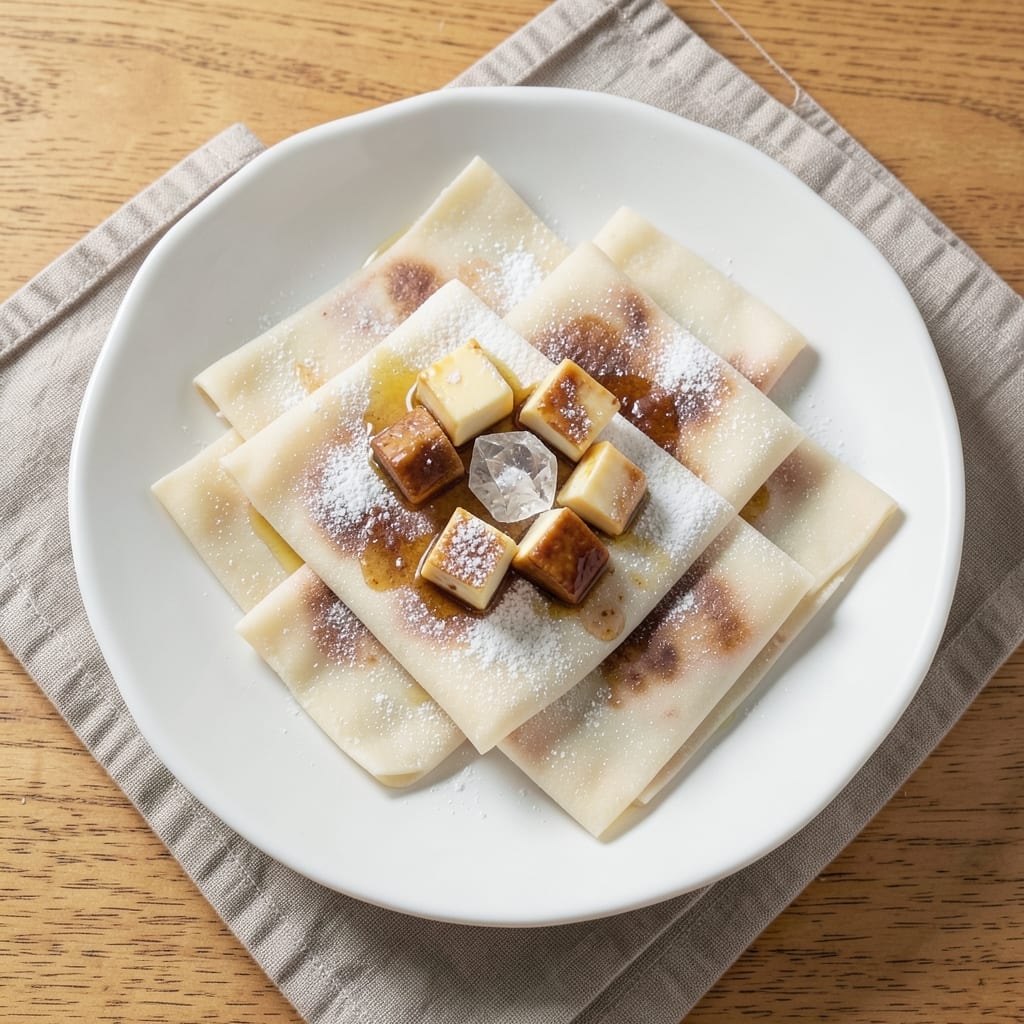
This Chinese egg roll dough recipe delivers flaky, golden layers without the traditional rolling hassle—perfect for crispy egg rolls that rival takeout. The secret lies in a precise blend of flour, fat, and ice water that creates tender yet sturdy dough, ready for your favorite fillings. I’ve perfected this method after countless batches, ensuring consistent results every time.
The dough’s magic comes from a cold mixing technique that prevents gluten overdevelopment, keeping the layers delicate yet strong enough to hold fillings without tearing. Unlike many recipes, this version skips the labor-intensive rolling step, using a simple folding method that creates those signature flaky pleats. With just 30 minutes of active prep and 1 hour of resting time, you’ll have dough ready for frying or baking.
What you’ll end up with is a batch of crispy, golden egg rolls that stay tender inside while developing a satisfying crunch. The dough’s versatility means you can use it for classic pork and shrimp fillings or experiment with vegetarian options like mushrooms and tofu. Whether you’re making traditional egg rolls or creative wraps, this recipe delivers professional-quality results at home.
Pair the dough with a light soy-vinegar dipping sauce or sweet chili sauce for the full experience. The key to success is patience—letting the dough rest fully ensures maximum flakiness and prevents shrinking during cooking. Ready to master egg roll perfection? Let’s get started.
Ingredients for chinese egg roll dough
Seven simple ingredients transform into perfect egg roll dough with crispy, golden layers every time.
| Ingredient | Amount | Notes |
|---|---|---|
| All-Purpose Flour 🌾 | 2 cups | Sifted for light texture |
| Unsalted Butter 🧈 | ½ cup | Cold, cubed for flakiness |
| Ice Water 💧 | ½ cup | Chilled, for tender layers |
| Diamond Crystal Kosher Salt 🧂 | ½ tsp | Fine grain preferred |
| Vegetable Oil 🫒 | 1 tbsp | For dough handling |
| Cornstarch 🌾 | 1 tbsp | Prevents sticking |
| Sesame Oil 🫒 | 1 tsp | For subtle aroma |
The flour is non-negotiable here—King Arthur or Gold Medal work best for that tender yet sturdy texture. Butter matters too: use cold, cubed butter (not melted) for maximum flakiness. I always grab European-style butter at Whole Foods—higher fat content makes a difference. The ice water might sound odd, but it's crucial for preventing gluten overdevelopment. If you're in a pinch, use very cold tap water from the fridge. For the sesame oil, Kadoya brand has the richest flavor, but any good-quality sesame oil works.
No ice water? Cold sparkling water works in a bind—the bubbles add a nice lift. Running short on butter? Lard or shortening can substitute, though the flavor won't be identical. The cornstarch is optional but worth it—it prevents sticking when handling the dough. If you're making vegetarian egg rolls, skip the sesame oil or use a neutral oil like avocado instead. For the salt, Diamond Crystal is key—Morton's has larger crystals that measure differently. Pro tip: Use a digital scale for precise measurements—this dough is fussy about ratios.
This dough needs patience—rest it for at least 1 hour before using. Wrap tightly in plastic wrap and refrigerate. Keeps for up to 3 days in the fridge, or 3 months frozen between parchment layers. For freezing, portion into single-serving discs before wrapping. Thaw overnight in the fridge before using. The dough doubles as a great make-ahead project—perfect for busy weekends when you're craving takeout flavors without the hassle.
Why You'll Love This Recipe
- No-Knead Magic: Honestly, the dough comes together in five minutes—just mix, rest, roll. That cold butter and ice water combo keeps it tender without any fuss, and no one’s judging if your hands get a little floury.
- Butter-Kissed Crisp: The moment you fry it, that golden edge with the flaky, buttery center? Ridiculously good. It’s like a hug from a wok—simple ingredients, but the butter makes it feel special.
- Fill-It, Freeze-It: Between us, this dough is my secret weapon for lazy nights. Stuff it with whatever’s in the fridge (leftover roast pork? Sure), freeze extras, and boom—homemade egg rolls anytime without the last-minute panic.
- Pantry Goldmine: All-purpose flour, butter, salt—ingredients you already own. No specialty items, no extra trips to the store. And since it keeps for days, you’ll use it before it goes bad (or at least, that’s the plan).
Step-by-step instructions for Chinese egg roll dough
Here's how to create restaurant-quality egg roll dough with perfect flakiness—no rolling pin required.
Prepare the Butter and Flour Mixture
Cut the 0.5 cup unsalted butter into ¼-inch cubes and place them in a large mixing bowl. I like to use my fingers to break the butter into even pieces—this ensures consistent flakiness later. Sprinkle the 2 cups all-purpose flour and 0.5 tsp diamond crystal kosher salt over the butter cubes. Use your fingers to gently toss everything together until the butter is lightly coated with flour.
This step is crucial because the butter needs to be evenly distributed throughout the flour. If you skip this, you'll end up with pockets of butter that don't melt evenly during baking, resulting in uneven flakiness. Work quickly but carefully—you want the butter to stay cold and firm for the next step.
Incorporate Ice Water and Cornstarch
In a separate small bowl, combine the 0.5 cup ice water and 1 tbsp cornstarch. The cornstarch acts as a stabilizer, preventing the dough from becoming too sticky. Add this mixture to the flour-butter combination, 1 tablespoon at a time, using a fork to gently stir after each addition. You'll need to use your hands to bring everything together into a shaggy dough.
Here's the thing—you're not trying to fully develop gluten here. The goal is to create a rough dough that's just cohesive enough to handle. If the dough feels too dry, add another ½ teaspoon of ice water at a time until it comes together. The dough should be cool to the touch and slightly crumbly—this is exactly what you want for that signature flaky texture.
Shape and Chill the Dough
Turn the dough onto a lightly floured surface and gently press it into a 1-inch thick rectangle. I find that using a bench scraper helps create clean edges. Fold the dough in thirds like a letter, then rotate it 90 degrees and fold it in thirds again. This creates multiple thin layers that will separate beautifully during cooking.
Wrap the folded dough tightly in plastic wrap and refrigerate for at least 1 hour (up to 24 hours). This chilling step is non-negotiable—it firms up the butter and allows the gluten to relax, making the dough much easier to work with later. The longer it chills, the more pronounced your flaky layers will be, so don't rush this step.
Roll and Cut the Dough
Remove the dough from the refrigerator and let it sit at room temperature for 5-10 minutes to soften slightly. Place it between two sheets of parchment paper and use a rolling pin to gently press it into a ⅛-inch thick rectangle. The key here is to apply even pressure—don't roll too hard or you'll squeeze out the butter and lose that flaky magic.
Use a sharp knife or pizza cutter to cut the dough into 3-inch squares. You should get about 16 squares from this dough. The squares should be perfectly uniform in size—this ensures even cooking. If you notice any cracks or tears, simply press the edges together gently. The dough is delicate at this stage, so handle it with care.
Prevent Sticking with Sesame Oil
Lightly brush each square with 1 tsp sesame oil using a pastry brush. This not only adds that authentic flavor but also creates a subtle barrier that prevents the dough from sticking to itself when you fill and fold them later. I like to work in batches—brush one side of all the squares, then flip them and brush the other side.
Now your dough is ready for filling and rolling. The sesame oil will give your egg rolls that subtle, aromatic quality that sets them apart from basic versions. If you're not using the dough immediately, you can store the brushed squares between layers of parchment paper in the refrigerator for up to 24 hours—just remember to brush them with oil again before using.
Pro Tips For Making Chinese Egg Roll Dough
- CHILL THE BUTTER FIRST: Take that cold butter straight from the fridge—no thawing, no softening—just cut it into small cubes. I used to skip this and ended up with dough that fought me every roll, no matter how much flour I added. Cold butter creates flaky layers that actually matter when you fry these later.
- WEIGH THE FLOUR: Scoop that flour into a kitchen scale instead of guessing with cups. A 5% mismeasure throws off the balance between tenderness and structure, and you’ll either get dough that’s too sticky or too dry. I learned this after making three batches that either stuck to my hands or cracked like brittle paper.
- WORK FAST WITH ICE WATER: Keep a bowl of ice water right next to your mixing bowl—you’ll need it. The moment the dough starts to feel too warm or sticky, add 1 tablespoon at a time until it pulls away cleanly. I was skeptical at first, but now I never let the dough get ahead of me.
- REST THE DOUGH TWICE: Give it a 30-minute rest after mixing, then another 20 minutes before rolling. This isn’t just about convenience—it’s what makes the gluten relax enough to roll out smoothly without tearing. I skipped the second rest once and spent 10 minutes wrestling with dough that kept shrinking back on itself.
Regional styles of chinese egg roll dough
Northern Chinese Style
In Northern China, egg roll dough often incorporates lard instead of butter for a richer, more stable fat that withstands high-frying temperatures. I’ve made this version using ½ cup lard (or a mix of butter and lard) for a crispier exterior while keeping the interior tender. The dough is typically rolled slightly thicker—about ⅛-inch to ¼-inch—to handle heartier fillings like minced pork, cabbage, and wood ear mushrooms. The key difference is the folding technique: Northern-style dough is folded into long, narrow rectangles before cutting into strips, creating those iconic pleated edges. 🌟
Southern Chinese Adaptation
Southern Chinese egg roll dough leans lighter, often using less fat (sometimes just ¼ cup butter) and more rice flour (about ¼ cup) blended with all-purpose flour. This creates a delicate, almost translucent texture that’s perfect for steamed or baked egg rolls. I’ve experimented with adding 1 tsp baking powder to the dough for extra lift, which works beautifully for shrimp and scallion fillings. The dough is rolled thinner (⅛-inch or less) and cut into smaller circles for bite-sized rolls. Garnish with toasted sesame seeds before cooking for a nutty crunch. ✨
Cantonese Specialty
Cantonese egg roll dough sometimes includes a touch of tapioca starch (about 1 tbsp) to prevent sticking and add chewiness. This version is rolled extremely thin—almost like a crepe—and filled with shrimp, pork, and glass noodles. The secret here is double-folding: after the initial letter fold, the dough is rolled again in the opposite direction to create multiple thin layers. For authenticity, brush the dough with a mix of sesame oil and Shaoxing wine (1 tsp each) before filling. These egg rolls are traditionally steamed or pan-fried rather than deep-fried. 💫
Modern Fusion Twist
For a contemporary take, try a whole wheat adaptation by replacing ½ cup all-purpose flour with whole wheat flour. The dough will be denser, so add 1 extra tbsp ice water and reduce the resting time to 45 minutes to prevent toughness. Pair with fillings like spicy tofu, kimchi, and carrot for a Korean-Chinese fusion. Another fun variation: add 1 tsp grated ginger to the dough for a zesty kick. These fusion egg rolls work beautifully baked at 375°F for 15-20 minutes with a sprinkle of chili crisp on top. 🔥
Nutrition facts
Frequently asked questions
Can I substitute butter with another fat in this egg roll dough?
Yes! For a crispier texture, use lard (½ cup) or shortening instead of butter. If you prefer a lighter option, try coconut oil (chilled) or avocado oil—just reduce to ¼ cup to maintain flakiness. For a Southern-style dough, some recipes use ½ cup butter + ¼ cup rice flour for a delicate texture.
Why does my dough turn out tough instead of flaky?
Overworking the dough or skipping the 1-hour rest creates tough gluten. Keep butter cold, handle gently, and avoid rolling too thin. If the dough feels sticky, add 1 tsp cornstarch instead of extra water. For extra flakiness, fold the dough 3 times (not just once) during chilling.
How do I store leftover egg roll dough?
Wrap tightly in plastic and refrigerate for up to 3 days. For longer storage, freeze between parchment layers for 3 months. Thaw overnight in the fridge—never at room temperature. Brush with sesame oil again before using to prevent sticking.
Can I make this dough without a rolling pin?
Use a bottle or wine glass to press the dough evenly. For extra thickness, fold the dough 3 times before cutting into strips. The key is gentle pressure—don’t flatten the butter layers. Works perfectly for hand-rolled egg rolls too!
What’s the best filling for this dough?
Classic fillings: ground pork + shrimp, wood ear mushrooms + cabbage, or tofu + glass noodles for vegetarian. For extra flavor, mix in 1 tsp soy sauce + ½ tsp ginger to the filling. Keep it moist but not soggy—drain veggies well.