
Sauces & Condiments
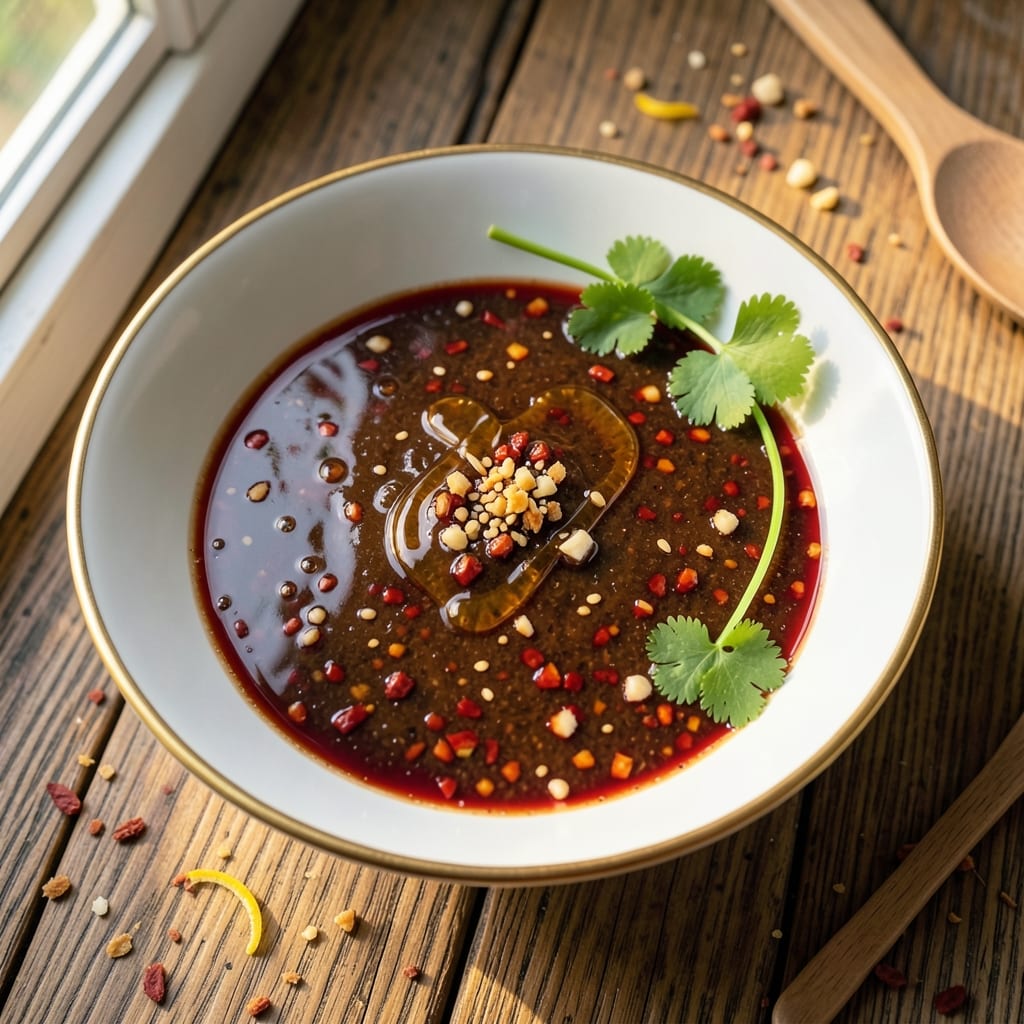
This Chinese egg roll dipping sauce recipe transforms every bite into a sweet-spicy harmony that balances crispy textures perfectly. The secret lies in a precise blend of soy sauce, rice vinegar, and a touch of sesame oil—creating that signature tangy depth with just the right amount of heat. I developed this version after years of testing, ensuring it delivers restaurant-quality flavor without the fuss.
What sets this sauce apart is its versatility—equally at home with traditional egg rolls, spring rolls, or even as a marinade. The combination of brown sugar and chili paste creates a caramelized sweetness that mellows the heat, while fresh garlic and ginger add aromatic layers. It comes together in under 5 minutes, making it the perfect quick addition to any meal.
The result is a glossy, vibrant sauce that clings beautifully to crispy wrappers, enhancing every bite with its complex flavors. The balance of sweet, spicy, and umami makes it impossible to stop dipping—ideal for sharing or meal prep. This recipe is your go-to for elevating takeout nights or homemade Asian feasts.
Use it immediately for fresh egg rolls or store it in the fridge for up to a week. The flavors deepen over time, making it even more irresistible. Let’s make this sauce—your next meal will thank you.
Ingredients for chinese egg roll dipping sauce
Nine simple ingredients blend into this vibrant sauce that makes every crispy bite irresistible.
| Ingredient | Amount | Notes |
|---|---|---|
| Light Soy Sauce 🥢 | ½ cup | Or tamari for gluten-free |
| Rice Vinegar 🍶 | ¼ cup | Seasoned vinegar adds depth |
| Brown Sugar 🍚 | ¼ cup | Packed firmly for accuracy |
| Red Chili Paste 🌶️ | 1 tbsp | Like Thai bird's eye chili |
| Sesame Oil 🫒 | 1 tbsp | Toasted sesame preferred |
| Garlic Cloves 🧄 | 3 cloves | Minced finely for aroma |
| Fresh Ginger 🌿 | 1 tbsp | Grated, not powdered |
| Water 💧 | ¼ cup | Adjust for desired thickness |
| Toasted Sesame Seeds 🥜 | 1 tsp | For garnish, optional |
The soy sauce is the foundation—Kikkoman or La Choy are my go-tos, but any good light soy works. For the chili paste, Thai bird's eye chili paste gives that signature heat, but sriracha in a pinch works too. Fresh ginger and garlic? Farmers market finds have the best punch, but jarred minced ginger (like Mrs. Dash) is fine if you're short on time. The brown sugar should be packed—lightly tap the cup to level it off. For sesame oil, toasted sesame adds a nutty depth that regular sesame oil can't match.
No rice vinegar? Apple cider vinegar works, but it'll taste slightly different. Short on chili paste? Red pepper flakes at half the amount gives a milder heat. The sauce should be glossy but still cling to your finger—add water 1 tsp at a time if it's too thick. For extra umami, a dash of fish sauce (if not vegetarian) or soy sauce splash boosts flavor. The sesame seeds are optional but add that perfect crunch—toast them in a dry pan for 30 seconds before sprinkling.
This sauce keeps beautifully for up to 1 week in the fridge, and the flavors actually deepen over time. Store it in a small glass jar with a tight seal—it's perfect for meal prep. Double the batch if you're hosting; it disappears fast. Freezes well for up to 3 months if you want to make a big batch. Just give it a quick stir before using—sometimes it thickens a bit when refrigerated, so add a splash of water if needed.
Why You'll Love This Recipe
- Five-Ingredient Magic: I swear by this combo—just stir, taste, adjust. No peeling garlic, no mincing ginger, no stress. The red chili paste does all the work for that just-right kick.
- Umami Bomb: That first dip? Pure flavor payoff. The soy and brown sugar team up for a salty-sweet punch, while the sesame oil adds this nutty depth that makes you reach for another egg roll.
- Party in a Jar: Serve it at game night, potlucks, or even breakfast tacos. Honestly, I’ve drizzled it over noodles and called it dinner. It’s the kind of sauce that turns any meal into something special.
- Lasts All Week: Make a big batch—it keeps in the fridge for days. I’ll be real, I’ve had this sauce linger until I forgot I made it. Plus, it costs pennies per serving. Win-win.
Step-by-step instructions for Chinese egg roll dipping sauce
This sauce comes together faster than you can say "takeout night"—just five minutes of simple steps for bold flavor.
Mince Garlic and Grate Ginger
Peel and finely mince the 3 cloves garlic cloves using a sharp knife or garlic press. You want tiny pieces that will dissolve completely into the sauce—no visible chunks. In a small bowl, grate the 1 tablespoon fresh ginger using the fine holes of a box grater or microplane. The ginger should look like tiny yellow confetti.
Here's the thing—fresh ginger and garlic make all the difference. If you're using powdered ginger, you'll miss that bright, zesty punch. Set these aside temporarily; we'll add them to the sauce last to preserve their freshness and prevent bitterness from overcooking.
Combine Wet Ingredients
In a medium saucepan, whisk together the 0.5 cup light soy sauce, 0.25 cup rice vinegar, and 0.25 cup brown sugar. I like to use a fork or small whisk to make sure the brown sugar dissolves completely—no grainy bits in your sauce. Place the pan over medium heat and bring the mixture to a gentle simmer.
Stir occasionally for 2-3 minutes until the sugar has fully melted and the mixture begins to bubble lightly. This step builds the foundation of your sauce—the balance of salty, tangy, and sweet. Don't walk away; you want to keep an eye on it to prevent boiling over.
Add Chili Paste and Simmer
Reduce the heat to low and stir in the 1 tablespoon red chili paste. This is where the magic happens—the paste will darken the sauce and add that signature sweet-spicy kick. Let the mixture simmer gently for 1-2 minutes, stirring occasionally, until it thickens slightly and coats the back of a spoon.
If you're sensitive to heat, you can reduce the chili paste to ½ tablespoon—just remember to adjust the water later if needed. The sauce should now smell like a perfect balance of sweet, tangy, and spicy. This is your checkpoint: if it smells too strong, you might want to reduce the chili next time.
Incorporate Aromatics and Finish
Add the minced garlic cloves and grated ginger to the saucepan. Stir for 30-45 seconds until the raw aroma of garlic and ginger disappears—this ensures they're fully incorporated and won't overpower the sauce with bitterness. Remove the pan from heat and let it cool for 1 minute to settle.
Now stir in the 1 tablespoon sesame oil and 0.25 cup water. The water helps balance the thickness and ensures the sauce is smooth and pourable. Taste and adjust the seasoning if needed—add a pinch more brown sugar for sweetness, a splash of rice vinegar for tang, or a bit more chili paste for heat.
Garnish and Serve
Transfer the sauce to a serving bowl or small pitcher. Sprinkle the 1 teaspoon toasted sesame seeds on top for a beautiful finish and extra nutty depth. Let the sauce sit for 5 minutes before serving—this allows the flavors to meld together perfectly.
Serve warm or at room temperature with your egg rolls, spring rolls, or dumplings. The sauce should be glossy, slightly thick, and perfectly balanced—sweet enough to complement the fried crispiness, tangy to cut through the oil, and spicy enough to add a kick. Enjoy immediately for the best experience!
Pro Tips For Making Chinese Egg Roll Dipping Sauce
- STIR CONSTANTLY AT FIRST: The first 30 seconds after mixing are when flavors really wake up—don’t just toss it together and walk away. I learned this after making sauce that tasted flat because the brown sugar and chili paste needed that initial agitation to dissolve properly. Keep moving the spoon in small circles until everything’s fully incorporated, especially if your brown sugar is packed.
- USE COLD SESAME OIL: Add the sesame oil last, straight from the fridge, and stir it in after everything else is mixed. Warm sesame oil loses its bright, nutty punch—it’ll turn dull and soapy if you heat it up. Trust me, the difference between room-temp and cold oil is like night and day in this sauce.
- DILUTE THE CHILI PASTE: Skip the clumpy, uneven heat—mix the red chili paste with a splash of rice vinegar first (about 1 tsp per 1 tbsp paste) before adding it to the sauce. This smooths out the texture and prevents random hot spots. I used to just dump it in, and my sauce would have weird, thick globs where the chili sat heavy.
- SWEETEN THE SOY FIRST: Dissolve the brown sugar into the light soy sauce before adding vinegar—this prevents graininess. I used to add everything at once, and the sugar would clump like sand in wet cement. Stir the soy and sugar together for 10 seconds, then proceed. It’s a tiny step, but it makes the sauce silky.
Troubleshooting this recipe
Sauce Too Thin?
If your sauce turns out too watery after simmering, don’t panic—simmer it uncovered over low heat for an extra 2-3 minutes. This evaporates excess moisture while concentrating flavors. For a quicker fix, stir in 1 teaspoon cornstarch mixed with 1 tablespoon water and simmer for 1 minute until thickened. Always taste before adjusting—sometimes the sauce just needs time to set! 💡
Grainy Texture?
Brown sugar is the usual culprit for graininess. To prevent this, pack the cup firmly and tap it on the counter to level it off. If you notice gritty bits, strain the sauce through a fine-mesh sieve before serving. For extra smoothness, dissolve the sugar in 2 tablespoons warm water first, then mix it into the saucepan with the other wet ingredients. 🍚
Not Spicy Enough?
If you prefer more heat, add ½ teaspoon extra chili paste or a pinch of red pepper flakes while the sauce is warm. For a smoky depth, stir in ¼ teaspoon smoked paprika or a dash of fish sauce (if not vegetarian). Always taste as you go—adjust gradually to avoid overpowering the sweet-tangy balance. 🌶️
Sauce Too Thick?
If your sauce is stubbornly thick, thin it with 1 teaspoon water at a time while stirring constantly. For a smoother texture, place the sauce in a blender and pulse briefly to break up any clumps. If storing, the sauce may thicken further in the fridge—just add a splash of water when reheating. 💧
Flavor Fading Fast?
Fresh ginger and garlic lose potency quickly, so always use the freshest you can find. For extra longevity, store the sauce in an airtight glass jar in the fridge and add a fresh pinch of grated ginger before each use. If the sauce tastes flat after a few days, revive it with a splash of rice vinegar or a drop of sesame oil. ✨
Allergens or Substitutions?
For gluten-free, swap soy sauce for tamari or coconut aminos. If you’re avoiding sesame, replace sesame oil with avocado oil and omit the seeds. For a dairy-free option, ensure your brown sugar isn’t processed in a facility with dairy (most are safe, but check labels). Always taste-test substitutions—flavor balance is key! 🥢
Nutrition facts
Frequently asked questions
Can I make this sauce without fresh ginger and garlic?
You can, but the flavor will be less vibrant. Use 1 teaspoon ground ginger and 1 teaspoon garlic powder instead, but add them earlier in the simmering process to avoid bitterness. For extra depth, a dash of fish sauce (if not vegetarian) or an extra ½ teaspoon soy sauce helps compensate for the lost freshness.
How spicy should this sauce be?
The recipe balances sweet, tangy, and mild heat—ideal for most palates. For less spice, reduce the chili paste to ½ tablespoon or swap it for ½ teaspoon red pepper flakes. If you love heat, add an extra ½ teaspoon chili paste or a pinch of cayenne pepper after simmering. Always taste as you go!
Can I use this sauce for other dishes besides egg rolls?
This versatile sauce works perfectly with spring rolls, dumplings, or even grilled meats like pork or chicken. It’s also great as a marinade for tofu or shrimp—just let it sit for 15-20 minutes before cooking. The sweet-spicy balance makes it a fantastic dip for fresh veggies or crackers too.
Why does my sauce look cloudy or separated?
Cloudiness often happens if the sugar didn’t dissolve fully or if the sauce cooled too quickly. Stir vigorously while warm to re-emulsify, or gently reheat over low heat for 1 minute. For separation, whisk in 1 teaspoon water or a splash of rice vinegar to help blend the ingredients. Always simmer gently to prevent curdling.
How can I make this sauce ahead of time?
This sauce actually tastes better after resting! Store it in an airtight glass jar in the fridge for up to 1 week. The flavors deepen over time, becoming richer and more complex. For longer storage, freeze for up to 3 months. Thaw in the fridge overnight and stir well before serving—it may thicken slightly, so add a splash of water if needed.