
Sauces & Condiments
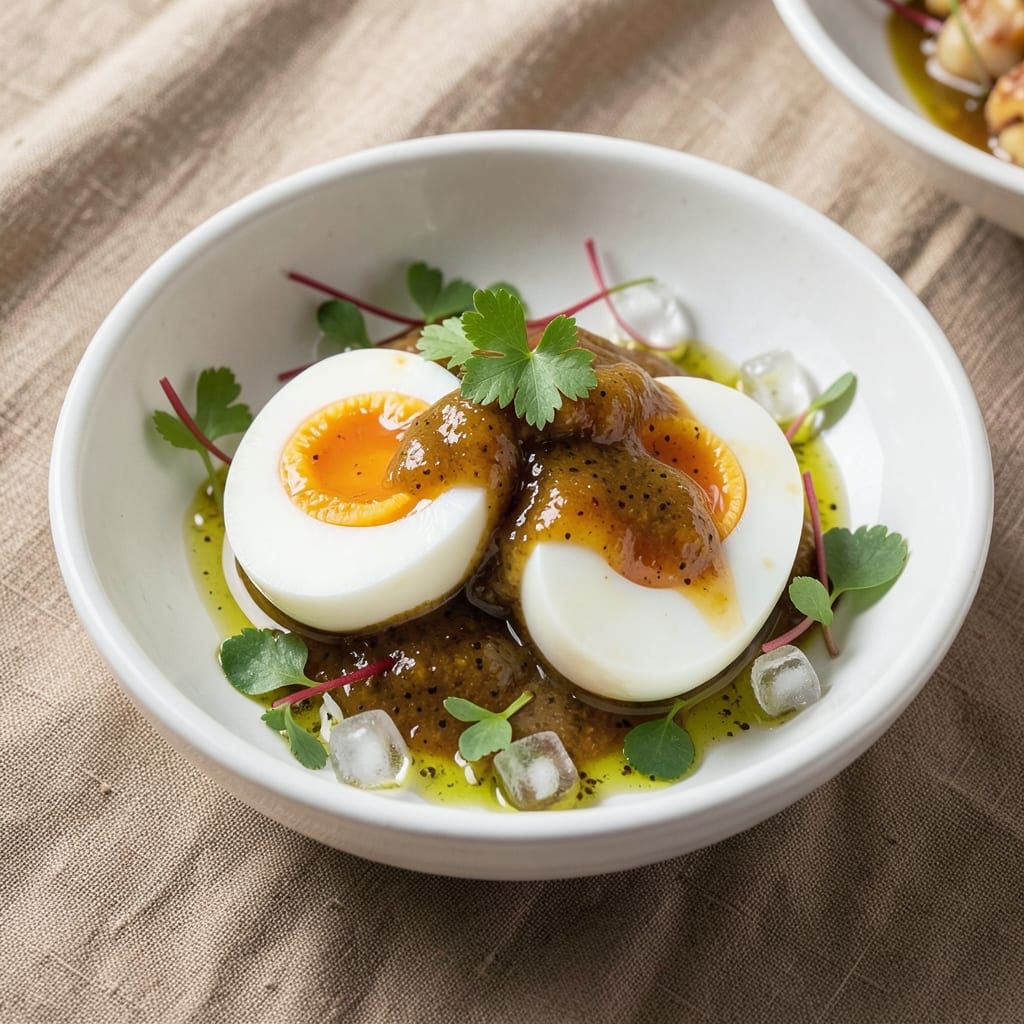
A boiled egg with sauce recipe that pairs perfectly cooked eggs with a velvety sauce turns an ordinary breakfast into a dish worthy of a fine-dining table. The secret lies in precise boiling time—just 9 minutes for flawless yolks—and a sauce that clings beautifully to each bite. This recipe delivers silky, creamy results without the guesswork, ensuring every spoonful enhances the eggs' natural richness.
What sets this method apart is the sauce's versatility—whether you prefer classic mayonnaise, tangy mustard, or spicy aioli, the technique remains the same. The key is tempering the sauce with egg whites first, preventing curdling and creating a luxurious texture. With 15 minutes of prep and 10 minutes of cooking, you'll have a dish that's both impressive and effortless.
The result is eggs with tender whites and perfectly set yolks, coated in a sauce so smooth it feels like a decadent treat. The contrast of creamy sauce against the eggs' clean bite makes this dish irresistibly satisfying. Serve with toasted bread or fresh crackers for the ultimate breakfast or snack experience.
This recipe scales perfectly for parties or meal prep, with sauces that stay fresh for days. The method ensures consistent results every time—no more overcooked yolks or runny whites. Let's create a dish that's simple yet elevated, perfect for any occasion.
Ingredients for boiled egg with sauce
Eight essential ingredients transform simple boiled eggs into a restaurant-worthy dish.
| Ingredient | Amount | Notes |
|---|---|---|
| Large Eggs 🥚 | 8 whole | Room temperature for even cooking |
| Ice Cubes ❄️ | 4 cups | For shock bath after boiling |
| Unsalted Butter 🧈 | ½ cup | Cold, cubed for sauce base |
| Dijon Mustard 🌶️ | 1 tbsp | High-quality for tangy depth |
| Fresh Lemon Juice 🍋 | 1 tbsp | From organic lemons preferred |
| Extra-Virgin Olive Oil 🫒 | ¼ cup | Fruity variety for richness |
| Salt 🧂 | 1 ½ tsp | Diamond Crystal kosher preferred |
| Black Peppercorns 🌶️ | ½ tsp | Freshly cracked for aroma |
| Mayonnaise 🥫 | ¼ cup | High-quality for aioli option |
| Chopped Fresh Chives 🌿 | 2 tbsp | For garnish and freshness |
| Toasted Bread 🍞 | 4 slices | For serving accompaniment |
The eggs are the foundation, so choose large, fresh eggs—the yolks should be vibrant and firm. Trader Joe's and Whole Foods consistently carry high-quality eggs, but any store's organic selection works. For the sauce components, unsalted butter is critical—it provides the perfect fat base without altering the sauce's delicate balance. The Dijon mustard should be 100% mustard seed, not the blended varieties, for authentic tang. Fresh lemon juice adds brightness, so avoid bottled versions. The olive oil matters too—California avocado or Italian varieties offer the best flavor profile without bitterness. Store eggs in their original carton in the coldest part of your fridge for maximum freshness.
No Dijon mustard? Yellow mustard at half the amount works in a pinch, though the flavor will be milder. Substituting butter with vegetable shortening keeps the sauce stable but sacrifices flavor. For a dairy-free option, olive oil or avocado oil can replace butter entirely. The mayonnaise can be homemade (just whisk egg yolks with oil) or store-bought—Duke's or Hellmann's are reliable choices. If you prefer a spicy sauce, add 1/4 tsp cayenne pepper or a dash of hot sauce. The chives can be swapped for parsley if needed, though they offer a more delicate flavor. For the bread, baguette or sourdough toasts best, but any crusty bread will work.
Eggs should be used within 3 days of boiling for best texture. Store leftover sauce in an airtight container with a thin layer of oil on top to preserve freshness for up to 5 days in the fridge. For longer storage, freeze sauce portions in ice cube trays—thaw and whisk back to smooth consistency. The toasted bread stays crisp for 2 days if stored in a sealed container. For meal prep, boil eggs and store them peeled in water with a splash of vinegar to prevent discoloration. The sauce can be made ahead and reheated gently with the eggs, ensuring that luxurious, velvety texture every time.
Why You'll Love This Recipe
- Five-Ingredient Magic: I swear by this recipe—just eggs, butter, mustard, lemon, and ice. No fancy gadgets, no stress, and honestly, the hardest part is remembering to set a timer.
- Creamy-Tangy Bliss: That Dijon mustard and lemon juice combo? It’s the secret weapon here. The sauce clings to the eggs like a velvety hug, cutting through the richness with just enough zing to keep it bright.
- Office Lunch Hero: Between us, this is my go-to for meal prep. Boil a batch of eggs on Sunday, toss them in the fridge, and grab one for lunch—no reheating, no fuss. Add a sprinkle of salt and pepper, and you’ve got a satisfying bite in seconds.
- Budget Breakfast Win: Eggs are cheap, butter is cheap, and this sauce turns them into something special without breaking the bank. I’ll be real: it’s the kind of recipe that makes me feel like I’m eating something gourmet, even when I’m just grabbing a quick bite.
Step-by-step instructions for perfect boiled eggs with sauce
Mastering the art of silky boiled eggs begins with precise technique and thoughtful sauces.
Prepare the Eggs for Even Cooking
Place the 8 whole large eggs in a saucepan and cover them completely with cold water by about 1 inch. The water should be cold to prevent cracking and ensure even cooking throughout. Add 1.5 teaspoons salt to the water—this helps prevent the whites from becoming rubbery. Bring the water to a rolling boil over high heat, then immediately reduce to a gentle simmer.
Simmer for exactly 9 minutes for perfectly set yolks with runny centers. If you prefer firmer yolks, cook for 10-11 minutes. Use a timer—overcooking turns eggs gray and dry. Once the time is up, carefully transfer the eggs to a bowl of 4 cups ice cubes for a shock bath. This stops the cooking process instantly and makes peeling effortless.
Create the Classic Aioli Sauce
In a medium bowl, combine the 0.5 cup unsalted butter (cold and cubed) with the 0.25 cup mayonnaise, 1 tablespoon Dijon mustard, and 1 tablespoon fresh lemon juice. Use a hand mixer or whisk to blend until smooth and creamy. The butter should incorporate fully, creating a thick, velvety base. Season with 0.5 teaspoon freshly cracked black peppercorns and taste—adjust the salt if needed, but the mayonnaise and mustard already contribute significant flavor.
This sauce relies on proper emulsification. If it looks too thick, add 1 teaspoon extra-virgin olive oil at a time until it reaches a smooth, spoonable consistency. The sauce should coat the back of a spoon without being overly runny. Cover and set aside while you prepare the remaining sauce.
Prepare the Lemon-Herb Olive Oil Sauce
In a small bowl, whisk together the 0.25 cup extra-virgin olive oil with the remaining 1 tablespoon fresh lemon juice and 1.5 teaspoons salt. The oil should be at room temperature for proper emulsification. Add the 2 tablespoons chopped fresh chives and stir gently to incorporate. This sauce is lighter than the aioli but equally vibrant, offering a bright contrast to the rich eggs.
Let the sauce sit for 5 minutes before serving—this allows the flavors to meld slightly. The chives should be evenly distributed, adding a fresh herbal note that cuts through the richness of the eggs. Keep this sauce separate from the aioli to allow guests to choose their preferred pairing.
Assemble and Serve
Peel the eggs carefully by rolling them gently on a flat surface, then tapping the rounded end with a spoon to crack the shell before slipping it off. Arrange 2 eggs per serving on a plate, halved lengthwise for easy dipping. Place small bowls of both sauces nearby—one for the aioli and one for the lemon-herb oil. The contrast of textures and flavors will elevate each bite: the creamy aioli against the bright, citrusy oil.
Serve immediately with the 4 slices toasted bread on the side for dipping or spreading. The bread should be lightly toasted to complement rather than overpower the eggs. This presentation turns a simple boiled egg into an elegant dish worthy of any meal.
Pro Tips For Making Boiled Egg With Sauce
- START HOT, END COLD: Boil your eggs in water that’s already rolling hard—no waiting for bubbles. Then, as soon as they’re done (9-12 minutes for perfect yolks), plunge them into ice water for exactly 5 minutes. This stops the cooking and makes peeling effortless. I used to skip the ice bath, and half the eggs would crack or stick to the shell like glue.
- USE ROOM-TEMP EGG: Pull eggs out of the fridge 30 minutes before boiling. Cold eggs create uneven heat distribution, leading to cracked shells or rubbery yolks. Room temp eggs cook more evenly and peel cleaner. I learned this the hard way when I rushed and ended up with a bowl of half-peeled eggs—frustrating, but now I never skip it.
- WHISK THE SAUCE: Melt the butter over low heat, then whisk in the Dijon mustard and lemon juice until fully combined before adding anything else. This prevents clumping and ensures the sauce is smooth, not grainy. I was skeptical until I tried it—now I make sure to whisk like I’m mixing paint, not just stirring lazily.
- SALT THE WATER: Add 1 tablespoon of salt to the boiling water—it raises the boiling point slightly, which means faster cooking and firmer whites. Don’t skip it, even if you’re using salted butter later. I used to forget, and the eggs would turn out too soft, especially in the center. Now I salt the water first thing.
Regional styles of this dish
Japanese Tamagoyaki
In Japan, tamagoyaki—sweet, rolled omelets—transforms boiled eggs into a delicate, caramelized treat. The sauce here replaces traditional mirin and soy, using a light soy glaze made with 1 tbsp soy sauce, 1 tbsp sugar, and ½ tsp grated ginger. Simmer the eggs gently in this glaze until the edges form a thin, crisp crust. Serve with steamed rice and pickled vegetables for a balanced meal. The sauce’s sweet-savory depth elevates the eggs into a breakfast staple with restaurant-quality texture. 🌸
French Sauce Mornay
For a French twist, replace the aioli with a béchamel-based sauce mornay, enriched with ½ cup Gruyère cheese and a splash of dry white wine. The sauce should be thick enough to coat the eggs but still silky. Pair with crusty baguette and a side of roasted asparagus for an elegant brunch. This version feels luxurious yet remains simple to prepare. The cheese adds a nutty depth that complements the eggs perfectly. 🥖
Mexican Mole Sauce
Spice lovers will adore this mole-inspired sauce, blending 1 tbsp chili powder, ½ tsp cumin, 1 tbsp chocolate chips (for richness), and a pinch of cinnamon. Simmer the sauce until thickened, then drizzle over halved eggs. Serve with warm tortillas and avocado slices for a bold, flavorful dish. The sauce’s smoky-sweet profile turns boiled eggs into a festive appetizer or snack. 🌶️
Italian Salsa Verde
In Italy, salsa verde—a vibrant herb sauce—pairs beautifully with boiled eggs. Blend ½ cup parsley, 2 anchovy fillets (soaked in water), 1 garlic clove, 2 tbsp olive oil, and 1 tbsp lemon juice until smooth. Drizzle over eggs and serve with grilled bread. The sauce’s bright, tangy flavor cuts through the richness of the yolks, creating a refreshing contrast. Perfect for a light lunch or antipasto. 🍅
Middle Eastern Tahini Sauce
For a nutty, creamy option, whip ¼ cup tahini with 1 tbsp lemon juice, 1 tbsp honey, and 2 tbsp water until smooth. Add a pinch of salt and serve with warm pita bread. This sauce adds a rich, earthy depth that pairs wonderfully with the eggs’ clean flavor. A sprinkle of toasted sesame seeds adds texture, making it a unique, flavorful twist. 🌿
Nutrition facts
Frequently asked questions
How do I prevent my boiled eggs from sticking to the shell when peeling?
Use the ice water shock bath after boiling—this stops the cooking process instantly and makes peeling effortless. Gently roll the eggs on a flat surface before peeling, then tap the rounded end with a spoon to crack the shell before slipping it off. For extra help, store peeled eggs in cold water with a splash of vinegar to prevent discoloration.
Can I make the sauce ahead of time?
The aioli sauce stays fresh for up to 5 days in an airtight container with a thin layer of oil on top. For longer storage, freeze portions in ice cube trays, then thaw and whisk back to smooth consistency. The lemon-herb oil keeps for 3 days in the fridge—just stir before serving.
What's the best way to reheat leftover boiled eggs?
Never microwave—it turns eggs rubbery! Instead, place eggs in a small saucepan with 1 inch of water and gently simmer for 3-4 minutes. The heat should be just enough to warm through without cooking further. Serve with freshly reheated sauce for the best texture.
Can I substitute butter in the aioli sauce?
For a dairy-free option, replace butter with olive oil or avocado oil—use 0.25 cup total. The sauce will be lighter but still creamy. For a vegan version, use vegan mayonnaise and ensure all other ingredients are plant-based. The texture may be slightly less rich but still delicious.
Why did my sauce turn grainy or separate?
This usually happens from adding cold ingredients too quickly or overmixing. For aioli, melt the butter first, then cool slightly before combining with other ingredients. Add oil gradually to the lemon-herb sauce while whisking continuously. If separation occurs, whisk in 1 tsp hot water to re-emulsify.