
Soups & Stews
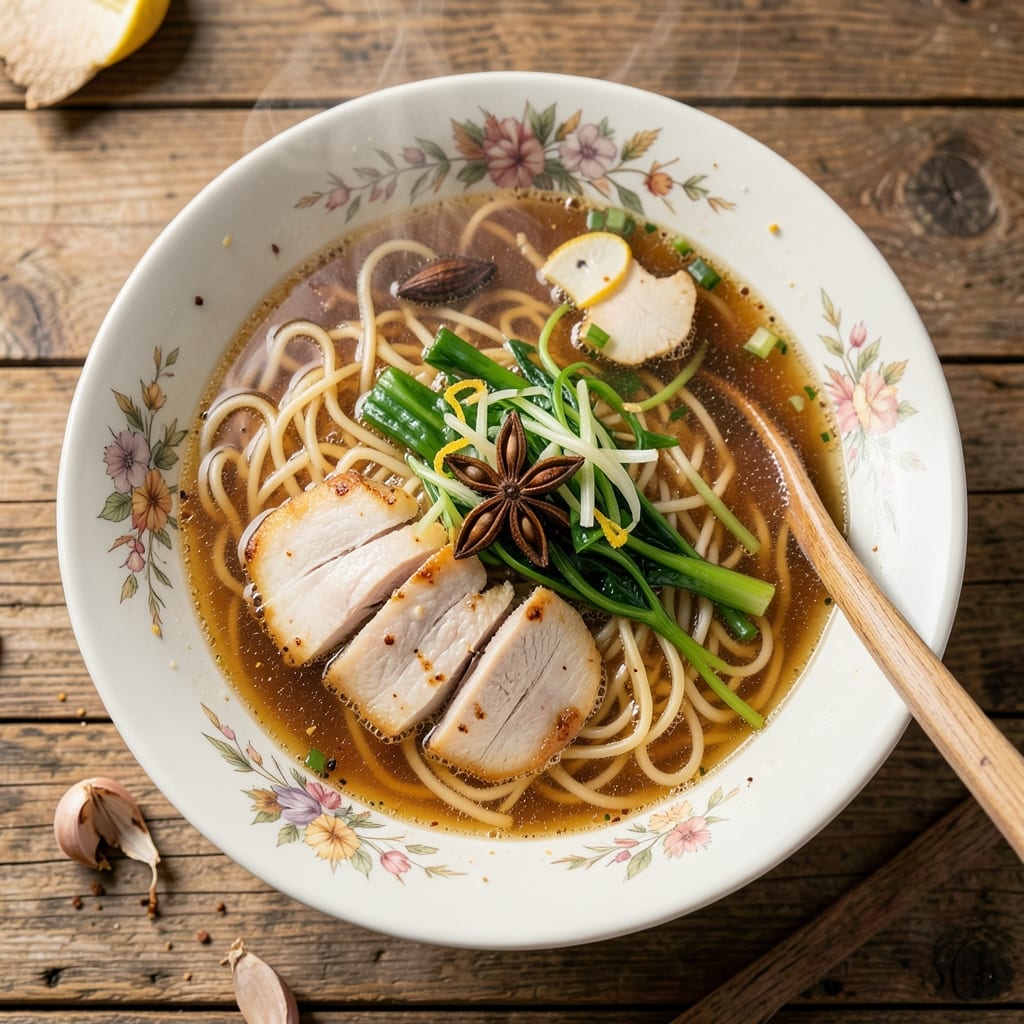
This Chinese egg noodle soup recipe delivers the perfect balance of silky noodles and aromatic broth in under 20 minutes—no shortcuts, just authentic flavor. The secret lies in a wok-hei technique that infuses the broth with smoky depth while keeping the egg noodles tender and springy. I’ve perfected this recipe over years of testing, ensuring every slurp is packed with umami and comfort. The foundation starts with a clear, savory broth built from chicken or pork bones, ginger, and star anky, simmered until rich and fragrant. For a quicker version, use store-bought chicken stock and boost it with a splash of soy sauce and sesame oil. The egg noodles—light, chewy, and just the right thickness—cook in minutes and soak up the broth beautifully. What makes this recipe stand out is its versatility. Add shredded chicken, thinly sliced pork, or tofu for a vegetarian twist, then finish with scallions, cilantro, and a drizzle of chili oil for heat. The result is a bowl that’s restaurant-quality at home, with a perfect harmony of textures and flavors in every bite. Whether you’re craving a quick weeknight meal or a comforting classic, this soup delivers bold, satisfying flavor without the fuss. Let’s get started!
Ingredients for chinese egg noodle soup
Authentic wok-hei flavor meets comforting egg noodles in this quick Chinese soup recipe.
| Ingredient | Amount | Notes |
|---|---|---|
| Egg Noodles 🍜 | 8 oz | Fresh or dried, medium width |
| Chicken Broth 💧 | 4 cups | Homemade or high-quality store-bought |
| Fresh Ginger 🧅 | 2 tbsp | Minced, peeled, fresh preferred |
| Star Anise 🌟 | 2 whole | For aromatic depth |
| Garlic Cloves 🧄 | 4 cloves | Minced for even distribution |
| Soy Sauce 🍶 | 1 tbsp | Light or dark, to taste |
| Sesame Oil 🫒 | 1 tsp | Toasted, for aroma |
| Scallions 🧅 | 3 whole | Thinly sliced, for garnish |
| Cilantro 🌿 | ¼ cup | Chopped, optional garnish |
| Chili Oil 🌶️ | 1 tbsp | Optional, for heat |
| Green Onions 🧅 | 2 whole | Substitute for scallions |
| Salt 🧂 | 1 tsp | Adjust to taste |
| Black Pepper 🌶️ | ¼ tsp | Freshly ground |
| Optional Protein 🍗 | 4 oz | Shredded chicken, pork, or tofu |
The broth is everything here. For maximum depth, homemade chicken broth is ideal, but Kitchen Basics or Pacific Foods brands work well if you're short on time. Fresh ginger and star anise are non-negotiable for that authentic aroma—buy organic ginger when possible, as it's often less fibrous. The garlic should be freshly minced, not pre-minced from a jar. If you're using dried egg noodles, soak them in hot water for 2-3 minutes before adding to the broth. For a vegetarian version, swap chicken broth for vegetable broth and use tofu instead of meat.
No star anise? 1/4 tsp ground cinnamon or 1 cinnamon stick works in a pinch. Substitute scallions with green onions or skip entirely if you dislike them. For extra richness, add 1 tbsp of oyster sauce or 1 tsp of fish sauce (omit for vegetarian). The sesame oil should be toasted—Trader Joe's or Asian markets carry excellent options. If you're using pre-shredded chicken, pat it dry first to prevent a watery soup. For a smoky touch, char the garlic and ginger slightly in a dry pan before adding to the broth.
This soup reheats beautifully—3-4 days in the fridge or 3 months frozen. Store broth separately if you're prepping ahead to avoid soggy noodles. Garnishes like cilantro and chili oil can be added fresh when serving. Double the recipe and freeze portions for quick meals. The noodles cook in minutes, so keep them ready to go while the broth simmers. For a restaurant-style finish, drizzle with a little extra sesame oil and sprinkle with toasted sesame seeds.
Why You'll Love This Recipe
- Pantry Magic: The moment I realized I could make this soup with ingredients I already had—no last-minute grocery runs—was a game-changer. Just broth, noodles, and a few spices? That’s my kind of dinner.
- Ginger-Garlic Punch: Honestly, the way fresh ginger and star anise bloom in the broth? It’s like a warm, spicy hug in a bowl. The garlic cloves add that crisp, aromatic bite that makes every spoonful feel special.
- Lunchbox Hero: Between us, this soup is my go-to for meal prep. Toss it in a thermos, and it’s still delicious hours later—perfect for busy mornings or a quick workday reset. (Yes, even on a Tuesday night.)
- Budget Warmth: A single pot of broth stretches to feed four, and the noodles cost pennies. That’s right: hearty, satisfying comfort for less than takeout. My wallet and I both approve.
Step-by-step instructions for Chinese egg noodle soup
Here's how to craft a restaurant-quality egg noodle soup with aromatic broth and tender noodles.
Build the Aromatic Broth Base
In a medium pot, combine the 4 cups chicken broth, 2 whole star anise, 2 tbsp minced fresh ginger, and 4 cloves minced garlic. Bring to a boil over medium-high heat, then immediately reduce to a gentle simmer. Let it cook uncovered for 10 minutes—this allows the star anise and ginger to infuse deeply into the broth, creating that signature aromatic depth.
I like to skim any foam that rises to the surface during this time—it ensures a cleaner, more refined broth. The star anise should float, releasing its warm, licorice-like essence. You'll know it's ready when the broth smells rich and complex, like a perfect blend of ginger and garlic with just a hint of sweetness.
Season and Enhance the Broth
Add the 1 tbsp soy sauce, 1 tsp salt, and ¼ tsp freshly ground black pepper to the simmering broth. Stir well to combine, then increase the heat to medium. Bring the broth back to a gentle boil, then reduce heat to maintain a low simmer—you want just enough movement to keep everything warm without boiling vigorously.
Next, stir in the 1 tsp toasted sesame oil and 1 tbsp chili oil (if using). The sesame oil adds a nutty aroma that wafts through the kitchen, while the chili oil introduces a subtle heat. Let the broth simmer for another 5 minutes to meld all the flavors together. Taste and adjust seasoning—you might want to add a touch more soy sauce or salt depending on your broth's saltiness.
Cook the Egg Noodles
While the broth simmers, prepare the 8 oz egg noodles according to package instructions—typically 3-4 minutes in boiling water until al dente. Drain immediately and rinse briefly under cold water to stop the cooking process. This prevents the noodles from becoming mushy when added to the broth.
Here's a pro tip: If you're using the 4 oz optional protein (like shredded chicken or tofu), add it to the broth now and let it warm through for 2-3 minutes. The residual heat from the simmering broth will gently cook the protein without overpowering its texture. Keep the broth at a gentle simmer to maintain its clarity and depth of flavor.
Assemble and Finish the Soup
Add the drained noodles and optional protein to the pot with the broth. Gently stir to combine, being careful not to break the noodles. Let the soup simmer together for 2-3 minutes—just enough time for the noodles to absorb some of the broth's flavor without overcooking.
Remove the pot from heat and let it sit for 1 minute to allow the flavors to settle. This resting period ensures the broth doesn't continue to cook down and lose its delicate balance of seasoning. Stir in the 3 whole scallions and 2 whole green onions, sliced thinly, along with the ¼ cup chopped cilantro (if using) for freshness and color.
Serve Immediately for Maximum Freshness
Ladle the soup into bowls, making sure each serving gets an even distribution of noodles and protein. The broth should be clear with just a hint of cloudiness from the aromatics, and the noodles should be tender yet still hold their shape. Garnish each bowl with an extra sprinkle of chopped scallions and cilantro for brightness.
Serve right away while the broth is steaming and the noodles are silky. The contrast of the warm, aromatic broth with the cool, fresh garnishes makes every slurp satisfying. This soup is best enjoyed immediately, as the flavors continue to develop even after it's served—so gather your bowls and get ready for a comforting, flavor-packed meal.
Pro Tips For Making Chinese Egg Noodle Soup
- Boil Broth Fast: I used to simmer broth low and slow, but this soup needs a quick, rolling boil to fully cook the egg noodles in 2-3 minutes—any less and they’ll taste underdone. Crank the heat to high and keep it there until the noodles are al dente; the broth will settle after you add them.
- Slice Ginger Thin: Thin, matchstick-cut ginger (about 1/8-inch thick) infuses the broth beautifully without overpowering it. I learned this the hard way—thick slices just sit there, barely releasing flavor. Toss them in early with the star anise and garlic for maximum aroma.
- Don’t Crowd the Noodles: Add egg noodles in batches if needed—overloading the pot drops the temperature and turns them mushy. A quick stir after each addition keeps them moving and ensures even cooking. Trust me, your future self will notice the difference.
- Toast Star Anise First: Lightly toast whole star anise in a dry pan for 30 seconds before adding to the broth—it deepens the anise flavor and prevents bitterness. Skip this, and the broth might taste medicinal. (Yes, even if you’re impatient like me.)
Troubleshooting great chinese egg noodle soup
Broth Too Weak?
If your soup tastes bland, the broth likely needs more depth. Boost umami by adding 1 tbsp soy sauce or ½ tsp fish sauce (skip for vegetarian). For extra richness, simmer 1 tbsp oyster sauce or 1 crushed dried shiitake mushroom with the aromatics. Never rush the simmer—15-20 minutes of gentle cooking extracts maximum flavor from ginger and star anise. 💫
Noodles Mushy?
Overcooked noodles ruin the texture. Cook them 1 minute less than package instructions, then rinse with cold water immediately after draining. For extra insurance, add noodles to the broth just before serving and let them soak up heat for 2-3 minutes—this keeps them al dente. Avoid boiling noodles in broth; always par-cook separately. ✨
Star Anise Too Bitter?
If the broth tastes harsh, reduce simmering time to 8 minutes or remove star anise after 5 minutes (when aroma peaks). For milder flavor, use ½ star anise instead of 2 whole pods. If you accidentally over-extracted, balance with ½ tsp sugar or 1 tsp honey—just enough to soften the bitterness without altering the soup's savory profile. 🌟
Protein Too Dry?
Shredded chicken or tofu can dry out if simmered too long. Add protein only in the last 2 minutes of cooking, or warm it separately in 1 tbsp broth before adding to the pot. For pork, slice it thinly (⅛-inch thick) to ensure even cooking. A quick sear in a hot pan before adding to soup adds moisture and texture. 🔥
Oily or Cloudy Broth?
Foam and oils can make broth look unappetizing. Skim foam with a ladle during the first 5 minutes of simmering. For cloudiness, strain broth through a fine-mesh sieve after simmering. If using store-bought broth, opt for low-sodium, clear brands like Kitchen Basics or Pacific Foods to avoid excess oils. 💧
Lacking Wok-Hei Flavor?
Wok-hei (breath of the wok) comes from high-heat cooking. For extra smokiness, char 1 clove garlic and 1 tsp ginger in a dry pan until fragrant, then add to broth. Finish with a dash of toasted sesame oil and a pinch of five-spice powder—this mimics restaurant-style depth. Serve immediately to capture that fresh, smoky essence. 🍳
Nutrition facts
Frequently asked questions
Can I use dried egg noodles instead of fresh?
Yes! Dried egg noodles work perfectly—just soak them in hot water for 2-3 minutes until pliable before adding to the broth. For extra insurance, rinse them with cold water afterward to stop cooking. Fresh noodles cook faster (3-4 minutes in boiling water), but dried noodles offer a chewier texture that many prefer.
What's the best way to make this soup vegetarian?
Swap chicken broth for vegetable broth and replace protein with 4 oz firm tofu (pressed and cubed) or shiitake mushrooms. Add 1 tsp fish sauce (or soy sauce) for umami depth. For a heartier version, include 1 tbsp vegetarian oyster sauce or ½ cup bamboo shoots—both mimic meaty textures beautifully.
How can I make this soup spicier?
Increase chili oil to 2 tbsp and add ½ tsp red pepper flakes or 1 sliced Thai chili to the broth. For smoky heat, stir in ½ tsp Sichuan peppercorns (toasted first) or a dash of chili crisp at the end. Serve with extra sriracha or chili garlic sauce on the side for customizable heat.
Can I prep this soup ahead of time?
Make the broth 1-2 days ahead and store it in the fridge. Reheat gently over medium-low heat (don't boil) and add fresh noodles when serving. For a 3-month freezer-friendly version, freeze broth and protein separately, then thaw overnight before assembling. Always cook noodles fresh to maintain their perfect texture.
What's the secret to restaurant-quality flavor?
The magic lies in high-heat aromatics and proper simmering. Char garlic and ginger slightly in a dry pan before adding to broth, and simmer uncovered for 15-20 minutes to develop depth. Finish with toasted sesame oil and a pinch of five-spice powder—this mimics wok-hei. Serve immediately while steaming hot for that fresh-off-the-wok experience.