
Sauces & Condiments
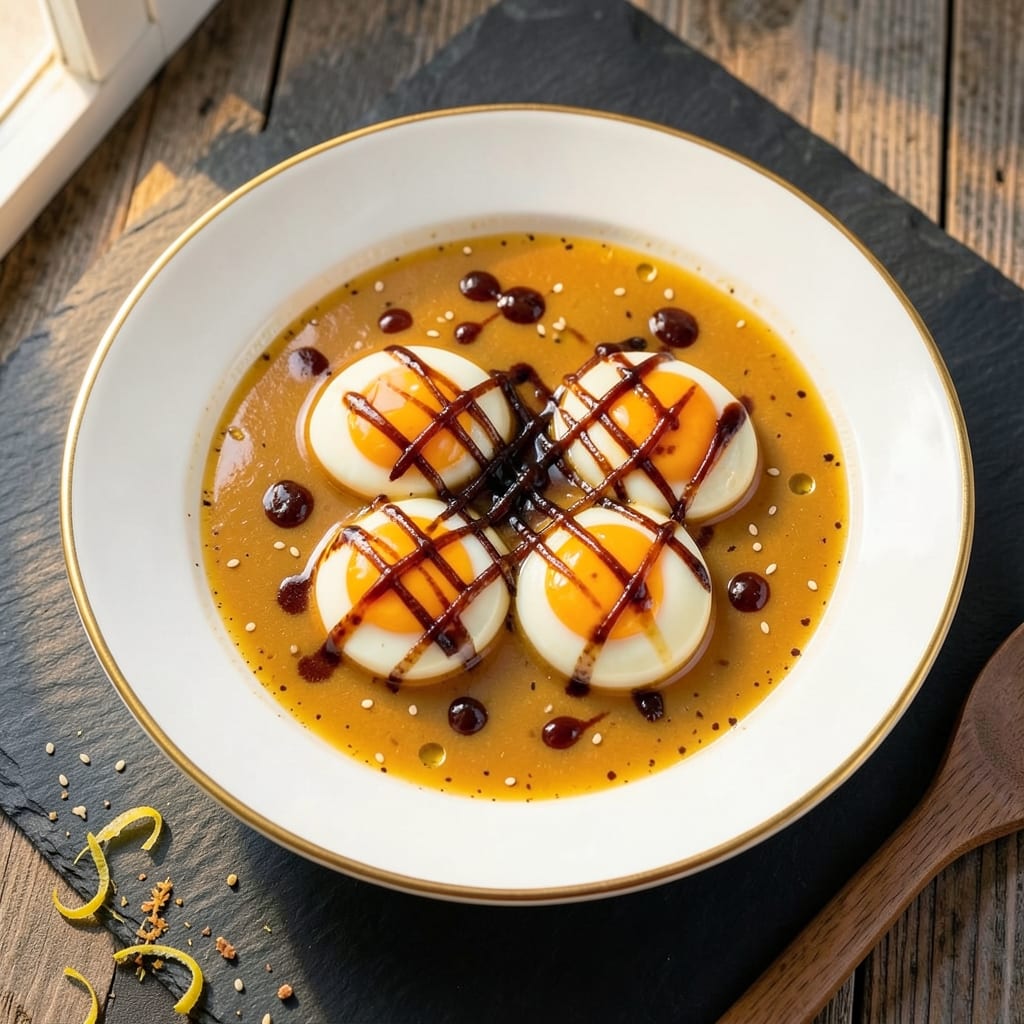
This Chinese egg sauce recipe transforms simple ingredients into a silky, umami-rich glaze that elevates dumplings, noodles, and stir-fries to restaurant-quality levels. The secret lies in tempering eggs with hot oil to create ribbons of delicate protein that dissolve into the sauce, adding both texture and depth. I developed this version after years of testing—it’s the one that finally delivers that perfect balance of savory, slightly sweet, and tangy flavors without overpowering the dish.
The foundation of this sauce is a classic combination of soy sauce and hoisin, but what sets it apart is the egg tempering technique. When raw eggs are slowly drizzled into hot oil, they emulsify into fine strands that thicken the sauce naturally while adding a luxurious mouthfeel. No cornstarch or thickeners are needed—just a few minutes of careful attention to create a sauce that’s glossy, cohesive, and packed with flavor. The result is a versatile condiment that works as a dipping sauce, stir-fry glaze, or even a quick marinade.
What makes this recipe truly professional is its adaptability. Use it to coat steamed dumplings for that signature "egg sauce" restaurant finish, drizzle it over noodles for instant depth, or serve it as a dipping sauce for spring rolls. The sauce keeps well in the refrigerator for up to a week, making it perfect for meal prep. Once you try this version, you’ll never go back to store-bought or basic soy-based sauces—it’s that transformative.
For best results, work quickly during the egg tempering step to avoid overcooking, and adjust the soy-to-hoisin ratio to suit your taste. The key is patience and precision, but the reward is a sauce that’s restaurant-quality and infinitely better than anything you can buy. Let’s get started on creating this essential pantry staple.
Ingredients for chinese egg sauce
Nine essential ingredients create this velvety, restaurant-worthy sauce that transforms everyday meals into something extraordinary.
| Ingredient | Amount | Notes |
|---|---|---|
| Large Eggs 🥚 | 4 whole | Fresh, room temperature for best emulsification |
| Light Olive Oil 🫒 | ½ cup | High smoke point for tempering |
| Dark Soy Sauce 🍶 | 2 tbsp | For deep color and umami |
| Light Soy Sauce 🍶 | 2 tbsp | Balances flavor profile |
| Hoisin Sauce 🍜 | 2 tbsp | Sweet and tangy base |
| Sesame Oil 🌰 | 1 tsp | Toasted for nutty aroma |
| White Sugar 🍚 | 1 tbsp | Enhances caramel notes |
| Garlic Cloves 🧄 | 2 cloves | Minced for aromatic depth |
| Fresh Ginger 🌿 | 1 tsp | Grated, for zesty brightness |
| Cornstarch 🌾 | ½ tsp | Optional for slight thickening |
The eggs are the star here—freshness is non-negotiable for that signature silky texture. Grab large eggs from the refrigerated section, but let them sit at room temperature for 10 minutes before using. The dark soy sauce is crucial for that signature glossy finish—Lee Kum Kee brand is my go-to, but any high-quality Asian market option works. Hoisin sauce varies wildly in sweetness, so taste as you go. Trader Joe's has a solid option, but if yours is too sweet, reduce slightly with extra soy sauce. The light olive oil should have a high smoke point—Avocado brand is perfect for this technique. Toast your sesame oil in a dry pan for 30 seconds before adding to the sauce—this amplifies its nutty aroma without bitterness.
No dark soy sauce? Light soy sauce plus 1 tsp molasses mimics the depth, though the color won't be as rich. Egg substitutes? Silken tofu blended with 1 tsp cornstarch works in a pinch (expect a slightly denser texture). The cornstarch is truly optional—this sauce thickens naturally from the egg tempering, but if you prefer a glossier finish, add it to the final mixture. For the ginger, fresh is ideal, but 1/2 tsp ground ginger in a bind. The garlic can be pre-minced from a jar, but freshly grated adds that restaurant-quality punch. Want more heat? Add 1/4 tsp chili crisp or 1/2 tsp sriracha to the finished sauce.
This sauce keeps beautifully—up to 1 week in an airtight container in the fridge, with the oil layer forming on top. Simply stir before using. For longer storage, freeze in ice cube trays—thaw and whisk back to perfection. The sauce thickens as it cools, so reheat gently with a splash of water if it seems too stiff. Double the batch—you'll want it on hand for dumpling dipping, noodle tossing, and stir-fry finishes. The flavor actually improves after 24 hours as the ingredients meld, so make it the night before for maximum impact.
Why You'll Love This Recipe
- Pantry to Plate Fast: I swear by this one when I’m starving at 9:30pm. Just crack eggs into a hot pan with olive oil, pour in the sauces, and flip—no measuring cups, no fancy techniques. The soy and hoisin do all the work while I’m still deciding whether to add veggies or not.
- Umami Bomb Combo: That dark soy sauce? It’s the secret weapon—deep, smoky, addictive. Light soy keeps it balanced, and hoisin? Sweet-salty perfection. The eggs get silky with just a crispy edge, and honestly, I’ll eat this plain if I have to.
- Lunchbox Hero: Between us, this sauce turns sad leftovers into something exciting. Drizzle it over rice, noodles, or even cold cuts—suddenly, it’s dinner. My kids pack it in their bento boxes because it’s always a hit, no matter what else is in there.
- Budget Magic: Eggs, oil, and a few bottles of soy sauce—this recipe costs me pennies per serving. I make a big batch on Sundays, and it stretches for days. No wasted ingredients, no guilt, just flavor that doesn’t break the bank.
Step-by-step instructions for silky soy-hoisin egg sauce
This sauce transforms simple ingredients into a velvety glaze perfect for dumplings and noodles.
Temper the Eggs for Perfect Emulsification
Place the 4 whole Large Eggs in a heatproof bowl and set it over a pot of barely simmering water—creating a double boiler. This gentle heat warms the eggs to 160°F without scrambling them. Whisk continuously for 3-4 minutes until the mixture thickens slightly but remains pourable. The eggs should be warm but not hot to the touch.
I always test the temperature by dipping my finger in—if it feels comfortably warm (like bathwater), it's ready. This step prevents curdling when you combine the eggs with the hot sauce base later. Keep the bowl off the heat once the eggs reach this temperature.
Build the Flavor Base with Aromatics and Sauces
Heat the 0.5 cup Light Olive Oil in a wok or deep skillet over medium-high heat until shimmering. Add the 2 cloves Garlic Cloves and 1 tsp Fresh Ginger (finely grated), stirring constantly for 30 seconds until fragrant but not browned. This quick cook preserves their bright flavors.
Immediately pour in the 2 tbsp Dark Soy Sauce, 2 tbsp Light Soy Sauce, and 2 tbsp Hoisin Sauce. Stir vigorously for 1 minute as the sauce simmers, letting the soy sauces reduce slightly and deepen in color. The hoisin adds natural sweetness that balances the salty soy. Remove from heat and let cool for 2 minutes—this prevents the eggs from cooking immediately when combined.
Emulsify for a Silky Texture
With the sauce still warm (not hot), slowly drizzle in the tempered eggs while whisking continuously. Start with a thin stream, then gradually increase to a steady pour. The mixture will thicken dramatically as the eggs bind with the sauce. If it curdles slightly, don't panic—just keep whisking vigorously for another 30 seconds to restore smoothness.
Return the sauce to low heat and stir in the 1 tbsp White Sugar and 1 tsp Sesame Oil. Simmer gently for 2-3 minutes until the sauce coats the back of a spoon. The sugar enhances caramel notes, while the sesame oil adds nutty depth. Taste and adjust seasoning—you might need a pinch more salt if your soy sauces were light.
Thicken and Finish (Optional)
For a slightly thicker consistency, mix the 0.5 tsp Cornstarch with 1 tablespoon cold water until smooth. Slowly whisk this slurry into the simmering sauce, stirring constantly for 1-2 minutes until it reaches your desired thickness. The sauce should cling to dumplings or noodles without being gluey.
Remove from heat immediately and let the sauce rest for 5 minutes before using. This resting period allows flavors to meld completely. The final sauce should be glossy, with a balance of sweet, salty, and umami notes—ready to elevate any dish it touches.
Pro Tips For Making Chinese Egg Sauce
- Whisk Eggs Cold: Crack eggs into a bowl first, then add ice cubes—just a few—to chill the mixture while you heat the oil. I learned this the hard way after scrambling eggs that turned rubbery; the shock keeps them tender even when cooked fast.
- Balance Soy Sauces: Use 1 tablespoon light soy for saltiness, 1 teaspoon dark soy for color—then adjust. Dark soy burns easily, so add it last, right as the eggs hit the pan. I used to dump both in together and end up with bitter, uneven sauce.
- Low and Slow Finish: After adding hoisin, reduce heat to the lowest setting and let the sauce simmer uncovered for 2–3 minutes. This thickens it naturally without burning, and the eggs stay creamy instead of drying out. (Yes, even if you’re impatient like me.)
- Oil Control Matters: Use just enough light olive oil to coat the pan—about 1 tablespoon—so the eggs cook evenly without splattering everywhere. Too much oil dilutes the sauce; too little risks sticking. I skip the splatter screen and just crack the eggs in gently—less mess, same result.
Flavor customization for this chinese egg sauce
Sweet & Tangy
For a brighter, fruitier profile, swap the white sugar for 1 tbsp honey or maple syrup and add 1 tsp rice vinegar. This combo enhances the hoisin's natural sweetness while adding a refreshing tang. I find this version works especially well with steamed pork buns or as a dipping sauce for spring rolls. 🍯
Spicy Kick
Crank up the heat by adding 1 tsp chili crisp or ½ tsp gochujang paste during the final simmer. For a smoky twist, stir in ½ tsp toasted chili oil at the end. This variation pairs perfectly with spicy noodles or grilled meats—just be mindful of the heat level. 🌶️
Umami Boost
Deepening the savory notes is easy: replace 1 tbsp hoisin with 1 tbsp fermented black bean paste or 1 tsp fish sauce (like Red Boat). These ingredients add complexity that balances the sweetness beautifully. I love this version for dumpling dipping or stir-fry finishes. 🍜
Creamy Version
For a richer texture, stir in 2 tbsp neutral coconut milk or 1 tbsp tahini after removing the sauce from heat. This creates a velvety, almost mousseline-like consistency that works wonderfully with seafood dishes or vegetable stir-fries. 🥥
Herb-Infused
Brighten the sauce with 1 tbsp chopped cilantro or 1 tsp Thai basil at the end. For a more robust flavor, add ½ tsp star anise while building the base—it infuses subtly without overpowering. This variation shines with grilled chicken skewers or rice bowls. 🌿
Smoky Depth
Add ½ tsp liquid smoke or 1 tsp smoked paprika to the sauce base for a campfire-inspired twist. This works surprisingly well with barbecued ribs or smoked tofu. For extra authenticity, use dark soy sauce with a hint of charred garlic from a dry pan. 🔥
Nutrition facts
Frequently asked questions
Why does this egg sauce turn out grainy or separate?
The most common cause is adding eggs that are too hot or too cold to the sauce base. Always temper the eggs in a double boiler until they reach 160°F (warm but not hot to the touch), then let the sauce base cool for 2 minutes before combining. Whisk continuously during the pouring process—this prevents curdling and ensures a silky texture. If it separates slightly, just whisk vigorously for 30 seconds to restore smoothness.
Can I make this sauce without hoisin?
Replace the 2 tbsp hoisin with 1 tbsp soy sauce plus 1 tsp honey or maple syrup for sweetness. For deeper flavor, add 1 tsp fermented black bean paste or ½ tsp five-spice powder. The sauce will still be delicious—just slightly less complex. This version works perfectly for quick stir-fries or noodle dishes.
How do I use this sauce beyond dumplings?
This versatile sauce elevates so many dishes! Drizzle it over steamed rice or noodles for instant flavor, use it as a marinade for grilled chicken or tofu, or serve it as a dipping sauce for spring rolls or fried wontons. For extra richness, toss it with cold soba noodles or mix into egg drop soup for a restaurant-quality upgrade. The possibilities are endless!
Can I make this sauce ahead of time?
Yes! This sauce actually tastes better the next day as the flavors meld. Store it in an airtight container in the fridge for up to 1 week. Before using, whisk vigorously to re-emulsify—you may need to add a splash of water if it thickens too much. For longer storage, freeze in ice cube trays and thaw in the fridge. The texture will be slightly thicker when cold, but it warms up beautifully.
What's the secret to getting that glossy finish?
The gloss comes from three key elements: dark soy sauce (for color), cornstarch slurry (if using), and proper emulsification. Use high-quality dark soy sauce like Lee Kum Kee, and simmer the sauce until it coats the back of a spoon. For extra shine, add ½ tsp sesame oil at the end. The egg tempering also contributes to that silky, restaurant-worthy sheen.