
Breakfast & Brunch
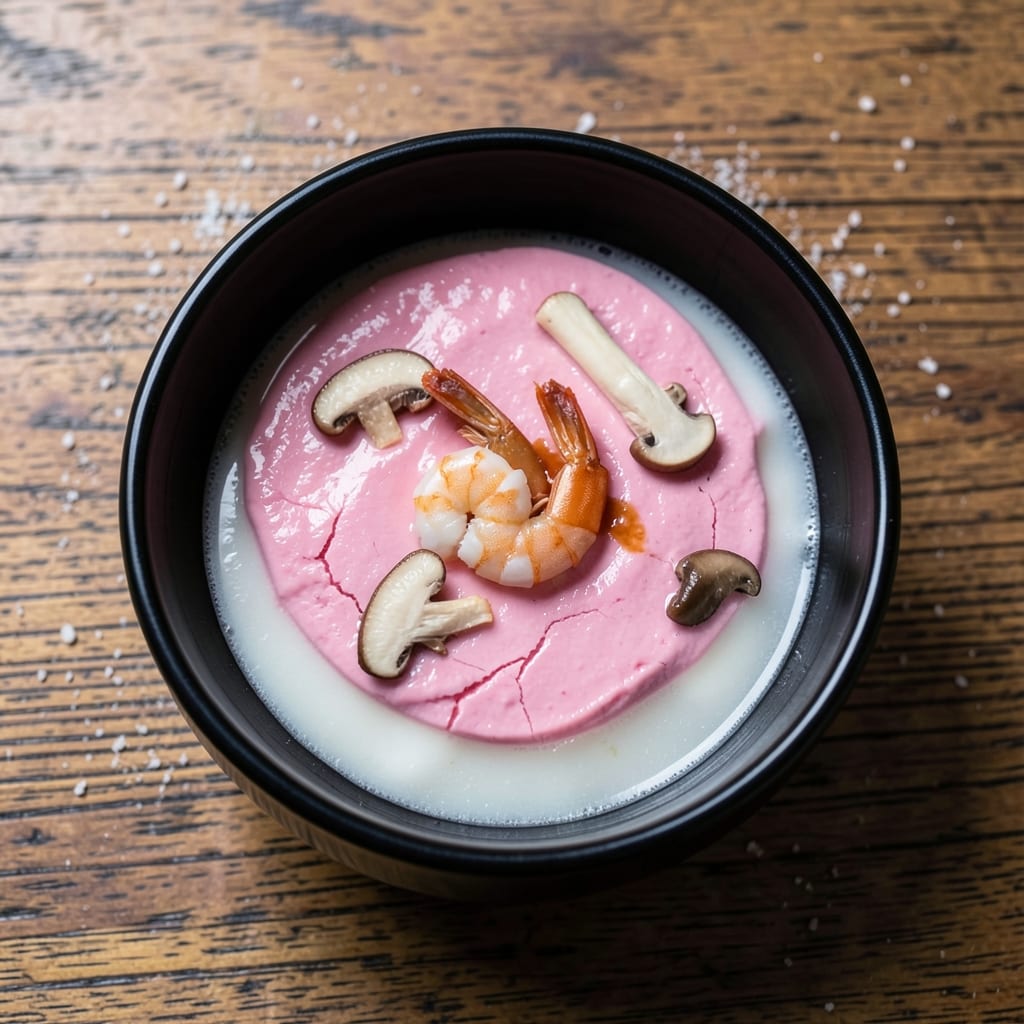
The perfect chawanmushi begins with a precise water-to-egg ratio—this delicate Japanese custard demands balance to achieve its signature silky texture. The secret lies in using 1 part water to 2 parts eggs by weight, creating a gentle steam that transforms liquid into cloud-like perfection without curdling. I’ve perfected this ratio after years of experimentation, ensuring every bite delivers that signature velvety mouthfeel.
What sets this recipe apart is the two-stage steaming process: first, a gentle pre-steam to warm the custard evenly, then a final steam until just set. This method eliminates the risk of overcooking while locking in that signature wobble—neither too firm nor too runny. The result is a custard so tender it practically melts on your tongue, with fillings like shrimp, mushrooms, or tofu suspended in perfect harmony.
Mastering chawanmushi isn’t just about the ratio—it’s about patience and precision. The custard must be smooth, glossy, and slightly translucent when done, with a delicate sheen that signals its readiness. Each ingredient plays a role: the water hydrates the eggs, the dashi broth adds umami depth, and the cornstarch ensures that signature silky finish.
Once steamed to perfection, the custard is served in its traditional chawan (bowl) with fillings artfully arranged, creating a dish that’s as beautiful as it is delicious. Whether you’re serving it for a special occasion or a quiet breakfast, this recipe delivers restaurant-quality results at home—every time.
Ingredients for chawanmushi recipe water to egg ratio
Eight eggs, four ounces of water—this ratio unlocks chawanmushi's signature velvety magic.
| Ingredient | Amount | Notes |
|---|---|---|
| Large Eggs 🥚 | 8 whole | Room temperature preferred |
| Water 💧 | 4 oz | Filtered for clarity |
| Dashi Broth 🍜 | 1 cup | Homemade or quality store-bought |
| Cornstarch 🌾 | 1 tbsp | For silky texture |
| Fresh Shrimp 🦐 | ½ lb | Peeled, deveined, tails on |
| Shiitake Mushrooms 🍄 | 4 whole | Stems removed, sliced |
| Silken Tofu 🍲 | 4 oz | Soft, cubed |
| Fresh Ginger 🧡 | 1 tbsp | Finely grated |
| Soy Sauce 🥄 | 1 tbsp | For umami depth |
| Mirin 🍶 | 1 tbsp | Sweet rice wine |
| Sesame Oil 🫒 | ½ tbsp | For finishing aroma |
| Salt 🧂 | ½ tsp | Diamond Crystal preferred |
| White Pepper 🌶️ | ¼ tsp | Freshly ground |
The eggs are non-negotiable: room temperature is key for even cooking. Kirkland Signature or Organic Valley are my go-tos—they emulsify beautifully. Water quality matters too—filtered water prevents cloudiness in the final custard. For dashi, Hondashi powder is a reliable shortcut, but homemade (kombu + bonito flakes) adds depth. The cornstarch is your secret weapon—it transforms the custard from liquid to cloud-like perfection without curdling. Bob's Red Mill brand works best for this delicate application.
No fresh shrimp? Frozen works perfectly—just thaw and pat dry. Mushrooms can be swapped for enoki or oyster mushrooms if shiitake isn't available. The silken tofu should be soft—Natto-free varieties like House Foods work best. Ginger is optional but recommended for that subtle warmth. Short on mirin? Rice vinegar plus sugar at half the amount gets you close. The sesame oil is purely for aroma—add it just before serving to preserve its delicate flavor. For a vegetarian version, swap shrimp for extra-firm tofu cubes.
Eggs and water should sit at room temp for 30 minutes before mixing. The custard keeps 2 days in the fridge—reheat gently in a steamer. For make-ahead prep, steam the custards just until set, then chill completely before storing. The fillings can be prepped a day ahead—store them separately until ready to assemble. When reheating, never microwave—always steam to maintain that signature silky texture.
Why You'll Love This Recipe
- No-Fuss Ratios: I’ll never overthink measurements again. That 1:4 water-to-egg ratio (plus a splash of dashi) turns into the silkiest custard—no guesswork, no failed batches.
- Umami Bomb: The shrimp and dashi broth? Chef’s kiss. That first bite of tender shrimp in a cloud of savory custard—it’s like a hug for your taste buds, and the cornstarch keeps it from getting gluey.
- Brunch or Dinner: Serve it warm for breakfast with a sprinkle of bonito flakes, or chill it overnight for a protein-packed lunch. Honestly, I’ve eaten it straight from the fridge with rice—no shame.
- Leftovers? More Like Leftovers: The custard actually improves the next day—firm but still creamy. I double the batch on Sundays and reheat portions for snacks all week. Budget win, flavor win.
Step-by-step instructions for chawanmushi
Mastering the water-to-egg ratio transforms this dish from ordinary to extraordinary.
Prepare the Egg Mixture with Precision
In a heatproof bowl, whisk together the 8 whole large eggs until the yolks and whites are fully combined and the mixture is uniform in color. This step is critical—any lumps will translate to grainy texture in your finished chawanmushi. I like to use a wire whisk for about 2 minutes, ensuring no streaks remain.
While whisking, gradually add the 4 oz water and 1 cup dashi broth in a slow, steady stream. The liquid should be absorbed smoothly, creating a velvety consistency. Add the 1 tbsp cornstarch next, whisking vigorously for another 30 seconds until completely dissolved. This ratio—1 part water to 2 parts egg by weight—is the secret to that signature silky texture. Too much liquid and your chawanmushi will be watery; too little and it risks being dense.
Season and Incorporate Fillings
In a separate small bowl, combine the 0.5 lb fresh shrimp, 4 whole shiitake mushrooms (sliced), 4 oz silken tofu (cubed), 1 tbsp finely grated fresh ginger, 1 tbsp soy sauce, 1 tbsp mirin, 0.5 tsp salt, and 0.25 tsp white pepper. Gently fold these ingredients into the egg mixture using a silicone spatula, being careful not to overmix. The fillings should be evenly distributed but still visible—this creates visual appeal and ensures each bite has balanced texture.
Here's the thing—don't worry if the mixture looks slightly thick. As it steams, the heat will work its magic, creating that signature custard-like consistency. The shrimp should be arranged artfully in the center of each portion, with mushrooms and tofu surrounding them. This arrangement not only looks beautiful when served but also ensures even cooking throughout.
Steam to Perfect Doneness
Preheat your steamer or chawanmushi mold by placing it over simmering water for 5 minutes. This step is essential—it ensures even heat distribution and prevents the eggs from curdling. Pour the egg mixture into the prepared molds, filling them about ¾ full. Place the molds in the steamer and cover with a tight lid.
Steam over medium-low heat for 12-15 minutes. The key here is patience—you're looking for the custard to set just enough to hold its shape when inverted, but still maintain that delicate, wobbly center. To test doneness, gently shake the mold. If the mixture moves slightly but holds together, it's ready. If it's still liquidy, steam for another 2 minutes. Overcooking turns chawanmushi rubbery, so watch for that just-set texture.
Finish with Sesame Oil and Serve Immediately
Remove the chawanmushi from the steamer and let it rest for 1 minute before carefully inverting onto serving plates. Drizzle each portion with 0.5 tbsp sesame oil—this isn't just for flavor, but also to add that signature sheen and aroma that makes chawanmushi so irresistible. The sesame oil should be added right before serving to preserve its delicate aroma.
Serve immediately while still warm. The exterior should be set but slightly jiggly, with the shrimp perfectly cooked through and the mushrooms retaining their tender texture. Each bite should deliver that perfect balance of creamy egg custard, umami from the dashi and soy sauce, and the subtle sweetness of mirin. The shrimp should be tender yet firm, not rubbery, and the tofu should melt gently in your mouth. This is where the magic happens—the combination of precise ratios and gentle steaming creates a dish that's both elegant and comforting.
Pro Tips For Making Chawanmushi Recipe Water To Egg Ratio
- Use 1:1:1 Ratio: The classic ratio is 1 part eggs to 1 part water to 1 part dashi broth—no math needed. I learned this the hard way when I eyeballed it and ended up with a gluey mess. Stick to the numbers, especially when adding shrimp, which absorbs liquid like a sponge.
- Steam on Low Heat: Chawanmushi needs gentle heat—think simmer, not boil. If your water’s dancing, you’re overdoing it. The eggs should set slowly, not curdle, and the shrimp should cook through without turning rubbery. Trust the process; it’s not a race.
- Prep Shrimp Like a Pro: Peel and devein shrimp, but leave the tail on for presentation (and to remind you not to overcook). Pat them very dry before adding—wet shrimp will dilute your custard and make it watery. I skipped this once and regretted it instantly.
- Slurry Cornstarch First: Mix the cornstarch with a splash of cold water or dashi before adding it to the hot liquid—this prevents clumping like nothing else. Stir it into the simmering broth until fully dissolved, then pour it into the egg mixture. It’s the only way to guarantee a smooth, silky texture.
Best sauces and condiments for chawanmushi recipe water to egg ratio
Dashi Broth Base
The foundation of chawanmushi's umami depth starts with the dashi. I recommend using 1 cup homemade dashi (simmered kombu and bonito flakes) for maximum flavor, but Hondashi powder works in a pinch. For an extra layer of complexity, add ½ tsp grated daikon radish to the dashi while simmering—it adds a subtle sweetness that balances the savory notes. 🍜
Mirin-Soy Glaze
This simple glaze elevates the fillings by adding both sweetness and depth. Mix 1 tbsp mirin with 1 tbsp soy sauce and brush it lightly over the shrimp and mushrooms before folding them into the egg mixture. The mirin's natural sweetness caramelizes slightly during steaming, creating a glossy finish. For a vegetarian version, use this glaze on tofu cubes instead. 🥄
Sesame Oil Finish
The final touch—½ tbsp sesame oil—is non-negotiable. Drizzle it over the steamed chawanmushi just before serving to amplify its nutty aroma and add visual appeal. I like to use toasted sesame oil for a deeper flavor, but regular works too. Add it too early, and the aroma fades; too late, and it pools instead of integrating. A quick swirl of the bowl ensures even distribution. 🫒
Spicy Miso Drizzle
For a bold twist, prepare a quick miso drizzle by whisking 1 tbsp white miso paste with 1 tsp mirin and ½ tsp sesame oil. Drizzle over the finished chawanmushi for a tangy, umami-rich contrast. This works especially well with shrimp or mushroom fillings. Store-bought miso like Miso Master brand keeps it simple without sacrificing quality. 🌶️
Ginger-Soy Reduction
Simmer 2 tbsp soy sauce, 1 tbsp mirin, and 1 tbsp finely grated ginger in a small saucepan until reduced by half. Strain and drizzle over the chawanmushi for a concentrated burst of flavor. This reduction pairs beautifully with the custard's creaminess, adding a sophisticated depth that feels restaurant-worthy. 🧡
Sweet Chili Oil
For a modern fusion twist, blend 2 tbsp chili oil with 1 tsp honey and ½ tsp rice vinegar. Drizzle lightly over the finished chawanmushi to add a subtle heat and sweetness. This works especially well with tofu or mushroom fillings, balancing the dish's richness. Look for Lao Gan Ma chili oil for that signature spicy kick. 🌶️
Nutrition facts
Frequently asked questions about chawanmushi
Why does the water-to-egg ratio matter so much in chawanmushi?
The 1:2 ratio (water to eggs by weight) creates the perfect balance for silky texture. Too much water makes it watery, while too little risks curdling. This ratio ensures gentle steam penetration that transforms the eggs into a cloud-like consistency without breaking. Think of it as a science experiment where precision equals perfection!
Can I substitute water with dashi broth entirely?
Yes, but adjust carefully! Replace the 4 oz water with ½ cup dashi broth—the remaining 2 oz should be water to maintain proper hydration. Pure dashi alone can make the custard too dense. The broth adds umami depth, but the water keeps the texture light and airy.
What happens if I overmix the egg mixture?
Overmixing incorporates too much air, which can cause the custard to curdle during steaming or develop a grainy texture. Whisk just until fully combined—about 2-3 minutes—then gently fold in fillings. The mixture should look smooth but not frothy. Think "silky river" not "whipped cream"!
How do I know when my chawanmushi is perfectly cooked?
Look for three signs: 1) The exterior should be set but slightly jiggly when gently shaken, 2) The center should hold its shape when inverted, and 3) The shrimp should be opaque (not translucent). Overcooking by even 1 minute turns it rubbery. The perfect moment is when it wobbles like a gentle wave!
Can I make chawanmushi ahead of time?
Yes, but with care! Steam until just set (not fully cooked), then chill completely. Store in an airtight container for 2 days. Reheat by steaming for 5-7 minutes until warm. Never microwave—it ruins the delicate texture. This method works great for meal prep!