
Breakfast & Brunch
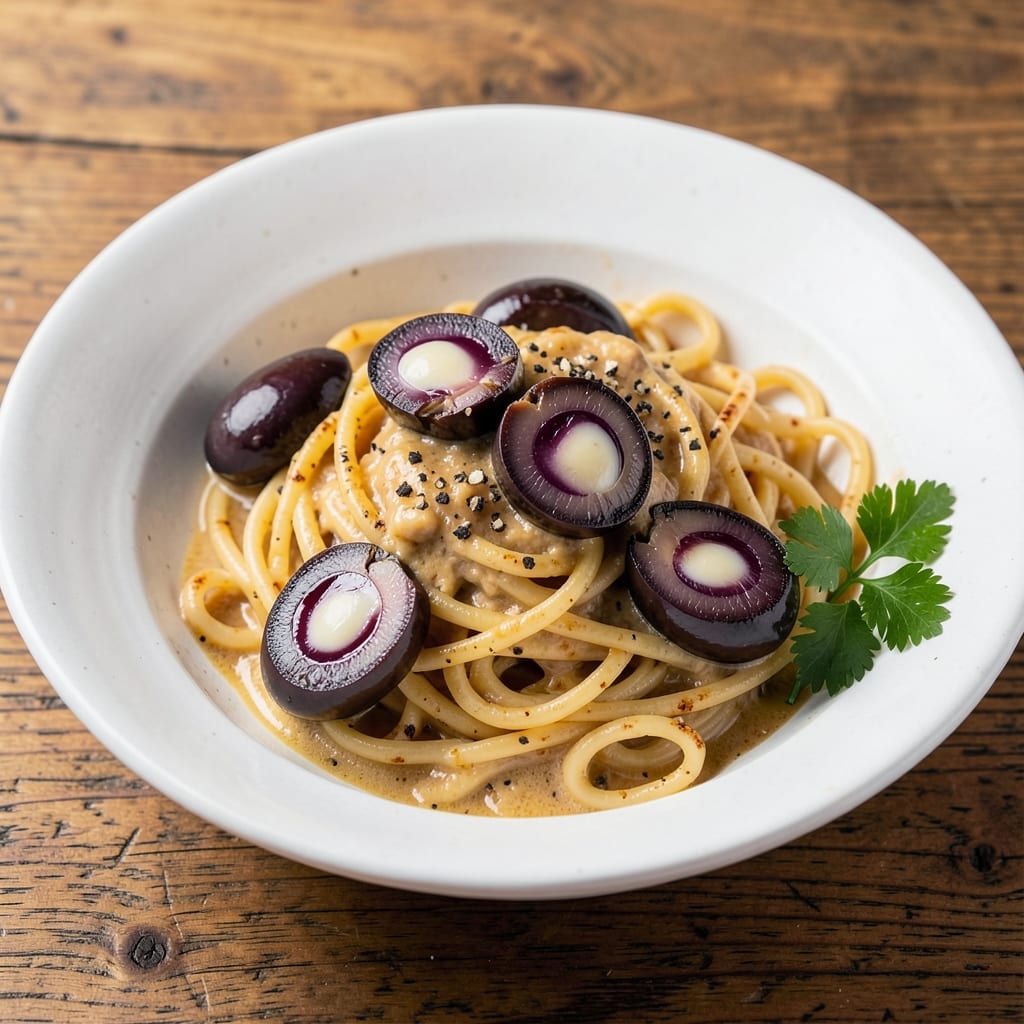
This century egg carbonara recipe transforms a traditional Italian classic into an umami-packed masterpiece that balances salty, creamy, and rich flavors in every bite. The secret lies in properly preparing century eggs—peeling their distinctive black shells and rinsing away the alkaline brine—before combining them with silky egg yolk sauce and perfectly cooked pasta. What makes this dish extraordinary is how the century egg's complex, funky depth cuts through the richness of the carbonara, creating a harmony that's both unexpected and utterly satisfying.
The foundation of this recipe is a proper carbonara sauce, made with raw egg yolks, high-quality cheese, and black pepper, emulsified with starchy pasta water for that signature velvety texture. While traditional carbonara uses guanciale or pancetta, this version replaces it with century eggs, which add a unique umami punch that vegetarians and meat-lovers alike will adore. The key technique is adding the eggs gradually to the hot pasta, ensuring they cook into a smooth, glossy sauce without scrambling.
What you'll end up with is a dish that looks as impressive as it tastes—golden pasta strands coated in a glossy, creamy sauce speckled with century egg yolk rivers and delicate egg ribbons. The contrast of textures—creamy sauce, silky eggs, and al dente pasta—makes every bite exciting, while the balance of salty, umami, and rich flavors keeps it from being too heavy. This is the kind of recipe that turns a simple weeknight dinner into a memorable culinary experience.
Though century eggs may sound intimidating, the preparation is straightforward once you know the tricks—like scoring the shell before peeling and rinsing thoroughly to remove the alkaline taste. For those who want to skip the century eggs entirely, a substitution of preserved duck eggs or even a carefully balanced combination of miso paste and cheese can deliver similar umami depth. Let's get started on creating this umami bomb of a carbonara.
Ingredients for century egg carbonara
Twelve ingredients transform ordinary pasta into an umami-rich masterpiece with century eggs and velvety sauce.
| Ingredient | Amount | Notes |
|---|---|---|
| Century Eggs 🥚 | 4 whole | Peel shells, rinse thoroughly |
| Spaghetti 🍝 | 12 oz | High-quality, al dente preferred |
| Large Egg Yolks 🥚 | 4 whole | Fresh, room temperature |
| Pecorino Romano Cheese 🧀 | 1 cup | Finely grated, aged minimum 12 months |
| Parmesan Cheese 🧀 | ½ cup | Freshly grated, aged minimum 24 months |
| Freshly Ground Black Pepper 🌶️ | 1 tsp | Coarsely cracked, not powdered |
| Extra-Virgin Olive Oil 🫒 | ¼ cup | High-quality, fruity variety |
| Sea Salt 🧂 | 1 ½ tsp | Diamond Crystal preferred |
| Garlic Cloves 🧄 | 2 cloves | Minced, not powdered |
| Freshly Squeezed Lemon Juice 🍋 | 1 tbsp | Bright, not bottled |
| Miso Paste 🍶 | 1 tbsp | White miso for umami depth |
| Fresh Basil Leaves 🌿 | ¼ cup | Chopped, for garnish |
Century eggs are the heart of this dish—look for suppliers specializing in preserved eggs, like Asian grocery stores or specialty markets. The black shells must be scored and peeled carefully to avoid breaking the delicate yolks inside. Rinse them thoroughly under cold water to remove the alkaline brine, which can overpower the dish. If you can't find century eggs, preserved duck eggs or a blend of white miso and aged cheese can replicate the umami depth. For the pasta, Bronze Die Spaghetti from De Cecco is ideal—its rough texture helps the sauce cling better. The cheeses should be aged at least 12 months for maximum flavor; pre-grated varieties often contain anti-caking agents that prevent proper emulsification.
No century eggs? White miso paste plus a splash of soy sauce can mimic the funky depth, though nothing replaces their unique texture. The egg yolks must be fresh and room temperature—older yolks won't emulsify properly. For the black pepper, freshly cracked is non-negotiable; pre-ground pepper loses its potency quickly. The olive oil should be fruity and peppery—California Extra Virgin brands like Corto or Gaea work beautifully. If you're short on time, pre-minced garlic from a jar is acceptable, though fresh is always better. The lemon juice brightens the dish, so avoid bottled versions—their flavor is muted compared to fresh.
Century eggs keep for up to 2 weeks in the fridge once peeled, stored in a sealed container with a splash of water. The pasta water should be salty and starchy—save at least 1 cup before draining. This sauce is best served immediately, but leftovers reheat beautifully in a low-temperature water bath to prevent scrambling. For presentation, toss with fresh basil just before serving—it adds a bright contrast to the rich flavors. The dish tastes even better the next day as the flavors meld, so double the recipe if you're hosting.
Why You'll Love This Recipe
- Here’s what sold me: I can feed four people for under $10, and it tastes like I spent hours slaving away. The century eggs add drama without costing a fortune, and the cheese stretches further than you’d think. Plus, the egg yolks? They’re the most budget-friendly way to make pasta feel decadent.
- No Chopping Needed: I’ll be real—this dish is one of those rare meals where I don’t even grab a knife. The century eggs? Just peel and slice. The cheese? Grate it. That’s it. The spaghetti’s the only thing that needs boiling, and honestly, I let it do its own thing while I focus on the sauce.
- Umami Bomb: Between us, that century egg is the star here. The creamy, slightly funky yolk melts into the pasta like a secret weapon, while the salty, briny cheese ties it all together. It’s rich but not heavy—more like a luxurious hug for your taste buds than a greasy indulgence.
- Weeknight to Weekend: This recipe works when I’m exhausted and when I’m trying to impress. Toss it together for a lazy Tuesday or serve it at a dinner party—just swap the spaghetti for linguine if you’re feeling fancy. The leftovers? Even better the next day, because the flavors deepen like a good wine.
Step-by-step instructions for century egg carbonara
Transform traditional carbonara with century eggs' signature umami depth and silky texture—this method balances bold flavors with perfect technique.
Prepare the Century Eggs for Maximum Flavor
Peel the shells from the 4 whole century eggs, then rinse them thoroughly under cold water to remove any surface residue. The eggs should have that distinctive dark, gelatinous exterior—this is where the umami magic happens. Using a sharp knife, carefully slice each egg in half lengthwise, separating the creamy yolk from the firm white center. Reserve the yolks for the sauce and set aside the whites for garnish or discard if preferred.
Here's the thing—century eggs have an intense, funky aroma that some find polarizing. To mellow this, I recommend gently simmering the yolks in a small saucepan with 1 tablespoon of the extra-virgin olive oil for exactly 2 minutes. This step softens the yolks into a luxurious, spreadable consistency while integrating their unique flavor into the oil. Strain through a fine-mesh sieve to remove any membrane fragments, then set aside the infused oil.
Create the Umami-Rich Egg and Cheese Base
In a medium bowl, whisk together the 4 whole large egg yolks, 1 tablespoon of the miso paste, and 1 tablespoon of the freshly squeezed lemon juice until completely smooth. The miso adds an extra layer of savory depth that complements the century eggs' natural funk. Gradually whisk in 1 cup of finely grated Pecorino Romano cheese and 0.5 cup of freshly grated Parmesan cheese until the mixture becomes thick and velvety—this should take about 1 minute of steady whisking.
Taste the mixture and adjust seasoning with the 1 teaspoon of freshly ground black pepper. The cheese should be fully dissolved with no visible lumps, and the texture should resemble heavy cream. If the mixture appears too thick, add 1 teaspoon of the reserved century egg-infused olive oil to loosen it. This base is the foundation of your sauce, so take your time getting it just right.
Cook the Spaghetti Al Dente with Century Egg Infusion
Bring a large pot of water to a rolling boil, then add 1.5 teaspoons of sea salt. The water should taste like the sea—this ensures properly seasoned pasta. Add the 12 oz of spaghetti and cook until 1 minute before the package instructions for al dente. Before draining, reserve 1 full cup of pasta water—this starchy liquid is essential for creating the silky sauce.
Drain the spaghetti, then immediately return it to the pot. Add 2 tablespoons of the century egg-infused olive oil and toss vigorously to coat. This step ensures the pasta absorbs the century egg's unique flavor before the sauce is added. Keep the pot over low heat to maintain warmth while you prepare the final sauce components.
Combine and Finish with Perfect Sauce Texture
Remove the pot of spaghetti from heat and add the egg-cheese mixture in a slow, steady stream while tossing continuously with tongs. The residual heat from the pasta will gently cook the eggs into a silky sauce—this is critical for achieving that signature carbonara texture. If the sauce begins to thicken too much, add reserved pasta water 1 tablespoon at a time until it reaches a luxurious, clinging consistency.
Return the pot to low heat for exactly 30 seconds to ensure everything is heated through. The sauce should now coat the spaghetti completely, with no visible dry strands. Taste and adjust seasoning with additional sea salt if needed—century eggs are salty, so you might not need much. The final sauce should be rich, umami-forward, and perfectly balanced between the century egg's funk and the cheeses' brightness.
Plate with Garnish and Serve Immediately
Divide the carbonara among 4 warmed plates, then garnish each serving with a small spoonful of the century egg whites (for visual contrast) and 1 tablespoon of the chopped fresh basil leaves. The basil adds a bright, herbal note that cuts through the richness. Serve immediately while the sauce is still silky and the pasta maintains its al dente bite.
This dish delivers a perfect marriage of textures—creamy sauce, al dente pasta, and the century egg's distinctive bite. The umami profile is elevated while maintaining the classic carbonara structure. Each bite should offer a complex interplay of savory, salty, and slightly funky flavors that build with every mouthful.
Pro Tips For Making Century Egg Carbonara
- Boil Spaghetti Saltier: Century eggs are already packed with salt—don’t double down by underseasoning the pasta water. Use about 2 teaspoons of salt per liter (yes, even if the water tastes "too salty" to you). The sauce will balance it out, and your noodles won’t taste bland afterward.
- Drain Pasta Right Before: Reserve ½ cup of starchy pasta water, but drain the spaghetti just before adding it to the sauce. The residual heat keeps cooking it, and the water stays thick enough to emulsify the egg-cheese mix. I learned this the hard way—over-drained pasta turns gummy when tossed.
- Separate Century Eggs Carefully: The jelly-like insides are the star, but the salty outer membrane can make the sauce bitter if overused. Scoop out the yolk and white separately, then use only the yolk (about 2-3 per serving) for the sauce—save the white for garnish or a quick pickle if you’re feeling fancy.
- Warm Cheese First: Grate Pecorino Romano and Parmesan together, then toss the cheese into the hot pan with the yolks for 10 seconds. The heat melts it faster and prevents clumping—no need to fuss with a double boiler. (I used to strain it like risotto, but this works just as well.)
Pro cooking tips for perfect results
Century Egg Prep
Peeling century eggs is an art—score the shell with a sharp knife before peeling to avoid breaking the delicate yolks. Rinse them thoroughly under cold water for 30 seconds to remove the alkaline brine, which can overpower the dish. For extra flavor infusion, gently simmer the yolks in 1 tablespoon olive oil for 2 minutes before straining. This step creates a luxurious, spreadable consistency that blends beautifully with the carbonara sauce. 🥚
Sauce Emulsification
Whisk the egg yolks with miso paste and lemon juice first to create a smooth base before adding the cheeses. Gradually incorporate the Pecorino Romano and Parmesan while whisking vigorously for 1 minute—this prevents lumps and ensures a velvety texture. The key is patience: if the mixture thickens too much, loosen it with 1 teaspoon of the century egg-infused olive oil. The sauce should resemble heavy cream before combining with pasta. 💫
Pasta Water Magic
Never drain all the pasta water—reserve 1 cup of that starchy liquid before draining. It's the secret weapon for achieving the perfect silky sauce. When combining the egg mixture with the pasta, add the water 1 tablespoon at a time until you reach a luxurious, clinging consistency. The starch acts as a natural emulsifier, binding the sauce to the pasta strands. This technique is what separates a good carbonara from a great one. ⚡
Temperature Control
Work quickly but deliberately when combining the egg mixture with the hot pasta—remove the pot from heat before adding the sauce to prevent scrambling. The residual heat from the pasta will gently cook the eggs into a silky texture. Return the pot to low heat for just 30 seconds to ensure everything is heated through without overcooking. This precise temperature control is what creates that signature creamy finish. 🌡️
Century Egg Balance
Century eggs are salty, so taste your sauce before serving and adjust with additional sea salt if needed. The goal is to balance their funky depth with the cheeses' brightness. Garnish with the reserved century egg whites for visual contrast and fresh basil for a bright, herbal note. This dish tastes even better the next day as the flavors meld, so consider doubling the recipe for leftovers. 💡
Nutrition facts
Frequently asked questions
Can I substitute century eggs in this recipe?
Yes! For a similar umami depth, use 4 preserved duck eggs or a blend of 1 tbsp white miso paste + 1 tsp soy sauce mixed into the egg-cheese base. The texture won't be identical, but the flavor profile will remain rich and savory. If using duck eggs, rinse them thoroughly to remove excess salt.
Why does my carbonara sauce get grainy?
Graininess happens when egg yolks cook too quickly, breaking their emulsion. Always remove the pasta from heat before adding the sauce, then return to low heat for just 30 seconds to finish. Work quickly and keep everything warm but not hot. If it happens, stir in 1 tbsp reserved pasta water to restore silkiness.
How do I make this vegetarian?
Replace century eggs with 1 tbsp white miso + 1 tbsp nutritional yeast mixed into the cheese base. For extra richness, add 2 tbsp vegan butter to the pasta water while cooking. The umami balance remains intact, though the texture will be slightly lighter. Always taste and adjust saltiness—vegetarian versions often need more seasoning.
Can I use frozen century eggs?
Fresh century eggs work best, but if using frozen, thaw them overnight in the fridge and rinse extra thoroughly to remove brine. The texture may be slightly firmer, so simmer the yolks in olive oil for 3 minutes instead of 2 to achieve a spreadable consistency. Avoid microwave thawing—it can make the eggs rubbery.
What's the best pasta shape for this dish?
While spaghetti is traditional, bucatini or rigatoni work beautifully—their hollow centers hold extra sauce. For a rustic touch, try pappardelle or fettuccine. Avoid small shapes like penne, as they struggle to coat properly with the creamy sauce. Bronze-die pasta adds extra texture for sauce adhesion.