
Breakfast & Brunch
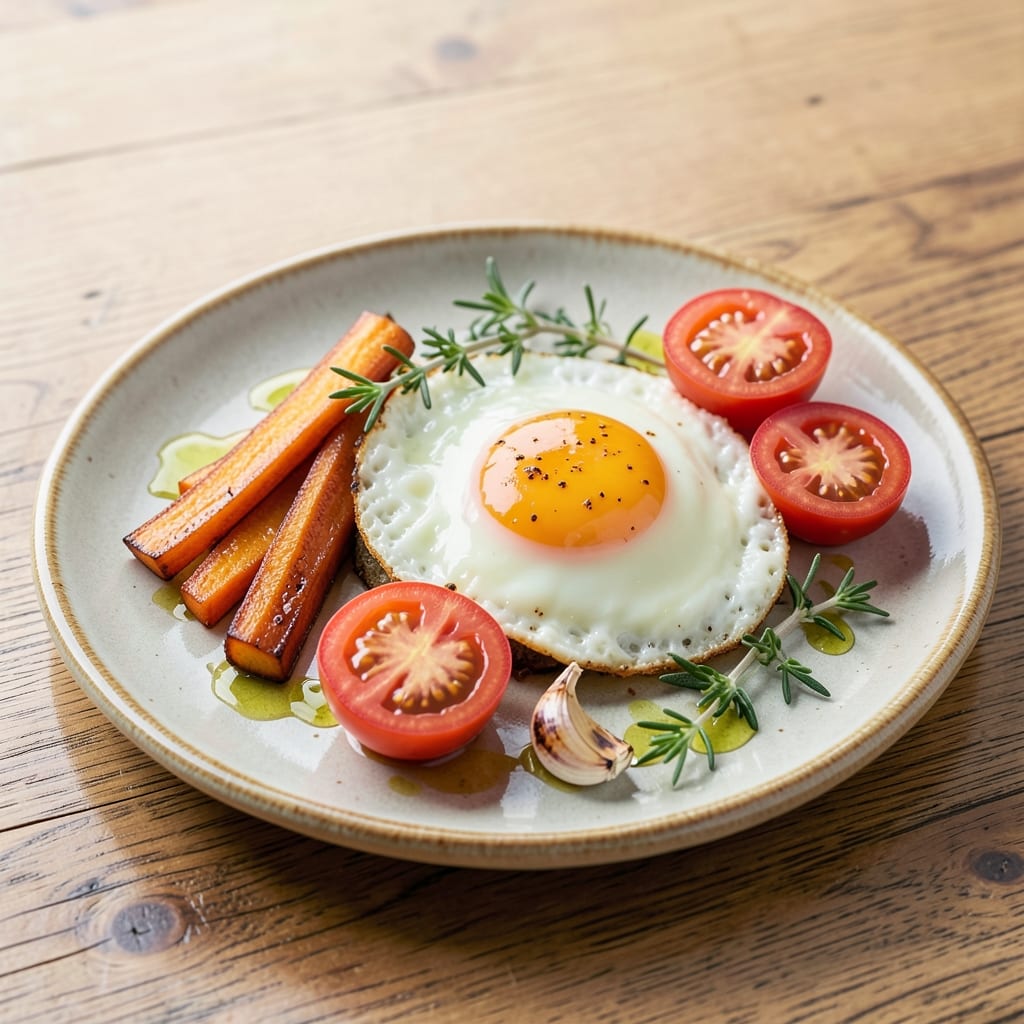
This carrot tomato egg recipe transforms humble ingredients into a fast, protein-packed breakfast with crispy edges that’ll make your morning routine feel like a gourmet experience. The secret lies in roasting the vegetables until caramelized—intensifying their natural sweetness while creating that coveted texture contrast. I developed this after realizing how often my weekday breakfasts became a sad scramble of cold eggs and limp veggies.
What makes these breakfast cups special is the balance: roasted carrots add earthy depth, sun-ripened tomatoes bring bright acidity, and fluffy eggs tie it all together with rich protein. The dish comes together in under 30 minutes with minimal active prep—just dice, roast, and assemble. Perfect for meal preppers or anyone tired of boring breakfast options, this recipe delivers restaurant-quality flavor without the fuss.
Each bite delivers a satisfying mix of textures—crispy caramelized edges on the vegetables, creamy egg yolks, and tender roasted centers. The tomatoes release their juices just enough to create a natural sauce that coats every forkful. This isn't just breakfast; it's a complete, satisfying meal that'll keep you full until lunch. Ready to upgrade your mornings?
These cups reheat beautifully for busy weekdays and scale perfectly for batch cooking. The flavors actually improve slightly the next day as the vegetables continue to soften and absorb the egg's richness. Here's how to make them:
Ingredients for carrot tomato egg
Roasted veggies, fluffy eggs, and crispy edges—this fast breakfast transforms simple ingredients into gourmet-worthy cups.
| Ingredient | Amount | Notes |
|---|---|---|
| Medium Carrots 🥕 | 1 ½ lb | Baby carrots work too, cut into chunks |
| Medium Tomatoes 🍅 | 4 whole | Sun-ripened, cherry or grape preferred |
| Large Eggs 🥚 | 8 whole | Freshly cracked for best texture |
| Extra-Virgin Olive Oil 🫒 | ½ cup | High quality, fruity variety |
| Garlic Cloves 🧄 | 4 cloves | Minced for even distribution |
| Fresh Thyme Leaves 🌿 | ¼ cup | Dried works at one-third amount |
| Salt 🧂 | 1 ½ tsp | Diamond Crystal preferred |
| Ground Black Pepper 🌶️ | ½ tsp | Freshly ground for best flavor |
| Red Pepper Flakes 🌶️ | ¼ tsp | Optional for heat preference |
| Shredded Parmesan Cheese 🧀 | ¼ cup | Freshly grated for best flavor |
| Fresh Basil Leaves 🌿 | ⅛ cup | Chopped for garnish |
| All-Purpose Flour 🌾 | 1 tbsp | For dusting baking cups |
The carrots and tomatoes are your flavor foundation. Heirloom tomatoes from the farmers market add the most vibrant acidity, but any sun-ripened variety works—just avoid mealy ones. Carrots should be bright orange and firm; Trader Joe's often carries the best pre-washed organic bunch. For the eggs, pasture-raised makes a noticeable difference in richness, but regular eggs work perfectly fine. The secret to those crispy edges? Roasting the vegetables at high heat until caramelized—don't skip this step. I like to use Whole Foods' organic carrots when I'm feeling fancy, but regular grocery store carrots work just as well when cut evenly into chunks.
No fresh thyme? Dried thyme at one-third the amount gets you close, but fresh gives that bright herbal note. Running low on Parmesan? Pecorino Romano works beautifully too—just grate it yourself. The red pepper flakes are optional but add a nice kick; Penzeys has excellent varieties if you want to experiment. For the olive oil, California avocado oil has a higher smoke point if you're roasting at very high temperatures. The flour is just for dusting your baking cups—any all-purpose brand works, but King Arthur is my go-to for reliable baking performance. If you're short on time, you can even skip the flour and just use a well-oiled muffin tin.
Roasted vegetables keep for 4-5 days in the fridge, covered tightly. The egg mixture can be prepped ahead and stored for 1 day in the fridge—just give it a quick whisk before baking. For meal prep, I like to assemble the cups fresh and refrigerate them overnight—the flavors meld beautifully. These reheat perfectly in the microwave for 30 seconds, or you can bake them at 350°F for 10 minutes to revive that crispy texture. The cups also freeze well for up to 2 months—just thaw overnight in the fridge before reheating. The basil and Parmesan should be added fresh after baking for the best presentation.
Why You'll Love This Recipe
- One-Pan Magic: I swear by this—just toss everything on one skillet, no extra pots or pans. The carrots and tomatoes soften while the eggs cook, and honestly? That’s about as hands-off as it gets for a meal that still feels intentional.
- Garlic-Kissed Crispy Edges: Between us, that first bite of the egg—crispy around the edges, runny inside—with the sweetness of carrot and tomato caramelizing? It’s the kind of flavor that makes you pause mid-fork. The garlic? Oh, it’s the secret weapon here.
- Lunchbox Hero: Pack these for work or school—warm or cold, they hold up perfectly. My kid actually asks for them now, and I’ve even frozen extras for those days when I’m too tired to cook. (Yes, even on a Tuesday night.)
- Pantry Staple Power: Carrots, tomatoes, eggs—these are things I always have lying around. No fancy ingredients, no last-minute grocery runs. Plus, the leftovers? They taste just as good reheated the next day, so it’s basically free money in my book.
Step-by-step instructions for savory breakfast cups with crispy edges
Here's how to create golden, crispy-edged breakfast cups that bake in under 30 minutes.
🍳 Step 1: Prep and Roast the Carrot-Tomato Base
Preheat your oven to 400°F and line a baking sheet with parchment paper. Peel and cut the 1.5 lb medium carrots into ½-inch thick rounds, then halve lengthwise. Dice the 4 whole medium tomatoes into ¼-inch chunks—this ensures even cooking and maximum flavor infusion.
In a large bowl, toss the carrots and tomatoes with 0.25 cup fresh thyme leaves, 4 cloves minced garlic, 1.5 tsp salt, 0.5 tsp ground black pepper, and 0.25 tsp red pepper flakes. Drizzle with 0.25 cup extra-virgin olive oil and mix until everything is evenly coated. Spread the mixture in a single layer on the prepared baking sheet, leaving ½-inch gaps between pieces.
Roast for 15-18 minutes until the carrots are tender when pierced with a fork and the tomatoes begin to soften. You want them to stay intact but develop a slightly caramelized edge—that's your signal they're ready for the next step. Real talk: don't overcrowd the pan or they'll steam instead of crisp up.
👨🍳 Step 2: Prepare the Egg Mixture and Assemble Cups
While the vegetables roast, whisk together the 8 whole large eggs in a medium bowl until the yolks and whites are fully combined. Season lightly with an additional ½ tsp salt and ¼ tsp black pepper—you've already got plenty of seasoning in the veggie base.
Lightly dust four 6-ounce ramekins (or oven-safe mugs) with 1 tbsp all-purpose flour, tapping out any excess. Divide the roasted carrot-tomato mixture evenly among the ramekins, pressing down gently to create a compact base. This ensures the eggs have something solid to cling to and prevents a watery texture.
Here's the thing—don't overfill the ramekins. You want about ½-inch headspace at the top for the eggs to expand. Pour the egg mixture evenly over the vegetable bases, dividing it equally among all four ramekins.
🔥 Step 3: Bake Until Golden and Set
Transfer the ramekins to a baking sheet (for easy handling) and bake at 375°F for 12-15 minutes. You're looking for the edges to turn a beautiful golden brown while the centers remain just set—think custardy, not rubbery. The key is watching closely after 10 minutes because ovens vary.
I press down gently on the center of each ramekin with a spatula—if it springs back slightly but holds its shape, it's ready. If it jiggles too much, give it another minute or two. The reason we bake at a slightly lower temperature than the roast is to prevent the eggs from cooking too quickly on top while the bottom finishes.
Once baked, let the cups rest for 2 minutes before removing from the ramekins. This brief resting period helps the centers set properly and makes them easier to unmold. The edges should be crisp enough to hold their shape when lifted, but still tender enough to cut with a spoon.
🥘 Step 4: Finish and Serve Immediately
While the cups are still warm, sprinkle each one generously with 0.25 cup shredded parmesan cheese and 0.125 cup chopped fresh basil leaves. The cheese will melt slightly from the residual heat, creating a creamy, savory topping that ties everything together. I like to add a final pinch of salt and black pepper right before serving—it brightens all the flavors.
Serve immediately with crusty bread on the side for dipping. The contrast between the crispy edges and the silky egg centers is what makes these breakfast cups so special. If you're making them ahead, assemble the vegetable bases and refrigerate overnight, then bake with fresh eggs in the morning—they'll still be delicious, though the edges won't be quite as crisp.
Pro Tips For Making Carrot Tomato Egg
- Slice Carrots Thinly: I learned this the hard way—thick carrot slices stay tough and undercooked. Aim for 1/8-inch slices (about 3mm) so they soften evenly in the same time as the tomatoes. If you’re impatient, a mandoline makes this faster, but a sharp knife works too—just don’t rush.
- Salt Tomatoes First: Sprinkle crushed tomatoes with a pinch of salt and let them sit for 10 minutes before cooking. This draws out excess water, so they caramelize better instead of turning mushy. (Yes, even if you’re in a hurry—trust the process.)
- Low and Slow for Eggs: Crank the heat to medium-low when adding eggs to the pan. High heat makes them rubbery or overcooked before the veggies are done. A gentle simmer keeps them creamy—like a soft scramble—while the carrots and tomatoes finish.
- Use Garlic Oil: Sauté minced garlic in olive oil until it’s just golden (about 30 seconds)—not brown. Pour this fragrant oil over the finished dish. It adds depth without overpowering the natural sweetness of the carrots and tomatoes. (Skip the burnt bits; they taste bitter.)
Serving suggestions for this carrot tomato egg
Crusty Bread Pairing
Serve these breakfast cups alongside warm, crusty bread for the ultimate dipping experience. I love using a baguette or ciabatta—their open crumb structure soaks up the egg sauce beautifully. For extra flair, toast the bread with garlic-infused olive oil and sprinkle with flaky sea salt before serving. The contrast between the crispy bread and tender egg cups creates a satisfying textural experience. 🥖
Fresh Herb Garnishes
Brighten the presentation with fresh herbs that complement the roasted vegetables. A sprinkle of chopped parsley or cilantro adds vibrant color, while microgreens elevate the dish to restaurant-quality plating. I often finish with a few basil leaves torn by hand—their aromatic oils release when warm, enhancing the tomato's natural sweetness. Use a small pair of kitchen shears for clean, precise cuts.
Cheese Variations
Swap the Parmesan for other cheeses to customize the flavor profile. Feta cheese crumbles add tangy brightness, while goat cheese brings creamy richness. For a smoky twist, try smoked Gouda or pecorino romano. I recommend grating the cheese yourself for the best texture—pre-shredded cheese contains anti-caking agents that prevent proper melting. Use 1/4 cup of any alternative for optimal flavor.
Dipping Sauces
Offer a small bowl of garlic aioli or spicy harissa yogurt sauce for dipping. The aioli pairs beautifully with the roasted vegetables, while the harissa adds a refreshing heat contrast. For a quick homemade aioli, mix 1/2 cup mayonnaise with 1 minced garlic clove, 1 tsp lemon juice, and 1/2 tsp salt. Keep the sauce chilled until ready to serve for maximum freshness.
Breakfast Beverages
Pair these cups with a hot or cold beverage that complements their savory-sweet profile. A robust black coffee or espresso cuts through the richness, while a citrusy iced tea balances the meal's heartiness. For a seasonal option, serve with hot apple cider during fall months. I find that a small glass of dry white wine, like Sauvignon Blanc, works surprisingly well for brunch settings. 🍷
Make-Ahead Presentation
If prepping ahead, assemble the vegetable bases in ramekins and refrigerate overnight. In the morning, top with fresh eggs and bake as directed. For a visually appealing presentation, arrange the cups on a wooden serving board with scattered fresh herbs. Garnish with edible flowers like nasturtiums for a pop of color. The warm, golden cups will look just as inviting as they taste—perfect for serving guests or special weekend brunches. ✨
Nutrition facts
Frequently asked questions
Can I make these without a ramekin?
Use 6-ounce oven-safe mugs or even small ovenproof bowls. For a rustic look, try mini cast-iron skillets (like those used for mini frittatas). Just ensure they're deep enough to hold the egg mixture without overflowing during baking.
How do I prevent the eggs from getting watery?
Press the roasted veggie base firmly into the ramekins to create a compact layer. This prevents the eggs from pooling at the bottom. Also, use fresh eggs (they have firmer whites) and bake at 375°F for exactly 12-15 minutes—no longer, or the centers will overcook.
What if I don't have sun-ripened tomatoes?
Use roma tomatoes for their meatier texture or even grape tomatoes (halved). Avoid vine-ripened grocery store tomatoes—they're too watery. For extra flavor, add 1 tsp tomato paste to the roasting vegetables. The acidity helps balance the sweetness of the carrots.
Can I make this recipe ahead of time?
Yes! Roast the carrot-tomato base 1 day ahead and store covered in the fridge. Assemble with eggs the morning of baking. For best texture, bake fresh—edges won't be as crisp when reheated, but the flavors will still be delicious.
What's the secret to crispy edges?
Roast the vegetables at 400°F for 15-18 minutes until caramelized, then bake the eggs at 375°F—the lower temp prevents the eggs from cooking too quickly while the veggie edges crisp up. Use ramekins with textured bottoms (like ceramic) for extra crunch.