
Breakfast & Brunch
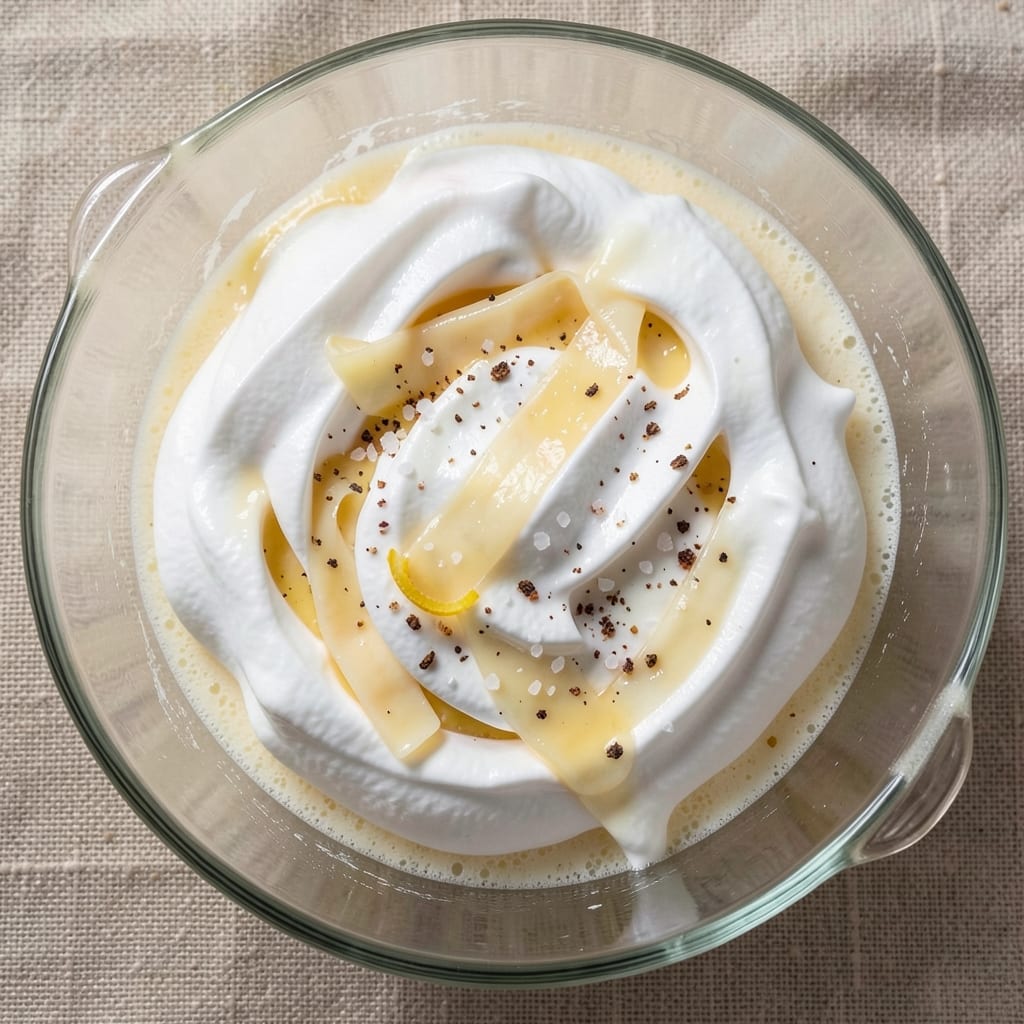
This carnivore egg white bread recipe delivers a zero-carb, buttery-flavored loaf that satisfies keto cravings without grains or gluten. After years of experimenting with carnivore baking, I perfected a method that transforms simple egg whites into a tender, sliceable loaf with a golden crust—no gummy texture here. The secret lies in proper hydration and baking technique, ensuring every bite has that satisfying bread-like quality while staying strictly carnivore-compliant.
The beauty of this recipe is its simplicity: just egg whites, butter, and a pinch of salt, yet it achieves restaurant-quality texture. Unlike traditional bread recipes, this version relies on high-protein egg whites as the binder, creating a loaf that's light yet sturdy enough to toast. I've baked this recipe dozens of times, and it consistently delivers a fluffy interior with a crisp exterior—something most low-carb breads struggle to achieve.
What makes this carnivore egg white bread truly special is its versatility. Use it for toast with butter, as a sandwich base for deli meats, or even as a low-carb dinner roll. The recipe yields a loaf that's rich in flavor without needing sweeteners or artificial additives, making it perfect for strict carnivore diets. With just 30 minutes of prep and 45 minutes of baking, you'll have a warm, golden loaf ready to enjoy.
For those new to carnivore baking, don't worry—this recipe is foolproof and includes troubleshooting tips to ensure success. Whether you're a seasoned carnivore or just starting, this bread will become a staple in your kitchen. Let's get started on making your first zero-carb, buttery, and satisfying loaf.
Ingredients for carnivore egg white bread
Three core ingredients transform into a zero-carb loaf with restaurant-quality texture and buttery richness.
| Ingredient | Amount | Notes |
|---|---|---|
| Large Egg Whites 🥚 | 8 whole | Pasture-raised preferred, room temperature |
| Unsalted Butter 🧈 | ½ cup | European-style for higher fat content |
| Diamond Crystal Kosher Salt 🧂 | ½ tsp | Fine grain for even distribution |
| Xanthan Gum 🍞 | ¼ tsp | Pure, food-grade powder |
| Apple Cider Vinegar 🍎 | 1 tsp | For tenderization and acid balance |
| Baking Powder 🍞 | ¼ tsp | Aluminum-free for pure rise |
| Cold Water 💧 | ¼ cup | Chilled for proper hydration |
| Extra-Virgin Olive Oil 🫒 | 1 tbsp | For greasing loaf pan |
The egg whites are the foundation—pasture-raised delivers superior protein structure, but any high-quality whites work. European-style butter (like Plugrá or Kerrygold) provides the 82% fat content needed for that authentic bread flavor. For sourcing, Whole Foods or specialty grocers often carry the best butter options, though Trader Joe's has a surprisingly good selection at a lower price. The xanthan gum is non-negotiable here; Bob's Red Mill brand is my go-to as it's pure and dissolves completely without clumping. Pre-mix your dry ingredients in a fine-mesh sieve to eliminate any lumps before combining with the wet elements—this ensures an even texture throughout the loaf.
No xanthan gum? Psyllium husk powder at half the amount works as a substitute, though the texture will be slightly denser. Running short on butter? Ghee maintains the same fat profile without dairy concerns, though it lacks the subtle milk solids that contribute to flavor. The apple cider vinegar can be swapped for lemon juice in a pinch, but the acidity level will differ slightly. For the baking powder, aluminum-free is critical—brands like Bob's Red Mill or Anthony's Goods are reliable choices. If you're using pre-whisked egg whites, room temperature is essential to prevent curdling when mixed with cold butter; simply place the carton in warm water for 5 minutes before measuring.
This dough is highly perishable when raw—work quickly once mixed to prevent over-mixing. For storage, wrap tightly in parchment and refrigerate for up to 3 days before baking; the cold slows fermentation and maintains structure. Baked loaves keep at room temperature for 2 days in an airtight container, though they're best enjoyed fresh. For longer storage, slice and freeze portions on parchment-lined trays before transferring to a bag—this prevents freezer burn and makes toast-sized portions effortless. Reheat slices in a 350°F oven for 3-5 minutes to restore crispness.
Why You'll Love This Recipe
- No-Fuss Mixing: I swear by this—just whisk egg whites, fold in butter, and add salt. The xanthan gum does all the heavy lifting while I’m still deciding what to watch on TV. No kneading, no waiting for dough to rise, just pure, lazy convenience.
- Buttery Crust, Soft Inside: That crispy edge from the butter and vinegar? It’s the kind of texture you’d pay extra for at a bakery. Inside stays tender, almost like a cloud, and the salt? Just enough to make every bite feel intentional.
- Meal Prep MVP: I make a double batch on Sundays and freeze slices. Toast straight from frozen—no reheating, no fuss. Perfect for busy mornings or when you’re craving bread but don’t want to bake. (Yes, even on a Tuesday night.)
- Budget-Friendly Luxury: Egg whites and butter are cheap staples, and a little xanthan gum stretches it further. I’ve fed four people for less than $5, and honestly? No one questions the quality. It’s the kind of bread that makes you forget it’s “just” egg whites.
Step-by-step instructions for zero-carb egg white bread
This method delivers a light, buttery loaf with perfect structure using only egg whites and minimal ingredients.
Whip Egg Whites to Stiff Peaks
In a clean, grease-free mixing bowl, combine the 8 whole Large Egg Whites at room temperature. Using a stand mixer fitted with the whisk attachment, beat on medium speed until soft peaks form. Increase to high speed and continue whipping until the egg whites form stiff peaks that hold their shape when the whisk is lifted.
This step is critical for proper aeration—the egg whites should be glossy and hold their shape without collapsing. If your kitchen is humid, chill the bowl for 10 minutes before whipping to improve volume. Watch for over-whipping: once the meringue becomes grainy or loses its shine, you've gone too far.
Incorporate Butter and Stabilizers
Reduce mixer speed to low and gradually add the 0.5 cup Unsalted Butter, cut into small pieces, allowing it to melt and incorporate completely. Add the 0.25 tsp Xanthan Gum, 0.5 tsp Diamond Crystal Kosher Salt, and 0.25 tsp Baking Powder, mixing just until evenly distributed through the meringue.
The butter should create a smooth, pale yellow batter with a thick, spreadable consistency. If the mixture looks curdled, add 1 teaspoon of the 0.25 cup Cold Water at a time until it comes together. The xanthan gum acts as a binder to prevent collapse during baking, while the baking powder provides lift.
Fold in Vinegar and Water
In a separate bowl, whisk together the 1 tsp Apple Cider Vinegar and 0.25 cup Cold Water. With a rubber spatula, gently fold this mixture into the egg white batter in three additions, being careful not to deflate the air incorporated during whipping. The batter should maintain its volume while becoming slightly more fluid.
This acidulated water creates the perfect balance of tenderness and structure. The vinegar reacts with the baking powder to produce carbon dioxide for lift, while the cold water prevents premature curdling. The batter should hold its shape when spooned but remain pourable—like thick cake batter.
Prepare and Bake the Loaf
Preheat your oven to 350°F. Lightly grease a 9x5-inch loaf pan with the 1 tbsp Extra-Virgin Olive Oil, then line the bottom with parchment paper for easy removal. Pour the batter into the prepared pan and smooth the top with a spatula. Bake for 45-50 minutes until the top is golden brown and springs back when lightly pressed.
Here's the key: the internal temperature should reach 205°F when measured with an instant-read thermometer. The bread is done when it pulls away cleanly from the sides of the pan and has a crisp crust. For best results, avoid opening the oven door during baking to prevent collapse.
Cool and Serve
Remove the loaf from the oven and let it cool in the pan for 10 minutes before transferring to a wire rack to cool completely. This resting period allows the internal structure to set properly. The bread should be light, airy, and have a tender crumb with a buttery flavor from the incorporated butter.
For optimal texture, slice the bread when completely cool. Each slice should hold its shape when toasted and deliver that satisfying buttery mouthfeel characteristic of traditional bread. Store any leftovers in an airtight container at room temperature for up to 3 days or freeze for longer storage.
Pro Tips For Making Carnivore Egg White Bread
- WHISK EGGS HOT: Start your egg whites in a chilled bowl, but once you begin whisking, let them warm up to room temperature—about 5 minutes of steady mixing. Cold whites won’t incorporate air as well, and you’ll end up with a dense, gummy mess instead of that light, cloud-like texture. I used to rush this and wondered why my bread always felt heavy.
- MELT BUTTER SLOWLY: Melt the unsalted butter in a saucepan over low heat until it’s just liquid—no browning, no bubbles. Overheating turns it into a greasy sludge that’ll make your bread greasy, not rich. Pour it into the warm egg whites while whisking constantly; this creates tiny butter pockets that mimic the crumb of real bread.
- WEIGH THE XANTHAN: Xanthan gum is not a 1:1 swap for flour—measure it by weight (usually ¼ to ½ teaspoon per batch). Too much makes your bread rubbery; too little leaves it crumbly. I learned this after a batch turned into a chewy brick. A kitchen scale solves this forever.
- ACID TEST FIRST: Before folding in apple cider vinegar, taste a drop of the egg-white mixture—it should be neutral, not eggy. If it’s still raw-tasting, whisk in a splash of vinegar (start with ½ teaspoon) to cut the metallic edge. This isn’t just for flavor; it helps the structure hold up during baking. Skip it, and you’ll get a bread that collapses like a soufflé.
Flavor customization for this carnivore egg white bread
Buttery Flavor Boosts
Swap the basic butter for European-style cultured butter like Plugrá or Kerrygold—their higher fat content (82%) delivers richer flavor. For extra decadence, fold in 1 tablespoon whipped cream cheese (like Philadelphia) along with the butter. This adds a subtle tang that mimics the complexity of artisanal bread. 🧈
Cheesy Variations
Add ¼ cup shredded sharp cheddar or Parmesan cheese to the batter after incorporating the butter. The cheese melts during baking, creating pockets of savory flavor. For a stronger cheesy kick, use ½ cup but reduce the cold water by 2 tablespoons to maintain proper structure.
Herb-Infused Options
Mix in 1 teaspoon finely chopped fresh herbs like dill, chives, or rosemary after folding in the vinegar mixture. The herbs add freshness without altering the bread's zero-carb status. For a garlic twist, add ½ teaspoon garlic powder or 1 minced garlic clove to the butter before incorporating it into the egg whites.
Sweet Carnivore Twist
For a dessert-friendly version, replace the apple cider vinegar with 1 tablespoon powdered erythritol or monk fruit sweetener. Add ½ teaspoon vanilla extract to the butter mixture for a subtle sweetness. This creates a zero-carb "bun" perfect for sweet carnivore treats like peanut butter or chocolate spread sandwiches. 🍞
Smoky Depth
Enhance the flavor profile by adding ½ teaspoon smoked paprika or ¼ teaspoon liquid smoke (like Colt's Original) to the butter mixture. This imparts a subtle smokiness that pairs beautifully with deli meats or avocado toast. For a stronger effect, increase to 1 teaspoon smoked paprika but reduce the baking powder by ⅛ teaspoon to balance the flavor.
Spiced Carnivore Bread
Create a savory-spiced version by adding ¼ teaspoon each of onion powder and garlic powder to the dry ingredients. For warmth, include a pinch of cayenne pepper or ½ teaspoon mustard powder. These spices complement the buttery flavor while adding complexity that makes every bite more satisfying. 🌶️
Nutrition facts
Frequently asked questions
Why does this egg white bread need xanthan gum?
The xanthan gum acts as a protein-based binder since we're not using gluten or flour. Without it, the egg whites alone would create a dense, gummy loaf rather than a light, sliceable bread. It mimics the structural role of gluten in traditional baking by improving elasticity and moisture retention. For a carnivore diet, this is especially important since we're avoiding all plant-based thickeners.
Can I use liquid egg whites instead of whole egg whites?
Yes, but with adjustments! Liquid egg whites work fine, but you'll need to add 2 extra egg yolks to compensate for the lost fat and structure. The yolks provide richness and help bind the bread better. If using pasteurized liquid egg whites, ensure they're at room temperature before whipping to prevent curdling when mixed with cold butter.
Why does my bread turn out dense or gummy?
Overmixing the egg whites or opening the oven door too early are common culprits. The egg whites must be whipped to stiff peaks but not dry—think glossy, not grainy. Also, ensure your butter is cold when adding it to the egg whites to prevent premature melting. If the oven isn't hot enough (350°F is critical), the bread won't rise properly. Bake until the internal temp reaches 205°F for perfect texture.
How do I make this bread more keto-friendly?
This recipe is already keto-compliant with zero net carbs, but you can enhance it by adding 1 tablespoon cream cheese or ¼ cup shredded cheddar for extra fat and flavor. For a richer version, replace half the butter with ghee or duck fat. Avoid sweetener unless making a dessert version—stick to savory flavors like garlic powder or smoked paprika to keep it strictly carnivore.
Can I bake this in a different pan shape?
Yes, but adjust baking times accordingly. For a round loaf (like a boules), use a 9-inch cast-iron skillet and bake for 35-40 minutes. For mini loaves, divide the batter between two 4x4-inch pans and bake for 30 minutes**. The key is ensuring the internal temp reaches 205°F—use an instant-read thermometer to avoid underbaking, which causes a gummy texture.