
Breakfast & Brunch
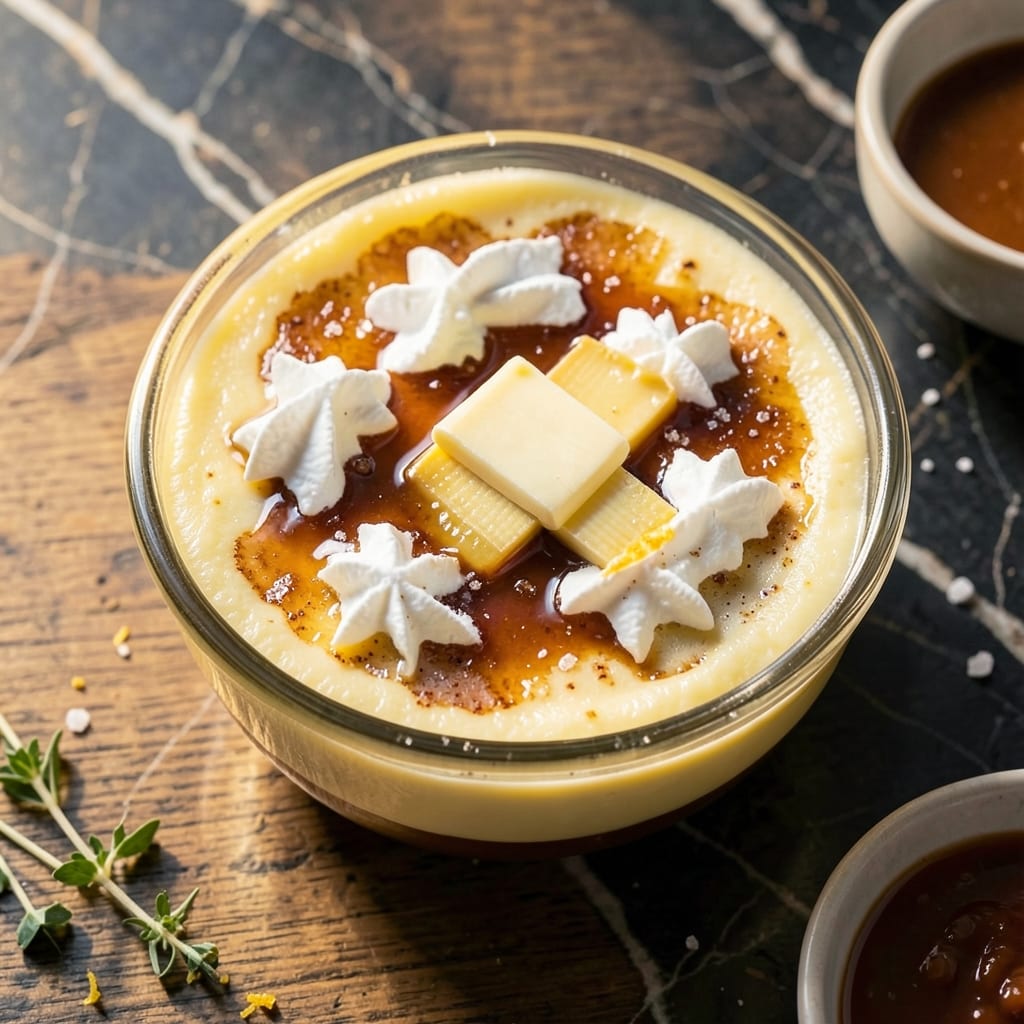
This caramel egg pudding recipe in oven delivers the perfect balance of creamy custard and rich caramel—every bite is pure indulgence without the fuss of a stovetop. The oven method creates silky layers with golden caramel ribbons that melt into each bite, making it a showstopper for brunch or dessert. I developed this recipe after craving a dessert-like breakfast that felt special yet simple to prepare.
The secret lies in the slow oven baking, which transforms liquid custard into a velvety texture while the caramel sauce caramelizes into glossy ribbons. With just 5 simple ingredients and 30 minutes in the oven, you’ll achieve restaurant-quality results that taste even better the next day. The custard stays perfectly set, while the caramel remains gooey and decadent.
What you’ll end up with is a dessert-worthy dish that’s creamy, rich, and effortlessly elegant—ideal for serving guests or treating yourself. The caramel ribbons add a luxurious touch, making it feel like a gourmet creation without the complexity. This recipe is foolproof, so you can focus on enjoying the process.
Perfect for brunch, dessert, or even a late-night snack, this caramel egg pudding is versatile enough for any occasion. The custard can be customized with vanilla, cinnamon, or even a splash of coffee for extra depth. Let’s get baking!
Ingredients for caramel egg pudding recipe in oven
Six ingredients transform into a luxurious dessert with velvety custard and golden caramel ribbons.
| Ingredient | Amount | Notes |
|---|---|---|
| Large Eggs 🥚 | 6 whole | Room temperature for even baking |
| Granulated Sugar 🍚 | 1 cup | White or light brown preferred |
| Heavy Cream 🥛 | 1 ½ cups | Full-fat for richest texture |
| Unsalted Butter 🧈 | ½ cup | Cold, cubed for caramel sauce |
| Vanilla Extract 🌿 | 1 tbsp | Pure, high-quality extract |
| Diamond Crystal Kosher Salt 🧂 | ¼ tsp | Fine grain for delicate seasoning |
| Ground Cinnamon 🌶️ | ¼ tsp | Optional for warm depth |
| All-Purpose Flour 🌾 | 1 tbsp | For custard stabilization |
The eggs are the foundation—use room-temperature ones for even baking, never straight from the fridge. Pasture-raised eggs from Whole Foods or your local farm yield richer flavor, but standard grocery store eggs work perfectly fine. The heavy cream must be full-fat; anything less compromises the silky texture. For the caramel, European-style butter like Plugrá creates deeper flavor, but unsalted butter from any reputable brand suffices. Measure the sugar precisely—too much caramelizes too aggressively, too little won't coat properly. The vanilla extract should be pure; imitation lacks the aromatic complexity essential for this dish.
No heavy cream? Full-fat coconut milk works as a dairy-free alternative, though texture will differ slightly. Substitute brown sugar for white if you prefer a molasses note, but reduce by 1 tbsp to account for moisture. For a coffee twist, add 1 tsp instant espresso powder to the custard mixture. The flour acts as a stabilizer—omit only if you prefer a truly egg-custard texture, but expect slightly less structure. If your butter has salt, reduce the kosher salt to ¼ tsp. The cinnamon is optional but recommended for warmth; McCormick ground cinnamon is a reliable choice if you're not using freshly ground.
Prepare the caramel sauce first and let it cool slightly before pouring over the custard to prevent melting. Store individual ramekins with lids or tightly sealed in the refrigerator for up to 5 days. For best results, bring to room temperature before serving—this allows the caramel to soften beautifully. Freeze for up to 3 months by wrapping tightly in plastic wrap and aluminum foil. Reheat gently in the oven at 300°F (150°C) for 10-15 minutes to restore the creamy texture without drying out the custard.
Why You'll Love This Recipe
- No Mixing Madness: I’ll be real—this recipe only needs four ingredients (plus eggs) mixed together in a bowl. No whisking until your arm falls off, no straining, no waiting for custards to thicken. Just crack, stir, pour, and bake. That’s it.
- Caramel Magic: The moment the sugar hits 320°F and turns into that glossy, buttery caramel? Chef’s kiss. It pools at the bottom like a golden river, then soaks into the custard just enough to make every bite taste like a cross between a crème brûlée and a salted caramel dream.
- Breakfast or Dessert: Honestly, I’ve served this for both—and never gotten side-eye. Top it with whipped cream for a decadent after-dinner treat, or skip the sugar sprinkle and eat it straight from the ramekins with toast for a protein-packed breakfast. The custard’s rich enough to pull double duty.
- Leftovers? Better: This stuff actually improves overnight. The flavors meld, the texture gets even silkier, and the caramel deepens. I make a big batch on Sundays, portion it into jars, and grab one for my coffee all week—no reheating needed. (Yes, even on a Tuesday night.)
Step-by-step instructions for silky caramel egg pudding
Master this technique and you'll achieve restaurant-quality texture with perfect caramel ribbons every time.
Prepare the Custard Base
In a medium bowl, whisk together the 6 whole Large Eggs, 1 cup Granulated Sugar, 1 tbsp Vanilla Extract, 0.25 tsp Diamond Crystal Kosher Salt, and 0.25 tsp Ground Cinnamon until completely smooth and homogeneous. This is your custard foundation, so take your time—you want no streaks of egg or sugar remaining. The mixture should be pale yellow and fully emulsified.
In a separate bowl, gently fold in the 1.5 cups Heavy Cream and 1 tbsp All-Purpose Flour using a silicone spatula. The flour acts as a subtle thickener to prevent curdling during baking. Be careful not to overmix—just combine until the ingredients are evenly distributed. This custard mixture will form the silky layers of your pudding, so proper preparation is essential for that signature texture.
Create the Caramel Sauce
Place the 0.5 cup Unsalted Butter in a 9-inch oven-safe baking dish. Position the dish over medium heat and melt the butter completely, swirling occasionally to coat the bottom evenly. Once fully melted, immediately sprinkle the 1 cup Granulated Sugar over the butter in an even layer, making sure to distribute it to the edges of the dish.
Here's where attention to detail matters most: Without stirring, let the sugar melt and begin to caramelize. You'll know it's ready when the mixture turns a deep amber color and smells richly sweet—about 5-7 minutes. The caramel should coat the bottom of the pan completely, forming a glossy layer. If any sugar crystals remain, briefly return the dish to low heat until fully dissolved. Let the caramel cool slightly but remain liquid for proper layering.
Assemble and Bake the Pudding
Preheat your oven to 325°F. Working quickly, carefully pour the custard mixture over the caramelized butter in the baking dish. Use a spatula to gently swirl the custard through the caramel, creating ribbons without fully mixing. This technique creates those signature caramel layers we're after. Place the dish in the preheated oven and bake for 35-40 minutes until the custard is set but still slightly jiggly in the center.
The pudding is done when the edges are set but the center still has a slight wobble—about 160°F at the center. This ensures a silky texture rather than a firm one. Real talk: Don't overbake. The pudding will continue setting as it cools, and overcooking leads to a dense, rubbery texture that ruins the delicate balance of flavors.
Cool and Serve
Remove the pudding from the oven and let it cool at room temperature for 15 minutes. Then refrigerate for at least 2 hours or up to 4 hours before serving. This cooling period allows the flavors to meld and the caramel to fully set into those beautiful ribbons throughout the custard.
To serve, run a knife around the edges and invert the pudding onto a serving plate. The caramel should flow dramatically, creating those stunning ribbons throughout the silky custard. Serve immediately while still slightly warm in the center for the perfect mouthfeel. Each bite should deliver creamy custard with bursts of buttery caramel—this is where the magic happens.
Pro Tips For Making Caramel Egg Pudding Recipe In Oven
- Preheat to 325°F: This recipe isn’t a rush—low and slow is the only way to get that silky texture without curdling. I learned this the hard way after one batch turned into scrambled eggs when I cranked the oven too high.
- Whisk eggs cold: Room-temp eggs? Skip it. Cold eggs whip up smoother and won’t separate when you fold in the cream. Just crack them straight from the fridge into the bowl—no waiting needed.
- Don’t overmix the sugar: Stir the sugar into the egg mixture until just dissolved—no need to beat it like a soufflé. Overworking it turns the pudding dense, and you’ll end up with a brick instead of a custard.
- Use room-temp cream: Cold heavy cream curdles when it hits the hot oven, and nobody wants lumpy pudding. Let it sit out for 20 minutes before mixing—it’s worth the wait for that velvety finish.
Dietary considerations for this caramel egg pudding recipe in oven
Dairy-Free Adaptations
For a dairy-free version, replace the 1.5 cups Heavy Cream with 1.5 cups full-fat coconut milk (canned, not cartoned) and use 1 tbsp cornstarch instead of flour for stabilization. The custard will have a subtly different texture but still achieve that silky quality. For the caramel, melt ½ cup coconut oil (refined for neutral flavor) with the sugar—it caramelizes just like butter but adds a clean, rich depth. 🌱
Gluten-Free Options
This recipe is naturally gluten-free since it only contains 1 tbsp All-Purpose Flour for stabilization. If you prefer to omit it entirely, simply reduce the sugar by ½ tsp to account for the slight thickening effect. The custard will be slightly more delicate but still set beautifully in the oven. Always double-check your vanilla extract and spices for hidden gluten—McCormick and Penzeys brands are typically safe choices.
Lower-Sugar Versions
To reduce sugar, swap 1 cup Granulated Sugar for ¾ cup and add 1 tbsp monk fruit sweetener or 1 tbsp honey to maintain sweetness without overpowering the caramel. The custard will still set properly, though the caramel may be slightly less glossy. For a more dramatic reduction, use ½ cup sugar and 1 tbsp erythritol (a sugar alcohol that doesn’t crystallize). Taste as you go—this custard is forgiving, but balance is key.
Vegan Substitutions
Transform this into a vegan dessert by using 6 tbsp cornstarch or arrowroot powder to replace the eggs, plus 1.5 cups unsweetened almond milk or oat milk (with 1 tbsp tapioca starch for extra creaminess). For the caramel, stick with ½ cup coconut oil and sugar, but add 1 tbsp lemon juice to prevent graininess. The texture will be lighter but still luxurious—just avoid overbaking to prevent dryness.
Nut-Free Considerations
This recipe is inherently nut-free, but always verify your vanilla extract and spices for cross-contamination warnings. If using store-bought ingredients, check labels for "may contain nuts" statements. For added safety, prepare the custard in a dedicated nut-free kitchen area. The caramel sauce remains nut-free as long as you use pure butter or coconut oil without additives.
Nutrition facts
Frequently asked questions
Can I make this caramel custard in ramekins instead of a baking dish?
Use 6-ounce oven-safe ramekins for individual portions. Divide the custard evenly among them and bake at 325°F for 25-30 minutes instead of 35-40 minutes. The smaller size ensures even cooking and perfect caramel ribbons in each serving.
Why did my custard come out grainy?
Graininess usually happens from overmixing the eggs or sugar, or using cold eggs straight from the fridge. Whisk the eggs and sugar until fully emulsified (no streaks), and ensure your eggs are at room temperature before mixing. For extra insurance, strain the custard through a fine-mesh sieve before baking.
How do I prevent the caramel from crystallizing?
Caramel crystallizes when sugar doesn't fully melt or when stirred during cooking. Use medium heat and let the sugar melt completely before adding butter. Never stir—just swirl the pan occasionally. If it starts to crystallize, return to low heat for 1-2 minutes to dissolve. The key is patience!
Can I make this ahead of time?
Yes! This custard tastes even better the next day. Assemble it up to 24 hours ahead and refrigerate. For serving, let it sit at room temperature for 15 minutes first—this softens the caramel beautifully. Reheat gently in the oven at 300°F for 10 minutes if needed.
What's the best way to serve this dessert?
For an elegant presentation, invert onto individual plates with a dollop of whipped cream and a sprinkle of toasted cinnamon. Add fresh berries or a drizzle of extra caramel sauce for extra flair. Serve slightly warm (65-70°F) for the best texture contrast between creamy custard and gooey caramel.