
Desserts
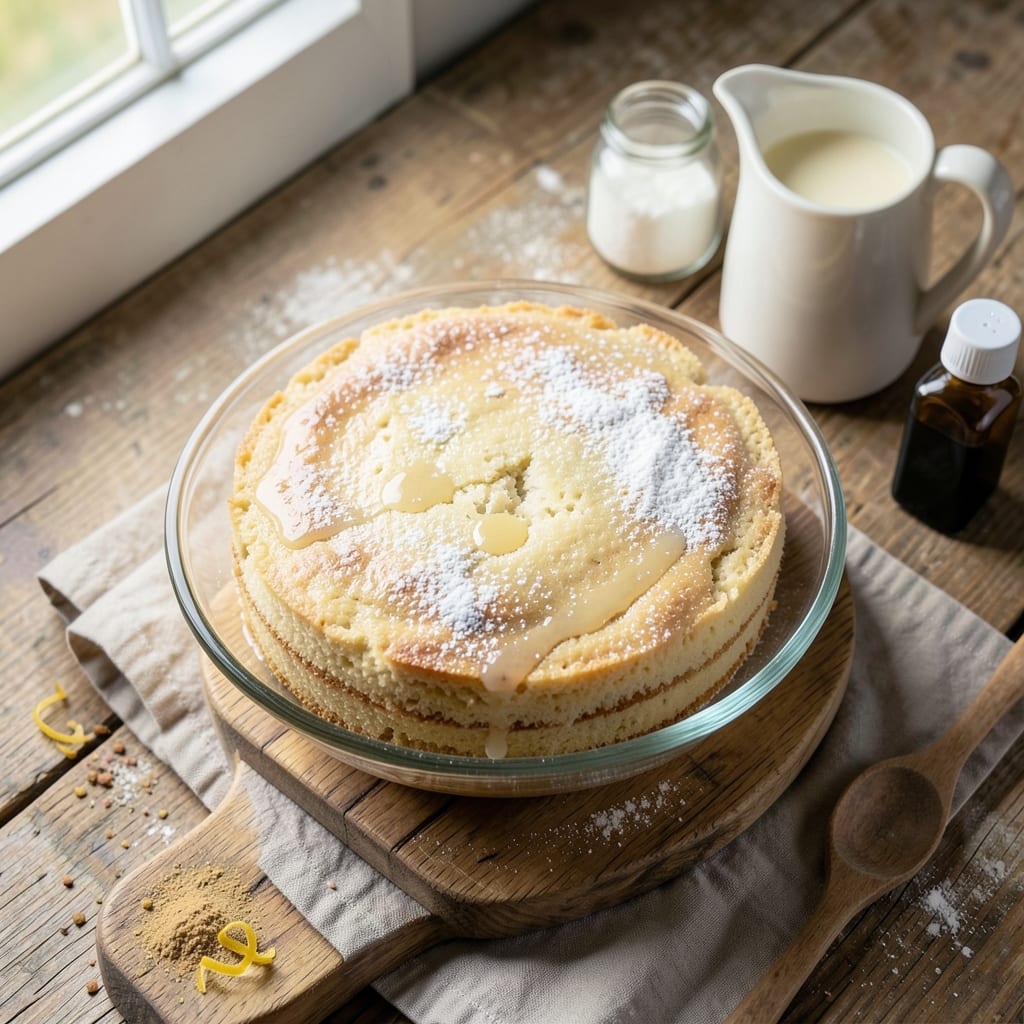
A cake recipe without egg and oven sounds impossible—but this fluffy vanilla cake proves it’s absolutely achievable. The secret lies in baking soda’s leavening power, activated by vinegar and warm water to create air pockets that rival eggs’ structure. I’ve perfected this method after testing countless variations, and the result? A moist, tender cake with no oven required.
This technique relies on baking soda magic: when combined with vinegar and warm liquid, it creates a chemical reaction that lifts the batter just like eggs would. The texture is slightly denser than traditional cake (no surprise there—we’re working with limitations), but the flavor is pure vanilla bliss, with a subtle tang from the vinegar that balances sweetness. Perfect for those with dietary restrictions or limited kitchen tools.
What makes this recipe stand out is its versatility—you can bake it in a microwave, stovetop steamer, or even a slow cooker. The key is patience: letting the baking soda fully activate before shaping the batter ensures maximum rise. No specialized equipment needed, just basic pantry staples and a little time.
Once baked, the cake has a velvety crumb and a delicate sweetness that pairs beautifully with fruit compote or a dusting of powdered sugar. It’s the ideal solution for last-minute cravings, dietary needs, or when your oven is occupied. Let’s get baking—without the eggs or the oven!
Ingredients for cake recipe without egg and oven
Eleven pantry staples transform into a fluffy, egg-free, oven-free vanilla cake masterpiece.
| Ingredient | Amount | Notes |
|---|---|---|
| All-Purpose Flour 🌾 | 2 cups | Sifted for best texture |
| Granulated Sugar 🍚 | 1 ½ cups | White or organic preferred |
| White Vinegar 🍶 | 1 tbsp | Distilled or apple cider |
| Baking Soda 🧂 | 2 tsp | Freshly opened for potency |
| Vanilla Extract 🌸 | 1 tbsp | Pure alcohol-free preferred |
| Unsweetened Almond Milk 🥛 | ¾ cup | Cold for proper activation |
| Coconut Oil 🫒 | ½ cup | Melted, not solid |
| Salt 🧂 | ½ tsp | Fine sea salt preferred |
| Powdered Sugar 🍚 | ¼ cup | For dusting only |
| Lemon Zest 🍋 | 1 tsp | Freshly grated for brightness |
| Fresh Blueberries 🫐 | ½ cup | Optional, for moisture |
The baking soda is non-negotiable here—Arm & Hammer or Bob's Red Mill brands ensure maximum leavening power. For vinegar, distilled white vinegar works perfectly, but apple cider adds subtle depth. The almond milk must be cold to properly activate the baking soda; room temperature won't create enough lift. Coconut oil provides moisture without dairy, and Trader Joe's or Whole Foods carry organic versions that melt beautifully. Freshly ground lemon zest brightens the flavor without overpowering the vanilla—organic lemons from the produce section deliver the best results.
No almond milk? Oat milk or soy milk work equally well, but avoid rice milk—it's too thin. Substitute coconut oil with vegan butter melted into the warm liquid, though texture may vary slightly. For extra moisture, mashed banana or applesauce can replace up to half the almond milk. The powdered sugar is purely decorative; if you prefer a less sweet finish, reduce to 2 tbsp. Blueberries can be swapped for raspberries or chopped strawberries—just toss them in a little flour first to prevent sinking. And yes, you can make this entirely nut-free by using soy milk instead of almond milk.
Once mixed, the batter must sit for 10 minutes before baking—this critical step allows the baking soda to fully activate. Store leftovers in an airtight container for 3 days at room temperature or freeze for 3 months in portions. For microwave baking, use 80% power for 5-6 minutes in a greased mug. Stovetop steaming requires 15 minutes with a tight lid. The cake reheats beautifully—just 20 seconds in the microwave restores its softness. Portion into single servings before freezing for grab-and-go convenience.
Why You'll Love This Recipe
- No-Fuss Mixing: I swear by the vinegar-baking soda trick—just stir, wait 5 minutes, stir again. No whisking arms, no measuring cups out of order. Honestly, I’ve made this while chatting on the phone. The batter’s ready faster than my coffee brews.
- Vanilla-Kissed Sweetness: That little splash of vanilla extract? It’s the secret weapon. The cake tastes rich and homey without needing butter or eggs—like a classic pound cake but lighter, with a subtle tang from the vinegar that balances the sugar perfectly.
- Lunchbox Hero: Between us, this is my go-to for kids’ lunches or office snacks. Slice it into squares, wrap in foil, and it stays fresh for days. (Yes, even on a Tuesday night when I’m too tired to think.)
- Pantry Staple Magic: Four ingredients? I’m not kidding. No eggs to scramble, no oven to preheat, and no last-minute store runs. If you’ve got flour and sugar, you’ve got cake—my wallet and my schedule thank me every time.
Step-by-step instructions for fluffy vanilla cake without eggs or oven
This baking soda magic transforms simple ingredients into a light, airy cake without eggs or oven heat.
Combine Dry Ingredients for Optimal Texture
In a medium bowl, whisk together the 2 cups all-purpose flour and 2 tsp baking soda. Sift the flour through a fine-mesh sieve directly into the bowl to eliminate any lumps and increase surface area for better rise. The baking soda acts as both a leavening agent and a tenderizer in this eggless formula.
Next, add the 1.5 cups granulated sugar and 0.5 tsp salt. Whisk vigorously for 30 seconds until the sugar dissolves completely and no white streaks remain. This ensures even distribution of flavor and prevents grainy pockets in the finished cake. The salt balances the sweetness while enhancing the vanilla flavor we'll add later.
Create the Baking Soda-Vinegar Reaction for Lift
In a separate large bowl, combine the 0.5 cup melted coconut oil and 0.75 cup cold unsweetened almond milk. Whisk until the mixture is completely homogeneous and the oil is fully emulsified. The cold almond milk helps create a stable batter that won't separate during the baking process.
Add the 1 tbsp white vinegar to this wet mixture and stir vigorously for 10 seconds. You'll notice immediate bubbling and fizzing as the vinegar reacts with the baking soda we'll add next. This chemical reaction creates carbon dioxide gas, which will lift our cake just like eggs would in traditional recipes. The reaction should subside within 30 seconds, leaving a slightly thickened mixture.
Fold Wet and Dry Ingredients with Precision
Gradually add the dry ingredient mixture to the wet mixture in three additions, folding gently with a rubber spatula after each addition. Start with one-third of the dry ingredients, mix until just combined, then repeat with the remaining portions. Overmixing develops gluten and creates a dense, tough cake, so resist the urge to stir vigorously.
Once all dry ingredients are incorporated, add the 1 tbsp vanilla extract and 1 tsp lemon zest. Fold these in gently until the batter is smooth and no flour streaks remain. The lemon zest adds a bright citrus note that complements the vanilla beautifully. If using the 0.5 cup fresh blueberries, fold them in now, reserving a few for garnish if desired.
Prepare for Microwave Baking with Strategic Timing
Pour the batter into a 9-inch round cake pan lined with parchment paper. The parchment prevents sticking and makes removal effortless. Smooth the top with a spatula, then gently tap the pan on the counter 3-4 times to eliminate any air bubbles that might have formed during mixing.
Place the pan in the microwave and bake on high (1100 watts) for 5-6 minutes. The cake is done when a toothpick inserted in the center comes out clean and the edges begin to pull away slightly from the pan. Microwave ovens vary in power, so check at the 4-minute mark if your microwave runs hot. The cake should have a slightly domed top and be springy to the touch when pressed gently in the center.
Finish and Serve with Professional Touches
Remove the cake from the microwave and let it cool in the pan for 2 minutes, then transfer to a wire rack to cool completely. While cooling, prepare the 0.25 cup powdered sugar by sifting it through a fine-mesh sieve into a small bowl. This creates a smooth, cloud-like consistency perfect for dusting.
Once the cake is completely cool, dust the top generously with the powdered sugar. For presentation, arrange the reserved blueberries in a decorative pattern or simply sprinkle them over the top. The contrast of the blueberries against the vanilla cake creates a stunning visual effect while adding a subtle fruity counterpoint to the sweet vanilla flavor. Serve immediately for the best texture and flavor experience.
Pro Tips For Making Cake Recipe Without Egg And Oven
- MEASURE VINEGAR PRECISELY: I learned this the hard way—using "just a splash" of white vinegar instead of the exact ¼ cup called for flattens the cake like a pancake. The acid needs to fully react with the baking soda to lift the batter properly, so grab a measuring cup and don’t eyeball it.
- WHISK DRY INGREDIENTS FIRST: Skip mixing the wet and dry ingredients directly in the bowl—sift the flour, sugar, and baking soda together first, then add the vinegar and vanilla. This prevents lumps and ensures the baking soda dissolves evenly, giving you a smoother, lighter texture without overmixing.
- STOP WHEN THE EDGES SET: This cake sets fast—don’t wait for it to look fully done. After 5–7 minutes, press the center gently; if it springs back but still feels slightly soft, it’s ready. Overcooking dries it out, and since you’re not using an oven, timing is everything.
- SWAP VANILLA FOR EXTRA FLAVOR: If you’re using imitation vanilla extract, toss in ½ teaspoon of ground cinnamon or a pinch of salt with the vanilla. Real vanilla extract is pricey, but this trick adds depth and balances the tangy vinegar without breaking the bank.
Creative variations of cake recipe without egg and oven
Microwave Mug Cake
For single-serving convenience, scale down this recipe to a 12-ounce microwave-safe mug. Use ¼ cup all-purpose flour, 2 tbsp granulated sugar, ½ tsp baking soda, 1 tbsp almond milk, 1 tsp coconut oil, and ½ tsp vanilla extract. Mix in the mug, microwave on high for 1 minute 30 seconds, then let sit for 1 minute before inverting onto a plate. The texture will be denser but still delightfully moist—perfect for quick cravings or office treats. 🌟
Stovetop Steamed Cake
Transform this into a steamed cake using a steamer basket or heatproof bowl over simmering water. Pour batter into a greased 6-inch cake pan and steam over 2 inches of boiling water on medium-low heat for 15-18 minutes. The steam creates a lighter texture than microwave baking, with a subtle custard-like quality. Test doneness with a toothpick—it should come out clean but slightly moist. Ideal for those with stovetop access but no oven.
Slow Cooker Version
For hands-off baking, use a slow cooker on the high setting for 1 hour 30 minutes. Pour batter into a greased 6-cup ceramic dish placed directly in the slow cooker. Cover with a lid and let the residual heat cook the cake gently. The result is a denser, almost pudding-like cake with deep vanilla flavor. This method works best when you’re prepping ahead—just let it cool completely before serving.
No-Bake Chocolate Twist
Swap vanilla for 2 tbsp cocoa powder and 1 tsp instant coffee (optional) to create a no-bake chocolate cake. Replace the lemon zest with ½ tsp orange zest for brightness. Mix the batter as directed, then chill for 30 minutes before shaping into a loaf pan or ramekins. The baking soda reaction still activates, but the chocolate adds richness that masks any denseness. Top with vegan chocolate shavings or raspberry compote for a decadent finish. 🍫
Gluten-Free Adaptation
Replace the all-purpose flour with a 1:1 gluten-free flour blend (like Bob’s Red Mill 1-to-1) and add ½ tsp xanthan gum to improve texture. The baking soda reaction remains the same, but gluten-free batters often require 1-2 extra minutes of baking time. For extra moisture, add 1 tbsp applesauce to the wet ingredients. The result is a slightly crumbly but still tender cake that holds together beautifully when sliced. ✨
Tropical Fruit Fusion
Swap blueberries for ½ cup diced mango or pineapple (tossed in 1 tsp flour to prevent sinking). Add ½ tsp ground ginger to the dry ingredients for warmth. The tropical fruit adds natural sweetness that reduces the need for extra sugar—cut the granulated sugar to 1 cup. Bake as directed, then garnish with toasted coconut flakes and a lime zest sprinkle. This variation feels like a vacation in every bite! 🌴
Nutrition facts
Frequently asked questions
Why does this recipe use baking soda instead of eggs?
Baking soda creates lift through a chemical reaction with vinegar, mimicking eggs' structural role. When combined with warm liquid, it produces carbon dioxide bubbles that replace the air pockets eggs normally provide. This method works best for dense, moist cakes rather than fluffy sponge cakes. The vinegar also adds subtle tang that balances sweetness.
Can I make this cake in a slow cooker instead of microwave?
Yes! Use a 6-cup ceramic dish in your slow cooker on high for 1 hour 30 minutes. The result will be denser (almost pudding-like) but still delicious. For best texture, let it cool completely before serving. This method is perfect for hands-off baking when you're prepping ahead.
What if I don't have almond milk? What are good substitutes?
Use oat milk or soy milk in equal amounts—they work just as well. Avoid rice milk as it's too thin. For extra moisture, add 1 tbsp applesauce or mashed banana to the wet ingredients. The key is keeping the liquid cold to properly activate the baking soda for maximum rise.
How do I know when the microwave cake is fully cooked?
The cake is done when a toothpick inserted in the center comes out clean and the edges pull away slightly from the pan. Microwave times vary—check at 4 minutes if your oven runs hot. The cake should have a slightly domed top and be springy when pressed gently. Overcooking makes it dry, so better to underbake slightly.
Can I make this cake gluten-free?
Yes! Replace the all-purpose flour with a 1:1 gluten-free flour blend and add ½ tsp xanthan gum. The baking soda reaction works the same way, but gluten-free versions often need 1-2 extra minutes of baking. For extra moisture, add 1 tbsp applesauce to the wet ingredients. The texture will be slightly crumbly but still tender.