
Desserts
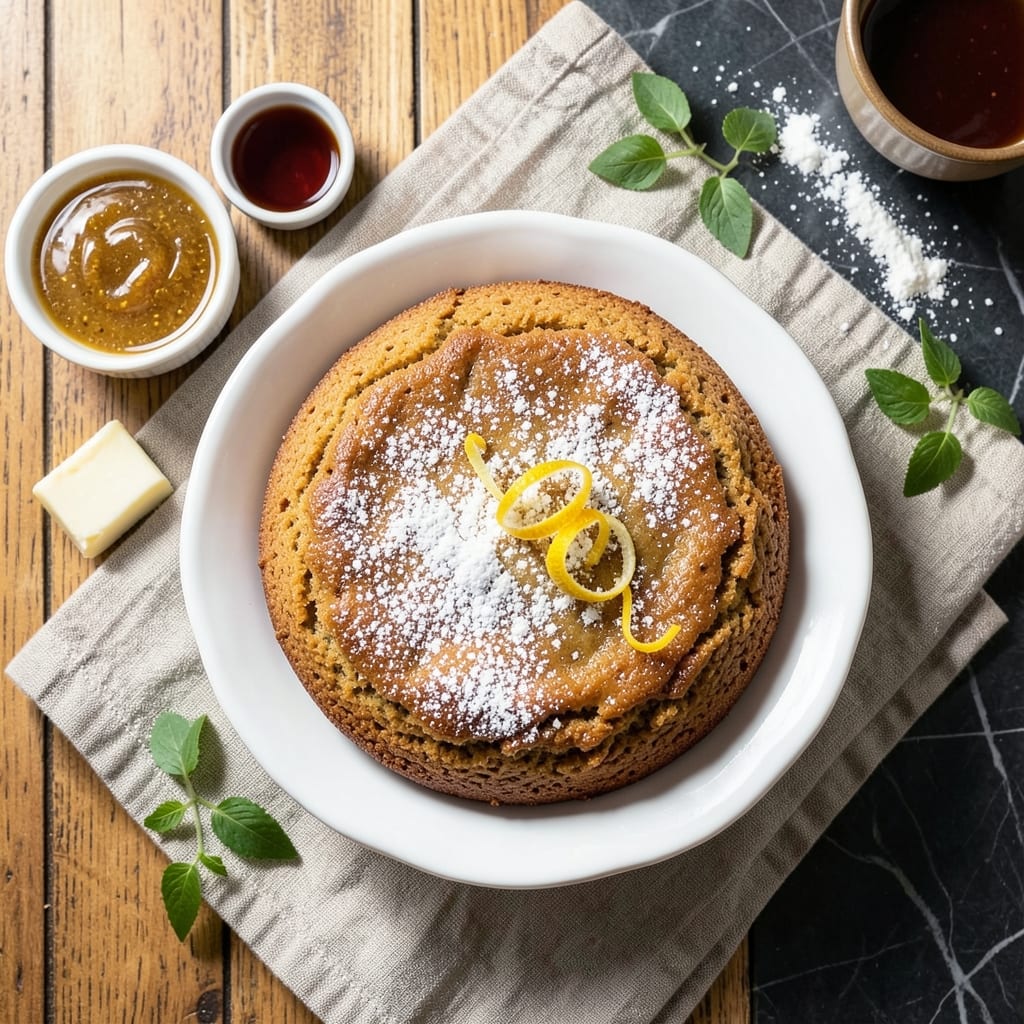
This egg and nut free cake recipe delivers the same moist, tender crumb you love—without compromising on flavor or texture. The secret lies in clever substitutes like flaxseed for binding and applesauce for richness, creating a cake that's just as satisfying as traditional vanilla sponge. After years of perfecting allergy-friendly baking, I've developed a method that ensures foolproof results every time, with no dryness or crumbling.
The foundation of this cake is a simple yet effective batter that relies on pantry staples most people already have. No special equipment is needed beyond a mixing bowl and oven—just a few minutes of prep work before sliding it into a 350°F oven for 30-35 minutes. The result? A cake with a delicate crumb, subtle vanilla notes, and that perfect rise you'd expect from a classic recipe, all while being completely safe for those with egg or nut allergies.
What makes this recipe truly special is how it maintains the familiar qualities of traditional vanilla cake—moist layers, gentle sweetness, and a tender bite—without any of the common pitfalls of allergen-free baking. The flax "eggs" create the necessary structure, while the applesauce adds natural moisture that keeps the cake tender for days. It's the kind of dessert that disappears quickly at gatherings, leaving guests asking for the recipe.
Whether you're accommodating dietary restrictions or simply looking for a reliable cake recipe, this version delivers restaurant-quality results at home. The best part? It's just as easy to make as any other cake, with no complicated techniques or hard-to-find ingredients. Let's get baking!
Ingredients for egg and nut free cake
Twelve simple ingredients create a moist, allergen-free vanilla cake that rivals traditional recipes.
| Ingredient | Amount | Notes |
|---|---|---|
| All-Purpose Flour 🌾 | 2 cups | Sifted for optimal texture |
| Granulated Sugar 🍚 | 1 ½ cups | White or light brown |
| Unsalted Butter 🧈 | 1 cup | Softened to room temperature |
| Unflavored Applesauce 🍎 | ½ cup | Unsweetened for balanced flavor |
| Ground Flaxseed 🌱 | 3 tbsp | Mixed with 9 tbsp water for flax eggs |
| Vanilla Extract 🌸 | 2 tsp | Pure Madagascar bourbon preferred |
| Baking Powder 🧂 | 2 tsp | Aluminum-free for stability |
| Baking Soda 🧂 | ½ tsp | Freshly opened for potency |
| Salt 🧂 | ½ tsp | Fine sea salt preferred |
| Plain Non-Dairy Yogurt 🥛 | ½ cup | Unsweetened coconut or almond yogurt |
| Milk 🥛 | ½ cup | Any plant-based milk works |
| Pure Vanilla Bean Seeds 🌸 | 1 tsp | Scraped from 1 vanilla bean |
The flaxseed mixture is non-negotiable—Bob's Red Mill ground flaxseed works best for consistent texture. For vanilla, Madagascar bourbon extract delivers superior depth compared to imitation varieties. The applesauce should be unsweetened to avoid altering the delicate sugar balance; Mott's unsweetened works well. Butter quality matters—Plugrá or Land O'Lakes unsalted butter provides the best flavor without overpowering the delicate vanilla notes. When measuring flour, spoon and level for accuracy, as packing can lead to a dense crumb.
No vanilla extract? Vanilla bean paste works equally well, though you'll need about half the amount. Substitute applesauce with unsweetened pumpkin puree at the same quantity, though texture may vary slightly. For a neutral-tasting yogurt, Silk Plain Unsweetened coconut yogurt is ideal. If you prefer a richer texture, replace half the milk with full-fat coconut milk. The baking powder and soda must be fresh—if your leavening agents are over six months old, replace them entirely to ensure proper rise. For a more intense vanilla flavor, infuse the milk with scraped vanilla bean seeds before adding to the batter.
Store baked cake in an airtight container at room temperature for up to 4 days, or refrigerate for 7 days to maintain moisture. For longer storage, freeze slices wrapped in plastic for up to 3 months. The cake reheats beautifully—wrap a slice in foil and microwave for 15-20 seconds to restore freshness. This recipe yields two 8-inch layers or one 9-inch cake; adjust baking time accordingly for different pan sizes. Leftovers make excellent cake pops or trifle layers when combined with allergen-free whipped cream.
Why You'll Love This Recipe
- No-Fuss Mixing: I swear by this recipe because it’s one bowl—no whisking, no folding, no stress. Just toss the dry stuff, melt the butter and applesauce together, and let the flaxseed do its magic as a binder. Honestly, my 10-year-old could handle it.
- Moist Without Eggs: Between us, the applesauce keeps this cake ridiculously tender—no dry crumbs here. And that buttery richness? It’s like a classic vanilla cake but with a secret weapon. (Yes, even on a Tuesday night.)
- Allergy-Proof Party Cake: Here’s what sold me—it’s safe for my nephew with egg allergies and nut-free, but no one guesses it’s different. Slap on some frosting or fruit, and it’s your go-to for birthdays, bake sales, or just because.
- Budget-Friendly Leftovers: A single batch feeds six, and slices reheat beautifully in the microwave. I’ve sent this to work parties, school events, and even frozen half for lazy mornings. The flaxseed might sound odd, but it’s the reason it stays fresh for days.
Step-by-step instructions for egg and nut free cake
This method ensures a perfectly moist, allergen-friendly vanilla cake every time.
Prepare the Flax Egg Substitute
In a small bowl, combine the 3 tablespoons ground flaxseed with 9 tablespoons water. Stir thoroughly and let the mixture sit for 10 minutes until it thickens into a gel-like consistency resembling an egg. This flax egg provides the binding and moisture traditionally found in eggs while keeping the cake light and tender.
I always use a fine-mesh sieve to sift the flaxseed before mixing—this prevents clumping and ensures even distribution. The mixture should be smooth with no visible grit. If you notice any dry spots after 10 minutes, whisk in an additional 1 teaspoon water to achieve the proper consistency.
Cream Butter and Sugar Together
In a stand mixer fitted with the paddle attachment, beat the 1 cup softened unsalted butter and 1.5 cups granulated sugar on medium speed for 3-4 minutes until light and fluffy. You'll know it's ready when the mixture nearly doubles in volume and becomes pale in color. This step incorporates air into the batter, which is crucial for achieving that signature cake lightness.
Here's the thing—I press down gently on the butter mixture during the first minute to ensure the butter is fully incorporated. If you see any sugar granules remaining after 3 minutes, pulse the mixture briefly on low speed to break them down completely. The butter should be completely smooth with no visible lumps.
Combine Wet Ingredients
Add the flax egg mixture, 0.5 cup unflavored applesauce, 2 teaspoons vanilla extract, and 1 teaspoon pure vanilla bean seeds to the butter mixture. Mix on low speed for 30 seconds until fully combined. The applesauce adds natural moisture and helps create that tender crumb texture while keeping the cake egg-free.
Next, stir in the 0.5 cup plain non-dairy yogurt and 0.5 cup milk using a rubber spatula. Scrape down the sides of the bowl to ensure all ingredients are incorporated. The yogurt adds acidity that helps activate the baking soda, while the milk provides additional moisture and creates a fine crumb structure.
Incorporate Dry Ingredients Gently
In a separate bowl, whisk together the 2 cups sifted all-purpose flour, 2 teaspoons baking powder, 0.5 teaspoon baking soda, and 0.5 teaspoon salt. Gradually add this dry mixture to the wet ingredients, mixing on low speed just until combined—you should still see some flour streaks. Overmixing develops gluten, which can make the cake dense rather than light and tender.
I always use a spatula to fold in the last few tablespoons of flour by hand to ensure I don't overmix. The batter should be smooth but slightly thick. If it appears too stiff, add 1-2 tablespoons milk to achieve a pourable consistency. The batter should coat the back of a spoon but still hold its shape when dropped from a spoon.
Bake to Perfect Moisture
Preheat your oven to 350°F and grease two 8-inch round cake pans or line them with parchment paper. Divide the batter evenly between the pans and smooth the tops with a spatula. Bake for 25-30 minutes, or until a toothpick inserted into the center comes out clean. The cake should spring back slightly when pressed gently in the center.
I've found that baking times can vary slightly based on your oven, so start checking at the 20-minute mark. The edges should be golden brown while the center remains slightly springy to the touch. Immediately after removing from the oven, let the cakes cool in their pans for 10 minutes, then transfer to a wire rack to cool completely before frosting.
Pro Tips For Making Egg And Nut Free Cake
- Measure Flaxseed Precisely: That ground flaxseed is your binding hero—too little and your cake will crumble like a sad soufflé. Use a kitchen scale for 1 tablespoon (about 9 grams) per egg replacement, then mix it with 2.6 tablespoons water and let it thicken for 5 minutes. If you eyeball it, you’ll regret the texture later.
- Cream Butter and Sugar Slowly: Don’t rush the butter-sugar mix—beat it on medium until it’s just pale yellow, not fluffy. This isn’t whipped cream; you’re building structure. If your butter’s warm or the mixture looks greasy, chill it 10 minutes before adding flour. Trust me, your cake’s rise depends on this.
- Don’t Overmix the Batter: The second you add flour, stop mixing after it’s just combined. I used to think more mixing = better cake, but this batter gets tough fast. Use a spatula to fold gently—lumps are fine, dense cake isn’t. Think "undercombined" over "perfectly smooth."
- Bake Until the Center Springs: Your cake’s done when the edges pull away and a toothpick comes out clean or with a few moist crumbs. If you pull it out too soon, the middle stays gummy—like biting into a sad, undercooked center. Lower the oven 10°F if your kitchen runs hot, and tent with foil if the top browns too fast.
Storing and reheating your egg and nut free cake
Room Temperature Storage
Store your fully cooled cake in an airtight container at room temperature for up to 4 days. I always use glass containers with silicone seals—they maintain moisture better than plastic. Place a slice of bread on top of the cake before sealing to prevent a dry crust from forming. This method keeps the cake wonderfully moist without needing refrigeration. 🌟
Refrigerator Preservation
For longer freshness, refrigerate your cake for up to 7 days in the same airtight container. The cold temperature slows moisture loss, making it perfect for meal prep. Let the cake sit at room temperature for 10-15 minutes before serving to restore its texture. I find wrapping individual slices in parchment paper before refrigerating prevents them from sticking together.
Freezing for Later
Freeze slices wrapped in plastic wrap followed by a layer of aluminum foil for up to 3 months. This double layer prevents freezer burn and preserves the cake's texture. Thaw overnight in the refrigerator before serving. For quick use, microwave wrapped slices on medium power for 15-20 seconds—this restores warmth without drying out the cake. 🧊
Reheating Techniques
Revive stale cake slices by wrapping them in damp paper towels and microwaving for 10-15 seconds. The steam restores moisture without making the cake soggy. For oven reheating, bake at 300°F for 5-7 minutes—this gently warms the cake while maintaining its structure. I avoid high heat, which can cause the cake to become rubbery.
Make-Ahead Tips
Bake the cake 2 days ahead and store as directed for best results. The flavors deepen over time, making it perfect for celebrations. For parties, assemble and frost the cake 1 day ahead—this allows flavors to meld beautifully. Just keep it refrigerated until serving. The cake actually tastes better after a day or two, as the moisture redistributes evenly. 💫
Serving Suggestions
Serve cake at room temperature for the best texture. Pair with allergen-free vanilla frosting or fresh berries for a vibrant touch. For a special presentation, dust with powdered sugar or garnish with edible flowers. I often serve slices with a dollop of coconut whipped cream—it complements the vanilla flavor perfectly while keeping it nut-free. 🍓
Nutrition facts
Frequently asked questions
Can I substitute applesauce with another fruit puree?
Yes! You can use unsweetened pumpkin puree or mashed banana in the same quantity (0.5 cup). However, pumpkin adds a subtle sweetness while banana contributes natural moisture and a mild flavor. Both work well, but applesauce provides the most neutral taste for classic vanilla cake.
Why does my egg-free cake turn out dense?
Overmixing the batter or using old baking powder are the most common culprits. Always mix dry ingredients just until combined (flour streaks should remain) and ensure your leavening agents are fresh. Also, don't skip the 10-minute rest for the flax egg—it needs time to thicken properly for optimal texture.
Can I make this cake gluten-free?
Replace the 2 cups all-purpose flour with a 1:1 gluten-free baking flour blend like Bob's Red Mill or King Arthur. Add 1 teaspoon xanthan gum to help bind the cake. You may need to reduce the milk by 1-2 tablespoons since gluten-free flours absorb more liquid.
What's the best way to frost this cake?
Use a light coat of allergen-free vanilla buttercream or a simple powdered sugar glaze made with 1 cup powdered sugar + 2 tbsp milk + 1 tsp vanilla. For extra flair, try coconut whipped cream—it pairs perfectly with the vanilla flavor while keeping the cake nut-free.
How do I prevent a dry cake?
Never overbake—remove the cake when a toothpick comes out clean (25-30 minutes at 350°F). Store properly in an airtight container with a slice of bread on top to maintain moisture. For extra juiciness, brush warm layers with simple syrup** (equal parts sugar and water) before frosting.