
Breakfast & Brunch
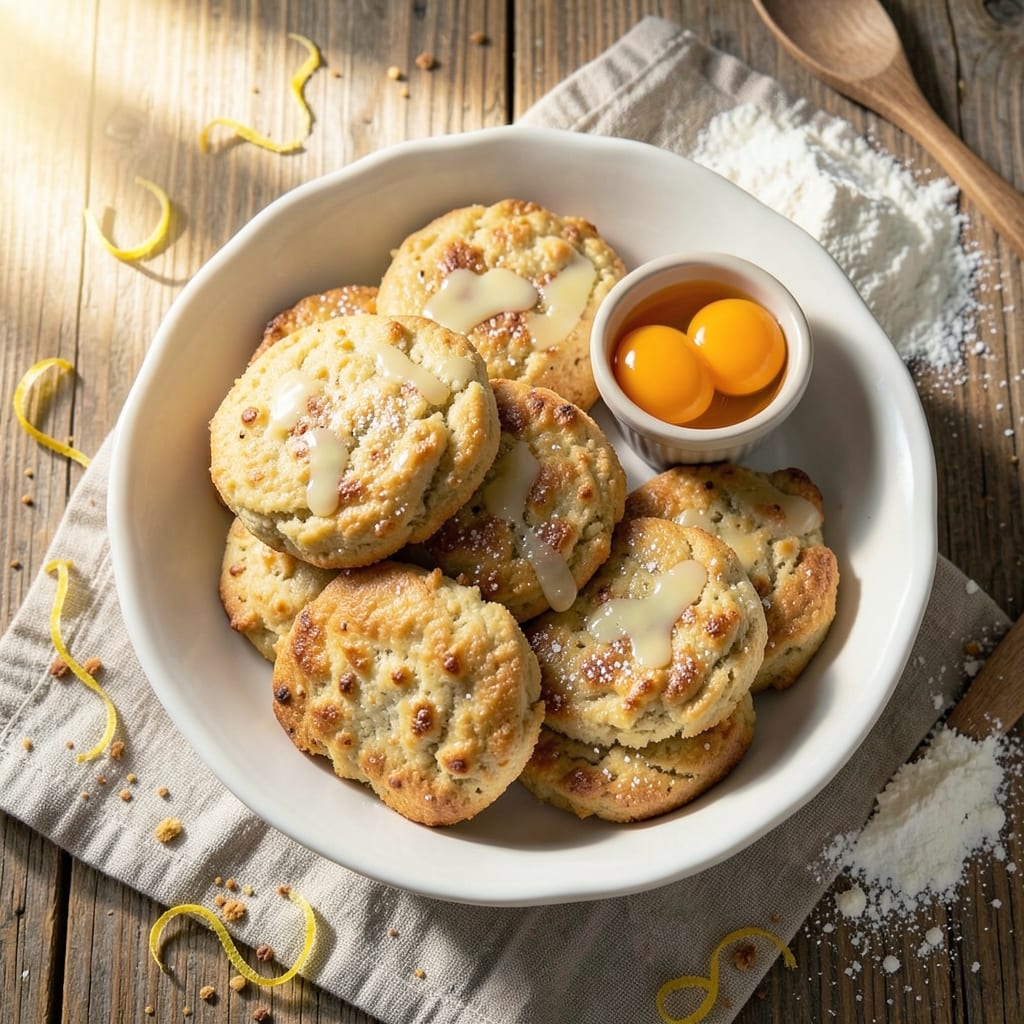
This biscuit recipe using egg yolks transforms ordinary biscuits into layers of golden, flaky perfection that melt in your mouth. The secret lies in those rich yolks—replacing whole eggs creates a tender, buttery crumb with an unmistakable richness that separates these from standard recipes. I've perfected this technique through years of baking, and the difference is immediate: biscuits that stay soft for hours while maintaining their signature flakiness.
The egg yolks work magic by adding moisture and fat without the protein from egg whites that can toughen the dough. Combined with cold butter cut into the dry ingredients, this method creates those signature pockets of air that make each bite irresistible. The result is a biscuit with a crisp exterior and a crumb so tender it practically dissolves. This isn't just breakfast—it's an experience that elevates any meal from ordinary to extraordinary.
What makes these biscuits truly special is their versatility. Use them for classic biscuits and gravy, as a base for shrimp and grits, or even as a side for steak dinner. The yolks contribute not just flavor but also a subtle golden hue that makes them look as good as they taste. With just a few simple ingredients and this one key technique, you'll achieve restaurant-quality biscuits that impress even the most critical guests.
Ready in under 30 minutes with minimal effort, this recipe delivers results that feel like a labor of love. The key is patience—letting the dough rest properly ensures maximum flakiness and tenderness. Once you try these yolky biscuits, you'll never go back to the standard version. Here's how to make them perfect every time.
Ingredients for biscuit recipe using egg yolks
Nine ingredients transform ordinary biscuits into restaurant-quality golden layers with melt-in-your-mouth tenderness.
| Ingredient | Amount | Notes |
|---|---|---|
| Large Egg Yolks 🥚 | 4 whole | Freshly separated from whites |
| Unsalted Butter 🧈 | 1 cup | Cold, cubed into 1/2-inch pieces |
| All-Purpose Flour 🌾 | 2 ½ cups | Sifted for light texture |
| Baking Powder 🧂 | 2 tbsp | Diamond Crystal preferred |
| Granulated Sugar 🍚 | 1 tbsp | For subtle sweetness |
| Kosher Salt 🧂 | 1 tsp | Fine grain preferred |
| Whole Milk 🥛 | 1/3 cup | Cold for optimal flakiness |
| Garlic Powder 🧄 | ½ tsp | For subtle depth |
| Black Pepper 🌶️ | ½ tsp | Freshly ground preferred |
The yolks are non-negotiable here—fresh, room-temperature eggs yield the richest results. Kroger or Whole Foods carry high-quality eggs that separate easily. For the butter, Plugrá or Land O'Lakes work perfectly, but never use salted. Keep everything cold until mixing to maintain that signature flaky texture. The flour? King Arthur or Gold Medal are my go-tos—they develop gluten just enough for structure without toughness. Sift it first for a light, airy crumb that's essential for those signature layers.
No egg yolks? Duck eggs work beautifully—their yolks are richer and more vibrant. Short on butter? Coconut oil or shortening can replace half the amount, though texture will differ slightly. The milk can be swapped for buttermilk or heavy cream, but whole milk gives the perfect balance of moisture without heaviness. For a savory twist, omit the sugar entirely—just boost the garlic powder to 1 tsp. And if you're in a pinch, baking soda at half the amount can replace baking powder, though flavor will shift slightly.
This dough is best used immediately, but it keeps 24 hours wrapped in plastic in the fridge. For longer storage, shape and freeze on a tray, then transfer to a bag—up to 3 months. The secret to reheating? Wrap cooled biscuits in foil and warm at 350°F for 10 minutes. They'll taste fresh-baked every time, with that signature golden crust and tender crumb. Make a double batch—they disappear faster than you'd expect, especially when paired with gravy or jam.
Why You'll Love This Recipe
- No-Fuss Dough: Mixing these biscuits feels like a hug—just fold cold butter into flour until it’s pea-sized crumbles, then stir in those yolks and sugar. No rolling required, no stress. That butter keeps everything tender while the yolks add a subtle richness that makes them melt-in-your-mouth.
- Golden Crisp Edge: The secret? Cold butter cut into the dry ingredients, baked until the edges turn just golden. That crispy contrast with the fluffy center? It’s the kind of texture that makes you pause mid-bite. Honestly, the sugar in the dough gives them a faint sweetness that balances the buttery depth perfectly.
- Breakfast or Brunch Hero: These biscuits are my go-to for lazy mornings—split open, stuffed with scrambled eggs, or slathered with jam. They’re also the star of holiday brunches when guests rave about how "simple but impressive" they look. (Between us, they’re foolproof—no one will guess they took 15 minutes.)
- Budget-Friendly Staple: Five ingredients, zero specialty items, and they freeze like a dream. Make a batch on Sunday, reheat for Wednesday’s dinner, or stash them for a last-minute potluck. The yolks add luxury without cost, and the butter? A little goes a long way. My wallet and my taste buds thank me.
Step-by-step instructions for biscuit recipe using egg yolks
Mastering flaky layers starts with cold butter and precise technique—here's how to make it foolproof.
Cut Cold Butter Into Flour for Maximum Flakiness
Place the 1 cup unsalted butter (cold and cubed) in a large bowl. Add the 2.5 cups all-purpose flour, 2 tbsp baking powder, 1 tbsp granulated sugar, 1 tsp kosher salt, 0.5 tsp garlic powder, and 0.5 tsp black pepper. Using a pastry cutter or two forks, cut the butter into the flour mixture until you achieve pea-sized pieces with some larger chunks remaining.
This step is critical—the cold butter creates steam pockets when baked, which lift the layers. Work quickly but don't rush; you want the butter to remain cold. If the mixture feels too dry, it's okay—we'll add the milk next. The flour should resemble coarse crumbs with visible butter pieces throughout.
Add Egg Yolks and Milk for Binding
In a separate small bowl, whisk together the 4 whole large egg yolks and ⅓ cup whole milk until smooth. With a wooden spoon or silicone spatula, gently mix the wet ingredients into the flour-butter mixture until just combined. Be careful not to overmix—stop as soon as the dough comes together when pressed.
Overmixing develops gluten, which makes biscuits tough instead of tender. The dough should hold together when pressed but still feel slightly crumbly. If it's too dry, add 1 teaspoon more milk at a time until it forms a shaggy mass. The texture should resemble wet sand—just moist enough to hold together but not sticky.
Turn and Shape for Perfect Rise
Turn the dough out onto a lightly floured surface and gently pat it into a 1-inch thick rectangle. Fold the dough in thirds, like a letter, then pat it back into a rectangle. Repeat this process two more times—this laminating technique creates those signature flaky layers. Once shaped, cut the dough into 8 equal squares using a sharp knife or biscuit cutter.
Don't press down when cutting—this compresses the layers. Instead, press straight down and twist slightly to create clean edges. Arrange the biscuits 1 inch apart on a parchment-lined baking sheet, leaving room for them to expand. The dough will feel cool and slightly firm—this is normal and ensures proper rise.
Bake Until Golden Brown
Preheat your oven to 425°F (the high heat is essential for flaky layers). Bake the biscuits for 12-15 minutes until they're golden brown on top. You'll see them puff up dramatically in the first 5 minutes—this is the steam from the butter working its magic. Rotate the baking sheet halfway through for even browning.
Biscuits are done when they're deep golden brown and sound hollow when tapped on the bottom. Avoid overbaking—they'll continue cooking slightly after removal. Serve immediately while warm, as they lose their flakiness as they cool. The interior should be soft and tender, with visible layers separating slightly.
Pro Tips For Making Biscuit Recipe Using Egg Yolks
- Chill the Dough First: I learned this the hard way—rolling out warm biscuit dough with egg yolks makes them spread like pancakes. Press the dough into a log, wrap it in plastic, and refrigerate for 15-20 minutes. The cold fat in the butter and yolks stays firm longer, so your biscuits rise straight up instead of flattening out.
- Cut Butter in Small: This isn’t the prettiest method, but it’s the tastiest. Use a pastry cutter or two knives to work cold, cubed butter into the flour—no bigger than a pea. Big butter chunks melt too fast, leaving greasy pockets instead of flaky layers. I know, I know, but trust the process.
- Skip Overmixing the Yolks: After burning three batches, I finally figured out that egg yolks in biscuits are delicate. Whisk them just until they’re pale yellow and smooth—no need to turn them into ribbons. Overmixing adds gluten, and your biscuits will turn out dense instead of light. Two minutes max.
- Use Room-Temp Butter: My grandmother swore by this, and she was right: pull the unsalted butter out of the fridge 30 minutes before mixing. Cold butter creates tough biscuits, but butter that’s too soft turns the dough greasy. Press it between two sheets of parchment if you’re impatient—it’ll soften evenly without melting.
Essential equipment for perfect results
Butter Cutter Essentials
Your most critical tool is a pastry cutter or two forks—I swear by the OXO Good Grips Pastry Cutter for its sharp blades that cut cold butter perfectly. If you're using forks, look for long-tined ones (like Viking brand) to maximize surface area. The goal is to create pea-sized butter pieces with some larger chunks remaining—this ensures those signature steam pockets during baking. 🧈
Mixing Bowls Matter
A stainless steel mixing bowl (like Farberware Classic) is ideal because it stays cold longer, helping maintain butter temperature. Avoid glass bowls—they conduct heat and can melt your butter prematurely. For the wet ingredients, a small ceramic bowl (such as Le Creuset) works perfectly for whisking the yolks and milk without splashing. The right bowl keeps everything cold and contained.
Baking Sheet Upgrade
Invest in a half-sheet pan with rimmed edges (I use USA Pan Heavy Gauge) to prevent dough from sticking or sliding off. Line it with parchment paper (not silicone mats—they don’t get hot enough for proper browning). The rim helps contain any butter that might ooze during baking, and the heavy gauge ensures even heat distribution for golden-brown biscuits.
Dough Turner Tools
For shaping the dough, a dough scraper (like Nordic Ware) is a game-changer—it helps transfer dough without tearing. A sharp biscuit cutter (I prefer Wilton’s 2.5-inch cutter) ensures clean edges that don’t compress the layers. If you’re folding the dough, a bench scraper keeps your work surface clean and helps with precision folds.
Oven Thermometer
Your oven’s temperature display is rarely accurate. A Thermoworks Oven Thermometer (or even a cheap dial thermometer) will show you if your oven runs hot or cold. Biscuits need 425°F for that perfect flaky texture, but many ovens run 25°F lower. Adjust accordingly—this small step makes a huge difference in texture and rise. 🌡️
Storage Containers
For leftovers, use airtight containers (like Rubbermaid Brilliance) to keep biscuits fresh for 2-3 days. For freezing, quart-sized freezer bags (with excess air squeezed out) work best—they stack neatly and prevent freezer burn. Label them with the date, as they’re best used within 3 months for peak texture and flavor.
Nutrition facts
Frequently asked questions
Why use egg yolks instead of whole eggs in biscuits?
The yolks add unmatched richness and tenderness while avoiding the toughening effect of egg whites. They create a moist, golden crumb with that signature melt-in-your-mouth texture. Plus, the extra fat from yolks enhances flakiness—something whole eggs can't match.
Can I make these biscuits without a pastry cutter?
Use two forks or a fork and knife to cut cold butter into the flour until you get pea-sized pieces. Work quickly to keep everything cold—this is key for flaky layers. The texture might take slightly more effort but will still be delicious.
How do I prevent my biscuits from getting tough?
Overmixing is the #1 cause of tough biscuits—stop mixing as soon as the dough comes together. Also, keep everything cold (especially butter) and avoid pressing down when cutting. The folding technique creates layers, but don't overdo it—just 2-3 folds is perfect.
What's the best way to reheat leftover biscuits?
Wrap cooled biscuits in foil and warm at 350°F for 10 minutes. The foil traps moisture so they stay tender. For extra crispiness, broil for 1-2 minutes at the end—but watch closely to avoid burning.
Can I substitute butter with something else?
For a lighter texture, replace half the butter with coconut oil or shortening, but expect slightly less flakiness. Shortening works best for high-altitude baking. Never use margarine—the water content affects texture. If you must, use 1:1 butter substitute but chill it first.