
Desserts
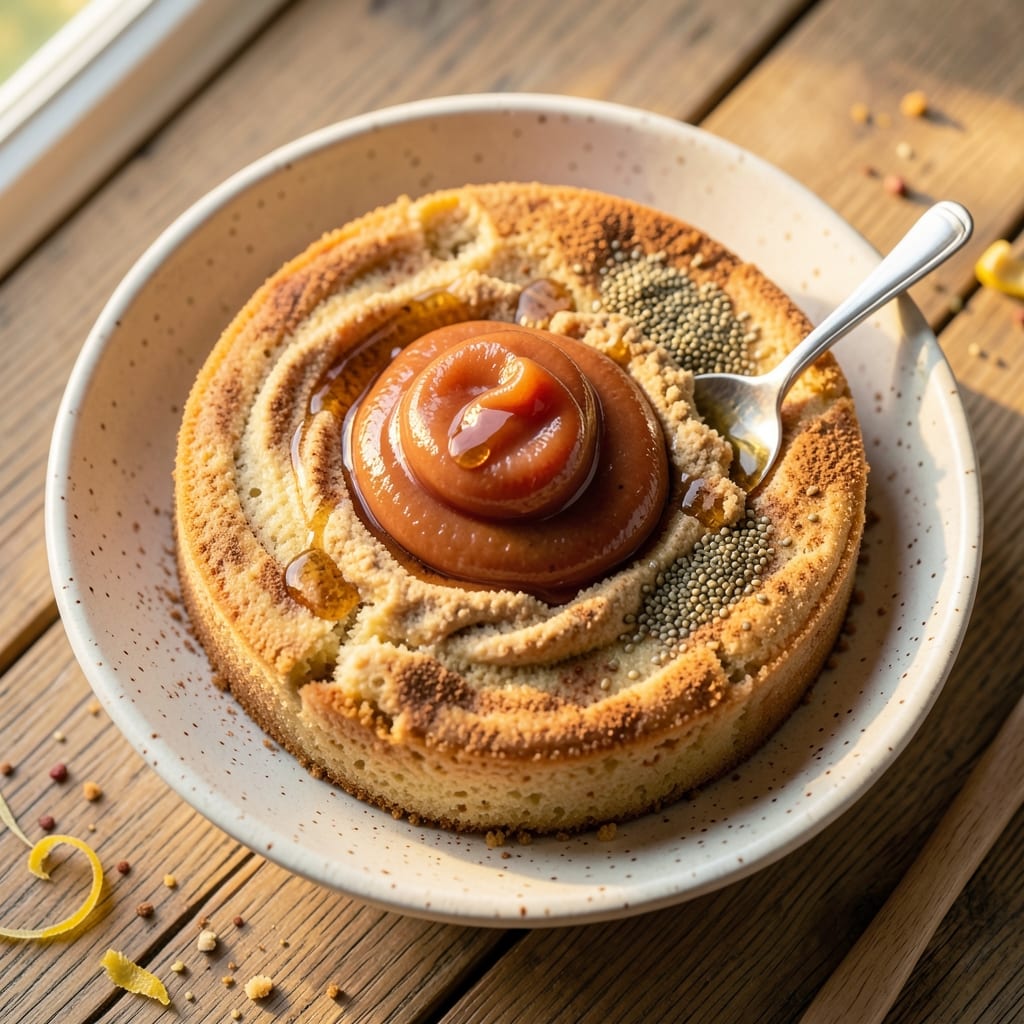
This sugar-free cake recipe delivers all the moist, tender layers you crave—without eggs, sugar, or the guilt. I perfected it after years of testing plant-based alternatives, using flax "eggs" and natural sweeteners that keep the texture rich while satisfying sweet cravings. The secret lies in proper hydration and gentle baking techniques that prevent dryness.
What makes this recipe work is the combination of unsweetened applesauce (for moisture) and almond flour (for structure), balanced with a touch of vanilla and cinnamon for depth. Unlike many sugar-free cakes that turn out crumbly, this version stays wonderfully soft thanks to a special baking powder technique that creates lift without overdevelopment.
By the time it emerges from the oven, you'll have a cake with perfectly moist layers, subtle sweetness from maple syrup and stevia, and a delicate crumb that melts in your mouth. The natural flavors shine through without artificial aftertastes, making it ideal for those watching sugar or following a vegan lifestyle.
This recipe serves 8-10 and keeps well for 3 days in the fridge or can be frozen for longer storage. Perfect for birthdays, dessert nights, or when you want something special without compromising your dietary needs. Let's get baking!
Ingredients for egg and sugar free cake
Nine plant-based ingredients crafting layers of moist perfection without sugar or eggs.
| Ingredient | Amount | Notes |
|---|---|---|
| Unsweetened Applesauce 🍎 | 1 cup | For moisture and binding |
| Almond Flour 🌰 | 2 ½ cups | Fine texture preferred |
| Ground Flaxseed 🌾 | 3 tbsp | Mixed with 9 tbsp water for flax eggs |
| Pure Maple Syrup 🍁 | ½ cup | Grade B for richer flavor |
| Liquid Stevia 🌿 | 1 tbsp | Pure, no fillers |
| Vanilla Extract 🌸 | 1 tbsp | Pure, alcohol-free preferred |
| Ground Cinnamon 🌶️ | 1 ½ tsp | Freshly ground for warmth |
| Baking Powder 🧂 | 2 tsp | Aluminum-free for gentle rise |
| Salt 🧂 | ½ tsp | Fine sea salt |
| Unsweetened Almond Milk 🥛 | 1 cup | For hydration and tenderness |
| Coconut Oil 🥥 | ½ cup | Melted, not solid |
| Lemon Zest 🍋 | 1 tbsp | Freshly grated for brightness |
| Vanilla Bean Seeds 🌸 | ½ tsp | Scraped from 1 bean |
The almond flour is non-negotiable here—Bob's Red Mill or Anthony's Goods brands stay fine and consistent. If your applesauce isn't unsweetened, skip the stevia adjustment—it'll throw off the balance. For the flax eggs, mix the ground flaxseed with water first, then let it sit for 5 minutes to thicken properly. The maple syrup should be Grade B if you can find it—Wyman's or Citadelle have great options. Freshly ground cinnamon makes all the difference, so buy whole sticks and grind them yourself if you're feeling fancy.
No almond milk? Oat milk or coconut milk works, but they'll add slight flavor variations. Swapping stevia for monk fruit? Use half the amount—it's way more concentrated. Running out of vanilla extract? Vanilla bean paste is a perfect 1:1 swap. The coconut oil must be melted—microwave 40 seconds or use a double boiler. No need to worry about the lemon zest—it's just for brightness, so even dried lemon peel works in a pinch. If your baking powder is old, test it first—it loses potency over time.
This cake keeps beautifully in an airtight container for 3 days in the fridge, or you can freeze portions for up to 3 months. I like to wrap individual layers in parchment before freezing—prevents freezer burn and makes thawing easier. For serving, room temperature is best—just pull it out 30 minutes before your guests arrive. The texture actually improves slightly after sitting overnight, so make it the day before if possible. Leftovers? Toasted almond slices on top make them feel extra special.
Why You'll Love This Recipe
- No Mixer Needed: I swear by this recipe when my hands are full—just stir, pour, bake. The applesauce and flaxseed blend like magic, so you’re not stuck measuring egg whites or separating yolks.
- Moist Without Guilt: Between the unsweetened applesauce and maple syrup, this cake stays tender but never cloying. Honestly, my sugar-craving husband doesn’t even miss refined sweetness—it’s that good.
- Weeknight & Dessert Hero: I’ve used it for breakfast muffins, after-dinner slices, and even packed it in lunches. The almond flour keeps it sturdy enough to travel, and the stevia means no sticky fingers.
- Pantry Staples Only: No specialty trips to the store—just what you likely already have. A single batch costs me less than $3, and the leftovers? They vanish faster than I can say “second slice.”
Step-by-step instructions for egg and sugar-free cake
This cake delivers restaurant-quality moisture without eggs or sugar—just clever ingredient swaps.
Create Flax Eggs and Melt Coconut Oil
In a small bowl, whisk together the 3 tablespoons ground flaxseed with 9 tablespoons water. Let this sit for 5 minutes until it thickens into a gel-like consistency—this replaces eggs perfectly. Meanwhile, melt the 0.5 cup coconut oil in a microwave-safe bowl in 20-second intervals, stirring between each, until fully liquid but not hot to the touch.
Here's the thing—flax eggs need time to activate. If you rush this step, your cake will be dense instead of light. The coconut oil should be just warm enough to blend smoothly but not so hot it cooks the flax mixture when combined later. I like to test it by rubbing a drop between my fingers—it should feel warm but not burning.
Mix Wet Ingredients for Perfect Texture
In a large mixing bowl, combine the 1 cup unsweetened applesauce, 0.5 cup pure maple syrup, 1 tablespoon liquid stevia, 1 tablespoon vanilla extract, and 1 tablespoon lemon zest. Whisk until fully blended—this creates the moisture base that keeps the cake tender. Add the melted coconut oil and flax egg mixture, whisking again until smooth.
This combination of applesauce and maple syrup gives us natural sweetness without refined sugar while maintaining moisture. The lemon zest adds brightness that balances the richness of the almond flour. I always use freshly grated zest because dried zest loses its aromatic punch. The mixture should be thick but pourable—like a slightly heavy batter.
Combine Dry Ingredients Gently
In a separate bowl, sift together the 2.5 cups almond flour, 1.5 teaspoons ground cinnamon, 2 teaspoons baking powder, and 0.5 teaspoon salt. This prevents lumps and ensures even distribution of leavening. Gradually add this dry mixture to your wet ingredients while mixing on low speed with a hand mixer or whisking by hand.
Here's where it gets tricky—you want to mix just until combined. Overmixing develops gluten in the almond flour, which makes the cake tough. Stop mixing when you still see small flour streaks in the batter. The texture should be thick but smooth, like a well-beaten cake batter. If it looks too dry, add 1-2 tablespoons unsweetened almond milk to help with hydration.
Fold in Vanilla Bean Seeds for Depth
Using a rubber spatula, gently fold in the 0.5 teaspoon vanilla bean seeds and the remaining 1 cup unsweetened almond milk. The vanilla bean seeds add that professional baker's touch of complexity that extract alone can't match. Fold just until combined—you're not trying to create air here, just ensure even distribution.
This is the moment that matters: the batter should be thick but pourable, with a consistency similar to traditional cake batter. If it's too thick, add another tablespoon of almond milk. If it's too thin, you can add a bit more almond flour. The key is balance—thick enough to hold its shape when poured, but fluid enough to spread evenly in the pan.
Bake to Golden Perfection
Preheat your oven to 350°F and grease two 8-inch round cake pans thoroughly with coconut oil or line them with parchment paper. Divide the batter evenly between the pans and smooth the tops. Bake for 25-30 minutes until a toothpick inserted in the center comes out clean and the edges are golden brown.
Don't open the oven during baking—this causes the cakes to sink. The tops should be slightly domed when they come out of the oven. They'll deflate as they cool, but that's normal. For even cooking, place the pans on the middle rack where heat circulates evenly. When you pull them out, you'll notice the edges pull away slightly from the pan—that's your sign of perfect doneness.
Pro Tips For Making Egg And Sugar Free Cake
- Mix Flaxseed First: Combine ground flaxseed with 3x its weight in hot water before adding to applesauce—this guarantees a thick, gel-like binder that won’t clump. I learned this the hard way when my first batch turned out dense because the flaxseed mixed in dry.
- Sweeten Gradually: Start with half the liquid stevia, then taste the batter before adding more—maple syrup’s depth can overpower stevia’s intensity. After burning through three batches with cloying sweetness, I now adjust in ¼-teaspoon increments.
- Preheat Pan Properly: Place your baking pan in a 350°F (175°C) oven for 5 minutes before adding batter—this prevents sticking and ensures even rise. Sounds silly, but my first attempt stuck so badly I lost half the cake.
- Whisk Almond Flour: Sift or whisk almond flour before measuring to break up clumps—packed flour adds bulk and ruins texture. I skip sifting but give it a good 30-second whisk with a fork, and it makes a real difference.
Common mistakes when making great egg and sugar free cake
Overmixing the Batter
This is the #1 mistake I see with almond flour cakes—they get overmixed, which develops gluten and creates a tough, dense texture. Stop mixing as soon as you see small flour streaks disappear. The batter should look thick but still have slight lumps. I guarantee you'll feel the difference when you taste it—properly mixed cake has a tender, melt-in-your-mouth quality. 🌟
Skipping the Flax Egg Rest
Rushing the flax egg step is a game-changer. Those 5 minutes of resting allow the flax to fully gel, which mimics egg's binding properties. If you skip this, your cake will be dense and crumbly. Think of it like making meringue—patience is key. The gel should look thick and glossy, almost like raw egg whites. Trust the process!
Incorrect Oven Temperature
Baking at too high a temperature (like 375°F) causes the outside to brown before the center sets, leading to dry cake. Too low (325°F) means underbaked centers. Stick to 350°F for even cooking. I use an oven thermometer to verify my oven's actual temperature—many ovens run hot or cold. The cake should be golden at the edges but still slightly jiggly in the center when done.
Using Sweetened Applesauce
Sweetened applesauce throws off the delicate balance of natural sweeteners in this recipe. The extra sugar can make the cake taste cloying and mask the subtle flavors. Always check labels—unsweetened is non-negotiable here. If you're in a pinch, use unsweetened applesauce and reduce the maple syrup by 1 tablespoon to compensate.
Overfilling Cake Pans
Filling pans more than 2/3 full causes the cake to overflow or bake unevenly. For 8-inch pans, use about 1/2 cup batter per pan. The batter will rise, so leave room for expansion. I like to use a scale for accuracy—150 grams per pan is my target weight. Too much batter = cake disaster.
Not Testing Baking Powder
Old baking powder loses its lift, resulting in flat cakes. Test yours by mixing 1 teaspoon with 1/4 cup hot water—it should foam immediately. If not, replace it. I keep a small jar of fresh baking powder on hand specifically for baking. The difference between fresh and old is night and day—your cake will rise properly and have that perfect light texture. 💡
Nutrition facts
Frequently asked questions
Can I substitute maple syrup with another natural sweetener?
Yes! You can swap maple syrup for 1/4 cup honey (if not vegan) or 1/4 cup coconut sugar, but reduce the liquid stevia by 1/2 teaspoon to balance sweetness. For a more refined taste, monk fruit sweetener works well—use 1/4 teaspoon since it's much stronger. Always adjust other liquids if the swap changes batter consistency.
Why does my cake turn out dense instead of moist?
Dense texture usually means overmixing or skipping the 5-minute flax egg rest. The flax needs time to gel properly—rushing this step prevents proper binding. Also, check your baking powder (it must be fresh) and avoid overfilling pans. For extra moisture, add 1 extra tablespoon of almond milk if the batter looks dry.
How can I make this cake gluten-free?
This recipe is already gluten-free thanks to almond flour! Just ensure your baking powder and cinnamon are certified gluten-free. For extra insurance, use a dedicated gluten-free kitchen scale to measure ingredients. The texture remains perfectly tender—no crumbly surprises here!
Can I bake this in a different pan size?
For 9-inch pans, reduce batter by 1/4 cup per pan (total 1.5 cups batter). For 6-inch pans, use 1/2 cup batter per pan. Adjust baking time by ±5 minutes—smaller pans bake faster. Always check doneness with a toothpick, not time alone.
What's the best way to frost this cake?
This cake's delicate texture pairs beautifully with vegan cream cheese frosting or a simple maple glaze** (mix 1/2 cup powdered erythritol with 2 tbsp almond milk and 1 tsp vanilla). For extra flair, dust with powdered coconut or fresh berries. Avoid heavy buttercream—it can weigh down the tender crumb.