
Breakfast & Brunch
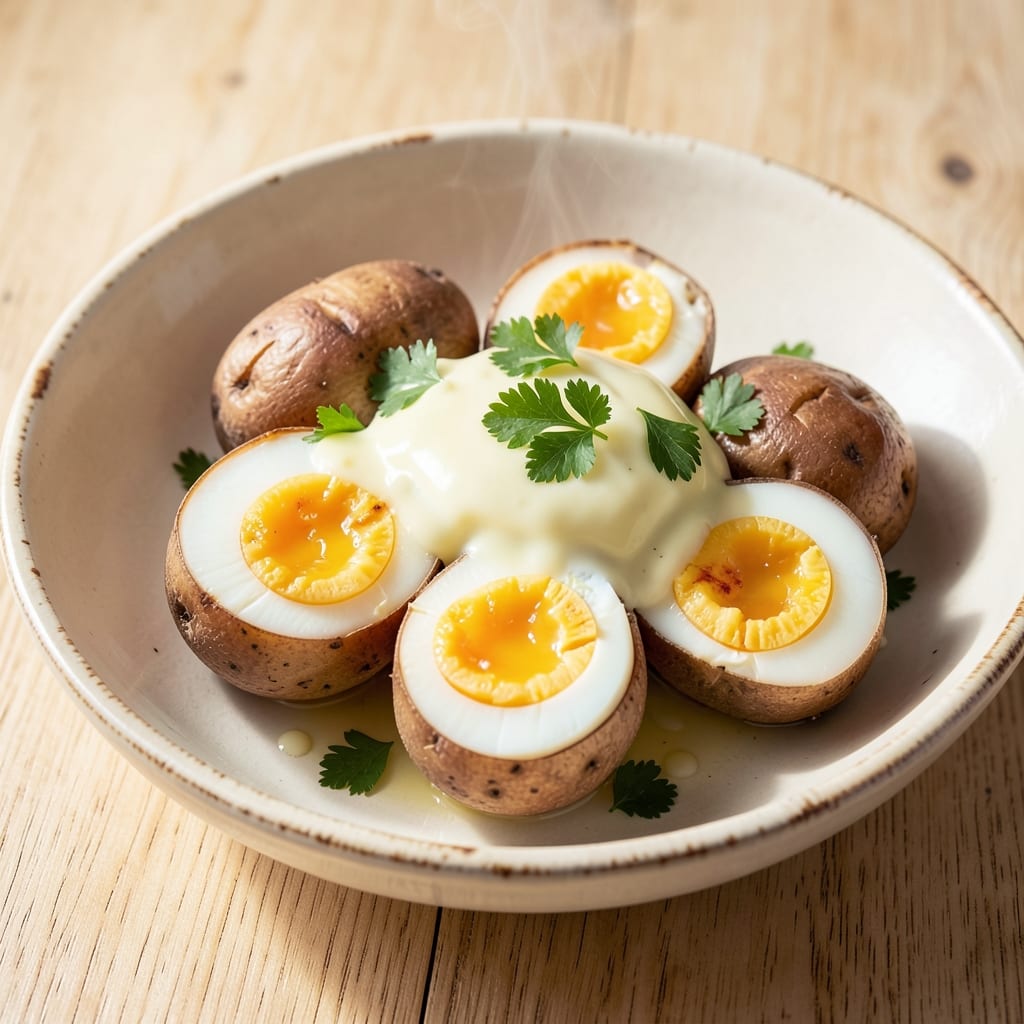
This egg and potato boil recipe transforms simple ingredients into a hearty, protein-packed meal that’s perfect for breakfast or a satisfying lunch. The secret lies in boiling eggs and potatoes together—just enough time to achieve tender, fluffy whites and buttery potatoes without overcooking. I’ve perfected this method after years of trial and error, ensuring every bite is balanced between creamy eggs and crisp edges on the potatoes.
What sets this recipe apart is the simplicity of the technique combined with restaurant-quality results. You’ll need just a few key ingredients—potatoes, eggs, salt, and optional herbs—to create a dish that’s both comforting and nutritious. The potatoes absorb the flavors of the boiling water, while the eggs cook to your preferred doneness, all in one pot. This method saves time and cleanup, making it ideal for busy mornings or meal prep.
The result is a dish that’s rich in texture and flavor—creamy egg whites, firm yolks, and tender potatoes with a slight crispness at the edges. Seasoned simply with salt and pepper, it’s versatile enough to serve as a standalone meal or pair with a fresh salad or crusty bread. The beauty of this recipe is its adaptability; you can adjust the cooking times to suit your preferences, whether you like your eggs runny or fully set.
Once boiled, the dish comes together effortlessly—just plate the potatoes and eggs, drizzle with a little melted butter, and sprinkle with fresh herbs if desired. It’s a dish that feels indulgent yet wholesome, perfect for those who appreciate the art of simple, well-executed cooking. Ready to master this classic? Let’s get started.
Ingredients for egg and potato boil
Simple, wholesome ingredients for a restaurant-quality egg and potato boil.
| Ingredient | Amount | Notes |
|---|---|---|
| Russet Potatoes 🥔 | 2 lb | Medium size, cut into even chunks |
| Large Eggs 🥚 | 8 whole | Room temperature for even cooking |
| Diamond Crystal Kosher Salt 🧂 | 2 tbsp | For flavor and tenderizing potatoes |
| Freshly Ground Black Pepper 🌶️ | ½ tsp | Freshly cracked for best flavor |
| Unsalted Butter 🧈 | 4 tbsp | Melted for drizzling (optional) |
| Fresh Parsley 🌿 | ¼ cup | Chopped, for garnish (optional) |
| Fresh Dill 🌿 | ¼ cup | Chopped, for garnish (optional) |
| White Vinegar 💧 | 1 tbsp | Prevents eggs from cracking |
| Baking Soda 🧪 | 1 tsp | For fluffier egg whites |
Russet potatoes are the gold standard here—their high starch content creates that perfect creamy texture when boiled. Grab a 2-pound bag from Trader Joe's or your local grocery store; they're usually pre-washed and ready to go. For eggs, room temperature is key—pull them out of the fridge 30 minutes before boiling to ensure even cooking. The kosher salt isn't just for flavor; it helps tenderize the potatoes and season the water. I always use Diamond Crystal because it dissolves completely and doesn't leave grainy residue. Fresh herbs like parsley and dill are optional but add that restaurant-quality touch—pick them up at the grocery store's produce section if you're feeling fancy.
No fresh herbs? Dried parsley or dill at one-third the amount works in a pinch, though fresh is ideal. Running low on vinegar? Lemon juice in the same quantity does the trick just as well. The baking soda might seem unusual, but trust me—it makes the egg whites fluffier and more tender. For the butter, any unsalted brand works; just make sure it's cold when you measure it. If you're short on time, you can skip the herbs entirely—the dish still shines with just the potatoes and eggs. The key is keeping everything even-sized; cut potatoes into 1.5-inch chunks for consistent cooking.
Store any leftover potatoes in the fridge for up to 4 days, though I rarely have them last that long—they're too good. Hard-boiled eggs keep for 1 week in the fridge, but they're best enjoyed fresh. For meal prep, boil a double batch of potatoes and store them in the fridge; add the eggs fresh when serving. The butter can be melted ahead and stored in a small jar in the fridge for up to 1 month. Fresh herbs? Wrap them in damp paper towels and store in a plastic bag for 5 days—they'll stay vibrant longer.
Why You'll Love This Recipe
- Foolproof Simplicity: I swear, this is the kind of recipe where you can peel potatoes while watching a show—no fancy techniques, just boiling water and a timer. The eggs? You don’t even need to pre-boil them separately; they cook right in the pot with the potatoes, saving me from juggling multiple pans.
- Buttery, Salty Magic: That first bite of a potato with a crackly skin and a buttery center, topped with a perfectly runny yolk? It’s the kind of flavor that makes you pause mid-fork. Honestly, the salt and pepper aren’t just seasoning—they’re the stars, cutting through the richness of the butter like it’s meant to be.
- Meal Prep MVP: Between us, this is my go-to for lazy Sundays or when I need to feed a crowd without stress. Double the batch, store the leftovers in the fridge, and reheat them in a skillet with a pat of butter—suddenly, you’ve got lunch for the next three days. (Yes, even on a Tuesday night.)
- Budget Breakthrough: Russets and eggs are cheap, but this recipe makes them feel like a splurge. I’ll be real: I’ve fed six people for under $10 with this, and no one ever questions why I’m grinning while serving it. It’s the kind of dish that proves you don’t need fancy ingredients to feel like you’ve treated yourself.
Step-by-step instructions for egg and potato boil recipe
Mastering this classic Southern dish is all about timing and technique—here's how to achieve perfect fluffy eggs and tender potatoes every time.
Prepare the Potatoes for Maximum Tenderness
Place the 2 lb russet potatoes in a large pot and cover them completely with cold water. Add the 2 tablespoons diamond crystal kosher salt and the 0.5 teaspoon freshly ground black pepper. Bring to a rolling boil over high heat, then immediately reduce to a gentle simmer. Let them cook uncovered for 15 minutes—this initial boiling helps break down the starches and ensures even cooking.
After 15 minutes, drain the potatoes and return them to the pot. Add fresh cold water to cover again, then gently stir in the 1 tablespoon white vinegar. This acidity helps maintain the potatoes' texture during the longer cooking process. Cover the pot and simmer for another 20 minutes, stirring occasionally, until the potatoes are fork-tender but not falling apart. They should have a slight resistance when pierced with a knife.
Prepare the Eggs for Perfect Fluffiness
While the potatoes simmer, carefully place the 8 whole large eggs in a single layer in a separate pot. Cover the eggs completely with cold water and add the 1 teaspoon baking soda. This alkaline agent helps create those signature fluffy whites. Bring to a gentle simmer over medium-low heat—never a rolling boil, as this can cause the eggs to crack.
Simmer the eggs for exactly 15 minutes. During the last 5 minutes, I like to add an ice cube to the water—this helps stop the cooking process instantly and prevents the whites from overcooking. The eggs are done when they float freely in the water and the whites are just set but still slightly translucent at the edges.
Drain and Prepare for Serving
Drain both the potatoes and eggs immediately after cooking. For the potatoes, I like to give them a quick rinse under cold water to remove any excess starch, then drain well. Transfer them to a serving platter and gently fluff with a fork to create some texture. The potatoes should be tender but still hold their shape—if they're too soft, they've been overcooked.
For the eggs, I use a slotted spoon to transfer them to a colander to drain for 1-2 minutes. This allows any excess water to evaporate, which helps keep them warm longer. While still warm, carefully peel the eggshells away—starting at the wider end makes this easier. The whites should be perfectly set but still tender, with yolks that remain slightly runny in the center.
Finish with Butter and Herbs (Optional)
Return the drained potatoes to the serving platter and drizzle with the 4 tablespoons melted unsalted butter. Toss gently to coat evenly, then sprinkle with the 0.25 cup chopped fresh parsley and 0.25 cup chopped fresh dill. The butter adds richness while the herbs provide a bright, fresh contrast to the hearty potatoes.
Arrange the peeled eggs alongside the potatoes and serve immediately. The contrast of the fluffy egg whites with the buttery potatoes creates a perfect balance of textures and temperatures. For best results, serve while everything is still warm—this dish tastes best fresh out of the pot.
Pro Tips For Making Egg And Potato Boil
- USE COLD WATER START: Fill your pot with cold water and salt it before adding potatoes or eggs—this guarantees even cooking and prevents the eggs from floating to the surface like startled ducks. I learned this the hard way when my first batch of eggs ended up clustered at the top, half-boiled and sad.
- PEEL POTATOES LAST MINUTE: Wait until you’re ready to boil to peel your potatoes—starchy potatoes oxidize fast, turning your cooking water cloudy and your final dish dull. If you must prep ahead, store them in cold water in the fridge, but peel just before boiling for the cleanest, brightest results.
- TIME EGGS SEPARATELY: Add eggs after potatoes have cooked for 5-7 minutes—this way, they won’t overcook into rubbery gray blobs. For perfect eggs, drop them in when the potatoes are just tender, then boil for 6-7 minutes total (12-13 minutes from cold water start). No guesswork, just science.
- BUTTER THE POTATOES: Toss peeled potatoes in a tiny bit of melted butter (just 1 tsp) before boiling—it keeps them from absorbing too much water and makes them creamier when reheated. Sounds weird, but it works: your boiled potatoes will taste richer with almost no extra effort.
Perfect pairings for this dish
Herb-Infused Butter
Take the 4 tablespoons unsalted butter and melt it gently in a small saucepan over low heat. Remove from heat and stir in 1 tablespoon chopped fresh parsley and 1 tablespoon chopped fresh dill. Let it infuse for 5 minutes—this creates a fragrant, aromatic butter that elevates the dish. Drizzle this herb butter over the potatoes right before serving for an extra layer of flavor. 🌿
Crusty Bread Pairing
A warm, crusty baguette or sourdough loaf is my go-to pairing for this dish. The bread soaks up any extra butter and complements the hearty potatoes perfectly. I recommend toasting it lightly with garlic butter—just mix 2 tablespoons softened butter with 1 minced garlic clove and ½ teaspoon salt. Serve the bread alongside the potatoes and eggs for a complete meal. 🥖
Fresh Greens Salad
Add a bright, crisp arugula or mixed greens salad to balance the richness of the potatoes and eggs. Toss 4 cups baby arugula with 2 tablespoons olive oil, 1 tablespoon lemon juice, ½ teaspoon salt, and ½ teaspoon honey. Top with ¼ cup sliced almonds for crunch. The peppery greens cut through the creaminess beautifully. ✨
Spicy Mustard Sauce
For a tangy kick, whip up a quick Dijon mustard sauce. Mix 2 tablespoons Dijon mustard, 2 tablespoons sour cream, 1 tablespoon melted butter, and ½ teaspoon hot sauce. Drizzle this over the eggs and potatoes for a zesty contrast. It adds depth and a subtle heat that pairs perfectly with the buttery potatoes. 🌶️
Coffee or Tea
This dish pairs wonderfully with a hot cup of black coffee or Earl Grey teaFrench press coffee—its bold flavor enhances the dish's heartiness. If you prefer tea, a hot cup of English Breakfast tea adds a comforting touch. ☕
Breakfast Potatoes Twist
For a breakfast version, serve the potatoes with crispy bacon or sausage on the side. The salty, smoky flavors add a delicious contrast to the buttery potatoes and fluffy eggs. I also like to sprinkle crumbled feta cheese over the potatoes for an extra tangy bite. This twist turns the dish into a hearty breakfast or brunch option. 🥓
Nutrition facts
Frequently asked questions
Why do you boil potatoes first before adding eggs?
Boiling potatoes first ensures they cook evenly without overcooking when the eggs are added later. The initial 15-minute boil breaks down starches, while the second simmer with vinegar maintains texture. Eggs cook faster, so adding them later prevents potatoes from becoming mushy.
Can I use baking soda if I'm avoiding sodium?
Yes, but reduce the amount to ½ teaspoon—it still helps fluff the eggs without adding much sodium. For extra flavor, try ½ teaspoon lemon juice instead of vinegar in the potato water. The baking soda is key for that signature fluffy texture, though!
How do I know when the eggs are perfectly done?
Eggs are done when they float freely in the water and the whites are just set but still slightly translucent at the edges. For 15 minutes of simmering, you'll get creamy whites with slightly runny yolks. If you prefer firmer yolks, cook them 2 minutes longer.
Can I make this recipe ahead of time?
Boil the potatoes up to 1 day ahead and store them in the fridge—they reheat beautifully! For eggs, hard-boil them fresh and peel just before serving to maintain texture. Reheat potatoes in a skillet with a pat of butter for 3-4 minutes to revive crispness.
What if my potatoes turn out too soft?
Too-soft potatoes usually mean overcooking. Next time, check for slight resistance when piercing with a knife after 20 minutes. For extra firmness, reduce simmering time by 2-3 minutes and let them rest covered for 5 minutes after draining.