
Breakfast & Brunch
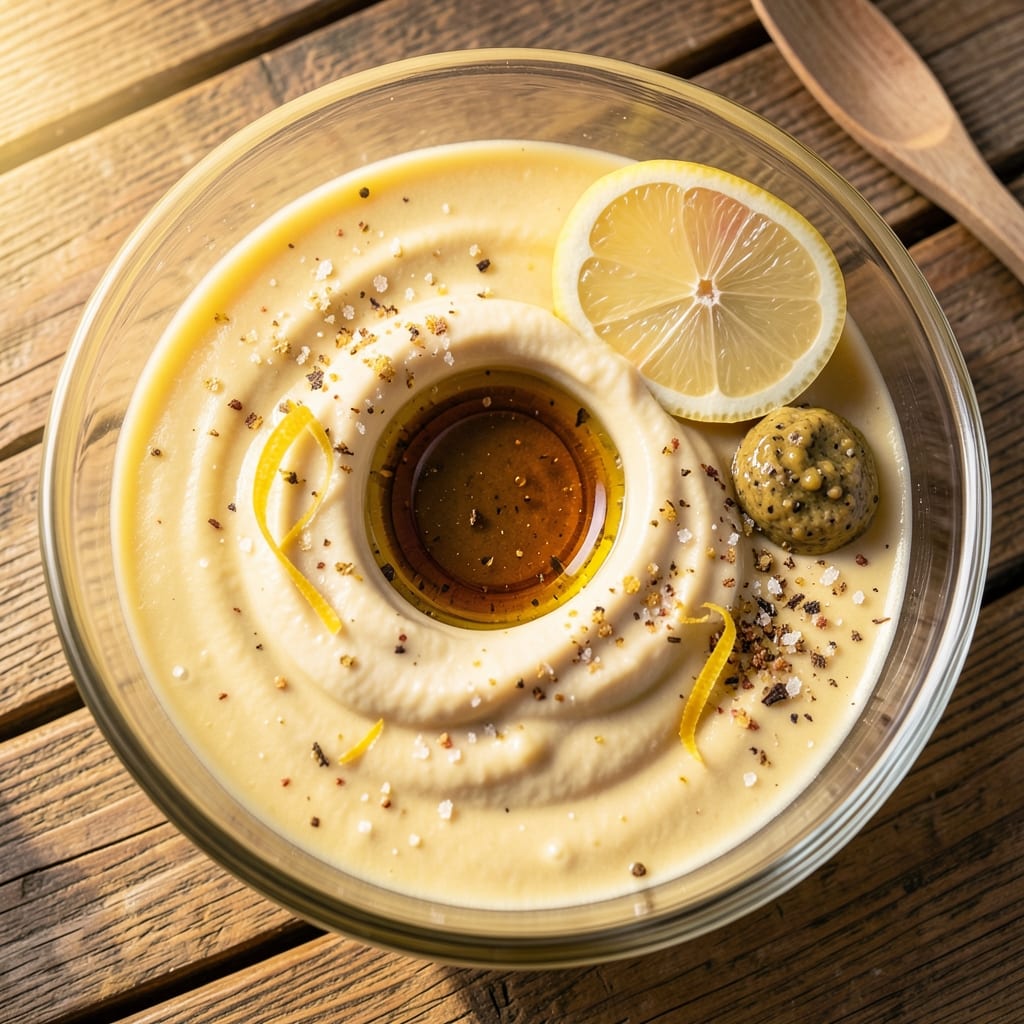
This egg and oil mayo recipe delivers a silky-smooth, ultra-stable condiment that elevates everything from sandwiches to salads. The secret lies in slow emulsification—whisking egg yolks with oil in a controlled manner to create a creamy, luscious texture that won’t break. Unlike store-bought versions, this homemade mayo stays fresh for days and lets you customize flavors with garlic, mustard, or lemon.
The foolproof technique begins with a proper ratio of egg yolks to oil (1:1 by volume), gradually incorporating the oil while whisking vigorously. Adding a pinch of Dijon mustard or lemon juice acts as an emulsifier, ensuring the sauce holds its shape even when refrigerated. This isn’t just mayo—it’s a versatile base for dressings, dips, or sandwich spreads, with a richness that rivals traditional recipes.
What sets this apart is its stability—no thin, greasy separation here. The slow emulsion process creates a velvety texture that stays consistent, whether you’re drizzling it over greens or slathering it on burgers. Plus, it’s vegetarian-friendly and free from preservatives, making it a healthier choice without sacrificing flavor or performance.
Once made, store it in an airtight container in the fridge for up to a week, or freeze for longer shelf life. Use it as a classic mayo, thin it with vinegar for a tangy dressing, or mix in herbs for a fresh twist. The possibilities are endless—let’s get started on this restaurant-quality condiment you’ll never want to buy again.
Ingredients for egg and oil mayo
Eight ingredients transform into a velvety mayo that beats store-bought every time.
| Ingredient | Amount | Notes |
|---|---|---|
| Large Egg Yolks 🥚 | 4 whole | Room temperature preferred |
| Extra-Virgin Olive Oil 🫒 | 1 cup | Light or fruity variety |
| Dijon Mustard 🍯 | 1 tsp | For emulsification |
| Fresh Lemon Juice 🍋 | 1 tbsp | Bright, not bottled |
| Granulated Sugar 🍚 | ½ tsp | Balances acidity |
| Diamond Crystal Kosher Salt 🧂 | ½ tsp | Adjust to taste |
| Fresh Garlic Cloves 🧄 | 1 whole | Minced finely |
| White Vinegar 💧 | 1 tbsp | For thinning if needed |
Egg yolks are the heart of this mayo—fresh, room-temperature yolks emulsify best. Grab organic eggs from Whole Foods or your local market for richer flavor. The olive oil should be extra-virgin—anything else tastes flat. I always double-check the expiration date on Dijon mustard; Maille or Amora are my go-tos. Fresh lemon juice is non-negotiable—bottled juice lacks brightness. For garlic, three cloves max unless you love that punch. The vinegar is just for thinning if you want a lighter dressing later.
No Dijon mustard? Yellow mustard at half the amount works in a pinch. Short on olive oil? Avocado oil has a higher smoke point and similar neutral flavor. The sugar balances the lemon—skip it if you're using sweet mustard. For extra stability, add 1/2 tsp xanthan gum if you're worried about separation. The garlic can be roasted for a milder flavor (wrap in foil, bake at 400°F for 10 minutes). Want tang? Thin with rice vinegar or apple cider vinegar instead of white vinegar.
This mayo stays fresh for 1 week in the fridge, sealed in an airtight glass jar. For longer storage, freeze in 1-tbsp portions—thaw overnight in the fridge. The texture might thicken slightly when refrigerated; whisk vigorously before using. If it ever breaks, just whisk in 1 tsp warm water. I always make a double batch—one for sandwiches, one for dressings. The leftovers? Perfect for deviled eggs or as a base for remoulade.
Why You'll Love This Recipe
- No-Fuss Whip: I swear by this method—just yolks, oil, and a whisk. No mayo jars, no mess, no waiting. The slow drizzle of olive oil while whisking feels almost meditative, and honestly? It’s harder to overdo than store-bought.
- Bright & Tangy: That lemon juice cuts through the richness like a citrusy wake-up call. The sugar just barely balances it, so it’s never cloying—just bright, fresh, and ridiculously good on grilled fish or crusty bread. I’ll be real: I’ve used it as a salad dressing with zero shame.
- Weeknight Magic: This mayo disappears fast, but it keeps perfectly for days in the fridge. Slather it on sandwiches, toss it with pasta, or drizzle it over roasted veggies—it’s my go-to for when I’m too tired to think but still want flavor. (Yes, even on a Tuesday night.)
- Budget Bright Spot: Olive oil and eggs are cheap staples, and a little goes a long way. I make a big batch and use it everywhere—no wasted leftovers, just happy meals. Plus, the Dijon mustard adds depth without costing a fortune. My wallet and taste buds win.
Step-by-step instructions for ultra-stable egg and oil vinaigrette
This method guarantees a silky, long-lasting mayo that won't break or separate.
Whisk the Yolks Until Pale and Thick
Place the 4 whole large egg yolks in a heatproof bowl that fits snugly over a saucepan of simmering water. This indirect heat method, called a bain-marie, helps emulsify the yolks more effectively while preventing them from scrambling. Whisk constantly for about 3-4 minutes until the yolks become pale, thick, and nearly double in volume. You'll notice the mixture transform from a liquid to a creamy, ribbon-like consistency that holds its shape when the whisk is lifted.
This step is crucial—don't rush it. The yolks need to reach this thick, pale stage to properly incorporate the oil later. If they're under-whisked, your vinaigrette will be thin and unstable. If they're over-whisked, they might cook into scrambled eggs. Aim for that perfect balance where they're thick but still glossy and smooth.
Gradually Incorporate the Olive Oil
Remove the bowl from the heat and let the yolks cool slightly for 1-2 minutes. Then, very slowly drizzle in the 1 cup of extra-virgin olive oil while whisking continuously. Start with just a few drops at a time, allowing each addition to fully incorporate before adding more. This gradual approach is what creates the stable emulsion—each tiny droplet of oil gets coated by the yolk proteins, preventing separation.
I like to use a fine-mesh strainer over the bowl when adding the oil to control the flow. If you add the oil too quickly, the mixture will break and curdle. Keep whisking steadily until all the oil is incorporated and the vinaigrette reaches a thick, mayonnaise-like consistency. It should coat the back of a spoon and hold its shape when drizzled.
Add the Remaining Ingredients
Now it's time to incorporate the remaining ingredients. First, add the 1 teaspoon of Dijon mustard, which helps stabilize the emulsion and adds depth of flavor. Then stir in the 1 tablespoon of fresh lemon juice, 0.5 teaspoon of granulated sugar, and 0.5 teaspoon of Diamond Crystal kosher salt. These ingredients balance the richness of the oil with bright acidity and proper seasoning.
Next, mince the 1 whole fresh garlic clove finely (almost to a paste) and fold it in. The garlic should be completely incorporated but not overpowering. Finally, add the 1 tablespoon of white vinegar. This last ingredient is your insurance policy—it helps thin the mixture slightly if needed and adds a touch of tang that cuts through the richness. Taste and adjust the seasoning, adding more salt or lemon juice if necessary.
Thin and Adjust to Perfect Consistency
If your vinaigrette is too thick, gradually whisk in small amounts of water or the reserved lemon juice until it reaches your desired consistency. For a more fluid dressing, add 1 teaspoon at a time. For a thicker, spreadable consistency (great for dips), keep it as is. The key is to work slowly—adding too much liquid at once will break the emulsion.
For an extra-stable version that will last for days in the refrigerator, I recommend adding 1 teaspoon of xanthan gum or 1 tablespoon of finely ground mustard powder to the yolk mixture before adding the oil. This creates an ultra-thick base that won't separate even when refrigerated. Store your finished vinaigrette in an airtight container in the refrigerator for up to 5 days, or freeze for up to 3 months.
Pro Tips For Making Egg And Oil Mayo
- Warm the yolks first: I learned this the hard way—cold yolks and room-temp oil don’t mix well. Whisk your yolks in a heatproof bowl over barely simmering water for 2-3 minutes until they’re just warm to the touch. The emulsion starts smoother, and you’ll avoid that greasy separation struggle later.
- Use Dijon mustard sparingly: Start with just ½ teaspoon, not the full tablespoon most recipes suggest. Too much thickens the mayo too fast and can make it taste bitter. If you need more tang, add lemon juice instead—it’s brighter and won’t overpower the olive oil’s flavor.
- Add oil in a thin, steady stream: I used to dump oil in all at once, and half the time it would just pool on top. Instead, let the whisking drop slow and consistent—about 1 tablespoon at a time—while keeping the mixture moving. If it breaks, start over with a fresh yolk and a splash of warm water to reset.
- Finish with lemon juice last: The acidity of lemon juice is what stabilizes the mayo, so save it for the very end. Add it drop by drop while whisking until the mixture holds its shape. If it’s still too loose, a tiny pinch of sugar (½ teaspoon) helps balance the acid and tighten the emulsion.
Regional styles of this dish
Southern-Style Garlic Mayo
In the American South, mayo gets a bold garlic twist—perfect for biscuits, fried chicken, or potato salad. After making your base mayo, add 2 extra minced garlic cloves (roasted for milder flavor) and a pinch of smoked paprika. I love using this on hot chicken from Nashville—it balances the heat beautifully. 🌶️
Italian Lemon-Herb Dressing
For a bright Italian touch, thin your mayo with 2 tablespoons fresh lemon juice and 1 tablespoon white wine vinegar, then stir in 1 teaspoon finely chopped fresh basil and 1 teaspoon dried oregano. This works as a creamy salad dressing or pasta sauce—toss with cherry tomatoes and mozzarella for a Caprese twist. 🍋
French Aioli-Inspired Mayo
Transform your mayo into a French-style aioli by adding 1 teaspoon finely minced shallot and ½ teaspoon ground coriander. For extra richness, fold in 1 tablespoon melted butter at the end. This version shines on grilled fish or as a dip for crudités—it’s like a lighter, brighter version of classic aioli. 🥘
Japanese Sesame-Ginger Mayo
For an Asian-inspired twist, mix in 1 teaspoon toasted sesame seeds, ½ teaspoon grated fresh ginger, and 1 teaspoon soy sauce after the mayo is made. Drizzle over sushi rolls or use as a dip for tempura—the nutty sesame and zesty ginger add a unique depth. 🌱
Mexican Chipotle-Lime Mayo
Spice up your mayo with ½ teaspoon adobo sauce (from canned chipotle peppers) and 1 teaspoon lime juice. Add a pinch of cumin for warmth, and it becomes the perfect topping for tacos or quesadillas. The smoky chipotle pairs perfectly with the creamy texture. 🌶️
Mediterranean Olive-Tapenade Mayo
Blend 2 tablespoons finely chopped Kalamata olives and 1 teaspoon capers into your finished mayo for a briny, Mediterranean-inspired twist. This works as a dip for pita chips or a spread for sandwiches—the olives add a salty, fruity contrast to the creamy base. 🫒
Nutrition facts
Frequently asked questions
Why does my homemade mayo sometimes break or separate?
This usually happens when oil is added too quickly or the yolks aren't thick enough. The key is slow, steady whisking while drizzling oil drop by drop. For extra stability, add 1 tsp xanthan gum or whisk in 1 tsp warm water if it separates. Always use room-temperature eggs and oil for best results.
Can I make this mayo without a whisk or immersion blender?
Use a fork or small hand mixer for the yolks, then switch to a rubber spatula for the oil. Work in a shallow bowl to prevent splatter. The slow, deliberate motion is more important than the tool—just keep moving constantly until fully emulsified. A fork works great for small batches.
How do I adjust the flavor if my mayo tastes too bland?
Brighten it with 1 extra tsp lemon juice or ½ tsp white vinegar for tang. For depth, add ½ tsp Dijon mustard or 1 minced garlic clove. A pinch of smoked paprika or onion powder adds warmth. Taste as you go—homemade mayo lets you customize perfectly!
Is this mayo safe to eat if it's been in the fridge for over a week?
For maximum safety, use within 5 days when refrigerated. If stored properly in an airtight container, it should stay fresh that long. After a week, the texture may change or it might develop an off smell—when in doubt, throw it out. Freezing in 1-tbsp portions extends shelf life to 3 months.
Can I use this mayo as a salad dressing?
Yes! Thin it with 2-3 tbsp vinegar or lemon juice until it reaches your desired consistency. This creates a creamy vinaigrette perfect for greens. For extra flavor, whisk in 1 tsp honey or ½ tsp dried herbs. It works especially well with spinach, arugula, or pasta salads.