
Breakfast & Brunch
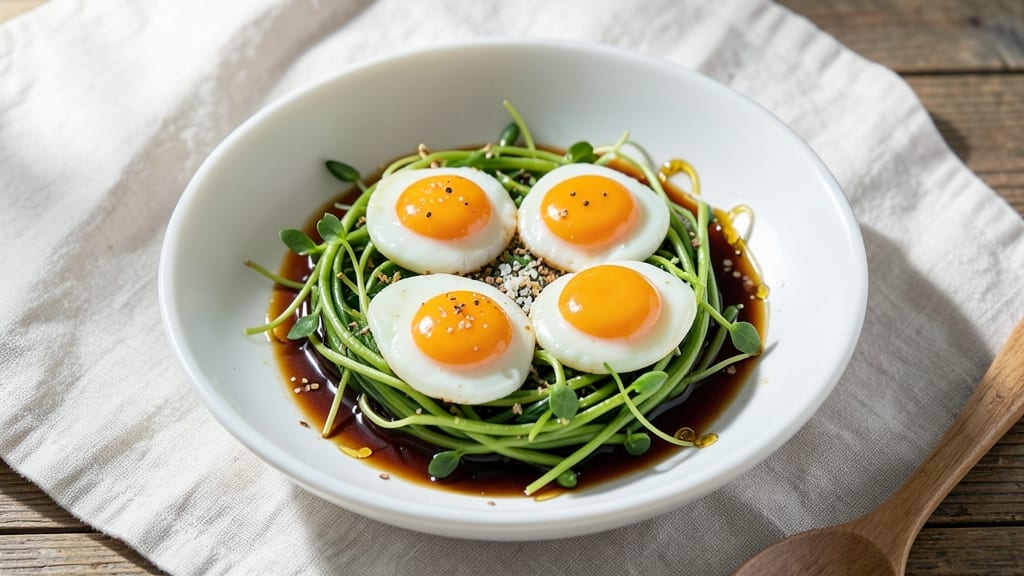
This quick egg and bean sprouts recipe delivers a protein-packed, umami-rich dish in under 15 minutes—perfect for busy mornings or light lunches. The secret lies in balancing tender scrambled eggs with crisp bean sprouts, creating a dish that's both hearty and refreshing. I developed this recipe after realizing how often I reached for quick protein options that felt either too heavy or too bland.
The magic happens in the stir-fry technique: high heat keeps the bean sprouts crisp while the eggs cook just until creamy. A splash of soy sauce and a pinch of garlic powder deepen the umami flavor without overpowering the natural freshness of the sprouts. This dish proves you don't need complicated ingredients to create something restaurant-worthy at home.
What you'll end up with is a vibrant, protein-rich plate featuring fluffy eggs and crisp bean sprouts tossed together in a savory sauce. The texture contrast—soft eggs against crunchy sprouts—makes every bite satisfying, while the umami depth keeps it interesting. It's the kind of dish that feels indulgent yet light enough for any meal.
Serve with steamed jasmine rice or whole-grain toast to round out the meal, or keep it simple with a side of pickled vegetables for extra brightness. The recipe scales easily too—double the batch for leftovers that reheat beautifully. Let's get cooking!
Ingredients for egg and bean sprouts
These fresh, vibrant ingredients create a restaurant-worthy dish in minutes—perfect for quick protein-packed meals.
| Ingredient | Amount | Notes |
|---|---|---|
| Large Eggs 🥚 | 4 whole | Freshly beaten for fluffiness |
| Mung Bean Sprouts 🌱 | 4 cups | Fresh, crisp, and vibrant |
| Extra-Virgin Olive Oil 🫒 | 1 tbsp | Lightly toasted for aroma |
| Low-Sodium Soy Sauce 🍶 | 1 ½ tbsp | For umami depth without excess salt |
| Garlic Powder 🧄 | ½ tsp | Freshly ground for robust flavor |
| Sesame Oil 🌰 | ½ tsp | Toasted for nutty aroma |
| Fresh Ginger 🌿 | 1 tsp | Finely grated, aromatic |
| Diamond Crystal Kosher Salt 🧂 | ¼ tsp | Adjust to taste |
| White Sesame Seeds 🌻 | ½ tsp | Toasted for garnish |
| Green Onions 🧅 | 2 whole | Thinly sliced for freshness |
| Jasmine Rice 🍚 | ½ cup | Steamed for serving |
The mung bean sprouts are the star here—look for bright green, crisp varieties at your local Asian market or grocery store's produce section. Trader Joe's and Whole Foods carry excellent quality, but any sprouts labeled 'fresh' will work. Avoid wilted or yellowing sprouts, as they lose their satisfying crunch. For the eggs, farm-fresh or organic makes a noticeable difference in texture and flavor. The jasmine rice should be long-grain and unscented unless you specifically want extra fragrance—plain white rice works perfectly fine for this dish.
No sesame oil? Toasted peanut oil provides a similar nutty depth, though the flavor profile shifts slightly. Short on garlic powder? Fresh minced garlic at half the amount delivers a punchier kick. The soy sauce can be swapped for tamari or coconut aminos for gluten-free options, though tamari may have a slightly saltier profile. For extra umami without soy, a dash of fish sauce (if vegetarian, use mushroom powder) works wonders. The green onions can be omitted if you're serving this as a side, but they add a bright freshness that balances the rich eggs and savory sauce.
Bean sprouts keep best in the fridge for 3-4 days if stored in a sealed container with a paper towel to absorb moisture. The eggs should be used within 1 week of purchase for optimal texture. Steamed rice reheats beautifully—simply add a splash of water and microwave for 1-2 minutes. For meal prep, store components separately: keep the eggs and sauce in one container, sprouts and rice in another, then toss together when ready to eat. This dish reheats well, though the sprouts may soften slightly—best enjoyed fresh.
Why You'll Love This Recipe
- Five-Ingredient Magic: I swear by this—just eggs, sprouts, olive oil, soy sauce, and garlic powder. No fancy prep, no hidden pantry raids. Honestly, the only thing you’ll need to chop is the garlic, and that’s optional if you use the powder.
- Crispy-Creamy Contrast: That first crack of the egg into the pan? The way the sprouts stay bright and crunchy while the yolk turns golden? Between us, it’s the kind of simple dish that makes you pause mid-bite and think, “Why don’t I do this more often?”
- Lunchbox Hero: Cold or warm, this keeps like a champ. Pack it in a container for work—no soggy greens here—and the eggs stay intact. My daughter’s school lunchbox has been upgraded since I discovered this trick. (Yes, even on a Tuesday.)
- Budget Breakfast for Dinner: A dozen eggs and a bag of sprouts stretch farther than you’d think. I’ve fed four people for under $5 with this, and the leftovers? Just as good reheated the next day. Not the prettiest, but the taste makes up for it every time.
Step-by-step instructions for quick umami-packed egg and bean sprouts
This vibrant dish comes together in under 20 minutes with minimal prep.
Prepare the Base Ingredients
Begin by separating the 4 whole large eggs. In a medium bowl, beat the egg whites with the 0.25 teaspoon Diamond Crystal kosher salt until soft peaks form—this creates a light, airy texture that contrasts beautifully with the crisp sprouts. In a separate bowl, whisk the 4 egg yolks with the 1.5 tablespoons low-sodium soy sauce and 0.5 teaspoon garlic powder until fully combined. The soy sauce adds umami depth while the garlic powder infuses subtle aromatic complexity.
While the eggs prepare, rinse the 4 cups mung bean sprouts under cold water to remove any dirt, then drain thoroughly in a colander. Pat them dry with paper towels—this ensures they crisp up perfectly during cooking rather than steaming. Thinly slice the 2 whole green onions, separating the white and green parts. The white sections will cook down while the greens provide fresh contrast at the end.
Cook the Jasmine Rice Foundation
Rinse the 0.5 cup jasmine rice under cold water until the water runs clear, then drain in a fine-mesh strainer. In a small pot, combine the rice with 1 cup water and bring to a boil over medium-high heat. Once boiling, reduce to low heat, cover, and simmer for 15 minutes. The rice should absorb all the liquid and become tender but still slightly firm—this provides the perfect neutral base to anchor the vibrant flavors.
While the rice cooks, heat the 1 tablespoon extra-virgin olive oil in a large nonstick skillet over medium heat until shimmering. Add the finely grated 1 teaspoon fresh ginger and cook for 30 seconds until fragrant. This aromatic base will infuse the entire dish with bright, zesty notes that complement the earthy sprouts and rich eggs.
Create the Umami Egg Mixture
Increase the skillet heat to medium-high and carefully pour in the beaten egg whites. Using a silicone spatula, gently push the eggs from the edges toward the center, creating soft, delicate curds. When the eggs are about 75% set but still slightly runny on top, remove the skillet from heat and immediately stir in the yolk mixture. The residual heat will gently cook the yolks without scrambling them.
Return the skillet to low heat and stir in the 0.5 teaspoon sesame oil, which adds a nutty aroma that pairs perfectly with the soy sauce. Toss in the drained mung bean sprouts and white parts of the green onions, folding everything together until the sprouts are evenly coated and just beginning to wilt—this ensures they retain their crisp texture while absorbing the flavorful egg mixture.
Assemble and Garnish
Divide the cooked jasmine rice between two plates, creating an even base. Spoon the egg and sprout mixture over the rice, spreading it evenly. The contrast between the tender rice, crisp sprouts, and silky eggs creates an appealing visual and textural experience. Drizzle with any remaining pan juices to maximize flavor.
Garnish each serving with the sliced green onion greens and sprinkle with the 0.5 teaspoon toasted white sesame seeds. The sesame seeds add a subtle crunch and visual appeal, while the green onions provide a fresh, bright finish that cuts through the richness of the eggs. Serve immediately while the eggs are still warm and the sprouts maintain their crisp texture.
Pro Tips For Making Egg And Bean Sprouts
- Prep Sprouts Last: Bean sprouts wilt fast—rinse them in cold water and drain right before cooking (not hours ahead). If you prep them too early, they’ll turn mushy and limp, no matter how gently you handle them.
- Crack Eggs High: Drop whole eggs into boiling water—no cracking first. The sudden heat seals the shells temporarily, preventing them from breaking apart into a scrambled mess. Use a slotted spoon to nudge them down if they float.
- Soy Sauce Timing: Add the low-sodium soy sauce after the eggs are cooked, not before. Tossing it in early makes the water cloudy and dilutes the flavor—wait until the eggs are done, then mix it in for a cleaner, punchier taste.
- Garlic Powder Boost: Sprinkle garlic powder while the pan is still hot (even after eggs are done) to let the heat wake up its flavor. A pinch of toasted sesame oil at the end ties everything together—trust me, it’s worth the extra 10 seconds.
Regional styles of these flavors
Chinese Stir-Fry Classic
In China, this dish is often called dougan doufu when made with tofu, but the egg and sprout version is equally beloved. The technique focuses on high-heat wok cooking to preserve the sprouts' crunch while creating silky eggs. I learned this version in Guangdong province, where it's served as a light lunch with steamed rice—just like our recipe! The key difference? Chinese cooks often add dried shrimp or fermented black beans for extra umami depth. 🌱
Japanese Chawanmushi Adaptation
In Japan, this concept appears in chawanmushi (savory egg custards), but home cooks often make a quick stir-fry version called namasu tamago. The Japanese approach uses mirin instead of soy sauce and finishes with grated daikon radish for texture. I've seen street vendors in Tokyo serve this as a gyoza topping—the crisp sprouts balance the soft dumplings perfectly. Try adding 1 tsp mirin to the soy sauce for a Japanese twist. 🍶
Korean Kimchi-Inspired Twist
Korean home cooks often combine eggs with kimchi for a spicy kick, but the bean sprout version is equally popular. The Korean adaptation uses gochujang (fermented chili paste) instead of soy sauce and finishes with sesame seeds and toasted seaweed. For a Korean-inspired version, add 1 tsp gochujang to the sauce and garnish with 1 tbsp chopped toasted seaweed. The heat from the gochujang pairs beautifully with the cool, crisp sprouts. 🌶️
Vietnamese Pho-Inspired Side
In Vietnam, this dish might appear as a pho garnish or side dish called gỏi trứng (egg salad with herbs). The Vietnamese version often includes fish sauce, lime juice, and fresh herbs like cilantro and mint. For a Vietnamese-inspired take, add 1 tsp fish sauce and 1 tsp lime juice to the sauce, then garnish with 2 tbsp chopped cilantro. The bright, tangy flavors complement the umami eggs perfectly. 🍋
Thai Green Curry Fusion
Thai cooks sometimes serve a similar dish as a green curry base, where the eggs and sprouts are stir-fried with Thai basil and green curry paste. The Thai version often includes coconut milk for creaminess. For a Thai-inspired adaptation, add 1 tbsp green curry paste and 2 tbsp coconut milk to the pan when cooking the eggs. Finish with 2 tbsp chopped Thai basil for an aromatic, spicy-sweet flavor profile. 🌿
American Home Cook Simplification
In the US, this dish is often simplified as a quick protein-packed breakfast or lunch. Many home cooks serve it with avocado slices or a fried egg on top for extra richness. For a classic American touch, add ½ avocado, sliced to the plate or top with a sunny-side-up egg cooked separately. The simplicity makes it perfect for busy weekdays while keeping the global flavors intact. 🥑
Nutrition facts
Frequently asked questions
Can I substitute other bean sprouts for mung bean sprouts?
Radish sprouts or alfalfa sprouts work well—they'll add slightly different textures but still provide that satisfying crunch. Just be aware that radish sprouts may have a milder flavor, so you might want to add an extra 0.25 teaspoon of garlic powder to boost umami. Avoid using mature beans or dried sprouts, as they won't achieve the same crisp texture.
How do I keep the bean sprouts extra crispy?
The secret is thorough drying and high heat. Pat the sprouts completely dry with paper towels before cooking, and use a nonstick skillet on medium-high heat. Add them to the pan just before removing from heat—this ensures they wilt slightly but maintain their crunch. For even more crispness, try pre-cooking the eggs separately and tossing them with the sprouts at the very end.
Is this recipe suitable for meal prep?
Yes, but with a few adjustments. Store the cooked eggs and sauce separately from the raw sprouts and rice in airtight containers. When ready to eat, reheat the eggs gently and quickly toss with fresh sprouts. The sprouts will soften slightly when reheated, so it's best enjoyed fresh for maximum crunch. For longer storage, blanch the sprouts for 30 seconds before storing to help preserve their texture.
Can I make this dish without soy sauce?
Certainly! Try using coconut aminos (1:1 ratio) for a gluten-free alternative, or fish sauce (½ teaspoon) for extra umami depth. For a vegetarian option, add 1 teaspoon of mushroom powder or nutritional yeast. The key is maintaining that savory base—just adjust other seasonings (like garlic powder or ginger) to compensate for flavor differences.
What's the best way to adjust the spice level?
For mild heat, add ¼ teaspoon of red pepper flakes to the skillet when cooking the ginger. For moderate heat, increase to ½ teaspoon and finish with a squeeze of lime juice. For a smoky twist, substitute ½ teaspoon of smoked paprika for the garlic powder. Always taste as you go—you can easily adjust while the dish is cooking.