
Breakfast & Brunch
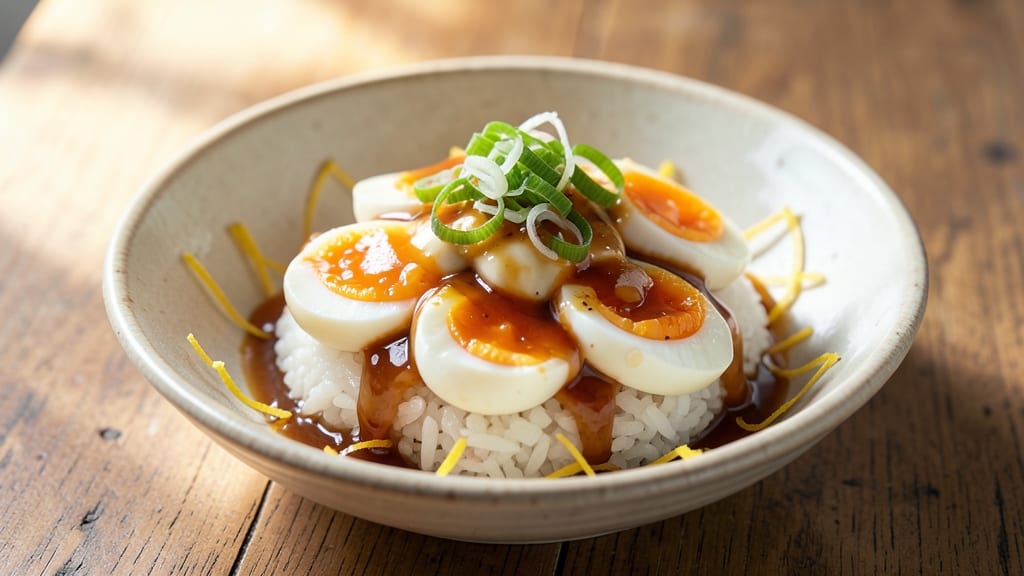
This Japanese-style egg akuri recipe transforms simple eggs into a luxurious breakfast dish with just a few ingredients and a silky miso broth. The secret lies in poaching eggs to perfection in a sweet-savory sauce that balances umami, saltiness, and subtle sweetness—creating bites that are tender, flavorful, and restaurant-worthy at home.
Traditionally served in Japanese izakayas, akuri eggs are poached in a warm broth of soy sauce, mirin, and sugar until the whites become delicate and the yolks remain runny. The broth infuses the eggs with rich, savory depth, while the slight sweetness enhances their natural richness. Unlike traditional poached eggs, akuri eggs are cooked in a gentle, flavorful bath rather than boiling water.
The result is a dish that’s both elegant and comforting—silky eggs nestled in a fragrant broth, served with steamed rice and pickled vegetables. This method ensures every bite is tender and infused with flavor, making it a standout breakfast or light meal. Perfect for brunch or a refined weekday dinner, this recipe delivers restaurant-quality results with minimal effort.
Whether you're a fan of Japanese cuisine or simply love a well-executed egg dish, akuri eggs offer a sophisticated twist on a classic. The preparation is straightforward, but the outcome is undeniably impressive. Let’s get started on creating this delicate, flavorful dish.
Ingredients for egg akuri
Elegant simplicity: just twelve ingredients transform ordinary eggs into luxurious akuri.
| Ingredient | Amount | Notes |
|---|---|---|
| Large Eggs 🥚 | 4 whole | Fresh, room temperature preferred |
| White Miso Paste 🧈 | 2 tbsp | High-quality, smooth texture |
| Usukuchi Soy Sauce 🍶 | 2 tbsp | Light soy sauce, not dark |
| Mirin 🍶 | 2 tbsp | Authentic Japanese mirin |
| Granulated Sugar 🍚 | 1 tbsp | Fine grain preferred |
| Dashi Stock 🍵 | 1 cup | Homemade or quality bottle |
| Water 💧 | 1 cup | Filtered preferred |
| Rice Vinegar 🍶 | 1 tbsp | Seasoned preferred |
| Green Onions 🧅 | 2 whole | Thinly sliced for garnish |
| Sesame Seeds 🌱 | 1 tsp | Toasted for garnish |
| Diamond Crystal Kosher Salt 🧂 | ½ tsp | For seasoning broth |
| Japanese White Rice 🍚 | 2 cups | Steamed for serving |
The miso and soy sauce form the heart of this dish. White miso provides delicate umami without overpowering, while usukuchi soy sauce offers subtle saltiness. For authentic flavor, source these at Japanese specialty markets—Marukome miso and Kikkoman soy sauce are excellent choices. The mirin adds that signature sweetness and depth; never substitute regular sweet wine. If you can't find authentic mirin, Horn's is a reliable alternative. The dashi stock is non-negotiable—homemade from bonito flakes and kombu yields the best results, but Hondashi powder works in a pinch.
No miso? White soy sauce plus a pinch of sugar mimics the flavor profile. Running short on mirin? Rice vinegar plus 1 tsp sugar gets you close. The green onions can be swapped for chives or scallions, though they won't be identical. For the rice, jasmine rice is ideal, but any long-grain white rice will do. The sesame seeds should be toasted in a dry pan for 30 seconds—this enhances their flavor dramatically. If you're using pre-toasted seeds, skip this step. The broth should simmer gently; boiling will cook the eggs too quickly, resulting in rubbery whites.
The broth keeps for 3 days refrigerated, though the eggs are best served immediately. Store the broth separately in an airtight container. For the rice, cook a generous batch—it reheats beautifully and pairs perfectly with this dish. The sesame seeds lose their crunch after 2 days, so toast fresh before serving. If making ahead, prepare the broth and store it cold, then reheat gently before poaching the eggs. The eggs themselves are best served immediately, but you can poach them up to 2 hours ahead if stored in the warm broth (not boiling) in the refrigerator.
Why You'll Love This Recipe
- Five-Ingredient Magic: I swear, this recipe’s pantry-friendly. White miso, soy sauce, mirin—stuff I already have—plus eggs and sugar. No specialty shopping, no stress. The sauce comes together faster than I can boil water.
- Umami Bomb: That white miso paste? It’s the star. Sweet, funky, and deep—like a slow-cooked secret in every bite. The usukuchi soy sauce adds this salty, almost caramelized richness, and the mirin? Pure comfort in a bottle.
- Office Lunch Hero: Between us, this is my go-to for work lunches. Cold or reheated, it’s always solid. Pack the eggs ahead, toss them in the sauce when you’re ready, and boom—no sad desk salad. (Yes, even on a Tuesday night.)
- Budget Breakthrough: Eggs are cheap, miso lasts forever, and a little mirin goes a long way. I’ve made this for four people for under $8. No guilt, no frills—just reliable, crave-worthy flavor without breaking the bank.
Step-by-step instructions for egg akuri
Master this delicate technique for silky, perfectly poached eggs in rich miso broth.
Prepare the Miso Broth Base
In a medium saucepan, combine the 1 cup dashi stock, 1 cup water, 2 tablespoons white miso paste, 2 tablespoons usukuchi soy sauce, 2 tablespoons mirin, 1 tablespoon granulated sugar, and 0.5 teaspoon diamond crystal kosher salt. Stir over medium-low heat until the miso paste dissolves completely and the mixture reaches a gentle simmer.
Real talk: Don't rush this step. The miso needs to fully incorporate without burning. You'll know it's ready when the broth smells deeply umami and slightly sweet—no visible grains of miso should remain. Keep the heat at medium-low to prevent scorching. Once smooth, reduce heat to low and maintain at a bare simmer for the poaching process.
Poach the Eggs to Silky Perfection
Gently crack the 4 whole large eggs into small bowls or ramekins. Bring the miso broth to a gentle simmer (small bubbles breaking the surface, not a rolling boil). Using a slotted spoon, carefully lower one egg at a time into the broth. The water should barely ripple—this ensures the whites set gently without breaking.
Poach for 3 minutes for runny yolks or 4 minutes for slightly firmer yolks. Here's the thing—you can't rely solely on time. Watch for the whites to become opaque but still translucent at the edges. When you lift them with a slotted spoon, they should hold their shape but still feel delicate. Remove with the spoon and drain briefly on a paper towel-lined plate.
Finish the Broth and Garnish
Return the poached eggs to the simmering broth and add the 1 tablespoon rice vinegar. This brightens the flavors and balances the richness. Let everything heat through for 1 minute, then turn off the heat. The residual warmth will gently cook the eggs further without overcooking.
Divide the 2 cups steamed Japanese white rice among serving bowls. Ladle the miso broth and eggs over the rice. Garnish with thinly sliced green onions and toasted sesame seeds. The contrast of the silky eggs against the vibrant green onions and nutty sesame seeds creates visual appeal, while the miso broth ties everything together in perfect harmony.
Serve Immediately for Optimal Texture
Egg akuri is best served immediately while the eggs maintain their silky texture. The miso broth should coat the rice and eggs evenly, creating a luxurious mouthfeel with each bite. If you must serve later, keep the eggs and broth separate until ready to combine—this preserves their delicate texture.
Each spoonful should deliver a balance of umami from the miso, sweetness from the mirin and sugar, and a subtle tang from the rice vinegar. The eggs should be tender yet hold their shape, with yolks that remain rich and slightly runny. This dish exemplifies how simple ingredients, when combined with precise technique, create something truly special.
Pro Tips For Making Egg Akuri
- STIR CONSTANTLY AT FIRST: The first 30 seconds after adding miso and sugar to the pan are when things can scorch faster than you think. I used to walk away for "just a second" while checking the eggs—and ended up with burnt bits that ruined the whole batch. Keep that spoon moving like you’re stirring oatmeal on a high flame until the miso dissolves completely.
- USE COLD EGGS: Room-temperature eggs release their yolks too aggressively, making the akuri gloppy instead of silky. Crack them straight from the fridge into a bowl first, then gently slide them into the pan. Yes, it’s a tiny extra step, but the texture difference is noticeable—especially when serving with rice.
- DON’T SKIP THE MIRIN REDUCTION: Skimping on reducing the mirin-sugar mix by half is how you end up with a dish that tastes more like syrup than savory sauce. Simmer it until it coats the back of a spoon—about 3-4 minutes—and you’ll get that glossy, balanced sweetness that makes akuri sing.
- COOK EGGS IN BATCHES: Overcrowding the pan steams the eggs instead of searing them, turning them into sad, watery blobs. Work in 2-egg batches max, and resist the urge to rush—even if you’re starving. A slightly uneven first batch is better than a whole pan of mushy disappointment.
Make-ahead tips for leftovers
Broth Prep Ahead
Make the miso broth 1 day ahead—it tastes even better after flavors meld. Store it in an airtight container in the fridge, then reheat gently on low heat until just simmering before poaching. I add an extra ½ teaspoon sugar when reheating to compensate for any evaporation. The broth should smell rich and aromatic, not flat. 💫
Egg Prep Timeline
Crack eggs into small ramekins the night before and refrigerate. This keeps whites firm for easier handling. Bring eggs to room temperature 30 minutes before poaching by placing ramekins in warm water. Room-temperature eggs poach more evenly—no more rubbery whites! 🥚
Rice Ready Strategy
Cook 3 cups rice (instead of 2) and refrigerate extras in an airtight container for up to 3 days. Reheat portions in a steamer or microwave with a damp towel for 1 minute. The extra rice ensures you're never scrambling—just assemble with pre-made broth and fresh eggs. 🍚
Garnish Freshness
Toast sesame seeds right before serving—they lose crunch after 2 days. Store sliced green onions in a sealed container with a paper towel to prevent wilting. If making ahead, keep garnishes separate until the last minute for maximum freshness. 🌱
Reheating Eggs Safely
If poaching eggs ahead, store them in the warm broth (not boiling) in the fridge for up to 2 hours. Reheat gently by placing the ramekin in a water bath at 140°F for 10 minutes. This maintains silky texture—never microwave! The broth will reheat faster than the eggs. ⏰
Full Meal Assembly
Prep all components separately: broth (day before), rice (extra batch), and garnishes (day of). Assemble just before serving by reheating broth and toasting seeds. This keeps everything at peak texture and temperature. The dish comes together in 5 minutes—perfect for last-minute guests! ✨
Nutrition facts
Frequently asked questions
Can I substitute white miso with regular miso?
While you can use regular miso in a pinch, white miso creates a cleaner, more delicate flavor that's essential for akuri. Regular miso is stronger and darker, which may overpower the dish. If you must substitute, reduce the amount to 1 tablespoon and add 1 teaspoon white soy sauce to mimic the lighter profile. The texture of the broth will be slightly less smooth, but the flavor will still be rich and umami-packed.
Why do my akuri eggs turn out rubbery?
Rubbery eggs usually mean the broth was too hot or the eggs cooked too long. Keep the broth at a gentle simmer (tiny bubbles, not a boil) and poach for only 3-4 minutes. Room-temperature eggs poach better—cold eggs tighten and turn rubbery. Also, avoid stirring the broth while eggs cook, as this disrupts the delicate whites. If the eggs are already rubbery, reheating gently in warm broth (140°F) for 5 minutes can help restore some tenderness.
Can I make egg akuri without mirin?
Yes, but the dish will lack its signature sweetness and depth. Replace 2 tablespoons mirin with 1 tablespoon rice vinegar plus 1 teaspoon sugar. For extra umami, add ½ teaspoon dashi powder to the broth. The flavor won't be identical, but it'll still be delicious. If you're using a substitute like Horn's mirin, follow the recipe as written—it's formulated to mimic authentic mirin closely.
How do I serve egg akuri for a crowd?
Double the broth recipe and poach eggs in batches—keep the broth warm (not simmering) between batches. Serve the broth in a chafing dish or slow cooker on low heat so guests can self-serve. Prepare extra rice and keep it warm in a rice cooker. Garnish with green onions and sesame seeds at the table. For presentation, use shallow bowls with the eggs nestled in the broth over rice, and add a sprinkle of furikake for extra flavor.
What’s the best way to store leftovers?
Store the broth and eggs separately in airtight containers for up to 2 days. Reheat the broth gently on low heat until just simmering, then add the eggs to warm through (140°F for 5 minutes). The rice can be refrigerated for 3 days and reheated with a splash of water. Toast sesame seeds fresh before serving—pre-toasted seeds lose their crunch after 2 days. Never microwave the eggs, as this makes them rubbery.