
Breakfast & Brunch
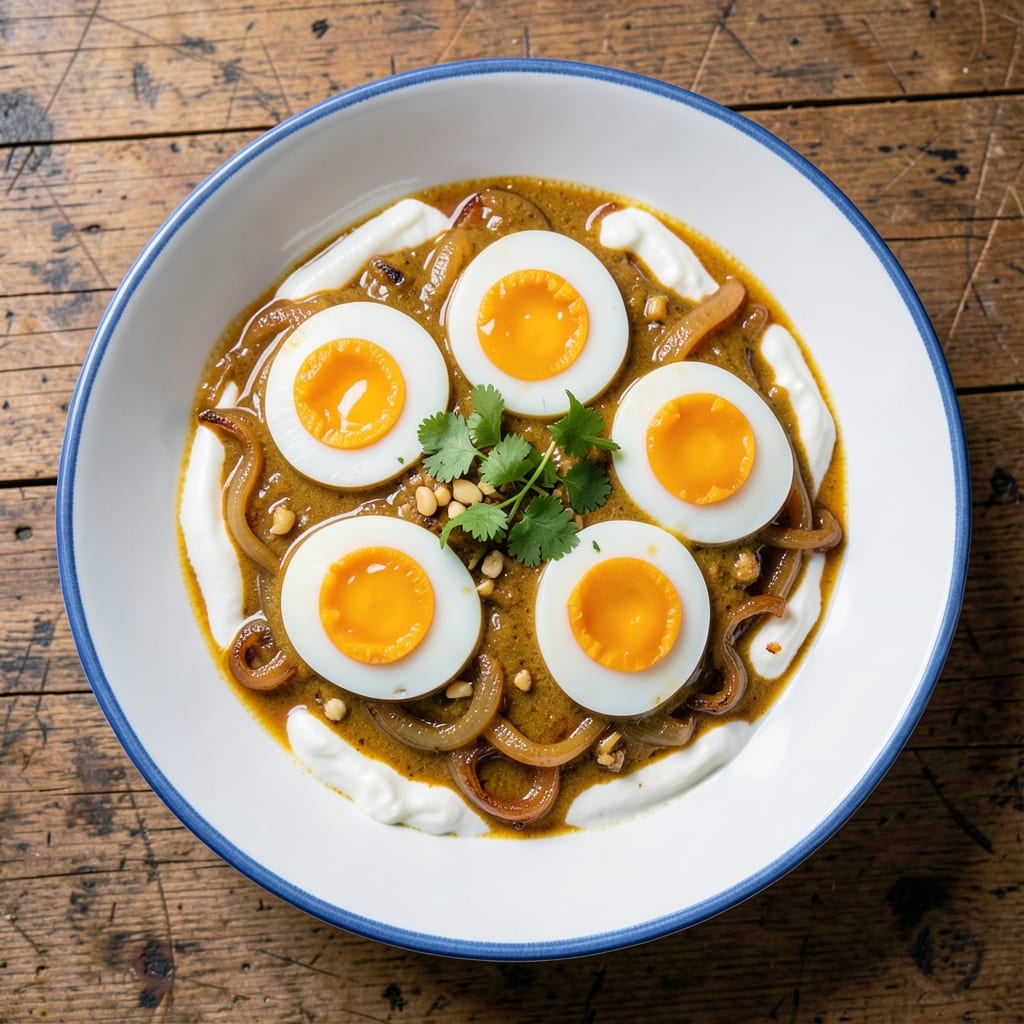
This easiest egg curry recipe delivers restaurant-quality comfort in just 15 minutes—no complicated techniques, no last-minute grocery runs. The secret lies in a simple one-pot method that builds rich, creamy flavors layer by layer, starting with aromatic spices that transform ordinary eggs into something extraordinary. I developed this after years of testing curry recipes, always searching for that perfect balance of simplicity and depth that home cooks can achieve without stress.
The beauty of this recipe is its adaptability—you can keep it classic with yogurt and tomato, or elevate it with coconut milk for extra creaminess. The spices toast in minutes, releasing their natural oils that infuse the eggs with warm, earthy notes. What makes this truly foolproof is the single-pot approach: no washing multiple dishes, no risk of overcomplicating things. Every element comes together in one vessel, creating a velvety sauce that coats tender eggs perfectly.
By the time you're done, you'll have a creamy, aromatic curry that's rich enough to feel indulgent but simple enough for a weeknight. The eggs absorb the flavors beautifully, becoming tender yet holding their shape, while the sauce achieves that perfect balance of tangy, spicy, and creamy. This is comfort food at its finest—warm, satisfying, and impossible to resist.
Serve with steamed basmati rice or crusty naan to soak up every last drop of that luscious sauce. The best part? Leftovers reheat beautifully, making this an ideal meal prep solution for busy mornings or quick lunches. Let's get cooking!
Ingredients for easiest egg curry
Eight eggs, one pot, and spices that transform everything into creamy comfort.
| Ingredient | Amount | Notes |
|---|---|---|
| Large Eggs 🥚 | 8 whole | Room temperature for even cooking |
| Yellow Onion 🧅 | 1 whole | Medium-sized, finely chopped |
| Garlic Cloves 🧄 | 4 cloves | Peeled, minced for aromatic base |
| Ginger Root 🌿 | 1 tbsp | Freshly grated, for zesty kick |
| Plain Yogurt 🥛 | ½ cup | Full-fat for creaminess |
| Coconut Milk 🥥 | ½ cup | Full-fat canned for richness |
| Tomato Paste 🍅 | 2 tbsp | Smooth, not chunky |
| Ground Cumin 🌿 | 1 tsp | Toasted for deeper flavor |
| Ground Coriander 🌶️ | 1 tsp | Freshly ground preferred |
| Turmeric Powder 🧡 | ½ tsp | Vibrant color indicator |
| Garam Masala 🌶️ | ½ tsp | Store-bought blend works |
| Salt 🧂 | 1 tsp | Kosher or sea salt |
| Fresh Cilantro 🌿 | ¼ cup | Chopped, for garnish |
| Vegetable Oil 🫒 | 2 tbsp | Neutral high-smoke point |
The eggs are the star here, but the spices make it magical. Garam masala and ground coriander are non-negotiable—they're what gives that authentic curry depth. I always grab mine from Indian grocery stores or the bulk section at Whole Foods, where they stay fresher longer. Fresh ginger and garlic? Farmer's markets have the best—bright, pungent, and ready to transform your kitchen into a spice haven. The yogurt should be plain and full-fat (none of that non-fat stuff)—it's what gives that velvety texture. For coconut milk, full-fat canned is key—it separates beautifully and adds that luxurious creaminess.
No garam masala? Mix 1/4 tsp each of cinnamon, cardamom, and cloves for a quick substitute. Short on fresh ginger? Powdered ginger at half the amount works in a pinch. The tomato paste can be swapped for 1/4 cup crushed tomatoes if you prefer less intensity. For the eggs, hard-boiled or soft-boiled work too—just adjust cooking time. The cilantro is optional but adds that bright finish. If you can't find fresh, dried at 1/3 the amount does the trick. And if you're feeling adventurous, swap the yogurt for cashew cream for a dairy-free option that still delivers that luscious texture.
This curry tastes even better the next day—like all the flavors had time to marry properly. Keeps for 4-5 days in the fridge, though I rarely let it last that long. For meal prep, portion into containers with rice—it reheats beautifully in the microwave. The spices? Store them in airtight containers away from light, and they'll stay potent for 6-12 months. The coconut milk can be refrigerated after opening, but once you crack that can, it's game time—use it up within a week for best results.
Why You'll Love This Recipe
- Five-Ingredient Magic: Honestly, I swear by this recipe because it’s the kind of dish where you actually use what’s already in your fridge. Onion, garlic, ginger—those three alone make the base sing, and the yogurt ties it all together without extra fuss.
- Creamy Without Cream: That yogurt isn’t just for tang—it melts into the sauce, making it rich and velvety without heavy cream. The eggs? Perfectly soft centers with a hint of crisp, and the garlic-ginger punch cuts through the richness like a breath of fresh air.
- Lunch or Dinner: Between us, this curry is my go-to when I’m too tired to think. Serve it with naan for a full meal, or scoop it over rice for a quick lunch. Even my picky teen eats it straight from the pot—no complaints.
- Leftovers That Don’t Suffer: I make a double batch on Sundays because this curry begs to be reheated. The flavors only deepen, and the eggs stay moist—no sad, rubbery leftovers here. Plus, it’s cheap enough to feed the whole family without breaking the bank.
Step-by-step instructions for one-pot egg curry
Here's how to make this dreamy, creamy curry with zero fuss—just one pot and 15 minutes of hands-off time.
Build the Flavor Base in the Same Pot
Heat the 2 tablespoons vegetable oil in a deep skillet or saucepan over medium heat. Add the 1 whole yellow onion, chopped, and cook for 3-4 minutes until softened and just starting to turn translucent. Here's the thing—don't rush this step. You want the onion to caramelize slightly so it adds sweet depth to the curry.
Add the 4 cloves garlic cloves and 1 tablespoon ginger root, both finely minced. Stir for 1 minute until fragrant—you'll smell that aromatic punch of garlic and ginger filling your kitchen. Immediately add the 2 tablespoons tomato paste, 1 teaspoon ground cumin, 1 teaspoon ground coriander, ½ teaspoon turmeric powder, and ½ teaspoon garam masala. Stir vigorously for 30 seconds to toast the spices and create a fragrant paste. This is where all the magic starts!
Simmer the Sauce Until Thick and Rich
Pour in the ½ cup plain yogurt and stir to combine, letting it cook for 1 minute until it just begins to thicken slightly. Then add the ½ cup coconut milk and 1 teaspoon salt. Reduce the heat to low and let the mixture simmer for 5 minutes, stirring occasionally. You're looking for a smooth, velvety sauce that coats the back of a spoon—this is your creamy foundation.
Here's a pro tip: If the sauce looks too thick, add 2-3 tablespoons water to loosen it. The texture should be like heavy cream—just thick enough to cling to the eggs but still silky smooth. This simmering step develops the flavors and ensures your curry has that restaurant-quality consistency.
Gently Cook the Eggs to Perfect Doneness
Crack the 8 whole large eggs directly into the sauce. Use a spatula to gently stir them, breaking them up into small pieces as they begin to cook. The heat should be low to medium-low—you want the eggs to cook slowly and evenly without scrambling. Let them cook for 5-6 minutes, stirring occasionally, until they're just set but still slightly runny in the center. You'll know they're ready when they hold their shape but have a creamy texture.
Real talk: Don't overcook the eggs. They'll continue cooking slightly from the residual heat, and you want that silky, custardy texture—not dry, rubbery egg. If you're worried about doneness, do a quick taste test: the eggs should be just set but still tender.
Finish with Fresh Herbs and Serve Warm
Remove the pan from heat and stir in the ¼ cup fresh cilantro, chopped. Let the curry sit for 2 minutes to allow the flavors to meld together. The cilantro adds a bright, fresh finish that cuts through the richness of the coconut and yogurt. Taste and adjust the seasoning if needed—you might want a little more salt or a pinch of garam masala to deepen the flavor.
Serve the curry immediately with steamed basmati rice or warm naan bread. The creamy sauce will cling to every bite, delivering that perfect balance of spices, tangy yogurt, and rich coconut. This one-pot wonder is comfort food at its finest—creamy, flavorful, and ready in a flash!
Pro Tips For Making Easiest Egg Curry
- CRACK EGGS LAST MINUTE: If you’re prepping ahead, keep the eggs whole in the fridge until you’re ready to cook—whisking them too early makes them watery. Crack them straight into a bowl with a pinch of salt, then stir gently. No need to overthink it; they’ll hold together just fine.
- SAUTÉ ONIONS UNTIL GOLDEN: I used to rush this step and end up with bitter onions. Cook them on medium-low heat until they’re soft and turning golden—about 8-10 minutes. If they stick, you’re going too fast. A splash of water can save it, but patience works better.
- WHISK YOGURT SMOOTHLY: Lumpy yogurt ruins the curry’s texture. Whisk it until it’s completely smooth before adding it to the pan. If it’s thick, thin it with a splash of water—just enough to make it pour easily. Trust me, your curry will thank you.
- COOK EGGS JUST UNTIL SET: Overcooked eggs turn rubbery. Once they’re firm but still slightly runny inside (about 3-4 minutes in simmering sauce), they’ll finish cooking in the residual heat. Pull them out early if you like them soft—no one likes a dry egg curry.
Common mistakes when making this recipe
Overcooking the Eggs
This is the #1 mistake I see—eggs turning rubbery instead of creamy. The secret is low, gentle heat for just 5-6 minutes after adding them. If your eggs look dry or grainy, you've overcooked them. I've learned to set a timer and watch closely—they should hold their shape but still be slightly runny in the center. A quick fix? Stir in 1 tablespoon coconut milk to restore creaminess. 💡
Skipping Spice Toasting
Rushing the 30-second spice toast is a flavor killer. When you add spices to hot oil, they release their essential oils that create depth. If you just toss them in, your curry will taste flat. I always pause here to let the spices bloom—you'll smell that aromatic punch that transforms everything. For extra depth, toast the spices for 1 minute before adding yogurt. 🌶️
Using Low-Fat Yogurt
This is a game-changer: full-fat yogurt is non-negotiable for that velvety texture. Low-fat versions make the sauce separate and look thin. I've tried it both ways, and the difference is night and day. If you must use low-fat, add 1 tablespoon cornstarch mixed with 2 tbsp water to thicken the sauce. The fat in full-fat yogurt also helps emulsify the coconut milk beautifully. 🥛
Ignoring Sauce Consistency
Too thick? Too thin? Both ruin the texture. Your sauce should coat the back of a spoon but still be silky. If it's too thick after simmering, add 2-3 tbsp water gradually. If too thin, simmer uncovered for 2 extra minutes to reduce. I've learned to taste-test here—adjust while warm, not cold. The perfect consistency makes all the difference in how the eggs absorb the flavors. 🔥
Adding Eggs Too Early
Cracking eggs into cold sauce is a recipe for scrambled eggs. The sauce needs to be hot enough to gently cook the eggs (around 160°F) but not boiling. If your eggs scramble, reduce heat to low-medium and stir gently. For extra insurance, let the sauce simmer 1 extra minute before adding eggs. This simple adjustment keeps those perfect, creamy egg pieces. 🥚
Neglecting the Resting Time
Skipping the 2-minute rest after adding cilantro means missing out on flavor development. This short pause lets the spices meld and the sauce thicken slightly. I've rushed this step before and ended up with a curry that tasted disjointed. Use this time to prep rice or warm naan—your kitchen will thank you. The final result is always more cohesive when you let it sit. ✨
Nutrition facts
Frequently asked questions
Can I make this egg curry without coconut milk?
Swap the ½ cup coconut milk for ½ cup heavy cream or even ½ cup plain yogurt for a tangier version. The curry will still be creamy and delicious—just adjust the consistency by adding 1-2 tablespoons water if needed. The yogurt version keeps it traditional while the cream adds richness.
How do I make this curry spicier?
Add ½ teaspoon cayenne pepper or 1 teaspoon red chili powder when toasting the spices. For heat lovers, stir in 1 chopped green chili with the garlic and ginger. Always taste first—you can adjust while cooking! For extra kick, garnish with chopped jalapeños or a squeeze of lime.
Can I use frozen eggs for this recipe?
Frozen eggs work, but they're trickier to handle. Thaw them first in the fridge overnight, then pat dry with a paper towel to remove excess moisture. The texture will be slightly different—expect more liquid in the curry. Reduce simmering time by 1-2 minutes after adding eggs to prevent overcooking. For best results, use fresh eggs!
What's the best way to reheat leftovers?
Reheat gently in a saucepan over low heat with 1-2 tablespoons water to restore creaminess. Stir frequently to prevent sticking. Microwave in 30-second bursts, stirring between each, until warmed through. Never reheat to boiling—this makes the sauce separate. The curry actually tastes better the next day as flavors meld!
Can I make this curry dairy-free?
Yes! Replace the ½ cup yogurt with ½ cup cashew cream (blend soaked cashews with water) and use coconut yogurt instead of plain yogurt. The ½ cup coconut milk stays the same. For extra richness, add 1 tablespoon nutritional yeast when finishing. The texture remains creamy and flavorful!