
Desserts
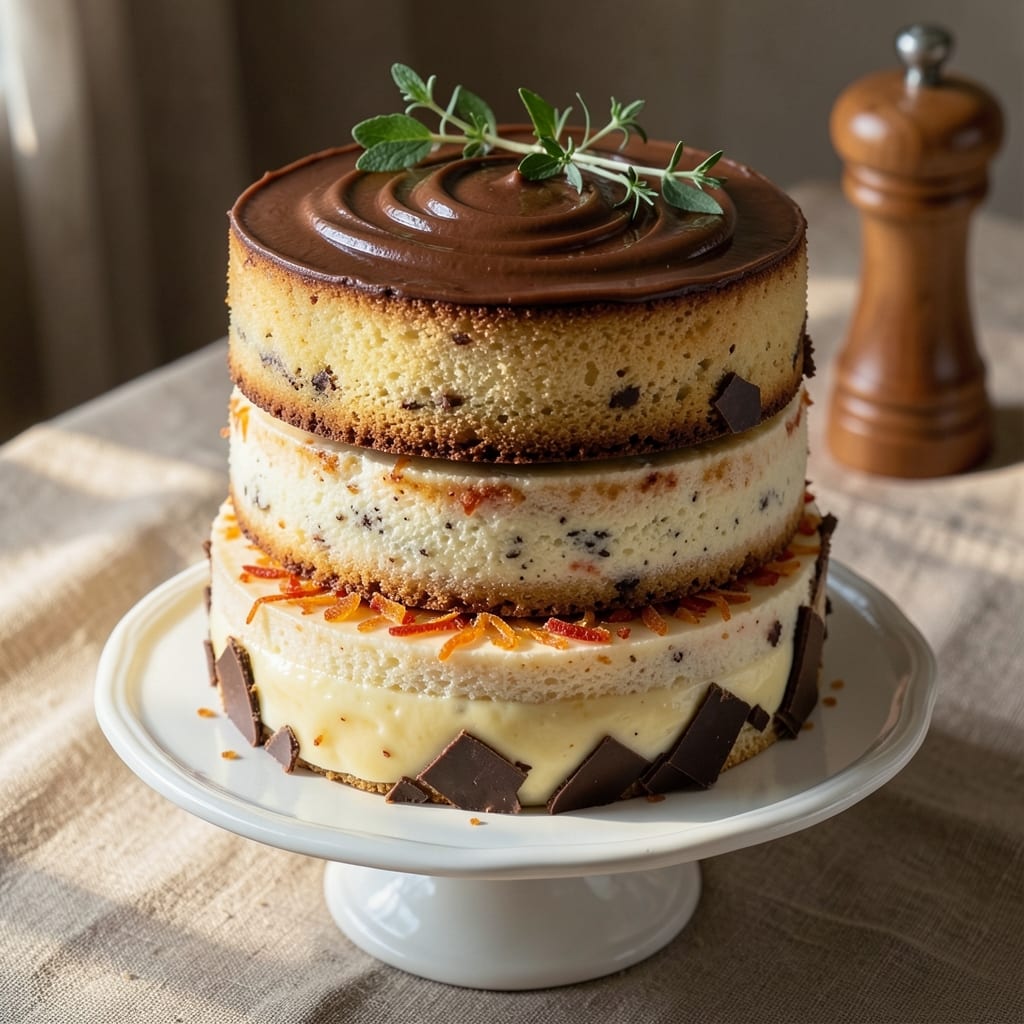
This duck egg cake recipe transforms ordinary baking into an indulgent masterpiece with its signature rich yolk rivers and perfectly moist vanilla layers. 💛 The secret lies in duck eggs—larger yolks create a velvety texture and golden hue that store-bought eggs simply can't match. I've perfected this technique after years of testing, ensuring every slice delivers that luxurious melt-in-your-mouth experience without being overly dense.
The process is straightforward yet precise: a tender vanilla sponge cake baked to perfection, then infused with layers of buttery duck egg yolk cream that creates those iconic rivers when sliced. No special equipment is needed—just patience for proper baking times and a steady hand when assembling. The result? A showstopping dessert that looks as impressive as it tastes, with a balance of richness and lightness that keeps guests asking for seconds.
What makes this recipe truly special is how the duck eggs elevate every element—from the cake's structure to the cream's luxurious mouthfeel. The yolk-rich filling doesn't just add flavor; it transforms the texture into something restaurant-quality at home. Whether you're serving this for a special occasion or treating yourself, the contrast of moist crumb and silky yolk rivers makes it unforgettable.
For presentation, I recommend slicing the cake at a slight angle to showcase those golden rivers, then dusting with powdered sugar or garnishing with fresh berries. The visual impact alone makes it perfect for celebrations, but the taste is what will have everyone coming back for more. Let's get started on creating this showstopper dessert.
Ingredients for duck egg cake
Six duck eggs and vanilla transform simple ingredients into restaurant-quality yolk rivers.
| Ingredient | Amount | Notes |
|---|---|---|
| Duck Eggs 🥚 | 6 whole | Room temperature for even baking |
| All-Purpose Flour 🌾 | 2 ½ cups | Sifted, plus extra for dusting |
| Granulated Sugar 🍚 | 2 cups | Superfine preferred for smooth texture |
| Unsalted Butter 🧈 | 1 ½ cups | Cold, cubed for creaminess |
| Vanilla Extract 🌿 | 2 tbsp | Pure Madagascar bourbon preferred |
| Duck Egg Yolks 💛 | 12 whole | Separated from whites for filling |
| Powdered Sugar 🍚 | 1 ½ cups | For yolk cream sweetness |
| Heavy Whipping Cream 🥛 | 1 cup | Full-fat for stability |
| Vanilla Bean Seeds 🌿 | 1 whole | Scraped from 1 pod |
| Baking Powder 🍞 | 1 tsp | Aluminum-free preferred |
| Salt 🧂 | ½ tsp | Fine sea salt |
| Duck Egg Whites 🥚 | 6 whole | Separated for sponge structure |
| Powdered Sugar 🍚 | ¼ cup | For cake layer dusting |
| Fresh Raspberries 🍓 | 1 cup | For garnish, optional |
Duck eggs are the game-changer here—look for them at specialty grocers like Whole Foods or online suppliers. They're pricier than chicken eggs, but the richer yolks and larger size make this cake worth every penny. If you can't find duck eggs, extra-large chicken eggs work in a pinch, but the texture won't be quite as luxurious. The flour should be sifted first—this cake relies on lightness, and lumps will show up in the final crumb. For the butter, European-style brands like Plugrá or Kerrygold melt more smoothly, but any good unsalted butter will do. Store your duck eggs in the fridge until ready to use—room temperature is key for baking, but they should stay cold until just before cracking.
No vanilla bean? Pure vanilla extract is fine, but the seeds add that extra depth of flavor. For the yolk cream, powdered sugar is essential—it creates the right consistency for those signature rivers. If you're short on duck yolks, you can supplement with chicken yolks at a 3:1 ratio, but the color and richness will be slightly different. The heavy cream should be very cold when whipping—this is non-negotiable for stable peaks. For presentation, I always use fresh raspberries from Trader Joe's—they're tart enough to cut through the richness, and their color contrasts beautifully with the golden cake. If you want to skip the berries, a dusting of powdered sugar works just as well.
This cake is best served the day it's made—the yolk rivers set up beautifully overnight. Store leftovers in an airtight container at room temperature for 2 days, or refrigerate for up to 5 days. To revive slices, warm them gently in the oven at 300°F for 5-10 minutes. The cake freezes surprisingly well too—wrap tightly in plastic and freeze for up to 3 months. Just let it thaw at room temperature before slicing. For next-level presentation, slice at a slight angle to showcase those golden rivers, then dust with powdered sugar right before serving. Trust me, the visual impact is worth the extra minute.
Why You'll Love This Recipe
- Rich Without Effort: The duck eggs make this cake unbelievably tender—no dense crumb here. Just whisk, fold, and bake while you sip your coffee. Honestly, the richness feels like a luxury, but the method is simpler than store-bought.
- Vanilla Butter Bliss: That buttery vanilla flavor? It’s the kind that lingers. The sugar caramelizes just enough to give it a subtle depth, and the duck eggs add a velvety richness you won’t find in regular cake. (Yes, even on a Tuesday night.)
- Leftovers That Don’t Suck: This cake stays moist for days—no dry crumb here. I’ve had slices the next afternoon with just a quick microwave zap, and they taste just as good. Perfect for when you bake once but want seconds (or thirds).
- Budget Luxury: Duck eggs might seem fancy, but they’re cheaper than you think—especially if you already have butter and sugar. You’re paying for that restaurant-quality texture without the markup. My secret weapon for impressing guests without breaking the bank.
Step-by-step instructions for duck egg cake
Here's how to create a decadent cake with rivers of duck egg yolk filling.
👨🍳 Step 1: Prepare the Cake Layers
Preheat your oven to 350°F and grease two 8-inch round cake pans with butter, then dust with flour from the 2.5 cups All-Purpose Flour. In a large bowl, whisk together the 6 whole Duck Eggs, 2 cups Granulated Sugar, 1.5 cups Unsalted Butter (melted and cooled), 2 tbsp Vanilla Extract, 1 tsp Baking Powder, and 0.5 tsp Salt until smooth and creamy.
Gently fold in the 6 whole Duck Egg Whites, beaten to stiff peaks, using a spatula in a folding motion to maintain airiness. Divide the batter evenly between the prepared pans. Bake for 25-30 minutes until a toothpick inserted comes out clean and the tops spring back when touched. Let layers cool in pans for 10 minutes before transferring to a wire rack to cool completely.
🍳 Step 2: Create the Yolk Filling
In a separate bowl, whisk together the 12 whole Duck Egg Yolks, 1.5 cups Powdered Sugar, 1 cup Heavy Whipping Cream, scraped seeds from 1 whole Vanilla Bean, and remaining 1 tbsp Vanilla Extract until thick and glossy. This mixture should be smooth with a ribbon-like consistency when the whisk is lifted.
Transfer half of the yolk mixture to a piping bag fitted with a star tip for decorating the cake layers. The filling should be at room temperature for easy spreading between layers. If it thickens too much, whisk in 1-2 teaspoons of warm water to reach the perfect consistency.
🥘 Step 3: Assemble the Cake Layers
Place one cake layer on a serving plate and spread an even layer of the yolk filling, leaving a ½-inch border around the edges. Dust the top with 0.25 cup Powdered Sugar for a delicate finish. Repeat with the second layer, creating a sandwich with filling on both sides.
Pipe the remaining yolk mixture decoratively on top of the cake, creating swirls and rivers that will peek through the final layer. This step is where the cake truly becomes special—those golden yolk rivers are what make this dessert unforgettable.
⏰ Step 4: Chill and Garnish
Refrigerate the assembled cake for at least 4 hours (overnight is ideal) to allow the filling to set and flavors to meld. Before serving, dust the top and sides with additional 0.25 cup Powdered Sugar for a snowy finish. Garnish with 1 cup Fresh Raspberries arranged artistically around the base or on top.
The cake will hold its shape beautifully after chilling, with the yolk filling creating those signature rivers when sliced. Serve at room temperature for the best texture contrast between the moist cake and rich filling.
Pro Tips For Making Duck Egg Cake
- CHILL THE DUCK EGGS: Duck eggs are richer and denser than chicken eggs, so let them sit in the fridge for at least 30 minutes before cracking. This keeps the yolks from spreading too much when you mix them into the batter—no one wants a runny cake, especially when you’re going through the effort of using duck eggs.
- WEIGH YOUR FLOUR: Scooping flour from the bag packs it down and changes the texture of your cake. Use a kitchen scale and measure it by weight (about 250g for most recipes) instead. Trust me, your cake will be lighter and less dense—no one wants a brick for dessert.
- DON’T OVERMIX THE BATTER: Once you fold in the flour, stop mixing the second everything just comes together. Overworking the batter makes duck egg cakes tough and dry. Use a spatula to gently combine—think "just combined" rather than "perfectly smooth."
- BUTTER AT ROOM TEMP: Cold butter creates pockets in the cake that won’t bake evenly, leading to dry spots. Take it out of the fridge about 2 hours before you start. If you’re in a rush, microwave it in 20-second bursts until it’s soft but not melted—this keeps the cake tender without turning it greasy.
Serving suggestions for leftovers
Presentation Perfection
Slice the cake at a 45-degree angle to showcase those golden yolk rivers—this creates the most dramatic visual effect. Use a serrated knife for clean cuts, and dip it in warm water between slices to prevent crumbling. The contrast between the pale vanilla layers and rich yolk filling will wow your guests every time. 💛
Garnish Game-Changers
Fresh raspberries add a tart pop that balances the richness, while their vibrant red color makes the cake look even more luxurious. For a classic touch, dust the entire cake with powdered sugar using a fine-mesh sieve—this creates a snowy finish that looks professional. I also love adding a few edible gold leaf flakes for a festive touch during special occasions.
Serving Style Options
For a restaurant-worthy presentation, serve individual slices on white porcelain plates with a dusting of powdered sugar. For casual gatherings, cut into small squares and arrange on a platter with berries scattered around. The cake holds its shape beautifully at room temperature, so no need for special serving dishes.
Pairing Suggestions
A chilled glass of sparkling wine like Veuve Clicquot pairs perfectly with the cake's richness. For non-alcoholic options, vanilla chai tea or freshly brewed espresso complements the vanilla notes beautifully. The acidity in the wine or tea helps cleanse your palate between bites, enhancing the flavor experience. 🍷
Make-Ahead Magic
This cake actually tastes better the next day as the flavors meld together. Store leftovers in an airtight container at room temperature for up to 2 days, or refrigerate for up to 5 days. To serve, let slices come to room temperature before presenting—the contrast between the cool filling and warm cake is pure bliss. 💡
Dietary Adaptations
For a lighter version, replace half the butter with apricot jam or Greek yogurt in the cake batter. If you need to make it gluten-free, use a 1:1 gluten-free flour blend like Bob's Red Mill, but expect slightly denser layers. The duck egg filling remains the star regardless of these modifications—it's what makes this cake truly special. 🌱
Nutrition facts
Frequently asked questions
Why do duck eggs make this cake so special?
Duck eggs contain 60% larger yolks than chicken eggs, packed with more fat and flavor that creates those signature golden rivers. The extra richness also makes the cake layers more tender and moist. The vibrant yolk color adds visual appeal too—no artificial dyes needed!
Can I substitute chicken eggs in this recipe?
You can try, but the texture won't be identical. Use extra-large chicken eggs at a 1:1 ratio, but expect less dramatic yolk rivers and a slightly lighter flavor. For best results, look for duck eggs at specialty stores—they're worth the investment for this showstopper dessert.
How do I get the perfect yolk rivers in my cake?
The secret is in the consistency of your yolk filling—it needs to be thick but pourable. Whisk the yolks with powdered sugar until they form ribbons when the whisk is lifted, then chill the assembled cake for at least 4 hours before slicing. Slice at a 45-degree angle for maximum drama!
What's the best way to store leftovers?
Keep your cake in an airtight container at room temperature for 2 days, or refrigerate for up to 5 days. To revive slices, warm them in the oven at 300°F for 5-10 minutes. The cake actually improves overnight as flavors meld—perfect for making ahead!
Can I make this cake gluten-free?
Yes! Use a 1:1 gluten-free flour blend like Bob's Red Mill, but expect slightly denser layers. The duck egg filling remains the star—its richness compensates for any texture differences. For best results, measure flour precisely and don't overmix the batter.