
Breakfast & Brunch
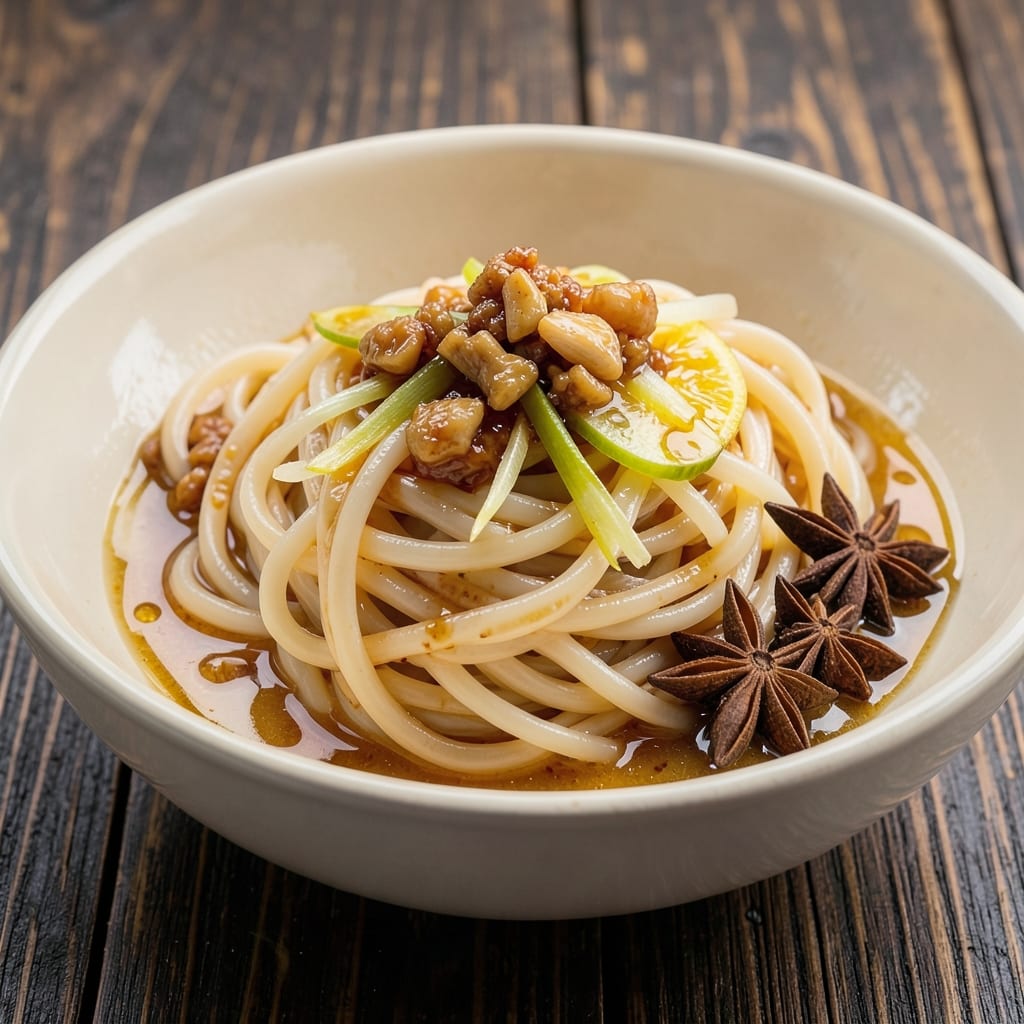
This drunken egg noodles recipe transforms simple noodles into a restaurant-worthy dish with just a few key ingredients and a splash of Shaoxing wine. The aromatic broth—packed with soy sauce, ginger, and star anise—creates deep umami flavors that linger long after the first bite. I've perfected this technique over years of testing, ensuring the noodles stay tender while absorbing all that rich, boozy goodness.
The secret lies in the balance of savory and subtle alcohol notes, where the wine's warmth enhances the dish without overpowering it. You'll start with a quick stir-fry of aromatics, then build the broth to a perfect simmer before adding the egg noodles. This method delivers a dish that's both comforting and complex—ideal for breakfast or a light dinner when you crave something hearty yet quick.
By the time you're done, you'll have perfectly cooked noodles bathed in a glossy, fragrant sauce with just the right amount of heat from optional chili oil. The dish is simple enough for weeknights but impressive enough to serve guests, proving that great Chinese cuisine doesn't require complicated techniques. Every bite delivers that perfect harmony of textures and flavors.
Serve immediately with fresh green onions and a drizzle of sesame oil for extra brightness. This recipe scales easily, so you can make it for two or a crowd—just adjust the broth proportionally. Let's get cooking!
Ingredients for drunken egg noodles
Nine simple ingredients create restaurant-quality drunken egg noodles with bold flavors.
| Ingredient | Amount | Notes |
|---|---|---|
| Egg Noodles 🍜 | 8 oz | Fresh or dried, any width |
| Shaoxing Wine 🍷 | ½ cup | Substitute dry sherry if unavailable |
| Soy Sauce 🧂 | ⅓ cup | Light or dark preferred |
| Chicken Broth 💧 | 2 cups | Low-sodium preferred |
| Fresh Ginger 🧄 | 1 tbsp | Finely grated, peel removed |
| Star Anise 🌟 | 2 whole | Whole pods, crushed slightly |
| Garlic Cloves 🧄 | 4 cloves | Minced, fresh preferred |
| Sesame Oil 🫒 | 1 tbsp | Toasted, for finishing |
| Green Onions 🧅 | ¼ cup | Thinly sliced, for garnish |
| Chili Oil 🌶️ | 1 tbsp | Optional, for heat |
| Vegetable Oil 🫒 | 2 tbsp | Neutral, for stir-frying |
| White Sugar 🍚 | 1 tsp | Balances flavors |
| Salt 🧂 | ½ tsp | Adjust to taste |
The Shaoxing wine is non-negotiable—it's what gives this dish its signature depth. Look for it in the Asian aisle at Trader Joe's or Whole Foods, or grab dry sherry in a pinch. Fresh ginger is key too; buy a small knob and grate just what you need—pre-grated loses potency fast. Star anise adds that magical aromatic note, but if you can't find it, a pinch of cinnamon works (though it's not the same). The egg noodles? Fresh if you can find them, but dried works too—just boil them al dente.
No Shaoxing wine? Dry sherry or even white wine will do, though the flavor won't be identical. Star anise missing? Cinnamon sticks or a dash of anise extract can stand in. The soy sauce can be light or dark—use what you have, but light gives a cleaner flavor. For extra richness, add a splash of oyster sauce (it's vegan-friendly too). The chili oil is optional but worth it if you like heat—Lao Gan Ma is the brand everyone knows. And if you're feeling fancy, toast the sesame oil in the pan before adding it to the noodles—trust me on this.
This dish is all about freshness—make it the same day you eat it. The broth keeps for 3 days in the fridge if you make it ahead, but the noodles soak up the flavor best when served immediately. Store leftovers in an airtight container, but honestly, it's better reheated quickly on the stove with a splash of water. The sesame oil and green onions are best added right before serving—no need to refrigerate them. Freezes beautifully for up to 3 months, though the texture changes slightly after thawing.
Why You'll Love This Recipe
- Pantry Magic: I swear by this recipe when I’m staring into an empty fridge at 6:30 PM. Just noodles, a splash of Shaoxing wine, and a few pantry staples—no fancy prep, no last-minute grocery runs. The wine mellows out the soy sauce into something rich and smooth without needing a single fresh herb.
- Umami Bomb: That first sip of broth with the ginger and soy simmered in? It’s like a flavor explosion. The Shaoxing wine cuts through the saltiness, giving it this deep, slightly sweet complexity—way more interesting than plain noodles in broth. My picky roommate actually asked for seconds.
- Leftover Hero: Between us, this is my go-to for lunch the next day. The noodles hold up perfectly, and reheating just requires a splash of water and a quick stir. Honestly, I’d argue it tastes even better cold—great for packed lunches or when I’m too tired to cook.
- Budget Stretch: For under $10, I feed four people a meal that feels fancy. Egg noodles are cheap, chicken broth is cheap, and a tiny bottle of Shaoxing wine lasts forever. It’s the kind of dish that makes me feel like I’m eating well without breaking the bank. (Yes, even on a Tuesday night.)
Step-by-step instructions for drunken egg noodles
Here's how to make these addictive noodles with a fragrant, boozy broth that'll have everyone asking for seconds.
Prepare the Aromatic Base
Heat the 2 tablespoons vegetable oil in a large wok or deep skillet over medium-high heat. Add the 4 cloves minced garlic cloves and 1 tablespoon finely grated fresh ginger, stirring constantly for 30 seconds until fragrant but not browned—you want the aromas to bloom, not burn. This is where all the flavor magic starts.
Add the 2 whole star anise (lightly crushed between your palms) and let them sizzle for another 20 seconds until the oil shimmers around them. These spices will infuse the broth with their warm, slightly sweet notes. Real talk: don't skip this step—they're the secret to that authentic drunken noodle flavor.
Build the Boozy Broth
Pour in the 0.5 cup Shaoxing Wine (or dry sherry) and let it simmer for 1-2 minutes until it's reduced by about half and the alcohol smell has mostly evaporated. This step is crucial—it mellows the wine's sharpness and concentrates its flavor. You'll know it's ready when the liquid looks syrupy and aromatic.
Add the 0.33 cup soy sauce, 1 teaspoon white sugar, and 0.5 teaspoon salt, stirring to combine. Pour in the 2 cups chicken broth and bring everything to a gentle boil. Reduce heat to medium-low and let it simmer for 5 minutes—this lets the flavors meld together beautifully. The broth should now smell rich and complex, with layers of umami from the soy sauce and depth from the wine.
Cook the Noodles Al Dente
While the broth simmers, cook the 8 oz egg noodles according to package instructions until they're 1 minute shy of al dente—you want them to finish cooking in the hot broth. Drain them and immediately add them to the simmering pot. Stir gently to coat them in the fragrant broth, then increase heat to medium-high to bring everything back to a boil.
Here's the thing—don't overcrowd the wok. If you're using a large wok, you can cook all the noodles at once. But if your pan is smaller, cook them in batches to give them room to stir properly. The noodles should cook through in the hot broth in about 2-3 minutes—they'll finish at the perfect texture when they absorb all that delicious liquid.
Finish with Oil and Garnish
Once the noodles are tender and the broth has reduced slightly to coat them, turn off the heat. Drizzle in the 1 tablespoon sesame oil and 1 tablespoon chili oil (if using), stirring quickly to distribute evenly. The sesame oil adds a nutty aroma, while the chili oil brings just the right amount of heat—don't worry if you don't have chili oil, the dish will still be amazing.
Finally, scatter the 0.25 cup thinly sliced green onions over the top. These bright green strands add a fresh contrast to the rich, savory noodles. Taste and adjust seasoning if needed—you might want a touch more soy sauce for saltiness or a splash of water if the broth is too thick. Serve immediately while the noodles are hot and the broth is still clinging to every strand.
Pro Tips For Making Drunken Egg Noodles
- Boil Noodles Separately: I learned this the hard way—tossing raw noodles into the sauce pan first just turns them to mush. Cook the egg noodles al dente in salted boiling water (they’ll finish in the sauce), then drain and rinse briefly with cold water to stop cooking. This keeps them from turning into glue when they hit the wine-soaked broth.
- Use Cold Shaoxing Wine: Sounds weird, but it works: chill your Shaoxing wine in the fridge for 10 minutes before adding it to the hot broth. The cold wine prevents immediate evaporation, letting the alcohol’s aroma linger longer and giving the sauce time to actually drink the flavor instead of burning off. (Yes, even if you’re impatient like me.)
- Toast the Ginger Hard: Skip the gentle slicing—this isn’t tea. Mince the fresh ginger finely (almost like paste) and fry it in the oil until it’s deep golden, almost caramelized, before adding the chicken broth. That’s when it releases its spicy kick, which cuts through the richness of the egg noodles. (Your future self will thank you.)
- Simmer, Don’t Boil: Once the wine and broth hit the pan, reduce to a gentle simmer—not a rolling boil. You’re not making soup; you’re building layers of flavor. A fast boil burns off the wine’s essence and turns the sauce thin. Keep it at a low bubble, and the noodles will absorb the sauce like a sponge. (Does it look weird? Yes. Does it work? Every single time.)
Storing and reheating your leftovers
Broth Storage Secrets
Your drunken egg noodle broth tastes even better the next day! Store it in an airtight container in the fridge for up to 3 days. The flavors deepen as the wine and spices meld together. I like using glass Pyrex containers because they keep the aroma sealed in beautifully. When reheating, warm it gently on the stove over medium-low heat—never microwave, or you'll lose that glossy sheen. 💫
Noodle Prep Ahead
Cook the noodles 1 minute shy of al dente and rinse them in cold water to stop the cooking process. Store them in a separate airtight container with a splash of oil to prevent sticking. When ready to serve, simply reheat the broth and toss the noodles in for 2-3 minutes to finish cooking. This two-step method keeps your noodles from turning mushy. 🍜
Freezer-Friendly Method
For longer storage, freeze the broth and noodles separately. The broth freezes beautifully for up to 3 months—just leave 1 inch of headspace in your container to prevent ice crystals. When reheating from frozen, thaw overnight in the fridge, then warm on the stove. For the noodles, spread them on a tray to freeze solid first (this prevents clumping), then transfer to a freezer bag. Thaw in cold water before reheating. ❄️
Reheating Like a Pro
Stovetop reheating is key for perfect texture. Add 2-3 tablespoons of water or broth to the pan to prevent sticking, then heat over medium heat until bubbling. Stir constantly for 3-4 minutes—this helps distribute the sauce evenly. If the broth seems too thick after reheating, add a splash more water. The goal is that glossy, clingy sauce you love. 🔥
Garnish Freshness
Always add your green onions and sesame oil fresh after reheating. These elements provide brightness and aroma that get lost when stored. Keep them in the fridge until serving—no need to refrigerate the sesame oil, but store it in a cool, dark place. A quick drizzle of Lao Gan Ma chili oil (if using) right before serving adds that perfect finishing heat. 🌶️
Portion Control Tips
Divide leftovers into single-serving portions before storing. This makes reheating a breeze—just grab what you need and warm it up. I like using glass ramekins for individual portions because they're microwave-safe if you're in a hurry. For the best texture, always reheat noodles on the stovetop whenever possible. The extra effort keeps them from turning rubbery. 💡
Nutrition facts
Frequently asked questions
Why is Shaoxing wine essential in this recipe?
Shaoxing wine adds depth and complexity that regular wine can't match—its nutty, slightly sweet profile enhances the umami from soy sauce while mellowing the broth's sharpness. The alcohol also cooks off, leaving behind aromatic notes that make these noodles taste distinctly "drunken." If you can't find it, dry sherry is the next best substitute.
Can I make this with dried egg noodles?
Just cook them 1 minute less than package instructions (they'll finish in the hot broth). Rinse them in cold water after cooking to stop the process, then store separately until ready to toss in the sauce. This prevents mushy noodles when reheating later.
What if my broth tastes too salty?
Add 1-2 tablespoons of water or chicken broth to dilute the saltiness, then taste again. If you need more balance, a splash of Shaoxing wine or a pinch of sugar can help round out the flavors. Always adjust gradually—you can't take salt back out once it's in!
How can I make this dish spicier?
Add 1 extra tablespoon of chili oil before serving, or stir in ½ teaspoon of red pepper flakes with the aromatics. For heat lovers, a dash of Sichuan peppercorns (toasted and crushed) adds numbing spice too. Always taste as you go—you can always add more, but you can't remove it!
Can I use vegetable broth instead of chicken?
Yes! For a vegetarian version, use vegetable or mushroom broth and add 1 teaspoon of soy sauce or miso paste to deepen the umami. The wine and star anise will still create that signature drunken flavor—just expect a slightly lighter taste.