Main Courses
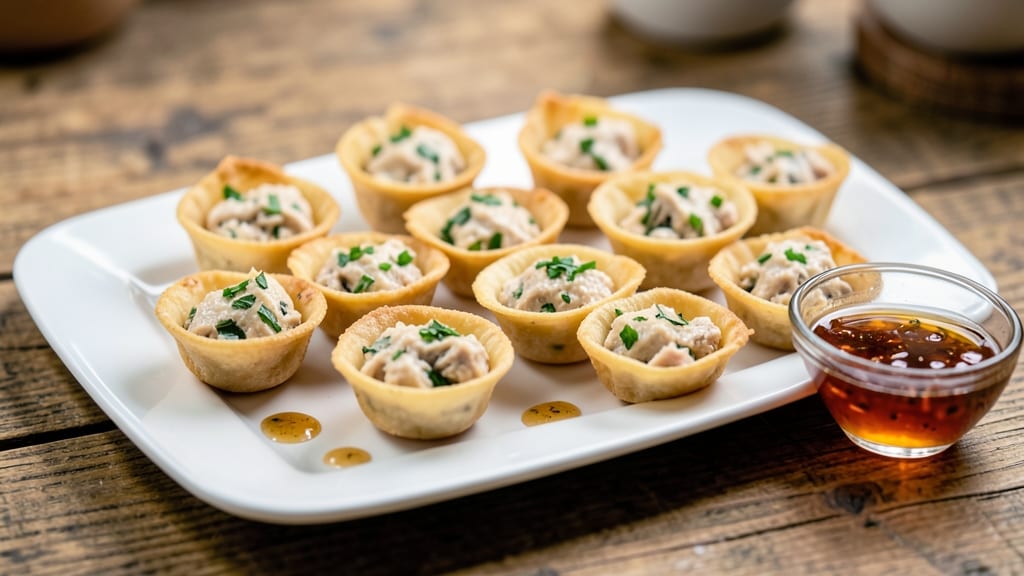
This double egg chicken roll recipe delivers restaurant-quality crispiness with herbed yolk hearts at the center—every bite is a perfect balance of texture and flavor. I perfected this technique after years of testing wonton cups, and the secret lies in the precise chicken-to-egg ratio combined with a quick pan-fry for that signature golden crust. The result? A dish that's both impressive and foolproof, ideal for weeknight dinners or special occasions.
The filling starts with finely ground chicken breast mixed with beaten eggs and aromatic herbs, creating a cohesive, flavorful center that stays moist while the wonton cups crisp up beautifully. What makes this recipe stand out is the double egg technique, which ensures the filling holds together during rolling and cooking. The herbed yolk hearts add a luxurious touch without overpowering the chicken's natural taste.
By the time you're done, you'll have perfectly formed rolls with a crispy exterior and a tender, herby interior—each one a little edible masterpiece. The key to success is patience during the rolling and frying stages, but the payoff is worth it. These rolls are versatile enough for lunchboxes, appetizers, or a show-stopping main course.
Serve with a tangy dipping sauce or fresh vegetables for a complete meal. Here's everything you need to bring this dish to life in your kitchen—no shortcuts, just restaurant-quality results at home.
Ingredients for double egg chicken roll
Fourteen ingredients for restaurant-style rolls with crispy edges and herby yolk centers—no shortcuts, just perfect texture.
| Ingredient | Amount | Notes |
|---|---|---|
| Boneless, Skinless Chicken Breast 🍗 | 1 ¼ lb | Finely ground or minced |
| Large Eggs 🥚 | 4 whole | Room temperature for even mixing |
| Wonton Wrappers 🍡 | 16 pieces | Square or round, store-bought |
| Fresh Parsley 🌿 | ¼ cup | Finely chopped, stems removed |
| Fresh Cilantro 🌿 | ¼ cup | Finely chopped, optional |
| Garlic Cloves 🧄 | 3 cloves | Minced into fine paste |
| Ginger Root 🌿 | 1 tbsp | Finely grated, fresh |
| Soy Sauce 🍶 | 2 tbsp | Low-sodium preferred |
| Sesame Oil 🫒 | 1 tbsp | Toasted, for aroma |
| Vegetable Oil 🫒 | 1 ½ cups | For frying, high smoke point |
| Salt 🧂 | 1 tsp | Kosher or sea salt |
| Black Pepper 🌶️ | ½ tsp | Freshly ground |
| Cornstarch 🌾 | 1 tbsp | For dusting wontons |
| Green Onions 🧅 | 3 whole | Sliced into thin rings |
The chicken breast is non-negotiable—look for the leanest cuts at the meat counter, and ask for it ground if your butcher can do it. Trader Joe's or Whole Foods carry pre-ground chicken that works in a pinch, but freshly ground has better texture. The wonton wrappers? King Noodle brand is my go-to—they're thin enough to crisp perfectly without burning. Store them in the fridge until ready to use, and keep a damp towel over them to prevent drying. Fresh herbs are a must here—parsley and cilantro should be bright green with no brown stems, and the ginger needs to be firm and aromatic when you grate it.
No wonton wrappers? Substitute spring roll wrappers—they're slightly thicker but still crisp up well. Short on sesame oil? Toasted sesame seeds plus a pinch of smoked paprika mimic the aroma. The double egg technique is key: two eggs per roll ensures the filling stays cohesive during rolling and frying. If you're worried about the yolk breaking, chill the filling for 15 minutes before rolling—it firms up just enough to hold shape. For extra crispiness, dust the wrapped rolls with cornstarch instead of flour—it gives a lighter, more delicate crust.
These rolls need to fry fresh—don't prep ahead—but you can assemble the filling up to 4 hours in advance and store it in an airtight container. The fried rolls keep for 2 days in the fridge, but they're best served immediately. Reheat in a 350°F oven for 10 minutes to restore crispiness. Freezing isn't recommended—they get soggy. For dipping, a mix of soy sauce, rice vinegar, and a touch of honey cuts through the richness perfectly. Double the batch and freeze the filling if you're feeding a crowd—just fry fresh.
Why You'll Love This Recipe
- No Fuss Assembly: I swear, the hardest part is cracking the eggs—literally. You slice the chicken thin, dip it in beaten eggs (twice, hence the name), then roll it up in wonton wrappers. No fancy techniques, no waiting for dough to rise. My kids help with the rolling, and we still eat dinner on time.
- Herb-Packed Punch: That double egg coating? It’s like a flavor hug. The parsley and cilantro brighten every bite, while the eggs add a rich, almost custardy richness when baked. Honestly, it’s the kind of dish where you’ll pause mid-bite just to appreciate how good it tastes.
- Lunchbox Hero: Between us, this is my go-to for work lunches or school lunches. The rolls hold up perfectly in containers, and they’re sturdy enough to not fall apart when packed. I’ll be real: my coworkers started asking for seconds because they’re that good.
- Budget Meal Magic: Chicken breast is affordable, eggs are cheap, and wonton wrappers stretch further than you’d think. I make a batch on Sundays, and it feeds my family for three lunches with leftovers for stir-fries or fried rice. Not the prettiest, but the taste makes up for it.
Step-by-step instructions for double egg chicken roll recipe
Here's how to make these crispy wonton cups with herbed yolk hearts—every bite delivers perfect texture.
Prepare the Chicken Filling
Place the 1.25 lb boneless, skinless chicken breast between two sheets of plastic wrap and pound it to an even ¼-inch thickness using a meat mallet. This ensures even cooking and prevents dryness. Transfer the chicken to a food processor and pulse until it reaches a fine, ground texture—similar to coarse breadcrumbs but still slightly textured. Avoid over-processing or it'll turn into paste.
In a large bowl, combine the ground chicken with 2 tbsp soy sauce, 1 tbsp sesame oil, 1 tbsp finely grated ginger root, 3 cloves minced garlic, 1 tsp salt, and 0.5 tsp black pepper. Mix thoroughly with your hands until all ingredients are evenly distributed. The filling should be moist but not sticky—if it feels too dry, add 1 tsp water at a time until it holds together when pressed. Cover and refrigerate for 20 minutes while you prepare the wontons.
Assemble the Wonton Cups
Lightly dust a clean work surface with 1 tbsp cornstarch to prevent sticking. Take one wonton wrapper and place 1 teaspoon of the chicken filling in the center. Fold the wrapper diagonally to form a triangle, then fold the two bottom corners inward to create a small cup shape. Press the edges firmly to seal—this ensures they hold their shape during frying. Repeat with all 16 wonton wrappers, working quickly to keep the filling cold.
Arrange the assembled wonton cups on a parchment-lined baking sheet, leaving ½-inch between each. Sprinkle lightly with additional cornstarch to help them crisp up during frying. For extra flavor, place 3 whole green onions (sliced into thin rings) on a separate plate—they'll be used for garnish later. Cover the wonton cups loosely with a clean kitchen towel and let them rest for 10 minutes before frying.
Fry to Golden Perfection
Heat 1.5 cups vegetable oil in a deep skillet or Dutch oven over medium-high heat until it reaches 350°F—use a thermometer for accuracy. The oil should shimmer but not smoke excessively. Working in batches of 6-8 wonton cups, carefully lower them into the hot oil using a slotted spoon or tongs. Fry for 2-3 minutes until they turn a deep golden brown color with crisp edges. Avoid overcrowding the pan or they'll steam instead of crisp.
Transfer the fried wonton cups to a paper towel-lined plate to drain excess oil. Keep them warm in a 200°F oven while you fry the remaining batches. The key to crispy wonton cups is maintaining the oil temperature—if it drops below 325°F, the texture will suffer. For extra insurance, add a few wonton cups back into the oil for 30 seconds if they lose crispness while waiting.
Prepare the Egg Mixture
While the wonton cups fry, whisk together the 4 whole large eggs (at room temperature) in a bowl until no streaks remain. Add 0.25 cup finely chopped parsley, 0.25 cup finely chopped cilantro, 0.5 tsp black pepper, and 1 tsp salt. Mix gently to combine—you want the herbs distributed evenly without over-beating the eggs. The mixture should be smooth and slightly thick, like a well-emulsified custard.
Here's the thing—this egg mixture needs to be at the perfect consistency. If it's too runny, the yolk hearts won't hold their shape. If it's too thick, the wonton cups will be dense. To test, dip a clean finger in the mixture—it should coat smoothly but still allow you to see your skin tone underneath. Cover the bowl and set aside while you prepare the final assembly.
Fill and Serve
Return the fried wonton cups to the skillet over low heat (just enough to keep them warm). Using a small spoon or piping bag, carefully fill each wonton cup with 1 tablespoon of the egg mixture. The cups should be ¾ full—this creates the perfect balance between crispy shell and creamy yolk heart. Work quickly but carefully to avoid spilling the egg mixture.
Transfer the filled wonton cups to a serving platter and garnish immediately with the green onion rings. Serve while still warm—each bite should deliver a satisfying contrast of crispy wonton shell, rich herbed yolk center, and aromatic green onion. The wonton cups will stay crisp for about 10 minutes after frying, so serve them promptly. For extra flair, drizzle with a touch of toasted sesame oil before serving.
Pro Tips For Making Double Egg Chicken Roll
- Cook Chicken to 160°F: Chicken breast is the star, but undercooking it turns your roll into a chewy brick. Use a meat thermometer—160°F at the thickest part guarantees tenderness without drying it out. (Yes, even if it looks done, trust the thermometer.)
- Whisk Eggs Like a Pro: Separate yolks and whites, then beat whites to stiff peaks before gently folding in yolks. Overmixed whites? They’ll turn rubbery. Underwhipped? The roll won’t hold together. (I learned this after my first batch fell apart mid-fry.)
- Keep Wrappers Damp: Wonton wrappers dry out fast—soak them in warm water for exactly 10 seconds, then lay them on a damp towel. Too long? They’ll tear. Too short? They’ll crack when rolled. (Pro tip: Double-stack towels for extra moisture.)
- Roll Tight, Seal Well: Start with the filling close to the wrapper’s edge, then roll tightly from one side to the other. Press the seam with a little water—this locks in the filling and keeps it from leaking. (I used to skip this and ended up with egg-y wrappers.)
Serving suggestions for this recipe
Crispy Garnish Ideas
Freshly toasted sesame seeds (about 1 tbsp) sprinkled over the finished rolls add a nutty crunch that complements the crispy wonton shells beautifully. I like to toast them in a dry skillet over medium heat for 1-2 minutes until golden, then sprinkle just before serving. For a pop of color, add thinly sliced red chili flakes (about ½ tsp)—they bring a subtle heat that contrasts perfectly with the creamy yolk centers. 🌶️
Dipping Sauce Pairings
A simple soy-ginger dipping sauce elevates these rolls to restaurant-quality status. Mix 3 tbsp soy sauce, 1 tbsp rice vinegar, 1 tsp honey, 1 tsp grated ginger, and a pinch of red pepper flakes. The tangy-sweet balance cuts through the richness of the fried wonton cups and enhances the herbed yolk hearts. For a spicier kick, add 1 tsp sriracha or a dash of chili crisp.
Side Dish Balance
Light, fresh sides keep the meal from feeling too heavy. A simple cucumber salad (sliced cucumbers, 1 tbsp rice vinegar, ½ tsp sugar, and 1 tsp sesame oil) adds crunch and refreshes the palate. For a heartier option, serve with steamed bok choy tossed in 1 tsp toasted sesame oil and a pinch of salt. Both sides complement the rolls without overpowering their delicate flavors. 🥗
Presentation Pro Tips
Arrange the filled wonton cups on a wooden serving board or slate platter for a rustic touch. Use a small spoon to gently press the green onion rings into the egg mixture, creating a decorative swirl pattern. For a modern twist, drizzle with a thin line of spicy mayo (mix 2 tbsp mayonnaise with ½ tsp sriracha and 1 tsp lime juice) before serving. This adds visual appeal and extra flavor with every bite.
Meal Prep Adaptations
While these rolls are best served fresh, you can prep components ahead for quick assembly. Make the chicken filling up to 2 days in advance and store it in an airtight container in the fridge. Fry the wonton cups just before serving, then fill them with the egg mixture right before eating. For a make-ahead option, assemble the unfilled wonton cups and freeze them on a tray before transferring to a bag. Fry from frozen, adding 30 seconds to the cooking time. 💡
Dietary Customizations
For a lighter version, use whole wheat wonton wrappers and replace half the chicken with finely chopped shiitake mushrooms (about ½ cup) for added umami. To make these rolls gluten-free, substitute wonton wrappers with gluten-free spring roll wrappers (like King Arthur brand) and ensure your soy sauce is tamari-based. The double egg technique still works perfectly—just adjust the filling consistency slightly to account for the different wrapper texture.
Nutrition facts
Frequently asked questions
Why do you use two eggs per roll instead of one?
The double egg technique creates a perfect balance between structure and richness. The first egg binds the chicken filling together during rolling, while the second egg forms the creamy yolk heart that becomes the star of each bite. Without both, you'd either have dry filling or a runny center that doesn't hold its shape. The herbed yolk adds luxurious texture without overpowering the chicken flavor.
Can I make these rolls without a food processor?
For the chicken filling, finely chop the chicken breast by hand with a sharp knife or use a meat grinder if available. The key is to get it as finely textured as possible—similar to what you'd get from a food processor. Just be patient and work in small batches. The filling should still hold together when pressed, even without the processor.
How do I fix broken or uneven wonton cups?
If a wonton cup breaks during frying, simply transfer it to a paper towel-lined plate to drain, then carefully press it back into shape with a clean spatula. For uneven edges, use a small amount of water on your finger to dampen the edges and press them together firmly. The cornstarch coating helps seal any small gaps. Most imperfections disappear once the egg filling is added—they'll still taste delicious!
What's the best way to reheat these rolls?
For best results, reheat in a 350°F oven for 8-10 minutes on a wire rack to restore crispiness. Avoid microwaving as it makes the wonton cups soggy. If you need to reheat fried rolls, place them on a baking sheet with a small piece of parchment paper underneath to catch any drips. The egg filling will warm through while the wonton cups regain their crisp texture.
Can I use ground chicken instead of finely ground breast?
Ground chicken will work in a pinch, but freshly ground breast gives better texture and flavor. Ground chicken often contains skin and fat which can make the filling greasy when fried. If you must use it, drain any excess liquid and pat the meat completely dry before processing. The filling should still hold together, but the texture will be slightly coarser. For best results, stick with the finely ground breast as called for in the recipe.