
Breakfast & Brunch
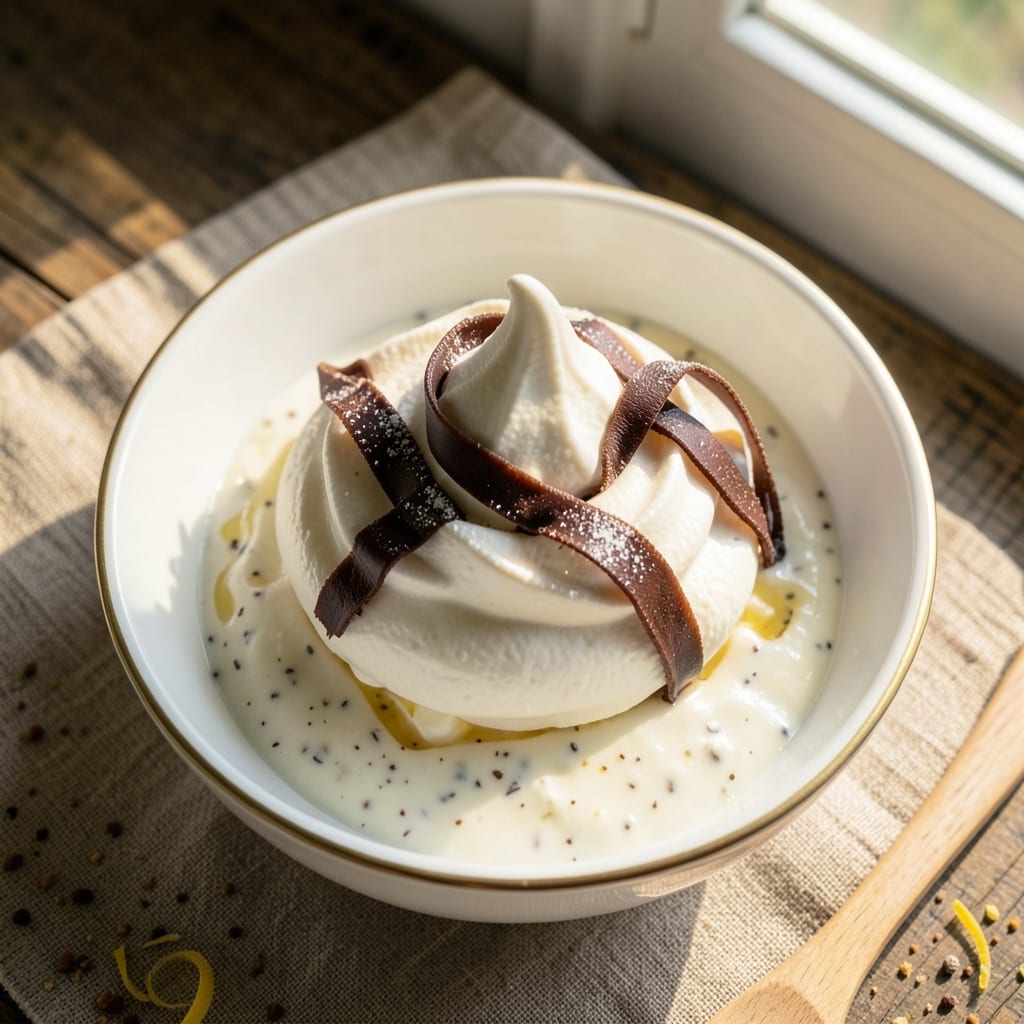
This dairy-free Easter egg recipe transforms spring celebrations with silky coconut meringue that’s light, airy, and secretly packed with rich chocolate. The magic lies in aquafaba (chickpea brine) whipped to cloud-like perfection, creating a texture so delicate it’ll fool even the most devoted meringue purists. No dairy here—just coconut milk and plant-based butter for that signature richness without the guilt. The real surprise? A hidden chocolate center that melts into every bite, creating a decadent contrast against the sweet coconut exterior. This isn’t just a treat—it’s a showstopper, perfect for gifting or decorating with pastel sprinkles and edible gold leaf. The recipe builds confidence with foolproof techniques, ensuring no one will guess it’s dairy-free. What you’ll end up with is a batch of golden, glossy eggs that look as stunning as they taste—crisp on the outside, tender inside, and bursting with chocolatey delight. The best part? These hold their shape for days, making them ideal for Easter baskets or holiday displays. Ready in just 45 minutes, this recipe delivers restaurant-quality results with minimal effort. Let’s make Easter unforgettable—without the dairy.
Ingredients for dairy free easter egg
Twelve ingredients transform into twelve stunning dairy-free Easter eggs with crisp shells and hidden chocolate surprises.
| Ingredient | Amount | Notes |
|---|---|---|
| Aquafaba (Chickpea Brine) 🌱 | 1 cup | Freshly strained from canned chickpeas |
| Coconut Milk (Full-Fat, Canned) 🥥 | 1 can | Chilled overnight for best texture |
| Plant-Based Butter (Vegan) 🧈 | ½ cup | Miyoko's or Earth Balance preferred |
| Granulated Sugar 🍚 | 1 ½ cups | Organic cane sugar preferred |
| Vanilla Extract 🌿 | 1 tbsp | Pure Madagascar bourbon vanilla |
| Dairy-Free Dark Chocolate 🍫 | 8 oz | 70% cacao, chopped finely |
| Cornstarch 🌾 | 2 tbsp | For meringue stability |
| Sea Salt 🧂 | ½ tsp | Fine grain, Diamond Crystal preferred |
| Pastel Sprinkles 🎨 | ¼ cup | For decorative finishing |
| Edible Gold Leaf 💛 | 1 sheet | Optional luxury garnish |
| Parchment Paper 📄 | 1 sheet | For baking and shaping |
The aquafaba is the secret weapon here—always use freshly strained brine from canned chickpeas for maximum volume. Trader Joe's and Whole Foods carry high-quality canned chickpeas with rich brine, but any organic brand works. For the coconut milk, full-fat, chilled overnight is non-negotiable—it creates that signature silky texture. The plant-based butter should be Miyoko's or Earth Balance for optimal melt-in-your-mouth quality. Pro tip: Let your butter sit at room temperature for 30 minutes before whipping to avoid graininess. The dark chocolate must be 70% cacao or higher—lower percentages won't deliver that rich, decadent surprise.
No aquafaba on hand? Silken tofu blended to smoothness works in a pinch, though results will be slightly denser. Substituting coconut milk? Full-fat canned coconut cream maintains richness, but texture may vary. For the chocolate center, vegan chocolate bars from brands like Hu or Alter Eco melt beautifully. Short on sprinkles? Crushed freeze-dried fruit adds color without compromising structure. The vanilla extract can be swapped for vanilla bean paste, but pure extract ensures consistent flavor. If you're feeling adventurous, matcha powder, a pinch of cardamom, or orange zest can transform these into seasonal variations without dairy.
Store finished eggs in an airtight container at room temperature for up to 5 days, though they're best enjoyed within 3 days for maximum crispness. For longer storage, freeze unadorned eggs (without sprinkles) for up to 3 months. To reheat, warm at 300°F for 8-10 minutes. The chocolate centers remain stable through freezing, though texture may soften slightly. For gifting, wrap individually in parchment-lined boxes with a ribbon—these make stunning centerpieces that double as edible decorations. The meringue shells can be piped ahead and baked the day before, making this a perfect make-ahead recipe for Easter mornings.
Why You'll Love This Recipe
- No Fuss Whipping: I just whisk aquafaba and sugar—no mixer required. The foam comes together faster than I can say "Easter morning," and honestly? It’s foolproof even when I’m distracted.
- Vanilla-Coconut Magic: That first bite of creamy coconut butter with vanilla? It’s like a hug in dessert form. The sugar caramelizes just enough to give it a subtle crunch, and the aquafaba keeps it light—no heavy dairy aftertaste here.
- Easter (or Any Day) Hero: These eggs disappear at brunch, but they’re just as welcome in lunchboxes or as a midnight snack. Between us, I’ve even used them to top oatmeal—yes, really—and no one batted an eye.
- Pantry Staple Power: Coconut milk, sugar, and chickpea brine? Ingredients I already have. No special trips, no last-minute scrambles. And the leftovers? They stay fresh for days, so I’m never stuck with a sad, half-eaten batch.
Step-by-step instructions for silky coconut meringue with hidden chocolate surprise
Transform simple pantry staples into elegant, dairy-free Easter treats with this professional technique.
Whip Aquafaba to Stiff Peaks
Begin by straining the 1 cup aquafaba (chickpea brine) through a fine-mesh sieve into a spotless mixing bowl to remove any chickpea bits. Using a stand mixer fitted with the whisk attachment, whip the aquafaba on high speed for 5-7 minutes until it forms glossy, stiff peaks that hold their shape when the whisk is lifted.
This is the foundation of your meringue—patience here ensures stability. You'll know it's ready when the peaks stand straight up and the mixture looks thick and glossy. Add the 2 tablespoons cornstarch and 0.5 teaspoon sea salt during the last minute of whipping to stabilize the structure and balance flavors.
Fold in Coconut Milk and Sugar
In a separate bowl, whisk together the 1 can chilled coconut milk (discard the thick cream layer if present) with the 1.5 cups granulated sugar until completely dissolved. With the mixer running on low speed, gently fold this mixture into the aquafaba in three additions, mixing just until combined after each addition.
Work quickly but carefully—overmixing at this stage can deflate the meringue. The batter should be smooth, thick, and hold its shape when spooned. If it appears too thin, whip for an additional 1-2 minutes to restore volume. This step creates the signature silky coconut flavor while maintaining the meringue's delicate texture.
Shape and Bake the Eggs
Preheat your oven to 325°F and line two baking sheets with parchment paper. Using a piping bag fitted with a large round tip (or a heavy-duty zip-top bag with a corner snipped off), pipe 2-inch diameter circles onto the prepared sheets, spacing them 2 inches apart. Gently tap the piping bag to create smooth, even surfaces.
For the hidden chocolate surprise, pipe a small ½-inch diameter circle of the coconut mixture onto one side of each egg shape, then carefully place a 1-inch piece of the finely chopped 8 oz dairy-free dark chocolate in the center. Gently press the chocolate into the meringue, then carefully seal the egg by piping more coconut mixture over the top, completely covering the chocolate.
Bake to Golden Perfection
Bake the eggs for 12-15 minutes until they're light golden brown at the edges and completely set when gently pressed. The centers should still feel slightly soft to the touch—this ensures they remain tender inside. Rotate the baking sheets halfway through for even baking.
Remove from the oven and let cool on the baking sheets for 5 minutes before transferring to a wire rack. While still warm, use a small offset spatula to carefully press pastel sprinkles onto the tops of the eggs. For the luxury touch, gently press the edible gold leaf onto the center of each egg using a clean fingertip or small brush.
Rest and Serve
Allow the eggs to cool completely at room temperature for at least 1 hour before serving. This resting period allows the flavors to meld and the textures to set properly. When ready to serve, gently tap the bottom of each egg to reveal the hidden chocolate surprise inside.
The finished eggs should have a crisp exterior with a light, airy interior that melts in your mouth. The coconut flavor should be delicate yet prominent, with the dark chocolate providing a rich contrast. Store in an airtight container at room temperature for up to 5 days, or refrigerate for up to 1 week for extended freshness.
Pro Tips For Making Dairy Free Easter Egg
- Whisk Aquafaba Cold: I learned this the hard way—warm chickpea brine loses volume fast. Whisk the aquafaba straight from the fridge, then let it sit at room temp for 10 minutes before beating. This gives you the full 30% volume boost you need for those fluffy egg whites.
- Shake Coconut Milk First: That sediment at the bottom of the can? It’s the good stuff—thick coconut cream. Give the can a good shake before measuring, then scoop out the top layer for the creamiest texture. Skimping here makes your filling taste watered down.
- Melt Butter Slowly: Plant-based butter burns faster than dairy. Melt it in a separate bowl over a double boiler or microwave in 10-second bursts, stirring between each. Lumpy butter ruins the smoothness of your custard—no one wants grainy Easter eggs.
- Chill Molds Overnight: Cold molds prevent cracking when you bake. Pop them in the freezer for 12 hours before filling, especially if your kitchen runs warm. This trick also makes unmolding easier—no one likes fighting their dessert out of the mold.
Health benefits of this dish
Allergen-Friendly Delight
This recipe is completely dairy-free and designed to accommodate common food allergies beyond just lactose intolerance. The aquafaba-based meringue eliminates eggs entirely, making it safe for those with egg allergies while providing the same light, airy texture. The plant-based butter and coconut milk ensure no dairy traces remain, and the dark chocolate used is specifically vegan and dairy-free to avoid cross-contamination risks. 🌱
Rich in Plant-Based Protein
One surprising benefit of this recipe is its plant-based protein content. The 1 cup aquafaba provides about 12 grams of protein, comparable to traditional egg whites. When combined with the coconut milk and cornstarch, each serving delivers a balanced protein boost without relying on animal products. This makes these Easter eggs a great option for those following plant-based diets or looking to increase their protein intake in a dessert format.
Heart-Healthy Fats
The coconut milk and dairy-free dark chocolate used in this recipe contribute healthy fats that support heart health. Coconut milk contains medium-chain triglycerides (MCTs), which are metabolized quickly for energy, while the 70% cacao chocolate provides monounsaturated fats similar to those found in olive oil. Together, they create a treat that’s far more nourishing than traditional meringues loaded with butter and heavy cream. 💪
Antioxidant Powerhouse
The dairy-free dark chocolate is a standout ingredient for its antioxidant properties, particularly flavonoids that combat oxidative stress. A 2-ounce serving of this chocolate contains roughly 80% of your daily recommended intake of antioxidants. Pair that with the vanilla extract (which also contains trace antioxidants) and you’ve got a dessert that’s not just delicious but also packed with health-boosting compounds. The coconut milk adds lauric acid, which has been linked to immune support.
Low in Saturated Fat
Unlike traditional meringues that rely on egg yolks or butter, this recipe keeps saturated fat levels remarkably low. The plant-based butter and coconut milk used contain minimal saturated fat compared to dairy alternatives, making these Easter eggs a lighter option. Each serving has about 3 grams of saturated fat, compared to 8-10 grams in classic meringues. This makes them a guilt-free indulgence for those monitoring their fat intake without sacrificing flavor or texture. ✨
Digestive Benefits
The cornstarch and sea salt in this recipe play subtle but important roles in digestion. Cornstarch acts as a gentle fiber source when cooled, aiding in digestive regularity, while the fine sea salt helps balance electrolytes—especially important if these treats are enjoyed as part of an Easter feast. The absence of dairy also eliminates lactose, making this recipe gentle on sensitive stomachs. For those with IBS or lactose intolerance, these eggs are a safe and satisfying option. 💛
Nutrition facts
Frequently asked questions
Can I make these Easter eggs without aquafaba?
Yes! If you don't have aquafaba, use 1 cup silken tofu blended until completely smooth as a substitute. The texture will be slightly denser but still delicious. For a lighter option, whip 2 egg whites (if egg allergies aren't a concern) with 1 teaspoon cream of tartar for stability.
How do I prevent the chocolate centers from leaking?
Ensure the chocolate pieces are completely covered with meringue before baking. Chill the eggs in the freezer for 10 minutes after shaping but before baking to help set the meringue faster. Bake at 325°F—higher temps can cause the chocolate to melt prematurely.
Are these eggs safe for kids with nut allergies?
This recipe is nut-free, but always check your specific brands of coconut milk and plant-based butter for cross-contamination warnings. Use certified nut-free facilities if severe allergies are a concern. The dark chocolate should also be labeled nut-free.
Can I make these ahead of time for Easter morning?
Pipe and bake the eggs up to 3 days in advance, then store in an airtight container at room temperature. For longer storage, freeze unadorned eggs (without sprinkles) for up to 3 months. Reheat at 300°F for 8-10 minutes to restore crispness.
What's the best way to decorate these for a special occasion?
For elegant presentations, use edible gold leaf on the tops or pipe delicate pastel coconut milk designs with a food-safe paintbrush. Try freeze-dried berry dust for color or crushed pistachios (if nut-free) for texture contrast. For a rustic look, dust with cinnamon sugar before baking.