
Breakfast & Brunch
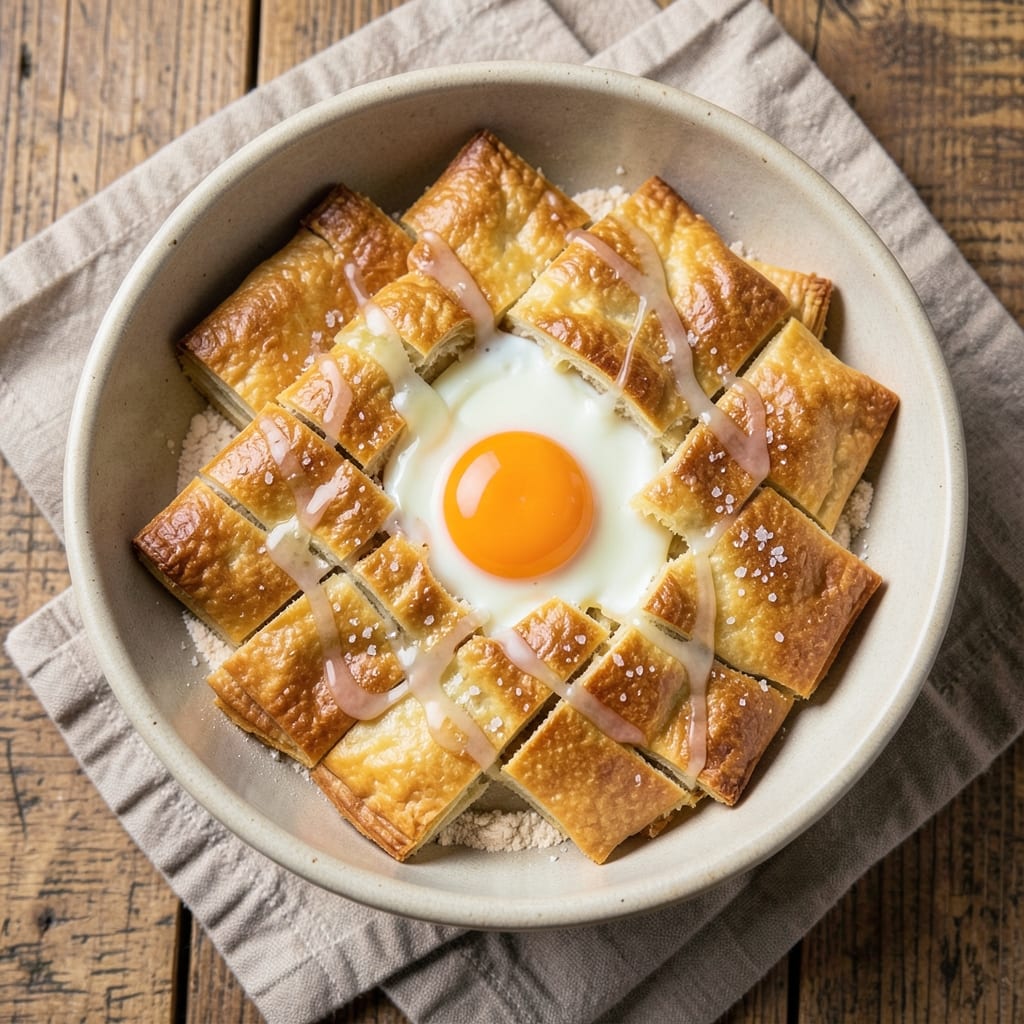
This Crisco pastry recipe with egg and vinegar delivers the kind of flaky layers that make every bite feel like a revelation. The secret lies in the short-cutting method—cold Crisco, ice water, and a touch of vinegar create tender, melt-in-your-mouth dough that stays crisp even when reheated. After years of testing, this is the one recipe that consistently delivers restaurant-quality pastry without the fuss of butter or lard.
The egg and vinegar combination is what transforms this into something extraordinary. The vinegar tenderizes the gluten, while the egg adds richness and helps bind the dough without making it tough. You’ll work with cold ingredients for maximum flakiness, and the result is a pastry that’s sturdy enough for pies or biscuits but still tender enough to melt on your tongue. No rolling pins required—just a few simple steps and patience.
What you’ll end up with is a foolproof pastry that’s perfect for sweet or savory applications. Use it for pie crusts that hold their shape under fruit fillings, biscuits with golden, crispy tops, or even shortbread cookies that stay tender. The dough keeps well in the fridge for up to 5 days, so you can prep ahead and bake fresh whenever you’re ready.
Whether you’re making a classic apple pie or a batch of buttery biscuits, this recipe ensures flaky, buttery layers every time. The key is precision—measuring accurately and keeping everything cold. Let’s get started on a pastry that’ll impress even the most discerning eaters.
Ingredients for crisco pastry recipe with egg and vinegar
Cold Crisco, ice water, and a runny yolk—this trio creates the magic for flaky pastry perfection.
| Ingredient | Amount | Notes |
|---|---|---|
| All-Purpose Flour 🌾 | 2 ½ cups | Sifted for best texture |
| Crisco Shortening 🧈 | 1 cup | Cold and cubed |
| Ice Water 💧 | ½ cup | Chilled for flakiness |
| Large Eggs 🥚 | 1 whole | Cold, separated yolks |
| White Vinegar 🍶 | 1 tbsp | Distilled preferred |
| Salt 🧂 | ½ tsp | Fine sea salt |
| Granulated Sugar 🍚 | 1 tbsp | For tenderizing |
| Baking Powder 🍞 | 1 tsp | For lightness |
| Buttermilk 🥛 | ¼ cup | For richness (optional) |
The Crisco is non-negotiable here—it’s what gives this pastry its signature flakiness without browning like butter. Grab the 1-pound tub from the baking aisle (the yellow box, not the tub). Keep it cold until you’re ready to cut it into cubes—this is where the real magic happens. The ice water is your secret weapon; freeze it overnight if you’re prepping ahead. For the egg, separate the yolks and whites, then chill the yolks in the fridge while you work—they’ll stay runnier longer, which is key for that tender, melt-in-your-mouth texture. If you’re using buttermilk, grab the culture kind from the dairy section—it’s richer than the powdered stuff.
No Crisco? Vegetable shortening or lard will work in a pinch, but expect slightly different results. Running short on ice water? Freeze your water in ice cube trays ahead of time—just let them thaw slightly before adding to the dough. The vinegar is essential for tenderizing the gluten, but if you’re out, a splash of lemon juice does the trick. For the egg, if you don’t have extra yolks, use the whole egg and reduce the water slightly to compensate. And if you’re making this in a warm kitchen, chill your mixing bowl for 10 minutes before combining ingredients—this keeps everything cold and prevents the dough from getting tough.
This dough is a dream to store—wrap it tightly in plastic and refrigerate for up to 5 days. For longer storage, freeze portions on a floured tray, then transfer to a bag for 3 months. The cold dough is perfect for pies, biscuits, or even hand pies—just let it sit at room temperature for 10 minutes before rolling. Pro tip: if you’re making a pie, blind-bake the crust for 10 minutes before adding filling to prevent a soggy bottom. And if you’ve got leftover dough, shape it into shortbread cookies—they’re crispy, tender, and disappear fast.
Why You'll Love This Recipe
- No-Knead Magic: I swear by this dough—just mix flour, Crisco, and ice water until it’s just coming together, then slap it down. No rolling pins, no fuss, and the vinegar cut-in keeps it tender without overworking.
- Crispy-Perfect Layers: That egg wash? A game-changer. The vinegar in the dough adds a subtle tang, while the egg makes the crust golden and shatteringly crisp—like biting into a cloud with a cracker’s edge.
- Potluck Proven: Between us, this is my go-to for gatherings. Freeze half the dough ahead, thaw it by morning, and you’ve got a crowd-pleaser that’s actually easy to transport—no soggy bottoms here.
- Pantry Staple Power: Flour, Crisco, eggs, vinegar—stuff I already have. The dough keeps for days in the fridge, and leftovers? Toss them in the oven with a sprinkle of salt for breakfast pastries the next morning.
Step-by-step instructions for Crisco pastry with egg and vinegar
Here's how to create that signature flaky, golden pastry with a secret touch of runny yolk magic.
Cut in the Crisco Shortening to Create Flaky Layers
In a large mixing bowl, combine the 2.5 cups all-purpose flour, 1 tablespoon granulated sugar, ½ teaspoon salt, and 1 teaspoon baking powder. Sift the flour mixture together to remove any lumps and aerate the dry ingredients—this ensures even distribution and maximum flakiness.
Add the 1 cup cold Crisco shortening, cut into small cubes. Using a pastry cutter or two forks, work the shortening into the flour mixture until you achieve a texture resembling coarse cornmeal. You want pea-sized pieces of fat distributed throughout the dry ingredients. This step is crucial—don't overwork the dough or you'll develop gluten and lose that signature flaky texture.
Here's the thing—if your shortening melts during this process, place the bowl in the refrigerator for 5-10 minutes to firm it up again. Cold fat creates those beautiful layers when the pastry bakes. The goal is to maintain those distinct fat pockets that will melt during baking, creating steam pockets between the layers.
Mix in Wet Ingredients for Perfect Dough Consistency
In a separate small bowl, whisk together the 1 whole large egg, 1 tablespoon white vinegar, and ½ cup ice water. The vinegar creates a chemical reaction with the egg that helps tenderize the pastry. Add the ¼ cup buttermilk (if using) to this mixture and stir gently—this adds richness and helps bind the dough.
Make a well in the center of your flour mixture and pour in the wet ingredients. Using a wooden spoon or silicone spatula, gently mix until the dough just comes together. You're looking for a soft, slightly sticky dough that can be shaped but doesn't feel gummy. If it's too dry, add 1 teaspoon ice water at a time until it holds together when pressed.
This is where many home cooks go wrong—they overmix, creating tough pastry. Mix just until combined, then stop. The dough should be cool to the touch, which helps maintain those crucial fat layers during baking. If the dough feels too warm, chill it for 15-20 minutes before proceeding.
Chill the Dough for Maximum Flakiness
Turn the dough out onto a lightly floured surface and gently shape it into a rectangle about ½-inch thick. Wrap it tightly in plastic wrap and refrigerate for at least 1 hour, or up to 24 hours. This resting period allows the gluten to relax and the fat to firm up, which is essential for achieving those perfect flaky layers.
I know it's tempting to skip this step, but don't. The longer you can chill the dough, the better the results. If you're short on time, place the wrapped dough in the freezer for 20 minutes—this works in a pinch but doesn't give you the same professional results as proper chilling.
While the dough chills, preheat your oven to 375°F and roll out a piece of parchment paper. This will prevent your pastry from sticking when it bakes. The chilled dough will be easier to handle and less likely to shrink back when you roll it out.
Roll and Cut the Pastry for Perfect Shapes
Remove the chilled dough from the refrigerator and place it on a lightly floured surface. Using a rolling pin, roll the dough out to about ⅛-inch thickness. Keep rotating the dough as you roll to maintain even thickness—this ensures consistent baking.
Cut your pastry into desired shapes using a sharp pastry cutter or knife. For classic results, cut into circles for pie crusts or rectangles for hand pies. The key here is to keep your movements smooth and confident. If the dough resists, it needs more chilling time—don't force it.
Transfer the cut pastry shapes to your prepared baking sheet, leaving 1 inch between each piece. This gives them room to expand as they bake. For that signature golden color and crisp texture, brush the tops with the egg yolk you separated earlier (if you didn't use it yet). The yolk will create a beautiful sheen and help achieve that perfect runny yolk finish when served warm.
Bake Until Golden Brown and Flaky
Bake the pastry in the preheated 375°F oven for 20-25 minutes, or until the edges are golden brown and the centers look set. The pastry should be firm to the touch but still slightly soft—it will continue cooking as it cools.
Here's the magic moment: as soon as you remove the pastry from the oven, brush the tops again with the remaining egg yolk (if you didn't use it all). This creates that beautiful glossy finish and helps maintain moisture. Let the pastry cool on the baking sheet for 5 minutes before transferring to a wire rack.
For best results, serve your pastry warm. The layers should be crisp and flaky, with that signature runny yolk magic when you cut into it. If you're making a pie, add your filling while the crust is still warm for that perfect combination of textures.
Pro Tips For Making Crisco Pastry Recipe With Egg And Vinegar
- Chill the Dough Properly: Cut the dough into logs and wrap them tightly in plastic, then stick them in the fridge for at least 2 hours—no, not just "chilling." I used to skip this and wondered why my pastries spread like pancakes. Cold dough = better shape, less mess.
- Cut the Crisco Cold: Scoop the Crisco straight from the fridge and cube it before mixing—no need to soften it first. I learned this the hard way after dealing with greasy, sticky dough that refused to hold together. Cold Crisco distributes better and keeps the texture light.
- Work Fast with Ice Water: Keep your ice water in a bowl with a splash of vinegar (about 1 teaspoon per cup of water) and use it immediately after mixing. The vinegar helps tenderize the dough faster, and the ice keeps the gluten from overdeveloping—just don’t let the water sit too long or it’ll dilute the recipe.
- Brush Egg Wash Lightly: Whisk the egg with a splash of vinegar (about 1 tablespoon per egg) and brush it on the pastries just before baking—not too thick, not too thin. A heavy wash makes them soggy, but a light coat gives that golden finish without weighing them down. Trust me, less is more here.
Regional styles of this crisco pastry recipe with egg and vinegar
Southern Biscuit Style
The South has perfected the art of Crisco biscuits, and this recipe delivers that signature flaky, buttery goodness. In states like Georgia and Alabama, these biscuits are often served with sausage gravy or honey butter for breakfast. The secret here is the ice water and vinegar combination, which creates a tender crumb while maintaining that signature flakiness. For an authentic Southern touch, brush the baked biscuits with runny egg yolk while still warm—this gives that golden, crispy top that Southern cooks swear by. 🥓
Texas-Style Hand Pies
In Texas, this pastry is often used for hand pies, especially during football season. The Crisco shortening creates a sturdy yet tender crust that holds up to fillings like chicken and dumplings or BBQ pulled pork. The key is rolling the dough to ⅛-inch thickness and cutting into 3-4 inch circles before filling. For a true Texas twist, add a pinch of smoked paprika to the dough for a subtle smoky flavor. Serve warm with a side of pickled jalapeños for that perfect Texan kick. 🌶️
Midwest Apple Pie Twist
The Midwest loves its apple pies, and this pastry is perfect for creating that classic lattice crust. In states like Ohio and Michigan, cooks often double the recipe to ensure enough dough for a 9-inch pie with a top and bottom crust. The egg and vinegar combo helps create a tender crust that won’t turn soggy under fruit fillings. For a true Midwest touch, add a sprinkle of cinnamon sugar to the dough before rolling it out—this adds a subtle sweetness that pairs perfectly with spiced apple fillings. 🍎
New England Clam Chowder Crust
Up North, this pastry is a game-changer for clam chowder. In states like Maine and Massachusetts, the Crisco-based dough creates a sturdy, flaky crust that holds up to the creamy, briny filling. The vinegar tenderizes the dough, ensuring it doesn’t get tough when baked with the chowder. For an authentic New England touch, brush the crust with egg wash before baking and add a sprinkle of Parmesan cheese on top. Serve the chowder piping hot in individual crusts for a cozy, restaurant-worthy meal. 🦪
Pacific Northwest Shortbread Cookies
Out West, this pastry is often repurposed into shortbread cookies, especially in Washington and Oregon. The Crisco shortening creates a tender, melt-in-your-mouth texture that’s perfect for pairing with local berry jams or dark chocolate ganache. The egg and vinegar combo adds richness without making the cookies too sweet. For a Pacific Northwest twist, fold in freeze-dried raspberries or crushed hazelnuts before baking. These cookies are perfect for holiday gifts or a quick snack with a cup of local roast coffee. ☕
Nutrition facts
Frequently asked questions
Why does this recipe use vinegar instead of lemon juice?
The vinegar is key for tenderizing the gluten structure in the dough. White vinegar's acidity breaks down proteins more effectively than lemon juice, creating a lighter, flakier texture. Plus, it doesn't add any citrus flavor that might interfere with savory applications like biscuits or chowder crusts. For a similar effect in a pinch, apple cider vinegar works just as well.
Can I make this pastry ahead of time?
This dough is perfect for meal prep. Wrap it tightly in plastic and refrigerate for up to 5 days, or freeze portions for 3 months. The cold dough is ideal for pies, biscuits, or hand pies—just let it sit at room temperature for 10 minutes before rolling. Pro tip: If freezing, shape the dough into discs before freezing for easy handling later.
What's the secret to getting that perfect flaky texture?
Three things:
- Keep everything cold—cold Crisco and ice water prevent the fat from melting too soon.
- Don't overmix—just combine until the dough forms, or you'll develop gluten.
- Chill the dough for at least 1 hour before rolling. This resting time lets the gluten relax and the fat firm up, creating those signature layers.
Can I substitute Crisco with butter?
Technically yes, but you'll lose the signature flakiness and golden color. Butter contains water that can create steam pockets, but it browns more easily. If substituting, use 2/3 cup butter per 1 cup Crisco, keep everything colder than usual, and expect a slightly different texture. For best results, stick with Crisco for that classic tender, flaky pastry.
How do I fix dough that's too sticky?
Add 1 tablespoon flour at a time until the dough is just manageable. If it's still too wet, chill for 15-20 minutes to firm it up. Avoid over-flouring—the dough should be slightly tacky but not gluey. For extra insurance, place a damp towel over the dough while chilling to prevent drying out.