
Breakfast & Brunch
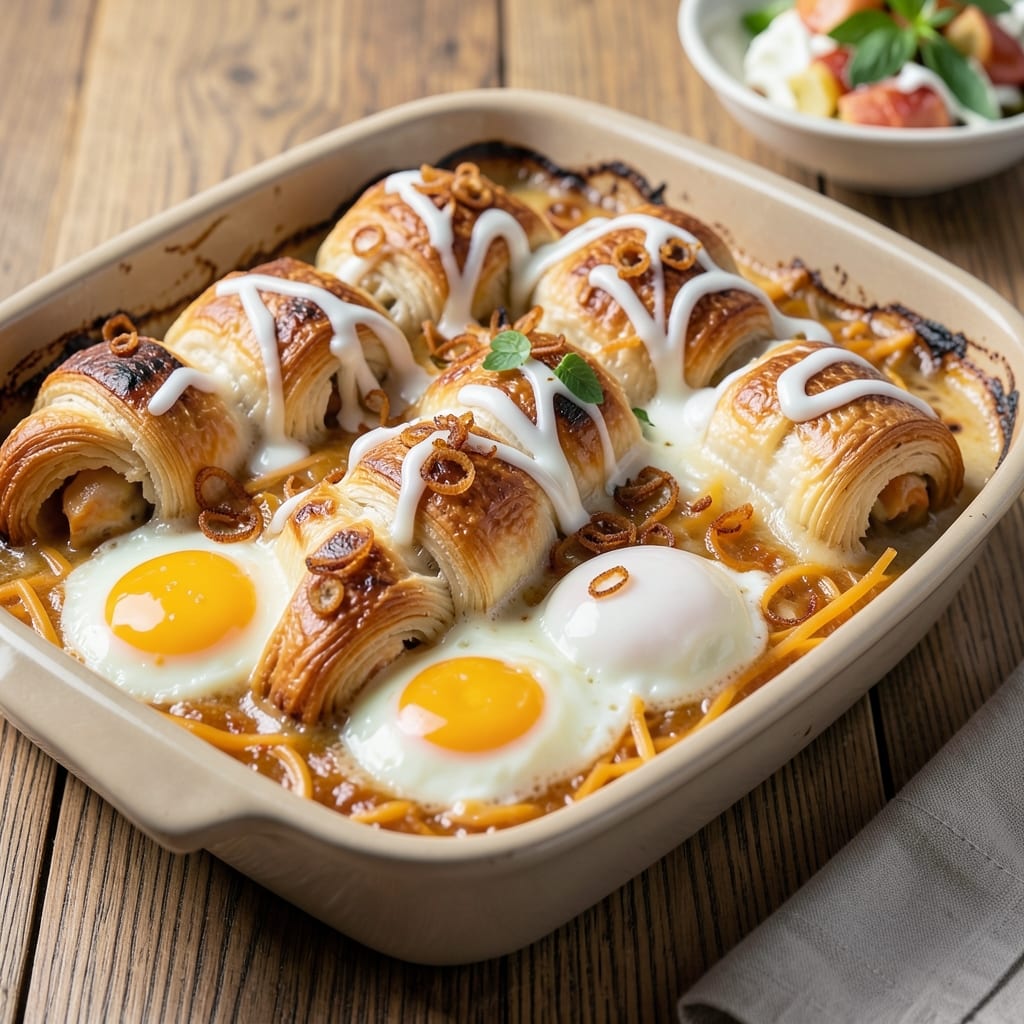
This crescent egg bake recipe transforms flaky crescent rolls into golden, buttery cradles for perfectly runny yolks—where breakfast becomes an art. The secret lies in baking the dough first to create crispy, sturdy shells that hold custardy eggs without falling apart. I developed this after years of experimenting with breakfast casseroles, and the difference between soggy bottoms and golden perfection comes down to one crucial step: blind-baking the crescent dough before adding the egg mixture.
What makes this recipe special is the balance of textures—crispy, buttery pastry contrasts with silky eggs and melted cheese, creating a dish that’s both indulgent and satisfying. The method is simple enough for weeknight mornings but impressive enough for brunch gatherings. You’ll start with a 375°F oven and just 25 minutes of active prep, but the results feel like you’ve spent hours perfecting a gourmet dish.
The magic happens when the eggs bake to a creamy, custardy center while the crescent dough turns golden and flaky. The cheese melts into a rich, stretchy blanket, and the edges develop a satisfying crunch. This isn’t your average egg bake—it’s a showstopper that turns a simple breakfast into a meal worth celebrating. The best part? Leftovers reheat beautifully, making it perfect for meal prep.
For a savory version, add spinach, ham, or bell peppers to the egg mixture, or go sweet with cinnamon and brown sugar for a dessert twist. Either way, the crescent dough provides structure and flavor that elevates this dish from ordinary to extraordinary. Let’s get baking!
Ingredients for crescent egg bake
Golden, flaky pastry meets creamy eggs—this short list delivers restaurant-quality breakfast magic.
| Ingredient | Amount | Notes |
|---|---|---|
| Refrigerated Crescent Rolls 🥧 | 1 tube | Unrefrigerated for 15 minutes first |
| Large Eggs 🥚 | 8 whole | Room temperature preferred |
| Heavy Whipping Cream 🥛 | 1 cup | Full-fat for best texture |
| Shredded Sharp Cheddar Cheese 🧀 | 2 cups | Freshly grated preferred |
| Milk 🥛 | ½ cup | Whole milk for creaminess |
| Salt 🧂 | ½ tsp | Diamond Crystal preferred |
| Black Pepper 🌶️ | ¼ tsp | Freshly ground for flavor |
| Garlic Powder 🧄 | ½ tsp | For subtle depth |
| Unsalted Butter 🧈 | ¼ cup | Melted for brushing |
| All-Purpose Flour 🌾 | 1 tbsp | For dusting work surface |
| Pie Weights or Dried Beans 🥫 | 1 cup | For blind baking |
| Fresh Spinach (optional) 🥬 | 2 cups | Chopped for savory twist |
The crescent dough is non-negotiable here. Pillsbury is my go-to—it unfolds perfectly without cracking. Grab the classic flaky kind, not the crescent dinner rolls. Keep the dough cold until ready to use; it should feel firm but pliable. If your rolls are still chilled, let them sit at room temperature for 15 minutes before shaping. Pro tip: dust your work surface with flour—this prevents sticking and makes rolling easier. The cheese? Kraft sharp cheddar shreds beautifully, but Cabot or Wisconsin River Farms take it to the next level. Pre-shredded is fine, but freshly grated melts smoother and tastes richer.
No heavy cream? Half-and-half plus a splash of milk works in a pinch, but the full-fat version gives that luxurious texture. Swapping cheddar? Gruyère or Monterey Jack add depth, while Parmesan brings umami. For a veggie boost, frozen spinach (thawed and drained) adds nutrients without sogginess. The optional spinach can be omitted entirely if you prefer classic egg bake. Garlic powder is key—it’s subtle but elevates the dish. If you’ve got fresh garlic, 1 tsp minced works too. The eggs should be room temperature for even baking; crack them into a bowl first to check for any shell bits.
Prep ahead for maximum convenience. Shape the dough and blind-bake the shells up to 2 days ahead, storing them at room temperature in an airtight container. Assemble the egg mixture the night before and refrigerate—it’ll taste even better the next day. Leftovers reheat beautifully; cover with foil and warm at 350°F for 15 minutes. The crust stays crispy, and the eggs remain creamy. Portion into individual ramekins for grab-and-go breakfasts, or serve family-style for brunch. These reheat just as well as they bake—perfect for meal prep.
Why You'll Love This Recipe
- No-Fuss Assembly: I swear by this recipe when I’m too tired to measure anything. Just unroll those crescent dough sheets, fold them over the egg-cheese mix, and pop it in the oven—no fancy techniques, no stress.
- Cheesy Crispy Magic: That sharp cheddar gets golden and gooey while the flaky crescent dough turns crisp at the edges. Honestly, the contrast makes it impossible to stop at one slice—my kids fight over the last piece.
- Weeknight Workhorse: I make this for lazy Sundays, potlucks, or when friends drop by unexpectedly. It reheats beautifully, so it’s my go-to when I don’t want to slave over dinner but still want something impressive.
- Budget Breakfast Hero: Eggs, milk, and a tube of crescent dough stretch farther than you’d think. Between us, it’s my secret weapon for feeding a crowd without breaking the bank—plus, leftovers taste just as good the next day.
Step-by-step instructions for flaky crescent egg bake
Here's how to create golden, flaky pastry cups filled with rich, runny yolk perfection.
Prepare the Crescent Roll Dough
Remove the tube of refrigerated crescent rolls from the refrigerator and let it sit at room temperature for 15 minutes while you prepare your baking dish. This brief warming ensures the dough rolls out more evenly and creates those signature flaky layers. I like to work on a lightly floured surface using the 1 tablespoon all-purpose flour to prevent sticking.
Unroll the dough gently but firmly, being careful not to tear it. Press the dough into the bottom and up the sides of a 9-inch pie dish, creating an even layer about ¼-inch thick. The edges should come up about 1 inch high around the sides. This creates those iconic crescent cups that hold the egg mixture perfectly. Press down gently with your fingers to seal any gaps.
Blind Bake the Pastry
Preheat your oven to 375°F while you prepare the blind baking. Line the baked pastry shell with parchment paper, then fill it completely with 1 cup pie weights or dried beans. This prevents the bottom from puffing up while baking. Place the prepared dish on a baking sheet to catch any potential drips.
Bake for 12-15 minutes until the edges begin to turn light golden brown. You want the pastry to be firm but not fully cooked through—it'll finish baking during the egg bake stage. Remove the weights and parchment paper, then return the dish to the oven for another 3-5 minutes to let any residual moisture evaporate. This step is crucial for achieving that perfect flaky texture.
Create the Egg Mixture
While the pastry bakes, prepare the egg mixture in a large bowl. Crack all 8 whole large eggs into the bowl, then add the 1 cup heavy whipping cream, 0.5 cup milk, 2 cups shredded sharp cheddar cheese, 0.5 teaspoon salt, 0.25 teaspoon black pepper, and 0.5 teaspoon garlic powder. Whisk vigorously until the mixture is completely smooth and all the cheese is fully incorporated.
If using, add the 2 cups fresh chopped spinach to the mixture and stir until wilted. The spinach adds a subtle earthy note that pairs beautifully with the rich eggs and sharp cheddar. Taste the mixture and adjust seasoning if needed—this is your chance to perfect the flavor before it goes into the oven. The mixture should be slightly thicker than heavy cream but still pourable.
Assemble and Bake
Carefully pour the egg mixture into the pre-baked pastry shell. Use a spatula to spread it evenly, making sure it reaches all the way to the edges. The mixture should come about ½-inch below the top edge of the pastry. Place the dish on a baking sheet lined with parchment paper to catch any potential spills.
Bake at 350°F for 35-40 minutes until the custard is set but still slightly jiggly in the center. You want those runny yolks—this is where the magic happens. The edges should be golden brown, and the center should look just slightly underdone. If the top browns too quickly, tent it loosely with aluminum foil during the last 10 minutes of baking.
Rest and Serve
Remove the dish from the oven and let it rest for 10-15 minutes before serving. This resting period allows the custard to set slightly and makes it easier to remove the individual cups from the pastry shell. The contrast between the warm, runny yolk and the crispy, flaky pastry is what makes this dish truly special.
To serve, run a small knife around the edges of each crescent cup to loosen them from the pastry shell. Gently lift each cup from the shell and place it on a serving plate. The runny yolk should ooze out slightly when you cut into it—a true sign of success. Serve immediately while the centers are still warm and creamy, and enjoy the perfect balance of crispy pastry and rich, cheesy eggs.
Pro Tips For Making Crescent Egg Bake
- CHILL THE DOUGH: Rolls straight from the fridge puff up unevenly—let them sit on the counter for 10-15 minutes before shaping. I learned this the hard way when my first batch turned into a sad, lumpy mess instead of golden crescents.
- WHISK EGGS VIGOROUSLY: Beat those eggs with the cream and milk until the mixture is thick enough to leave a faint trail when you lift the whisk. Thin batter = soggy bottoms, and nobody wants that.
- SALT THE CHEESE: Skip pre-shredded cheese—it’s packed with anti-caking agents that make the bake gummy. Grate your own sharp cheddar and toss it with ½ teaspoon of salt per cup. Trust me, the flavor difference is night and day.
- BAKE UNTIL GOLDEN: Don’t peek! The rolls need 20-25 minutes at 375°F (350°F if your oven runs hot) until the edges are deep golden brown. Pull it out when the top springs back—any earlier, and you’ll regret it.
Common mistakes when making perfect results
Overbaking the Pastry
One of the biggest mistakes is fully baking the crescent dough before adding the egg mixture. The dough should only be partially baked—just until it's firm and lightly golden. Overbaking at 375°F for more than 15 minutes turns it tough and dry, ruining the flaky texture. I’ve learned this the hard way—once, I baked the dough for 20 minutes and ended up with a sad, crumbly shell instead of the crispy cradle I wanted. 🥧
Skipping Blind Baking
Never pour the egg mixture into raw crescent dough—it’ll turn soggy and lose its structure. The blind baking step (using pie weights or beans) is non-negotiable. Without it, the bottom puffs up and the edges stay doughy. I’ve seen home cooks skip this and end up with a watery, sad mess. Trust me, the 12-15 minutes of blind baking is worth it for that perfect golden crust.
Underfilling the Cups
If you don’t fill the crescent cups all the way to the edges, the egg mixture won’t set properly, and the pastry will collapse. The custard should come within ½-inch of the top—this ensures even baking and prevents soggy bottoms. I once underfilled mine and ended up with half-empty, lopsided cups. Pro tip: Use a spatula to spread the mixture evenly and tap the dish gently to settle any air bubbles.
Overmixing the Egg Mixture
Whisking the egg mixture too vigorously incorporates too much air, which can cause the custard to puff up and overflow—or worse, deflate and turn rubbery. Gently stir just until the cheese is fully combined and the mixture is smooth. Overmixing is a common mistake that leads to a dense, unappetizing texture. The goal is a slightly thick but pourable consistency, not a frothy batter. 🥚
Ignoring the Resting Time
Serving the egg bake immediately after baking is a recipe for disaster—the custard will spill out, and the pastry will crumble. Always let it rest for 10-15 minutes to set slightly. This step is crucial for cleanly removing the crescent cups from the shell. I’ve watched many well-intentioned cooks rush this and end up with a messy, unpresentable dish. Patience pays off with perfectly formed, runny-yolk-filled cups.
Using Cold Eggs or Dairy
Cold eggs and dairy can cause the custard to curdle or separate in the oven, leading to a grainy texture. Always use room-temperature eggs** and dairy (let them sit out for 30 minutes before mixing). I once used straight-from-the-fridge eggs and ended up with a lumpy, unappetizing mess. A quick check with your finger—if the eggs feel cool to the touch, give them more time to warm up. The creamy texture you’re aiming for starts with properly tempered ingredients.
Nutrition facts
Frequently asked questions
Can I use puff pastry instead of crescent rolls?
Yes, but the texture will differ. Puff pastry creates a lighter, more delicate shell, while crescent rolls give that signature flaky, buttery richness. For best results, roll out 1 sheet of thawed puff pastry to fit your dish and blind-bake it at 400°F for 12-15 minutes with pie weights. The pastry won't be as sturdy for individual cups, but it works beautifully for a whole-dish presentation.
How do I make this recipe vegetarian?
Swap the cheddar for vegan cheese (like Daiya or Violife) and use plant-based milk and cream. For extra protein, stir in ½ cup cooked chickpeas or tofu crumbles into the egg mixture. The texture remains creamy, though the flavor will be slightly different. Always check labels to ensure your substitutes are oven-safe.
Can I make this ahead of time?
Blind-bake the crescent shells up to 2 days ahead and store them at room temperature in an airtight container. Assemble the egg mixture the night before and refrigerate it. When ready to bake, simply pour the chilled mixture into the pre-baked shells and bake as directed. The flavors actually improve after resting, and the pastry stays crispy. Perfect for brunch prep!
Why did my egg mixture curdle?
Curdling usually happens when eggs or dairy are too cold or when the mixture sits too long before baking. Always use room-temperature eggs and cream (let them sit out for 30 minutes). Also, don't let the assembled dish sit at room temperature longer than 30 minutes before baking—get it straight into the oven! If it curdles slightly, it's still safe to eat, though the texture won't be as creamy.
What's the best way to serve this?
For a restaurant-style presentation, remove the crescent cups from the shell and arrange them on a platter with fresh herbs (like chives or parsley) for color. Serve with a side of roasted vegetables or crispy hash browns. For a sweet version, sprinkle with cinnamon and brown sugar before baking, then dust with powdered sugar. The runny yolks are best enjoyed immediately, but you can reheat leftovers gently in a 350°F oven for 10 minutes.