
Breakfast & Brunch
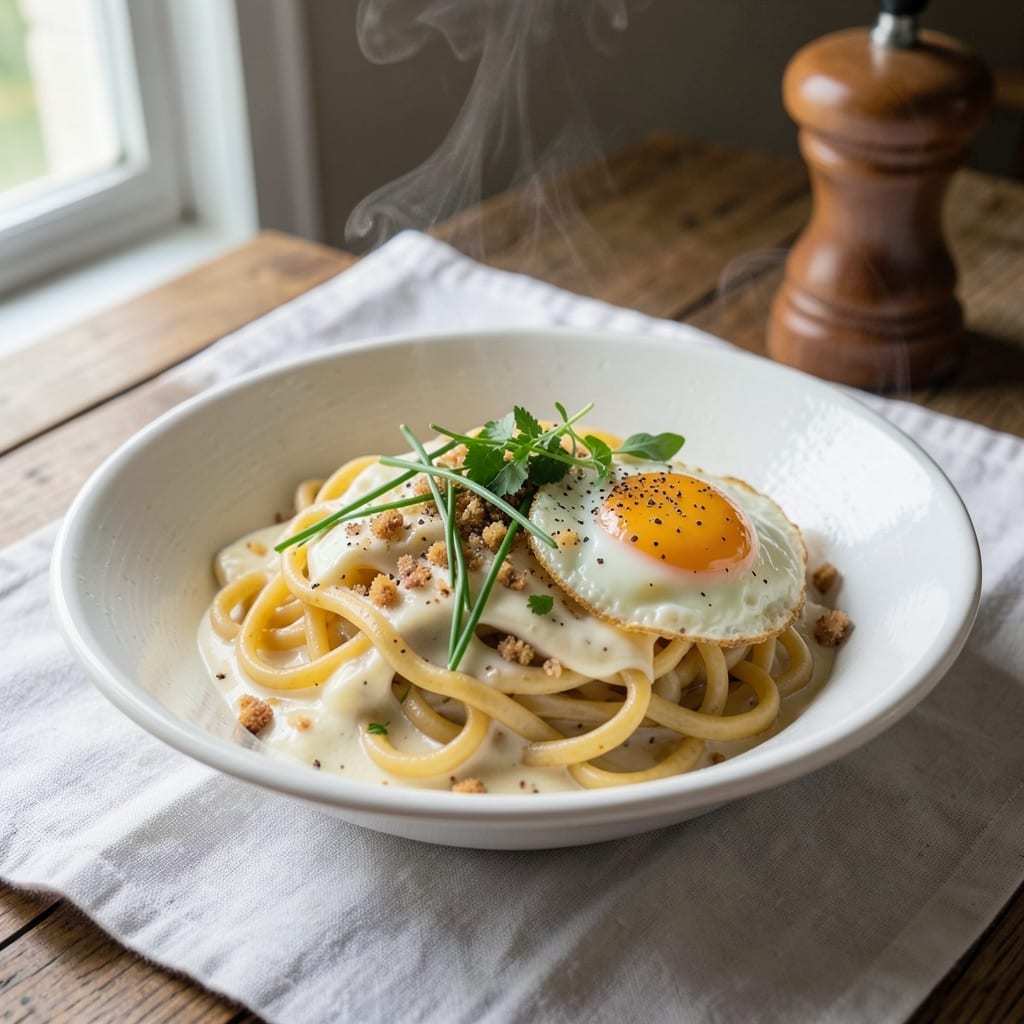
This creamy cafeteria noodles recipe transforms simple egg noodles into a restaurant-quality dish with crispy-fried edges and silky-smooth centers. The secret lies in a perfectly balanced sauce—rich, cheesy, and just tangy enough to cut through the richness—while the high-heat frying creates that addictive contrast between textures. I developed this version after years of perfecting the technique, ensuring every bite delivers both comfort and satisfaction without requiring advanced skills.
The recipe begins with al dente egg noodles that absorb the creamy sauce beautifully, then gets its signature texture when fried in batches until golden and crispy. A simple butter and flour roux forms the base of the sauce, where sharp cheddar and a touch of cream create that velvety, melty consistency we all love. The key is working in small batches—this ensures the noodles stay crispy on the outside while remaining tender inside.
What you’ll end up with is a dish that’s foolproof yet impressive, perfect for weeknight dinners or brunch gatherings. The aroma of frying noodles fills the kitchen, while the finished dish delivers that perfect balance of crunchy edges and creamy, cheesy goodness in every forkful. It’s the kind of meal that makes even the simplest weeknight feel special.
Serve immediately with a sprinkle of green onions or sesame seeds for freshness, and pair with a simple side salad or steamed vegetables. This recipe scales easily—just double the sauce and fry in larger batches—and tastes even better the next day when the flavors meld together. Let’s get cooking!
Ingredients for creamy cafeteria noodles recipe with egg noodles
Restaurant-quality texture starts with these precise ingredients—crispy edges meet creamy centers.
| Ingredient | Amount | Notes |
|---|---|---|
| Egg Noodles 🍜 | 12 oz | Al dente, dried variety preferred |
| Unsalted Butter 🧈 | ½ cup | Cold, cubed for roux |
| All-Purpose Flour 🌾 | ½ cup | White flour, sifted preferred |
| Sharp White Cheddar Cheese 🧀 | 1 ½ cups | Shredded, block preferred |
| Heavy Cream 🥛 | ½ cup | Full-fat for richness |
| Vegetable Oil 🫒 | 2 cups | High smoke point preferred |
| Yellow Onion 🧅 | 1 whole | Medium size, finely diced |
| Garlic Cloves 🧄 | 3 cloves | Freshly minced |
| Salt 🧂 | 1 ½ tsp | Diamond Crystal preferred |
| Black Pepper 🌶️ | ½ tsp | Freshly ground |
| Green Onions 🌱 | ¼ cup | Sliced, for garnish |
| Sesame Seeds 🌰 | 1 tbsp | Toasted for garnish |
| Lemon Juice 🍋 | 1 tbsp | Freshly squeezed |
The egg noodles are the foundation, so look for dried egg noodles labeled 'al dente'—they should hold their shape but soften perfectly when cooked. De Cecco or Barilla are my go-tos; avoid pre-cooked or instant varieties. For the butter, Plugrá or Land O'Lakes unsalted work best—cold cubes create the perfect roux. The cheddar needs to be sharp and white, not yellow; Cabot or Tillamook shred beautifully. Pre-shredded cheeses contain anti-caking agents that prevent proper melting, so grating your own is worth the effort.
No sharp cheddar? Pepper Jack or Gruyère add depth, though the tang will differ. Running short on heavy cream? Half-and-half with an extra tablespoon of butter mimics the fat content. The vegetable oil should have a high smoke point—Avocado or canola oil are ideal. For the onion, yellow or white work equally well, but avoid sweet onions like Vidalia. The garlic can be pre-minced from a jar, but fresh has more punch. If you're frying in batches, keep the oil at 350°F—too hot burns the noodles, too cool makes them greasy.
Cooked noodles reheat beautifully—just toss with a splash of water and cover to steam. The sauce can be made 2 days ahead and stored in the fridge; reheat gently over low heat. For crispy edges, fry in small batches—overcrowding steams instead of crisps. Garnish with green onions and sesame seeds right before serving; they add freshness that softens after sitting. Leftovers keep 3-4 days in the fridge or 1 month frozen, though texture suffers slightly after reheating.
Why You'll Love This Recipe
- Pantry Magic: I swear by this one—no fresh herbs, no fancy prep. Just butter, flour, and that sharp cheddar melting into the cream like it’s been simmering all day. The roux builds flavor faster than you can say "dinner’s ready."
- Creamy Cheese Hug: That first bite? The noodles soak up the sauce until they’re tender but not mushy, while the cheddar adds this rich, tangy punch. Honestly, it’s the kind of dish that makes you slow down and savor every forkful—no guilt, just satisfaction.
- Leftover Goldmine: Make a big batch on Sunday, and you’ve got lunch covered for the week. The sauce only gets better as it sits, thickening just enough to coat each noodle perfectly. My kids actually ask for leftovers—rare, I know.
- Budget Comfort: Egg noodles and cheddar stretch this recipe into a full meal without breaking the bank. Between us, it’s my go-to when I’m low on groceries but still want something that tastes like I tried. (Yes, even on a Tuesday night.)
Step-by-step instructions for creamy cafeteria noodles
Here's how to create the perfect balance of crispy edges and velvety sauce.
Prepare the Roux and Cheese Sauce
In a medium saucepan, melt the 0.5 cup unsalted butter over medium heat until it foams but doesn't brown. Immediately whisk in the 0.5 cup all-purpose flour to form a smooth paste. Cook this roux for 2-3 minutes, stirring constantly, until it turns a pale golden color and smells nutty—this prevents a raw flour taste in your sauce.
Gradually whisk in the 0.5 cup heavy cream, adding it slowly to avoid lumps. Then reduce heat to low and stir in the 1.5 cups sharp white cheddar cheese until fully melted and smooth. The sauce should thicken noticeably but remain silky. Remove from heat and stir in the 1 tbsp lemon juice—this brightens the cheese flavor and balances the richness. Cover to keep warm while you prepare the noodles.
Cook and Fry the Noodles for Crispy Edges
Cook the 12 oz egg noodles in boiling salted water according to package instructions until al dente (about 8-9 minutes). Drain thoroughly, then transfer to a large bowl. Toss the hot noodles with 2 cups vegetable oil until they're evenly coated and glisten slightly. This oil creates the signature crispy edges when fried.
Working in batches, carefully fry the oiled noodles in a large skillet over medium-high heat for 2-3 minutes until they develop golden-brown, lacy edges. Don't overcrowd the pan or they'll steam instead of crisp. Transfer the fried noodles to paper towels to drain excess oil, but preserve those crispy edges by working quickly.
Build the Final Dish with Aromatics
In the same skillet used for frying, add 2 tablespoons vegetable oil and sauté the 1 whole yellow onion and 3 cloves garlic cloves over medium heat for 4-5 minutes until softened and fragrant. You want them cooked through but not browned—this prevents bitterness in your dish.
Return the fried noodles to the skillet with the onion-garlic mixture. Pour the cheese sauce over everything and toss gently to combine. The residual heat will help the sauce cling to the noodles. Season with 1.5 tsp salt and 0.5 tsp black pepper, tasting as you go to ensure proper balance.
Garnish and Serve Immediately
Transfer the creamy cafeteria noodles to serving plates and garnish with 0.25 cup sliced green onions and 1 tbsp toasted sesame seeds. The green onions add freshness while the sesame seeds contribute a nutty crunch that contrasts beautifully with the creamy sauce and crispy noodles.
Serve immediately while the noodles are still crispy and the sauce maintains its velvety texture. The contrast between the golden-brown edges and creamy centers is what makes this dish so satisfying. Each bite should deliver that perfect combination of textures and flavors we're after.
Pro Tips For Making Creamy Cafeteria Noodles Recipe With Egg Noodles
- Cook Noodles Al Dente: Egg noodles should have a slight bite when done—test them at the minimum cook time on the package, then drain and toss with a splash of pasta water. Overcooking turns them mushy in the creamy sauce, and nobody wants that sad, limp texture.
- Melt Butter Slowly: Heat the butter low and steady in the pan—no rushing. If you crank it too high, the flour will burn before it toasts, and you’ll end up with a bitter roux instead of a rich, nutty base. Think "gentle simmer," not "frying pan."
- Grate Cheese Fresh: Skip the pre-shredded cheese—it’s coated with anti-caking agents that make the sauce grainy. Use a box grater for sharp white cheddar, and add it last, off the heat, so it melts smoothly into the cream instead of clumping.
- Whisk Cream Cold: Chill the heavy cream before folding it into the roux—even for 10 minutes in the fridge. Warm cream breaks too easily, turning your luscious sauce into a thin, watery mess. Cold cream tempers the heat and stays velvety.
Pro cooking tips for creamy cafeteria noodles recipe with egg noodles
Roux Perfection
Your roux is the foundation of that velvety sauce, so cook it to a pale golden color—not browned. I use a heavy-bottomed saucepan to prevent scorching, and I whisk constantly for those 2-3 minutes until it smells nutty. The moment it turns golden, immediately whisk in the heavy cream to avoid lumps. A Ball jar or Pyrex measuring cup works great for whisking—just pour the melted butter in first, then add flour while whisking vigorously. 🌡️
Oil Temperature Matters
Frying the noodles at 350°F is non-negotiable—too hot burns the edges, too cool makes them greasy. I use a deep-fry thermometer to monitor the oil, and I never exceed 3 minutes per batch. A 12-inch cast-iron skillet gives enough surface area to fry in batches without overcrowding. If your oil starts smoking, reduce the heat immediately and let it recover before adding more noodles.
Batch Frying Secrets
Work in small batches—I fry 4 oz of noodles at a time in my skillet. Overcrowding steams the noodles instead of crisping them, and you’ll end up with soggy centers. Use a slotted spoon to transfer fried noodles to paper towels, shaking off excess oil. Keep the fried noodles warm in a 200°F oven while you finish the rest of the batch—the residual heat maintains crispiness until serving. ⚡
Cheese Melting Tricks
Shred your own cheese—pre-shredded cheddar contains anti-caking agents that prevent proper melting. I use a box grater for sharp white cheddar, and I add it to the sauce off the heat to avoid clumping. For extra creaminess, whisk in 1 tablespoon lemon juice—this brightens the cheese flavor and balances the richness. If your sauce thickens too much, thin it with 1 tablespoon warm milk or heavy cream while stirring gently.
Flavor Balancing
Taste your sauce before combining with the noodles—it should be rich but not overpowering. I adjust seasoning with salt and pepper while the sauce is still hot, as flavors mellow slightly when cooled. A pinch of smoked paprika or nutmeg adds depth if your cheese lacks tang. For extra umami, stir in 1 teaspoon soy sauce or Worcestershire sauce—just a hint enhances the overall flavor without overpowering the dish. 💫
Garnish Like a Pro
Toast your sesame seeds in a dry skillet over medium heat for 30 seconds until fragrant—they’ll add a nutty crunch that contrasts perfectly with the creamy sauce. Slice the green onions thinly and add them last minute to preserve their freshness. For a pop of color, sprinkle red pepper flakes or everything bagel seasoning on top. These finishing touches elevate the dish from homemade to restaurant-worthy. 🌱
Nutrition facts
Frequently asked questions
Can I substitute egg noodles for other types?
Egg noodles work best for this recipe because their slightly chewy texture holds up to frying while absorbing the creamy sauce beautifully. You could use fresh pasta or udon noodles in a pinch, but avoid thin spaghetti—they'll overcook and turn mushy when fried. For a gluten-free option, try rice noodles, but reduce frying time to 1-2 minutes to prevent burning.
How do I fix a sauce that's too thick or too thin?
If your sauce is too thick, whisk in 1 tablespoon warm milk or heavy cream at a time until it reaches a silky consistency. For a thinner sauce, simmer uncovered for 1-2 minutes to reduce excess liquid. The ideal texture should coat the back of a spoon but still be pourable. Always taste as you adjust—seasoning needs change as the sauce thickens or thins.
Can I make this dish ahead of time?
The sauce can be made 2 days ahead and stored in the fridge, while the fried noodles should be prepared fresh. Reheat the sauce gently over low heat and toss with pre-cooked noodles—just 1 minute in a skillet with a splash of water will revive the crispiness. For best results, fry the noodles 30 minutes before serving to maintain that signature crunch.
What if I don't have sharp cheddar?
Use Gruyère for a nutty depth or Pepper Jack for a mild kick. Avoid pre-shredded cheese—it contains anti-caking agents that prevent proper melting. If you only have mild cheddar, add 1/2 teaspoon smoked paprika or a pinch of nutmeg to enhance flavor. For extra richness, mix in 1/4 cup cream cheese with your shredded cheese before melting.
Why did my noodles turn greasy instead of crispy?
Greasy noodles usually mean the oil wasn't hot enough (350°F is ideal) or the noodles were overcrowded in the pan. Work in small batches and use a deep-fry thermometer to monitor temperature. Also ensure your noodles are thoroughly drained after boiling—excess moisture prevents crisping. If needed, pat them dry with a clean kitchen towel before tossing in oil.