
Breakfast & Brunch
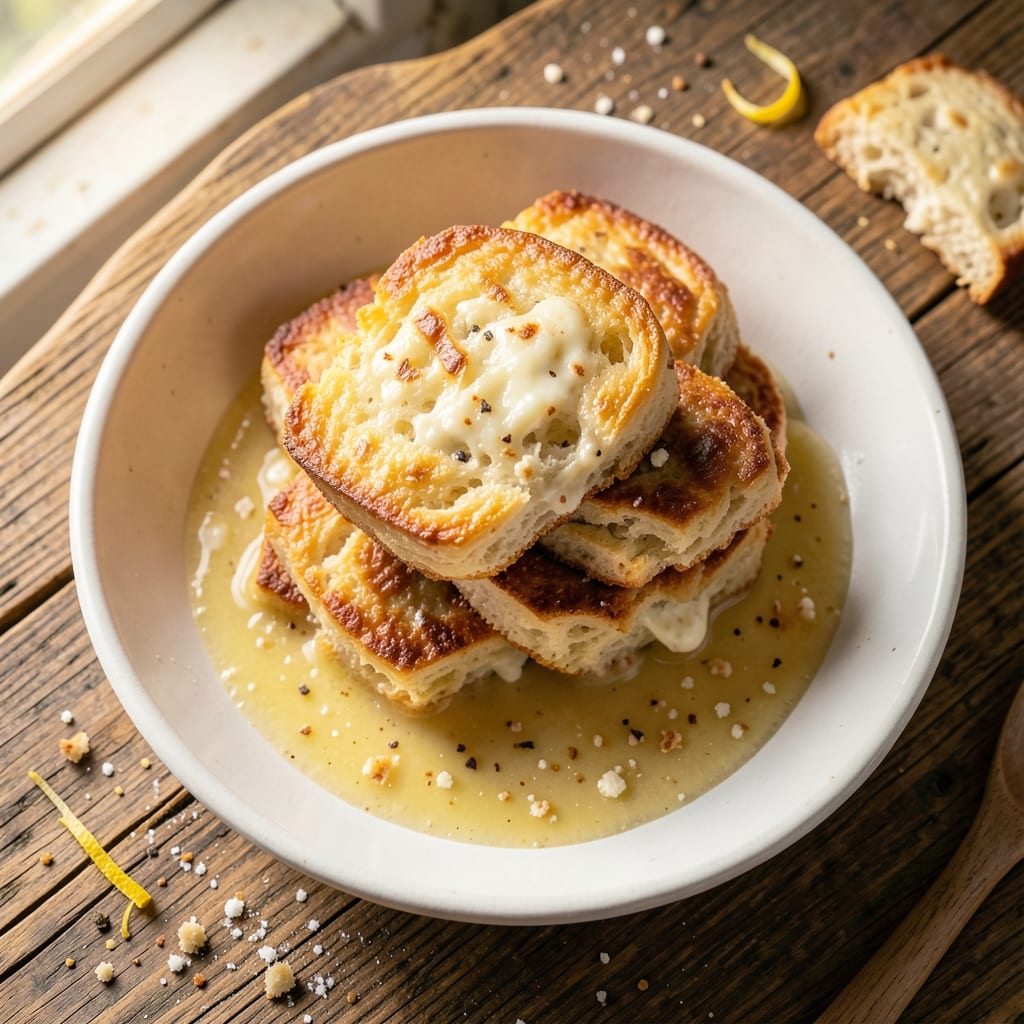
This cottage cheese egg biscuit recipe delivers flaky layers with tangy, creamy hearts—a breakfast game-changer that rivals any bakery-style biscuit. The secret lies in blending cottage cheese with eggs for a tender crumb while maintaining that signature flakiness through proper fat incorporation. I developed this recipe after years of testing, and it consistently produces biscuits with crisp edges and melt-in-your-mouth centers.
The process is straightforward but precise: cold butter cut into flour creates the flaky texture, while the cottage cheese and egg mixture adds moisture and richness without compromising structure. This vegetarian-friendly recipe uses simple pantry staples and delivers results in just 30 minutes of active time, with minimal cleanup. The tangy creaminess from the cottage cheese pairs beautifully with sweet or savory toppings.
By the time these biscuits emerge from the oven, you'll have golden-brown biscuits with perfectly layered flakes and creamy interiors that hold up to butter, honey, or jam. The texture is what makes these stand out—crisp enough on the outside to hold toppings while remaining tender enough to melt in your mouth. This recipe proves you don't need complicated techniques to achieve bakery-quality results at home.
Perfect for weekend brunches, holiday breakfasts, or as a side for savory dishes, these biscuits scale easily to feed a crowd. The versatility of the dough also makes it ideal for experimenting with gluten-free flour blends or adding herbs for a savory twist. Let's get started on creating these crowd-pleasing biscuits that will become a staple in your morning routine.
Ingredients for cottage cheese egg biscuit
Twelve simple ingredients transform into golden, flaky biscuits with creamy cottage cheese centers—perfect for weekend brunches.
| Ingredient | Amount | Notes |
|---|---|---|
| All-Purpose Flour 🌾 | 3 ½ cups | Sifted for lighter texture |
| Cold Unsalted Butter 🧈 | ¾ cup | Cut into small cubes |
| Large Eggs 🥚 | 2 whole | Room temperature for blending |
| Small-Curd Cottage Cheese 🧀 | 1 cup | Full-fat for creaminess |
| Baking Powder 🍞 | 2 tbsp | Diamond Crystal preferred |
| Fine Sea Salt 🧂 | 1 ½ tsp | Adjust to taste |
| Granulated Sugar 🍚 | 1 tbsp | Balances tanginess |
| Whole Milk 🥛 | ½ cup | Warmed slightly for blending |
| Freshly Ground Black Pepper 🌶️ | ¼ tsp | Enhances tangy notes |
| Garlic Powder 🧄 | ½ tsp | Savory option for variation |
| Fresh Basil Leaves 🌿 | ¼ cup | Chopped for savory twist |
The butter is non-negotiable for flakiness—cold cubes cut into flour create those signature layers. Grab European-style butter if you can (like Plugrá or Kerrygold) for richer flavor, but regular unsalted works too. The cottage cheese should be small-curd, full-fat—Kroger's 2% or Organic Valley are reliable choices. Freshness matters here: if the cottage cheese smells tangy or sour, toss it. For the flour, King Arthur or Gold Medal are my go-tos—they handle the fat incorporation better than budget brands. The baking powder? Diamond Crystal is the secret weapon—it's twice as potent as aluminum-free brands, so measure carefully.
No cottage cheese? Plain Greek yogurt works in a pinch (same amount), but the texture will be slightly denser. Running short on butter? Coconut oil chilled works too, though the flavor won't be identical. The basil is optional but adds a lovely herbal note—farmers' market basil has the best flavor, but grocery store containers work if they're fresh. The milk can be any kind, but whole milk gives the best texture. Want to make these ahead? Shape the dough into balls, wrap in plastic, and refrigerate for up to 2 days—they'll be even more flavorful after resting. For a savory version, swap the sugar for an extra teaspoon of garlic powder and add the chopped basil to the dough.
The dough is delicate—handle it gently to avoid tough biscuits. Room temperature ingredients blend easier, so let eggs and milk sit out for 10 minutes before mixing. Shape biscuits quickly to prevent gluten development. For make-ahead convenience, pre-shape the dough, wrap tightly, and freeze for up to 3 months. Bake straight from frozen, adding 2-3 minutes to the cooking time. Leftovers? Store in an airtight container for 3 days at room temperature or freeze for 1 month. Reheat in a 350°F oven for 5-7 minutes to restore crispness—nothing beats warm biscuits straight from the oven with honey or jam.
Why You'll Love This Recipe
- No Mixer Needed: I swear by this recipe when my hands are full. The cottage cheese and cold butter cut into flour—no electric mixer, no overworked arms—just a fork and a few minutes of pressing. Honestly, it’s the kind of recipe that makes me feel like a baking genius without the fuss.
- Secret Creamy Crisp: That crispy golden edge? All the butter. The tender, almost cakey center? The eggs and cottage cheese working their magic. It’s the kind of texture you can’t resist—flaky outside, soft inside—like a biscuit had a personality upgrade.
- Breakfast or Brunch Hero: Serve these warm with scrambled eggs and bacon for a weekend spread, or pack them cold for a picnic. They’re my go-to for lazy mornings or when I need something hearty that doesn’t scream "I spent all day in the kitchen." (Yes, even on a Tuesday night.)
- Pantry Staple Magic: I keep cottage cheese on hand for this exact reason—it’s cheap, lasts forever, and turns into something ridiculous. No weird ingredients, no last-minute grocery runs. Just flour, butter, and a few eggs, and suddenly? You’ve got a crowd-pleaser that costs less than takeout.
Step-by-step instructions for cottage cheese egg biscuits
Here's how to achieve those signature flaky layers and creamy cottage cheese pockets every time.
Cut and Chill the Butter
Place the 0.75 cup cold unsalted butter between two sheets of plastic wrap and use a rolling pin to flatten it into an even ¼-inch thick rectangle. This creates uniform, thin slices that melt beautifully between the biscuit layers.
Cut the butter into 24 equal squares (about ½-inch each). Arrange them in a single layer on a parchment-lined baking sheet and refrigerate for at least 30 minutes until firm. Cold butter is non-negotiable here—it's what creates those signature flaky layers. If you skip this step, you'll end up with tough, dense biscuits instead of light, airy ones.
Mix Wet and Dry Ingredients Separately
In a large mixing bowl, combine the 3.5 cups all-purpose flour, 2 tbsp baking powder, 1.5 tsp fine sea salt, 1 tbsp granulated sugar, 0.5 tsp garlic powder, and 0.25 tsp freshly ground black pepper. Whisk everything together until evenly distributed—this is your dry mixture.
In a separate bowl, whisk together the 2 whole large eggs, 1 cup small-curd cottage cheese, 0.5 cup whole milk, and the 0.25 cup chopped fresh basil leaves. The cottage cheese adds that signature creamy texture, but don't overmix—just combine until smooth. The basil gives a subtle herbal note that balances the richness. This step ensures you won't develop gluten when you combine everything later, which keeps those biscuits tender.
Combine and Form the Dough
Add the wet mixture to the dry ingredients all at once and gently fold together with a spatula or wooden spoon until just combined. The dough will be shaggy and slightly sticky—that's exactly what you want. Overmixing here will make your biscuits tough.
Turn the dough out onto a lightly floured surface and gently pat it into a 1-inch thick rectangle. The goal is to keep the dough as cool as possible to minimize gluten development. Fold the rectangle in half like a book, then fold it in half again. This layering technique helps create those flaky layers when the butter melts.
Cut and Assemble the Biscuits
Using a 2½-inch round biscuit cutter, cut out 12 biscuits from the dough. Place 6 biscuits on a parchment-lined baking sheet, spacing them about 1 inch apart. Place a square of cold butter on top of each biscuit, then cover with another biscuit to create a sandwich. Press down gently to seal the edges—this ensures the butter stays contained during baking.
Repeat with the remaining biscuits and butter squares. The key here is to work quickly but carefully. If the dough gets too warm, the butter will soften and leak out, resulting in flat biscuits instead of tall, flaky ones. Keep everything cold until they hit the oven.
Bake for Golden Perfection
Preheat your oven to 425°F and bake the biscuits for 12-15 minutes until they're golden brown on top. The edges should be set, but the centers should still look slightly soft—they'll firm up as they cool.
Here's the thing about cottage cheese biscuits—they need that high heat to create steam, which helps develop those flaky layers. Don't open the oven door during baking, or you'll lose heat and steam, and your biscuits will turn out dense. When they're done, transfer them to a wire rack to cool for 5 minutes before serving. The creamy cottage cheese pockets will be warm and gooey, while the exterior stays crisp and flaky.
Pro Tips For Making Cottage Cheese Egg Biscuit
- Chill the Dough Properly: I learned this the hard way—skipping the 30-minute fridge rest makes for dense, flat biscuits. Wrap the dough in plastic and let it sit cold while you preheat the oven. The butter needs time to firm up, or your biscuits will spread into pancakes.
- Mash Cottage Cheese Thoroughly: Small-curd cottage cheese is a game-changer, but if you skip mashing it first, you’ll get lumpy texture. Press it through a fine-mesh sieve or use a fork to break it down completely. No one wants a biscuit with surprise cheese pockets.
- Don’t Overwork the Dough: Mix just until the flour is barely incorporated—overmixing develops gluten, and these biscuits need to stay tender. Stop as soon as the dough clumps together; any extra folding or kneading will toughen them up.
- Use a Pastry Cutter, Not Your Hands: Cutting cold butter into flour with a pastry cutter (or two forks) gives you flaky layers without warming the butter. If you rub it in with your fingers, you’ll end up with greasy biscuits that fall apart. This isn’t the prettiest method, but it’s the tastiest.
Make-ahead tips for this recipe
Pre-Shaped Dough
Shape the dough into 12 equal balls (about 2-inch diameter each) and place them on a parchment-lined baking sheet. Cover tightly with plastic wrap and refrigerate for up to 2 days. This resting time enhances flavor and makes the dough easier to handle. When ready to bake, let the dough sit at room temperature for 30 minutes before proceeding. 🥖
Frozen Biscuit Prep
For long-term storage, shape the dough into balls, wrap each in a 1-inch square of parchment paper, then place in a single layer on a baking sheet. Freeze for 1 hour before transferring to a ziplock freezer bag for up to 3 months. Bake straight from frozen by adding 3-4 minutes to the cooking time. No thawing needed!
Baked Biscuit Storage
Cool biscuits completely on a wire rack before storing. Keep them in an airtight container at room temperature for 3 days or freeze for 1 month. To reheat, place in a 350°F oven for 5-7 minutes until crisp again. The cottage cheese stays creamy when reheated properly—this is key for maintaining texture.
Topping Prep Ahead
Make your favorite toppings in advance for a complete make-ahead breakfast. Warm honey or jam in the microwave for 20 seconds before serving, or melt butter in a small saucepan over low heat. Pre-chopped fresh fruit like strawberries or peaches keeps well in the fridge for 3 days—just pat dry before serving.
Batch Baking Tips
Double the recipe and bake in batches for parties. Use two baking sheets and rotate them halfway through baking for even browning. Label each batch with the date—this helps track freshness. I like to bake half the batch fresh and freeze the other half for future breakfasts. The texture holds up beautifully when properly stored. 💫
Nutrition facts
Frequently asked questions
Why does cottage cheese make these biscuits extra creamy?
The cottage cheese adds moisture and fat content that keeps the biscuits tender while creating those signature creamy pockets. The small curds blend into the dough without altering the flaky texture, creating a unique contrast between crispy edges and soft centers. This is what makes them stand out from traditional buttermilk biscuits!
Can I make these biscuits without butter?
Yes, but the texture will change significantly. Use ½ cup chilled coconut oil or 6 tablespoons vegetable shortening instead, but expect slightly denser biscuits. For the best flaky layers, butter is ideal—its fat content creates steam during baking that separates the layers beautifully.
How do I prevent my biscuits from spreading too much?
Keep everything cold! Use cold butter, chill the dough for 15 minutes before cutting, and avoid overworking it. Press down gently when stacking with butter to seal the edges. Also, bake on the middle rack at 425°F—hotter temps help them rise faster without spreading. The cottage cheese helps too by adding weight to the dough.
What's the best way to serve these cottage cheese biscuits?
They're perfect with sweet toppings like warm honey, jam, or fresh berries, but also shine with savory options! Try melted butter and flaky salt, or a sprinkle of everything bagel seasoning. The creamy centers pair beautifully with spicy jams or even a drizzle of maple syrup. For a brunch spread, serve with scrambled eggs or bacon—just don't skip the butter!
Can I make these gluten-free?
Replace the all-purpose flour with a 1:1 gluten-free baking flour blend (like Bob's Red Mill) plus ½ teaspoon xanthan gum. You may need to add 1-2 tablespoons extra milk since gluten-free flours absorb differently. The texture will be slightly denser, but still delicious. The cottage cheese and egg combo actually helps compensate for the lack of gluten structure.