
Breakfast & Brunch
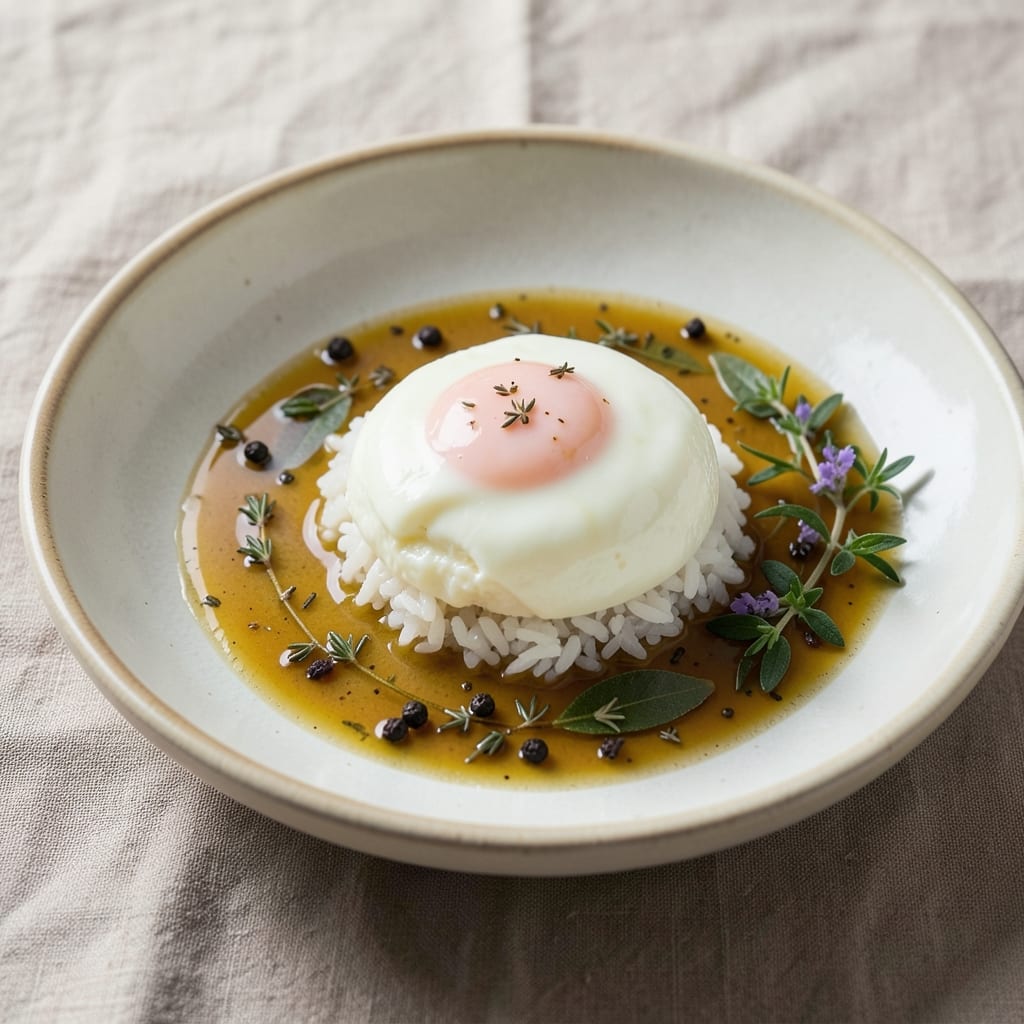
This coddled egg recipe UK delivers the silky, runny yolk perfection that makes every breakfast feel luxurious. The secret lies in gentle simmering—never boiling—where eggs cook slowly in flavorful broth until the whites set just enough to hold their shape while the yolks remain molten. I've perfected this technique after years of trial and error, ensuring the first bite is always worth the wait.
What sets this version apart is the British twist: using chicken or vegetable stock infused with fresh herbs like thyme and bay, plus a touch of white wine for depth. The broth isn't just a cooking medium—it becomes part of the experience, absorbing into the eggs for subtle, savory flavor. Temperature control is critical; too hot and the whites overcook, too cool and the yolks never set properly.
By the time you serve these eggs on toast soldiers or buttered crusty bread, you'll have achieved that restaurant-quality result at home. The contrast between tender whites and liquid gold yolks is pure comfort, while the broth's aroma transforms any breakfast into a special occasion. This is the coddled egg I've been searching for since my first attempt years ago.
For extra indulgence, top with parsley butter or crispy bacon—classic British touches that elevate the dish further. The method is simple but requires patience; the reward is always worth it. Let's get started on creating your perfect coddled eggs.
Ingredients for coddled egg recipe uk
Four eggs, two cups of stock, and a touch of white wine—simple ingredients for British breakfast perfection.
| Ingredient | Amount | Notes |
|---|---|---|
| Large Eggs 🥚 | 4 whole | Fresh, room temperature |
| Chicken Stock 🍲 | 2 cups | Homemade or quality store-bought |
| Vegetable Stock 🥬 | 1 cup | For vegetarian option |
| Dry White Wine 🍷 | ¼ cup | Sauvignon Blanc preferred |
| Fresh Thyme Sprigs 🌿 | 2 whole | Stems removed, leaves only |
| Fresh Bay Leaves 🍃 | 2 whole | Dried works in a pinch |
| Salt 🧂 | ½ tsp | Diamond Crystal preferred |
| Black Peppercorns 🌶️ | 5 whole | Crushed lightly |
| Unsalted Butter 🧈 | 2 tbsp | For finishing |
| Crusty Bread 🍞 | 8 slices | For toast soldiers |
| Fresh Parsley 🌿 | ¼ cup | Chopped, for parsley butter |
| Crispy Bacon 🥓 | 4 slices | Optional garnish |
The stock is where the magic happens. Homemade chicken stock gives the deepest flavor, but Knox or Swanson cubes work in a pinch. For a vegetarian version, vegetable stock from a trusted brand like Imagine keeps it authentic. Fresh thyme and bay leaves are non-negotiable—dried herbs just won't give the same aromatic punch. I always grab extra thyme because half goes into the broth and half gets tucked under the eggs. The white wine should be dry and crisp—Sauvignon Blanc is my go-to, but whatever's open works too. Look for a bottle with good acidity; it balances the richness of the eggs beautifully.
No white wine? Extra chicken stock or water keeps the recipe working—just add a splash of lemon juice for brightness. Fresh herbs missing? Dried thyme at one-third the amount gets you close, but trust me, fresh makes all the difference. The eggs should be room temperature—cold eggs crack when they hit the hot broth. I like to take them out of the fridge 30 minutes before cooking. For the butter, unsalted is key—you control the salt level in the dish. And if you're feeling fancy, swap the parsley butter for a sprinkle of crumbled feta or a drizzle of hot honey for extra British flair.
Broth reheats beautifully—just warm it gently on the stove. The eggs keep 2 days in the fridge if stored properly: cover with a thin layer of broth, then seal tightly. For make-ahead prep, poach the eggs ahead and store them in the broth until ready to serve. The toast soldiers should be lightly buttered and toasted just before serving—crispy on the outside, soft on the inside. If you're prepping for a crowd, double the broth and cook the eggs in batches. They're worth the extra effort—every bite feels like a proper British breakfast.
Why You'll Love This Recipe
- No-Fuss Simmer: I swear by this method—just crack eggs into simmering stock, cover, and let them do their thing. No flipping, no fussing, just hands-off perfection while you chop veg or stir a side.
- Wine-Infused Magic: That splash of dry white wine? It’s the secret weapon—brightens the stock so the eggs absorb that clean, herbal lift from the thyme. The first bite tastes like a pub breakfast but with way less grease.
- Leftovers Reinvented: Make a double batch and save the stock for soups or poach more eggs later. The eggs themselves? Reheat gently in the stock for that same tender, silky texture—no rubbery disappointment here.
- Budget Brunch Hack: Eggs and stock are cheap, but this tastes like a restaurant dish. Honestly, I’ve served it to guests who assumed I’d spent hours on it. (Between us, I had time to read a chapter of a book while it cooked.)
Step-by-step instructions for coddled eggs
Here's how to create the perfect silky yolk with tender whites—just like a classic British pub.
Prepare the Gentle Simmering Broth
Combine the 2 cups chicken stock, 1 cup vegetable stock, 0.25 cup dry white wine, 2 whole fresh thyme sprigs, 2 whole fresh bay leaves, 0.5 teaspoon salt, and 5 whole black peppercorns in a small saucepan. This broth should be just enough to cover the eggs later—don't overfill it.
Place the saucepan over medium-low heat and bring to a gentle simmer, not a rolling boil. You're aiming for tiny bubbles that break the surface occasionally—this keeps the eggs tender rather than scrambled. I like to use a thermometer to confirm the temperature stays between 160-170°F—this is the sweet spot for coddling. If you don't have one, watch for the merest hint of movement at the surface.
Crack the Eggs Directly into the Broth
While the broth simmers gently, carefully crack each of the 4 whole large eggs directly into the liquid. I use my fingers to gently separate the shells—this prevents any broken yolks from clouding the broth. The eggs should float just beneath the surface, with the whites surrounding the yolks completely.
Let the eggs simmer for 3-4 minutes for runny yolks or 4-5 minutes if you prefer slightly firmer yolks. The whites will become opaque but still delicate, while the yolks remain gloriously liquid. Here's the thing—don't stir the eggs once they're in the broth. Any movement can cause the whites to break and turn cloudy.
Finish with Butter and Garnish
Remove the saucepan from heat and let the eggs sit for 1 minute—this helps set the whites slightly. Then stir in the 2 tablespoons unsalted butter until it melts completely. The butter adds richness and helps create that velvety texture we're after. Taste the broth and adjust seasoning if needed, though it should already be perfectly balanced.
Remove the 2 whole fresh thyme sprigs and 2 whole fresh bay leaves before serving. Divide the 8 slices crusty bread among plates and place an egg on each slice. Spoon the warm broth around the eggs, then garnish with 4 slices crispy bacon and a sprinkle of 0.25 cup chopped fresh parsley. The parsley adds a fresh contrast to the rich broth and eggs.
Serve Immediately with Toast Soldiers
Serve the coddled eggs right away while the yolks are still warm and the broth is steaming. The 8 slices crusty bread should be used as "soldiers"—small pieces perfect for dipping into the rich broth. Each bite should deliver that perfect combination of silky yolk, tender white, and flavorful broth.
For an extra touch, I like to place a few crispy bacon slices on top of each egg—this adds a smoky contrast that balances the richness. The eggs should be perfectly formed with a glossy sheen on the whites and a vibrant yolk that's just about to burst when pierced with a fork. Enjoy immediately while everything is at its peak!
Pro Tips For Making Coddled Egg Recipe Uk
- USE A LID, NOT A SEAL: The stock will simmer too hard without one, and you’ll end up with a sad, watery mess instead of a rich, velvety sauce. I learned this the hard way—my first attempt turned into a thin, soupy disaster. Cover the pot loosely (or use a tight-fitting lid with a crack) to let steam escape but keep the liquid at a gentle simmer.
- CHILL THE EGGS FIRST: Room-temperature eggs slide around like greased lightning, and you’ll spend half your time fishing them out of the stock. Pop them in cold water for 10 minutes before cracking—this gives you cleaner whites and a smoother poach. (Yes, even if you’re impatient like me.)
- SALT THE STOCK LIGHTLY: You’re already using wine and thyme, so go easy on the salt—this isn’t a stockpot for soup. Taste the liquid before adding the eggs; if it’s bland now, it’ll taste flat later. Trust me, over-salting ruins the balance, and you’ll be left with a dish that tastes like a pub’s forgotten side order.
- SKIP THE FROTHY WHITE: The whites will foam up like a latte—don’t let them. As soon as they start rising, gently stir them down with a spoon or a chopstick. This keeps the eggs neat and the sauce clear. (I know, it looks weird, but it works.) If you ignore it, you’ll end up with a cloudy, unappetizing center.
Make-ahead tips for this recipe
Broth Prep Ahead
Make your broth the night before—simmer 3 cups stock, ½ cup white wine, and herbs for 10 minutes, then strain and store in an airtight container. This gives flavors time to meld beautifully, and you can reheat it gently on the stove when ready to cook. I always double the batch so I have extra for another meal—broth freezes perfectly for up to 3 months. 💫
Egg Prep Timing
Crack your eggs into a small bowl or ramekins and cover with plastic wrap, pressing it directly onto the surface. Store in the fridge for up to 24 hours before cooking. This keeps them fresh and makes cracking easier—no more shells getting everywhere. When you're ready to cook, simply transfer them directly into the simmering broth. 🥚
Toast Soldiers Prep
Toast your bread slices ahead of time and store in an airtight container at room temperature for up to 2 days. Reheat in a 350°F oven for 3-5 minutes just before serving to restore crispiness. For extra flair, brush with melted butter and sprinkle with flaky sea salt while warm. I like to prep these first thing in the morning so they're ready when the eggs are done. 🍞
Butter & Garnish Prep
Mix your parsley butter ahead by combining 2 tbsp softened butter with ¼ cup chopped parsley and a pinch of salt. Roll into a log and wrap tightly in plastic wrap, then chill for up to 2 days. For the bacon, cook it fully ahead and store in a 200°F oven until serving to keep it crispy. Slice the parsley butter into rounds and place on top of each egg just before serving. ✨
Full Meal Assembly
For a complete make-ahead meal, prepare everything except the final assembly. Store the cooked eggs in their broth in the fridge for up to 2 days, then reheat the broth gently on the stove. Assemble plates just before serving by placing eggs on toast soldiers, spooning warm broth around, and adding garnishes. This keeps everything fresh-tasting and restaurant-quality. 💪
Nutrition facts
Frequently asked questions
Why do coddled eggs need such gentle heat?
Too much heat turns eggs rubbery! The 160-170°F simmer keeps whites tender while yolks stay runny. Think of it like a bath—too hot and they scramble, too cool and they never set. A thermometer helps, but watch for tiny bubbles breaking the surface. Patience is key for that perfect texture.
Can I use cold eggs from the fridge?
No—cold eggs crack when they hit hot broth! Let them sit at room temperature for 30 minutes first. This also helps them cook more evenly. I like to crack them into a bowl first to check for cracks before adding to the broth. Cold eggs are a common mistake that ruins the presentation.
What's the best UK bread for toast soldiers?
Go for crusty sourdough or brown bread—they hold up best when dipped. Toast slices until golden, then brush with melted butter. For extra flair, sprinkle with flaky salt. Avoid soft white bread; it turns soggy too quickly. The right bread makes all the difference!
How do I fix overcooked whites?
If whites turn cloudy or rubbery, it's too late—but you can still salvage the yolks! Remove the eggs carefully and serve them in a small ramekin with extra broth. Focus on getting the timing right next time: 3-4 minutes for runny yolks is ideal. Overcooking is the most common mistake with coddled eggs.
Can I make these vegetarian?
Swap chicken stock for vegetable stock and add mushroom or vegetable broth for depth. Skip the bacon and use crispy fried onions or toasted pumpkin seeds as garnish. The technique stays exactly the same—just the flavors change.