
Breakfast & Brunch
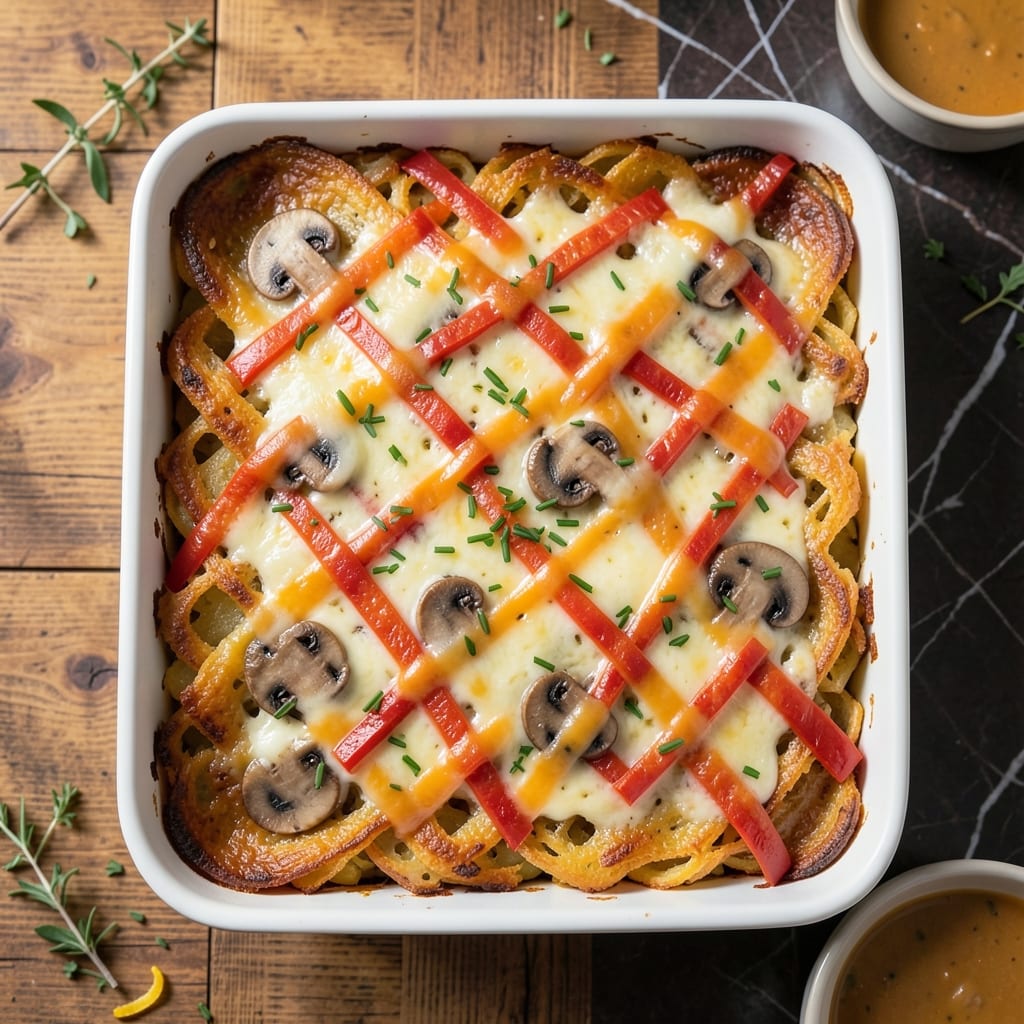
This classic egg casserole recipe delivers a foolproof, one-pan breakfast that transforms simple ingredients into a hearty meal perfect for feeding a crowd. The beauty of this dish lies in its simplicity—just eggs, cheese, and your choice of fillings baked together until golden and bubbly. I've perfected this recipe over years of weekend brunches, where it consistently earns rave reviews for its rich, creamy texture and satisfying depth of flavor.
The secret to success begins with proper layering—starting with a crispy hash brown base, followed by a mix of vegetables, proteins, and seasoned eggs. This method ensures every bite delivers crispy edges and tender, custardy centers, while the melted cheese ties everything together into a cohesive, restaurant-quality dish. Unlike fussy recipes that require precise timing, this casserole forgives minor variations while delivering consistent results every time.
What makes this recipe truly special is its versatility—it's equally at home as a weekend brunch centerpiece or a quick weekday dinner solution. The 30-minute prep and 25-minute bake time mean you'll have a steaming hot meal on the table without the usual breakfast chaos. Whether you're feeding a family or hosting guests, this dish delivers satisfying portions that disappear quickly.
Pair it with fresh fruit, a simple green salad, or warm toast to round out the meal. The beauty of this classic egg casserole is that it becomes even better the next day, making it perfect for meal prep. Here's everything you need to create this breakfast staple that never fails to impress.
Ingredients for classic egg casserole
Twelve core ingredients create this restaurant-quality breakfast that feeds eight.
| Ingredient | Amount | Notes |
|---|---|---|
| Large Eggs 🥚 | 12 whole | Room temperature for even baking |
| Sharp Cheddar Cheese 🧀 | 2 cups | Shredded, 2-year aged preferred |
| Heavy Cream 🥛 | 1 cup | Full-fat for rich texture |
| Frozen Hash Brown Patatoes 🥔 | 1 lb | Thawed, 1/4-inch thick slices |
| Fresh Mushrooms 🍄 | 1 lb | Sliced, cremini or white |
| Bell Peppers 🌶️ | 2 whole | Assorted colors, diced |
| Red Onion 🧅 | 1 whole | Thinly sliced, white or yellow |
| Garlic Cloves 🧄 | 4 cloves | Minced, peeled |
| Fresh Spinach 🌿 | 5 oz | Chopped, loosely packed |
| Salt 🧂 | 1 ½ tsp | Diamond Crystal kosher |
| Ground Black Pepper 🌶️ | 1 tsp | Freshly cracked |
| Dried Thyme 🌿 | ½ tsp | Or 1 tsp fresh chopped |
| Unsalted Butter 🧈 | 2 tbsp | Melted, for crispy base |
The cheese selection elevates this dish from good to exceptional. Two-year aged cheddar delivers that sharp, tangy depth that melts beautifully, but Monterey Jack or Gruyère work equally well if you prefer milder profiles. For the hash browns, Ore-Ida Golden Crinkles from the frozen section provide that perfect crispy texture—no need for fresh potatoes here. The mushrooms should be firm and dry, not slimy, and cremini or white varieties hold their shape best during baking. Fresh spinach wilts dramatically, so chop it last and fold it into the egg mixture just before baking to preserve its vibrant color.
No sharp cheddar? Pepper Jack or smoked Gouda add distinct flavors that still work beautifully. Short on mushrooms? Zucchini or asparagus in 1/2-inch slices hold up well and add a different texture. The bell peppers can be swapped for broccoli florets or roasted cherry tomatoes if you prefer. For a vegetarian twist, replace the heavy cream with Greek yogurt or coconut milk—just reduce the eggs by two to maintain proper texture. The garlic and thyme are non-negotiable for flavor, but if you're sensitive to strong aromatics, reduce the thyme to 1/4 tsp and use just two garlic cloves.
This casserole reheats beautifully—4-5 days in the fridge or 3 months frozen with perfect texture recovery. For meal prep, assemble the entire casserole (except the top cheese layer) and refrigerate overnight for deeper flavor development. When reheating, cover with foil for the first 10 minutes to prevent over-browning. The crispy hash brown base stays crunchy even after reheating, making this an ideal make-ahead option for busy mornings. Portion into individual servings before freezing for quick grab-and-bake breakfasts.
Why You'll Love This Recipe
- One-Pan Magic: I swear by this when I’m too tired to scrub pots—just toss in the hash browns (no thawing!), mushrooms, and pre-shredded cheese, then pour the egg-cream mix over it. The oven does all the work while I sip coffee.
- Cheese Pulls No Punches: That sharp cheddar? It’s the star—melty, salty, and clinging to every crispy hash brown edge. The heavy cream makes it rich but never heavy, and the mushrooms add earthy depth without overpowering.
- Meal Prep MVP: Make a double batch on Sunday, and you’ve got breakfast for the week. Reheats like a dream—just pop it back in the oven or microwave for a hearty, no-fuss meal when mornings get chaotic.
- Budget Breakfast Win: Eggs, frozen potatoes, and mushrooms stretch into a filling dish for four (or leftovers for two more). No fancy ingredients, no waste—just reliable, satisfying comfort food that won’t break the bank.
Step-by-step instructions for classic egg casserole
A one-pan breakfast that delivers hearty, restaurant-quality results with minimal effort.
Prepare the Potato and Vegetable Base
Preheat your oven to 375°F and grease a 9x13-inch baking dish with cooking spray or a thin layer of the 2 tbsp unsalted butter. Spread the 1 lb frozen hash brown potatoes evenly across the bottom, creating a single layer. The potatoes should fit snugly without overlapping.
In a large skillet, melt the remaining 2 tbsp unsalted butter over medium heat. Add the 1 lb fresh mushrooms, 2 whole bell peppers (diced), and 1 whole red onion (thinly sliced). Sauté for 8-10 minutes until the vegetables soften and release their moisture, stirring occasionally. Season with 0.5 tsp dried thyme and 1 tsp ground black pepper.
Transfer the sautéed vegetables to the baking dish, spreading them evenly over the potatoes. Sprinkle with 1.5 tsp salt and 0.25 tsp dried thyme to enhance the flavors. The vegetables should form a second layer, creating a firm foundation for the egg mixture.
Create the Egg and Cheese Mixture
In a large bowl, whisk together the 12 whole large eggs (room temperature) and 1 cup heavy cream until fully combined. The mixture should be smooth with no visible streaks of egg white. Add the 2 cups sharp cheddar cheese (shredded) and whisk until evenly distributed.
Season the egg mixture with the remaining 0.25 tsp dried thyme and 0.5 tsp ground black pepper. Stir in the 5 oz fresh spinach (chopped) and 4 cloves garlic cloves (minced) until the spinach wilts slightly and the garlic is evenly dispersed. This step ensures the spinach doesn't overcook in the oven later.
Pour the egg mixture evenly over the potato and vegetable layers in the baking dish. Use a spatula to gently spread it out, ensuring it reaches all edges. The dish should be filled to about ¾ capacity—this prevents overflow during baking.
Bake Until Set and Golden
Place the baking dish on the middle rack of your preheated oven and bake for 35-40 minutes. The casserole is done when the top is set and lightly golden, and a knife inserted near the center comes out clean. Avoid overbaking, as this can make the eggs rubbery.
About 10 minutes before the casserole is fully baked, broil it on high heat for 2-3 minutes to achieve a golden-brown crust. Watch closely to prevent burning—this is the moment that matters for that restaurant-quality finish. Remove from the oven and let it rest for 5 minutes before serving.
Use a sharp knife or spatula to cut the casserole into 8 equal squares (for 8 servings). The edges should hold together neatly, and each portion should be rich, creamy, and packed with flavor. Serve immediately while still warm for the best texture and taste.
Pro Tips For Making Classic Egg Casserole
- PREHEAT THE PAN FIRST: Frozen hash browns straight from the fridge will steam instead of crisp. Toss them in the oven for 10 minutes at 400°F before mixing with other ingredients—this jumpstarts the browning and saves you from soggy bottoms later.
- SALT THE HEAVY CREAM: That creamy base tastes flat if you skip this. Stir in ½ teaspoon of salt with the heavy cream and eggs—it balances the richness and makes the whole dish taste more cohesive, not just cheesy.
- DON’T OVERMIX THE EGGS: Whisk the eggs and cream just until combined, then fold in the mushrooms and cheese. Overworking them turns the casserole into scrambled eggs. A few streaks of white are fine—it keeps the texture light and fluffy.
- BAKE UNTIL THE CENTER JIGGLES: The classic test is a slight wobble when you shake the pan. Pull it out at 350°F when the edges are golden but the middle still moves—it’ll finish cooking while resting. Overbaking dries out the hash browns and makes the eggs rubbery.
Make-ahead tips for this dish
Overnight Prep Advantage
Assemble the entire casserole—except the top cheese layer—up to 24 hours ahead. Store it uncovered in the fridge to develop deeper flavors through the night. The next morning, simply add the cheese, bake as directed, and enjoy that restaurant-quality depth without extra effort. I always do this for weekend brunches—it cuts my morning stress by 30 minutes while making the dish taste even more luxurious. 💫
Freezer-Friendly Strategy
For long-term prep, bake the casserole completely, then cool it to room temperature. Wrap it tightly in plastic wrap followed by aluminum foil to prevent freezer burn. Label with the date and store for up to 3 months. When ready to serve, thaw overnight in the fridge, then reheat covered at 350°F for 20-25 minutes—the hash browns stay crispy, and the eggs remain creamy. This is my go-to for busy weekdays when I need a quick breakfast solution. ❄️
Portion Control Secrets
Divide the fully baked casserole into individual 9x9-inch baking dishes before freezing. This lets you reheat just what you need without thawing the whole dish. For single servings, bake at 350°F for 15-20 minutes—the edges will crisp up beautifully. I keep these in glass Pyrex dishes because they reheat more evenly than plastic. Perfect for meal prep Sundays when you want variety. 🍽️
Cheese Layering Hack
Sprinkle half the cheese on top before baking, then add the remaining cheese during the final 5 minutes of broiling. This creates a double-melted effect—the bottom layer melts into the eggs for creaminess, while the top stays gooey and golden. For extra indulgence, mix in ½ cup breadcrumbs with the top cheese to create a crispy crust. Trust me, this small tweak makes the dish feel restaurant-worthy. 🧀
Reheating Perfection
Use the oven for best results—cover with foil and reheat at 350°F for 15-20 minutes. The foil traps moisture, preventing the top from drying out. For microwave reheating, cover with a damp paper towel and heat in 1-minute intervals at 50% power until 165°F internally. Add a splash of milk or cream if it looks dry. This method keeps the hash browns crispy and the eggs tender. 🔥
Flavor Boost Before Baking
Before adding the egg mixture, sprinkle the potato-vegetable layer with ½ tsp smoked paprika and ¼ tsp onion powder. These spices infuse into the base while baking, adding depth without overpowering. I also like to add 1 tbsp grated Parmesan to the egg mixture—it enhances the umami flavor. These small additions take your casserole from good to exceptional with minimal effort. 🌶️
Nutrition facts
Frequently asked questions
Can I make this egg casserole without hash browns?
Swap hash browns for diced potatoes (baked at 400°F for 20 minutes first) or crispy bacon for a meaty base. For a vegetarian option, use toasted breadcrumbs mixed with olive oil for texture. The key is creating a sturdy foundation that won't get soggy during baking.
How do I prevent the casserole from getting rubbery?
Overbaking is the main culprit! Remove it when the center is just set (35-40 minutes at 375°F) and a knife comes out clean. Let it rest 5 minutes before serving—this helps redistribute moisture. Also, avoid opening the oven door too early, as temperature fluctuations can make eggs tough.
What's the best way to add protein?
For extra protein, fold in ½ lb cooked sausage or diced ham with the vegetables, or layer chicken sausage on top before baking. If using raw meat, cook it thoroughly first. For vegetarian options, add white beans or crumbled feta—both add substance without overpowering the egg flavor.
Can I use egg substitutes?
Yes, but texture may change. Replace eggs with 1½ cups unsweetened applesauce or 1½ cups silken tofu (blended) for a vegan version. For a lighter option, use 1 cup egg whites + 2 tbsp cornstarch. The casserole will be less rich but still delicious—just expect a slightly different mouthfeel.
Why did my casserole get watery?
This usually happens from too much liquid (over-mixing eggs or adding wet ingredients like un-drained spinach). Measure carefully and use room-temperature eggs—they blend better. If it happens, bake uncovered for 5-10 extra minutes or broil briefly to evaporate excess moisture. For next time, reduce heavy cream to ½ cup if needed.