
Breakfast & Brunch
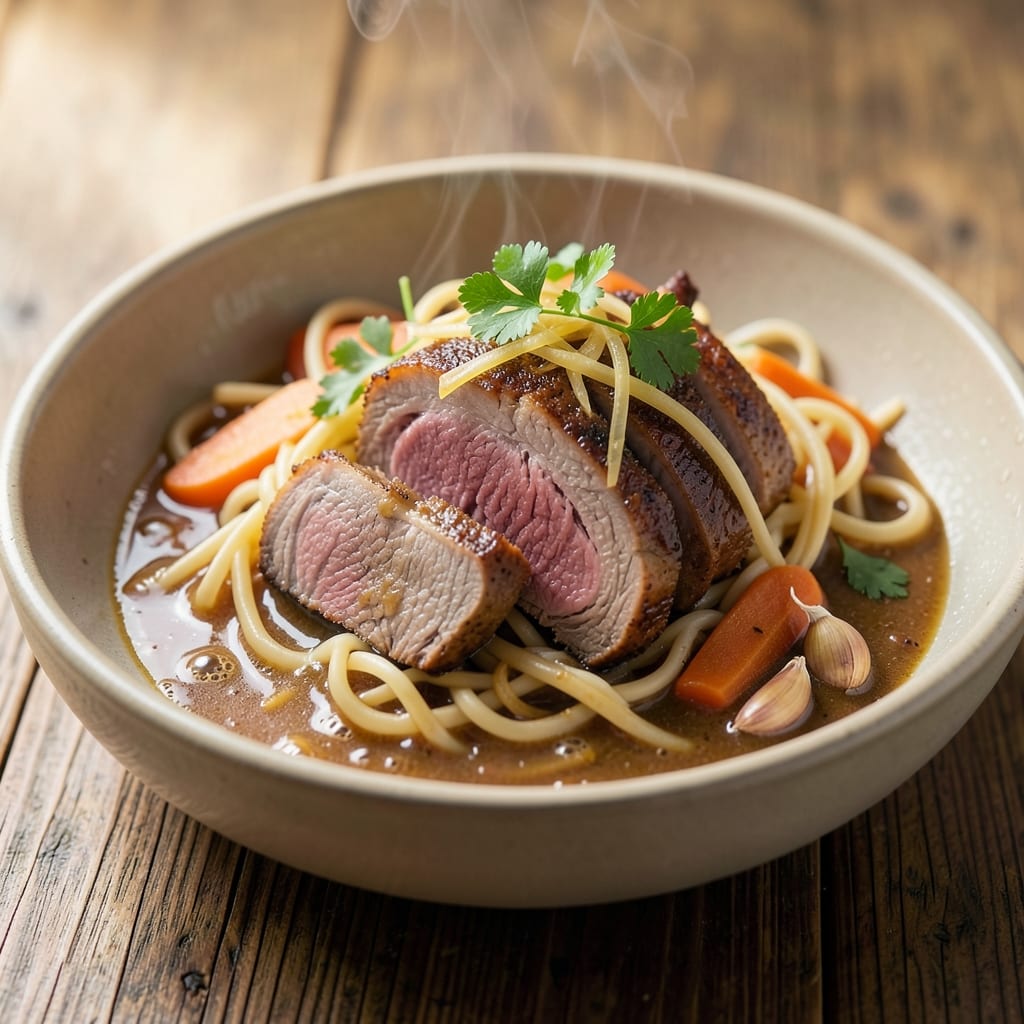
This chuck roast and egg noodles recipe transforms tough beef into fork-tender perfection paired with silky noodles—ideal for hearty breakfasts or satisfying weeknight dinners. The slow-braising process unlocks deep, savory flavors while keeping the meat incredibly tender, while the egg noodles soak up every bit of rich broth. I developed this after realizing how versatile chuck roast could be beyond traditional roasts, and the results consistently impress even picky eaters.
The secret lies in the braising technique—searing the beef first creates a flavorful crust, while slow cooking in a flavorful broth breaks down the connective tissue into melt-in-your-mouth tenderness. Egg noodles absorb the aromatic broth beautifully, turning this into a complete, one-pan meal that requires minimal effort after the initial prep. This method ensures you'll never waste another chuck roast again, as it delivers restaurant-quality results at home.
What makes this dish truly special is how the flavors develop over time. The beef becomes so tender it practically falls apart with a fork, while the noodles remain al dente and silky. The aromatic broth, infused with garlic, onions, and herbs, creates a rich sauce that coats every bite. This recipe is perfect for feeding a crowd or meal prepping for the week, as it reheats beautifully while maintaining its rich, savory profile.
Whether you're serving it as a comforting breakfast or a satisfying dinner, this chuck roast and egg noodles dish delivers on both flavor and convenience. The combination of tender beef and silky noodles creates a harmonious balance that's hard to resist. Let's get started on creating this hearty, flavorful meal that's sure to become a family favorite.
Ingredients for chuck roast and egg noodles
Pantry staples plus a few key ingredients for restaurant-quality braised beef and silky noodles.
| Ingredient | Amount | Notes |
|---|---|---|
| Chuck Roast 🥩 | 2 ½ lb | Bone-in preferred for flavor |
| Egg Noodles 🍜 | 12 oz | Fresh or dried, any width |
| Yellow Onion 🧅 | 1 whole | Medium size, diced |
| Garlic Cloves 🧄 | 4 cloves | Fresh, minced |
| Carrots 🥕 | 2 medium | Peeled, sliced into rounds |
| Beef Broth 💧 | 2 cups | Low-sodium preferred |
| Tomato Paste 🍅 | 2 tbsp | Smooth, not chunky |
| Dried Thyme 🌿 | 1 tsp | Or 1 tbsp fresh |
| Bay Leaves 🌿 | 2 whole | Remove before serving |
| Black Peppercorns 🌶️ | ½ tsp | Freshly cracked |
| Salt 🧂 | 1 ½ tsp | Kosher or sea salt |
| Olive Oil 🫒 | 2 tbsp | For searing |
| Whole Milk 🥛 | ½ cup | For finishing, optional |
| Fresh Parsley 🌿 | ¼ cup | Chopped, for garnish |
The chuck roast is the star—look for good marbling at Costco or your butcher shop. Bone-in adds flavor, but boneless works too. I always grab a 2.5-pound roast because it's perfect for four servings with leftovers. The egg noodles? Any brand works, but fresh ones cook faster. For the broth, low-sodium is key unless you're adding extra salt later. The carrots can be baby carrots if that's what's in the fridge—no need to peel them if they're organic.
No beef broth? Vegetable broth plus 1 tbsp soy sauce works in a pinch. Fresh thyme is ideal, but dried at half the amount gets you close. The tomato paste can be the squeeze tubes from Trader Joe's—they're perfect for small amounts. For extra richness, stir in 1 tbsp of Worcestershire sauce (check for vegetarian version if needed). The milk at the end? That's optional but adds a silky finish—skip it if you're watching dairy.
This reheats beautifully—honestly tastes better the next day once everything melds. Keeps 4-5 days in the fridge, freezes for 3 months. I double the recipe and portion it into containers so lunches are sorted for the week. The noodles will get mushy if you reheat them dry, so add a splash of broth when warming up.
Why You'll Love This Recipe
- One-Pot Magic: I swear by this recipe when I’m too tired to wash pots—just brown the chuck roast, toss in onions, carrots, and garlic, then dump in the noodles. The roast cooks right in the broth, so you end up with tender meat and al dente noodles in one pot. (Yes, even on a Tuesday night.)
- Deep, Savory Richness: That chuck roast? It turns ridiculously tender when slow-cooked, falling apart with just a fork. The carrots caramelize into sweet little bites, and the garlic? Oh, it’s there—warm, fragrant, and layered into every noodle. Honestly, it’s the kind of dish that makes me pause mid-bite just to appreciate it.
- Weeknight Crowd-Pleaser: I make this when friends drop by unannounced or when my family’s starving after soccer practice. It’s hearty enough for grown-ups but simple enough that even picky eaters (looking at you, my 10-year-old) will go back for seconds. Plus, the leftovers? Just as good reheated the next day.
- Budget-Friendly Feast: Chuck roast is one of the most affordable cuts that still feels luxurious, and egg noodles stretch a long way. Between us, this recipe feeds four for under $15—and I’ve made it stretch to six when I’m pinching pennies. It’s my go-to when I need a filling, satisfying meal without breaking the bank.
Step-by-step instructions for chuck roast and egg noodles
Here's how to transform tough chuck roast into tender, flavorful beef with silky noodles.
🍳 Step 1: Sear the Chuck Roast Until Deeply Browned
Pat the 2.5 lb chuck roast completely dry with paper towels—this helps create that perfect crust. Heat 2 tablespoons olive oil in a heavy Dutch oven over medium-high heat until shimmering. Place the roast in the pot, fat-side down, and let it sear undisturbed for 8-10 minutes until a deep, golden-brown crust forms.
Flip the roast and sear the other side for another 6-8 minutes. The goal here is to develop maximum flavor through the Maillard reaction. If the pan gets too crowded, work in batches—just be sure to keep the oil hot. Once browned, remove the roast and set it aside on a plate.
👨🍳 Step 2: Build the Flavor-Packed Base
In the same Dutch oven, add 1 whole yellow onion (diced) and 2 medium carrots (sliced into rounds). Cook for 5 minutes until the onions soften and begin to caramelize. Add 4 cloves garlic cloves (minced) and cook for another 30 seconds until fragrant—don't let it burn.
Stir in 2 tablespoons tomato paste and cook for 1 minute to toast it slightly. This step deepens the umami flavor that will infuse the beef. Sprinkle in 1.5 teaspoons salt, 0.5 teaspoon black peppercorns, and 1 teaspoon dried thyme, stirring to combine. Add 2 whole bay leaves and pour in 2 cups beef broth, scraping up any browned bits from the bottom of the pot.
🔥 Step 3: Braise the Roast Low and Slow
Return the roast to the Dutch oven, spooning some of the liquid over the top to help it cook evenly. Bring the liquid to a gentle simmer, then reduce heat to low. Cover the pot and let it cook for 2.5-3 hours until the beef is fork-tender. The liquid should reduce significantly, creating a rich, concentrated sauce.
Here's the thing—don't peek or stir during this time. Every time you lift the lid, you lose heat and moisture. Instead, trust the process. The beef is done when it easily pulls apart with a fork and the internal temperature reaches 200-205°F. If it's not quite there, add a splash of water or broth and continue cooking.
🍲 Step 4: Cook the Noodles and Finish the Sauce
While the beef rests, cook 12 oz egg noodles in salted boiling water according to package instructions until al dente. Reserve 1 cup of pasta water before draining. Add the drained noodles to the Dutch oven with the beef and its braising liquid. Stir gently to combine, adding reserved pasta water as needed to loosen the sauce.
For extra richness, stir in 0.5 cup whole milk and simmer for 2-3 minutes. The milk helps create a silky, velvety texture that balances the hearty beef. Taste and adjust seasoning—you might need a bit more salt or pepper to complement the flavors.
🥘 Step 5: Serve with Fresh Herbs
Remove the 2 whole bay leaves from the pot and discard them. Spoon the beef and noodles onto serving plates, garnishing each portion with 0.25 cup chopped fresh parsley. The parsley adds a bright, fresh contrast to the rich, savory flavors.
This dish tastes even better the next day as the flavors continue to meld. Serve with crusty bread to soak up the delicious sauce, and don't forget a green salad to balance the richness. Each bite delivers tender beef, silky noodles, and a sauce packed with deep, comforting flavors.
Pro Tips For Making Chuck Roast And Egg Noodles
- Sear the Roast First: Chuck roast needs that dark, flavor-packed crust to hold up through hours of cooking. Hit it with high heat—375°F or hotter—until deep brown spots form. I used to skip this, thinking it’d dry out later, but that crust is what keeps the meat juicy and stops it from turning bland.
- Slice Carrots Lengthwise: Thin, even slices cook faster and stay tender without turning to mush. Cut them about ⅛-inch thick, then stack them like poker chips before adding to the pot—this keeps them neat and prevents overcrowding. Yes, it looks fussy, but they’ll actually caramelize instead of boiling into oblivion.
- Salt the Noodles After Cooking: Egg noodles absorb salt like sponges, so toss them with a pinch of salt after draining and rinsing. This keeps them from getting mushy while adding just enough flavor to balance the rich roast. I learned this the hard way when my noodles turned into a gluey mess.
- Deglaze with Beer or Broth: After browning the meat, don’t just splash in water—use ½ cup of beer (like a pale ale) or rich beef broth. It pulls up all those stuck-on bits and adds depth without making the dish taste like you’re drinking the cooking liquid. (And yes, even a cheap beer works—just don’t skimp on the broth.)
Flavor customization for this chuck roast and egg noodles
Spicy Kick Variation
Add 1-2 tablespoons of gochujang (Korean chili paste) or 1 teaspoon of cayenne pepper when building the base for a fiery twist. For depth, include 1 tablespoon of fish sauce or soy sauce to balance the heat. The slow braise lets the spices meld beautifully into the beef, making every bite flavorful and warm. 🌶️
Herb-Infused Twist
Swap the thyme for 1 teaspoon of rosemary and 1 teaspoon of smoked paprika for a Mediterranean-inspired flavor. Add 1 sprig of fresh rosemary during the braising process and remove it before serving. The smoky, earthy notes pair perfectly with the rich beef and silky noodles.
Creamy Mushroom Addition
Sauté 8 oz sliced mushrooms with the onions and carrots for an extra umami boost. After braising, stir in ¼ cup heavy cream or ½ cup milk to create a luxurious, velvety sauce. The mushrooms add a meaty texture that complements the beef beautifully, while the cream rounds out the dish.
Sweet and Tangy Glaze
Deglaze the Dutch oven with ¼ cup apple cider vinegar after searing the beef. Stir in 2 tablespoons of brown sugar or honey during the braising process to create a sweet-tangy glaze. This variation adds complexity and balances the savory beef with a subtle sweetness that’s irresistible.
Garlic Butter Noodles
Cook the egg noodles in 1 tablespoon butter and 3 minced garlic cloves after draining to infuse them with extra flavor. Toss them with the beef and sauce, then finish with a sprinkle of grated Parmesan cheese. This elevates the noodles from simple to extraordinary, making every bite richer and more aromatic.
Umami Bomb Boost
Add 1 tablespoon of Worcestershire sauce or 1 teaspoon of miso paste to the braising liquid for an extra layer of umami depth. For a vegetarian-friendly option, use 1 tablespoon of soy sauce instead. These ingredients enhance the natural flavors of the beef and create a more complex, savory profile that’s hard to resist. 💫
Nutrition facts
Frequently asked questions
Can I use a different cut of beef instead of chuck roast?
You can try chuck shoulder or bottom round, but chuck roast is ideal because its fat content creates the most tender, flavorful results. For a leaner option, top round works but may need extra time to become fork-tender. Avoid cuts like sirloin—they're too lean and won't develop the same rich texture.
How do I know when the beef is fully tender?
The beef is done when it easily pulls apart with a fork and reaches an internal temperature of 200-205°F. If it's not quite there, add a splash of water or broth and continue cooking. The meat should feel soft and almost jelly-like when pressed with tongs—this means all the connective tissue has broken down.
Can I make this recipe in a slow cooker?
Sear the roast first, then transfer it to your slow cooker with all the braising ingredients. Cook on low for 8-10 hours or high for 5-6 hours. The slow cooker's gentle heat works perfectly for tenderizing the beef. Just add the noodles during the last 30 minutes of cooking to prevent them from getting mushy.
Why did my noodles turn mushy?
Noodles absorb liquid quickly, so they're best added to the pot during the last 15-20 minutes of cooking. If they're already cooked, stir them in just before serving. For extra insurance, use fresh egg noodles (they hold up better than dried) or drain them well before adding to the pot.
Can I prep this ahead of time?
This dish actually tastes better the next day! Cook the beef completely, then refrigerate it with the braising liquid. When ready to serve, reheat gently in a pot with the noodles added during the last 10 minutes. Add a splash of water or broth if the sauce is too thick. It reheats beautifully and keeps for 4-5 days in the fridge.