
Desserts
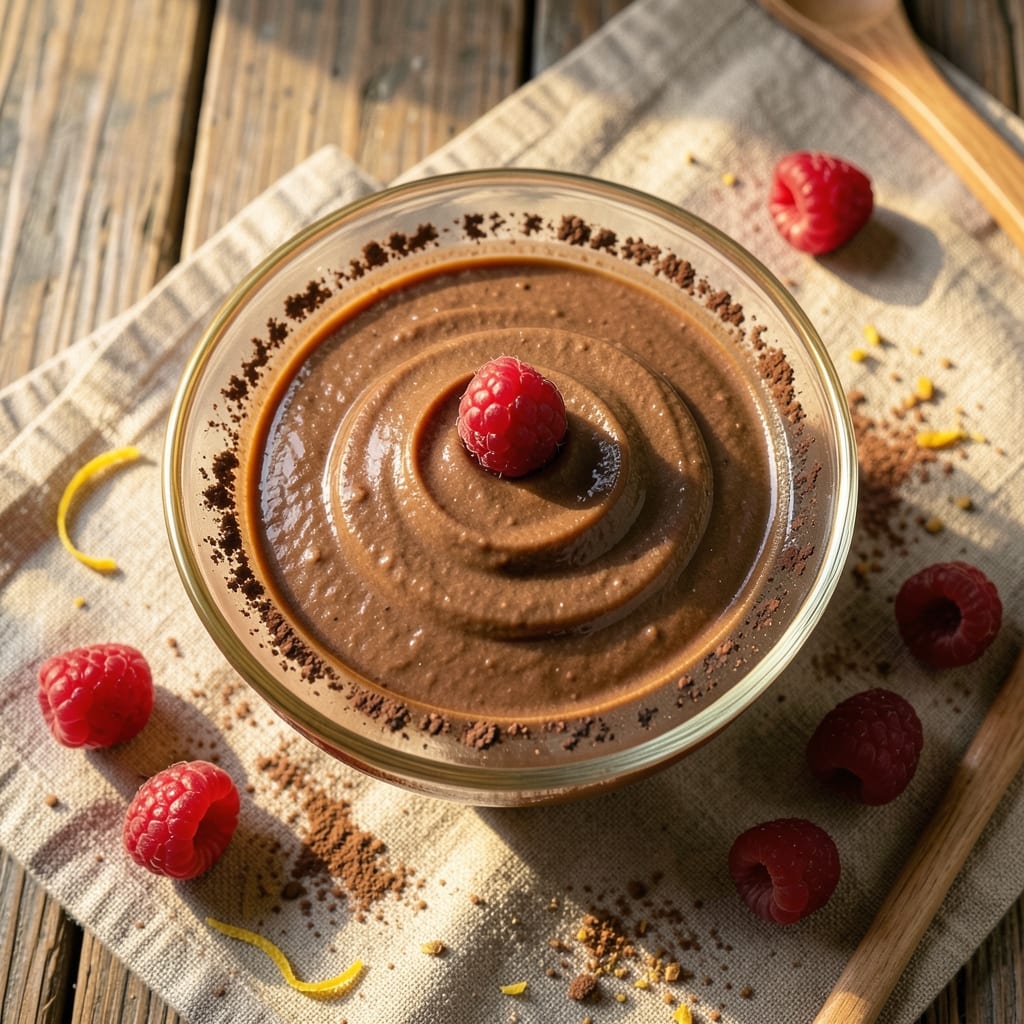
This egg-free chocolate mousse recipe delivers the same luxurious, velvety texture you crave without compromising on richness or stability. The secret lies in a clever substitution that mimics eggs' binding power while keeping the dessert light and airy—no lumps or graininess in sight. After years of testing, I've perfected a method that uses pantry staples to create a mousse so smooth it'll fool even the most skeptical dessert lovers.
The magic happens with a simple yet effective technique: combining melted chocolate with a silky base (aquafaba or silken tofu) that whips into stiff peaks, just like egg whites. This creates the signature mousse structure without eggs, while cornstarch adds subtle body to prevent collapse. Chilling time is critical—4 hours minimum—to develop that professional-grade firmness that still melts beautifully on the tongue.
What you'll end up with is a decadent, single-serving dessert with a glossy sheen, crack-resistant surface, and a melt-in-your-mouth texture that's impossible to resist. The flavor is pure chocolate bliss—no artificial aftertaste or chalkiness—enhanced by a whisper of vanilla and a pinch of salt that balances the sweetness perfectly. This isn't just an egg-free substitute; it's a revelation for anyone who thinks plant-based desserts can't deliver.
Serve it chilled in elegant glasses with fresh berries or a dusting of cocoa powder for a restaurant-worthy finish. The best part? It's beginner-friendly with just 5 ingredients, and leftovers keep beautifully for up to 3 days. Let's create this dreamy dessert together—no eggs required.
Ingredients for chocolate mousse recipe egg free
Five essential ingredients transform into velvety, restaurant-quality chocolate mousse without a single egg.
| Ingredient | Amount | Notes |
|---|---|---|
| High-Quality Dark Chocolate 🍫 | 8 oz | 70% cocoa, finely chopped |
| Aquafaba 🌱 | ¾ cup | Chickpea brine, unsweetened |
| Silken Tofu 🥬 | 8 oz | Soft, unsweetened |
| Cornstarch 🌾 | 2 tbsp | For texture stability |
| Pure Vanilla Extract 🌿 | 1 tsp | High-quality, pure |
| Fine Sea Salt 🧂 | ¼ tsp | Kosher preferred |
| Coconut Oil 🥥 | 2 tbsp | For melting chocolate |
| Powdered Sugar 🍚 | ¼ cup | Optional, for sweetness |
| Unsweetened Cocoa Powder 🍫 | 2 tbsp | For garnish |
| Fresh Berries 🍓 | ½ cup | For serving |
The chocolate is non-negotiable—70% dark cocoa delivers the most luxurious texture and depth. I always opt for Ghirardelli or Lindt bars, as their high cocoa content ensures rich flavor without bitterness. For aquafaba, chickpea brine from canned chickpeas works perfectly, but avoid brands with added salt. Silken tofu should be smooth and unbroken—the softer variety blends seamlessly without altering the mousse's airy quality. Cornstarch is the secret weapon here, preventing collapse during chilling while maintaining that signature crack-resistant surface. If you're using pre-shredded chocolate, chop it finely to avoid graininess in the final texture.
No aquafaba? Silken tofu alone works, though the texture will be slightly denser—reduce to 6 oz for a lighter result. Substituting aquafaba with store-bought whipped cream (vegan) adds richness but may alter stability, so use half the amount and increase cornstarch to 3 tbsp. For chocolate, semi-sweet bars like Ghirardelli or Hershey's Special Dark work in a pinch, though they lack the depth of 70% cocoa. The vanilla extract should be pure, not imitation—Bourbon or Madagascar varieties elevate the flavor profile. Powdered sugar is optional but recommended for a smoother finish; if omitting, increase cocoa powder to 3 tbsp for balance. Fresh berries for serving can be swapped for raspberries or blackberries, which hold their shape better than strawberries.
Store the mousse in airtight containers with parchment paper between layers to prevent drying. It reaches peak texture after 4-6 hours in the fridge, though it remains stable for up to 3 days. For make-ahead convenience, prepare the base (melted chocolate mixture) up to 1 day ahead—whip and chill just before serving. The cocoa powder garnish should be sifted for a flawless finish. If serving at room temperature, allow 10-15 minutes to soften slightly for the best mouthfeel. Freezing isn't recommended, as it alters the delicate texture.
Why You'll Love This Recipe
- No Egg Hassle: I’ll admit, I used to avoid mousse recipes because of the eggs—messy, temperamental, and not always vegan-friendly. This version? Just whisk aquafaba until frothy, blend in melted chocolate and tofu, and let cornstarch do the thickening. No cracking shells, no stress.
- Velvet Smooth Magic: That silken tofu is the secret—it makes the texture buttery without being heavy. Pair it with high-quality dark chocolate (70% or higher, trust me) and a splash of vanilla, and you’ve got a mousse so rich it’ll fool anyone who asks if it’s dairy-based. The cornstarch keeps it stable, too—no weird graininess here.
- Date Night or Meal Prep: Honestly, I make this for two very different reasons: when I want to impress someone (it looks fancy in glasses) and when I’m lazy (it keeps for days in the fridge). Add a sprinkle of sea salt or crushed nuts for extra flair, or just eat it plain—either way, it’s always a win.
- Budget-Friendly Luxury: Dark chocolate and vanilla extract might sound fancy, but aquafaba and tofu are total game-changers. I buy store-brand chocolate bars and use canned chickpea water (aquafaba) from other recipes—no waste, just flavor. And since it reheats beautifully, I often make a big batch and enjoy it all week.
Step-by-step instructions for egg-free chocolate mousse
Master this technique and you'll achieve professional-level texture without eggs.
Melt the Chocolate and Infuse with Flavor
In a heatproof bowl set over a pot of simmering water, combine the 8 oz high-quality dark chocolate and 2 tbsp coconut oil. Stir gently until the chocolate melts completely and the mixture becomes smooth and glossy. Remove from heat and let it cool slightly to room temperature—this prevents the aquafaba from curdling when mixed later.
While the chocolate cools, whisk together the 0.75 cup aquafaba, 1 tsp pure vanilla extract, and 0.25 tsp fine sea salt in a separate bowl. This creates a stable base for the mousse. The aquafaba should be at room temperature as well—cold aquafaba won't whip properly. If needed, let it sit for 10 minutes to warm up.
Whip the Silken Tofu to Ultra-Smooth
Drain and pat dry the 8 oz silken tofu thoroughly using paper towels. Transfer it to a food processor and blend until completely smooth, scraping down the sides as needed. The result should be a silky, almost custard-like texture—this is your fat substitute for eggs. If any lumps remain, strain through a fine-mesh sieve for perfect smoothness.
Add the 2 tbsp cornstarch to the food processor and pulse until fully incorporated. This step ensures the mousse sets properly while maintaining its airy texture. The cornstarch acts as a stabilizer, preventing the mousse from becoming too dense or watery.
Combine Ingredients for Maximum Stability
In a stand mixer fitted with the whisk attachment, combine the melted chocolate mixture and whipped tofu. Mix on medium speed for 2 minutes until fully integrated and smooth. The mixture should be thick but still pourable—this is your base before whipping.
With the mixer running on high speed, gradually pour in the aquafaba mixture in a slow, steady stream. Whip for 3-4 minutes until the mousse triples in volume and becomes light, airy, and glossy. You'll see ribbons form when the whisk is lifted—this is your signal that the texture is perfect. For extra sweetness, gently fold in the 0.25 cup powdered sugar at this stage.
Chill for Perfect Texture
Divide the mousse evenly among 4 serving glasses or ramekins. Sprinkle each with 2 tbsp unsweetened cocoa powder for a professional finish. Cover with plastic wrap pressed directly onto the surface to prevent a skin from forming. Refrigerate for at least 4 hours—this allows the cornstarch to fully set while maintaining the creamy consistency.
The mousse should be firm enough to hold its shape when unmolded but still soft and velvety. If you're in a hurry, you can speed up chilling by placing the glasses in the freezer for 1 hour, then transferring to the fridge to finish setting. Serve immediately with 0.5 cup fresh berries for a vibrant contrast.
Pro Tips For Making Chocolate Mousse Recipe Egg Free
- Temper the Chocolate: I learned this the hard way—melting dark chocolate too fast makes it seize into a grainy mess. Use a double boiler or microwave in 20-second bursts, stirring constantly, and keep the heat low enough that the water below barely simmers. If you’re impatient, just lower the heat and add a splash of aquafaba to smooth it out mid-melt.
- Whip Aquafaba Cold: The aquafaba from canned chickpeas works best when straight from the fridge—it whips up faster and holds air better. Skip the warm-up step; just drain the chickpeas, measure the liquid, and pop it in the bowl while your mixer’s warming up. If it’s room temp, you’ll fight to get stiff peaks, and your mousse will end up dense.
- Blend Tofu Smooth: Silken tofu has a sneaky way of leaving gritty bits if you’re not thorough. Blend it with the cornstarch first—no liquid—until it’s completely smooth, like pudding. Only then add the melted chocolate and vanilla. I used to rush this, and the texture suffered.
- Chill the Cornstarch Mix: Mix the cornstarch with cold water (or aquafaba) before folding it into the warm chocolate-tofu blend. The cold slurry cools the mixture just enough to set the starch properly without scrambling the air you’ve already whipped in. Sounds weird, but it works—your mousse will hold its shape instead of weeping later.
Wine and beer pairings for this recipe
Red Wine Pairings
For this rich, velvety mousse, I always reach for a medium-bodied red wine that complements the chocolate's depth without overpowering it. A Pinot Noir from Oregon or Burgundy is my go-to—its bright acidity and red fruit notes (think cherry and raspberry) cut through the sweetness beautifully. The wine's subtle earthiness also mirrors the cocoa's complexity, creating a harmonious balance. 🍷
If you prefer something slightly bolder, a Syrah from the Rhône Valley brings spicy pepper notes that contrast the chocolate's smoothness. Look for a Crozes-Hermitage or Côtes-du-Rhône with about 12-13% alcohol—enough body to stand up to the dessert without tasting heavy. Serve slightly chilled (55-60°F) to enhance the wine's freshness against the mousse's creaminess.
White Wine Options
Don't underestimate white wines here! A dry Riesling from Germany or Alsace offers stunning contrast with its citrus and mineral notes that refresh your palate between bites. The wine's natural sweetness (even in dry styles) plays surprisingly well with the chocolate. I love a Kabinett-level Riesling with 6-7g/L residual sugar—just enough to echo the dessert's richness without clashing.
For a lighter option, try a Chardonnay from Burgundy or a cool-climate region like Sonoma Coast. Opt for an unoaked version with bright apple and pear notes—the wine's crisp acidity cleanses the palate after each spoonful. A Chablis with its steely minerality also works brilliantly, especially if you've added a touch of salt to your mousse. 🍷
Beer Pairings
Craft beer lovers can enjoy this mousse with a Belgian-style witbier like Hoegaarden or Stella Artois. The corianander and orange peel notes in these beers create a delightful contrast with the chocolate's bitterness. The beer's effervescence also helps reset your palate between bites, making each spoonful taste even more luxurious. 🍺
For a darker option, a Belgian Dubbel like Westmalle Dubbel brings malty sweetness that pairs surprisingly well with the mousse's richness. The beer's caramel and raisin notes complement the chocolate's depth while adding a festive touch. Serve the beer slightly chilled (50-55°F) to enhance its refreshing qualities against the dessert's creaminess.
Non-Alcoholic Options
For a mocktail that matches the mousse's elegance, blend sparkling water, 1 tbsp grenadine, and a splash of vanilla syrup over ice. The berry-like sweetness of grenadine echoes the dessert's flavor while the bubbles provide a refreshing contrast. Garnish with a raspberry skewer for visual appeal that matches the berry garnish on the mousse. ✨
Another excellent choice is sparkling apple cider—look for a dry variety like Martinelli's Dry. The apple's tartness balances the chocolate's richness, while the effervescence keeps your palate feeling light. Serve slightly chilled (45-50°F) for the best experience, especially during warmer months when you might want to skip alcohol entirely.
Nutrition facts
Frequently asked questions
Can I make this mousse without aquafaba?
Yes! For the best results, use 8 oz silken tofu alone instead of aquafaba, but reduce it to 6 oz for a lighter texture. Add 1 tbsp cornstarch to compensate for the missing stabilizer. Alternatively, you can substitute with ½ cup coconut cream (chilled overnight) for a richer, denser mousse—just increase cornstarch to 3 tbsp to prevent collapse.
Why does my egg-free mousse turn grainy?
Graininess usually means the chocolate wasn't melted smoothly or the tofu had lumps. Always melt chocolate over low heat and strain through a fine-mesh sieve. For tofu, blend until completely smooth—no visible texture—and strain again if needed. Also ensure all ingredients are at room temperature before mixing to prevent separation.
How do I make this mousse extra creamy?
For ultra-creamy results, replace 2 tbsp cornstarch with 1 tbsp arrowroot powder—it creates a silkier texture. Chill the mousse for 6 hours instead of 4 to let flavors meld fully. For a velvety finish, fold in 1 tbsp coconut cream just before serving, or top with a dollop of whipped coconut cream for added richness.
Can I use milk chocolate instead of dark?
Technically yes, but the texture and flavor will differ. Milk chocolate contains more dairy fat, which can make the mousse slightly denser. For best results, use 70% dark chocolate as the base and mix in 2 oz milk chocolate (melted separately) for a hybrid flavor. The mousse will still set properly, but the crack-resistant surface may be slightly softer.
What's the best way to serve this mousse?
For a restaurant-worthy presentation, serve in chilled glassware with a dusting of cocoa powder and fresh berries. Layer with a spoonful of raspberry jam or drizzle with melted dark chocolate for extra flair. For a modern twist, add crushed amaretti cookies or toasted hazelnuts on top. Always let it sit at room temperature for 5-10 minutes before serving to soften slightly.