
Desserts
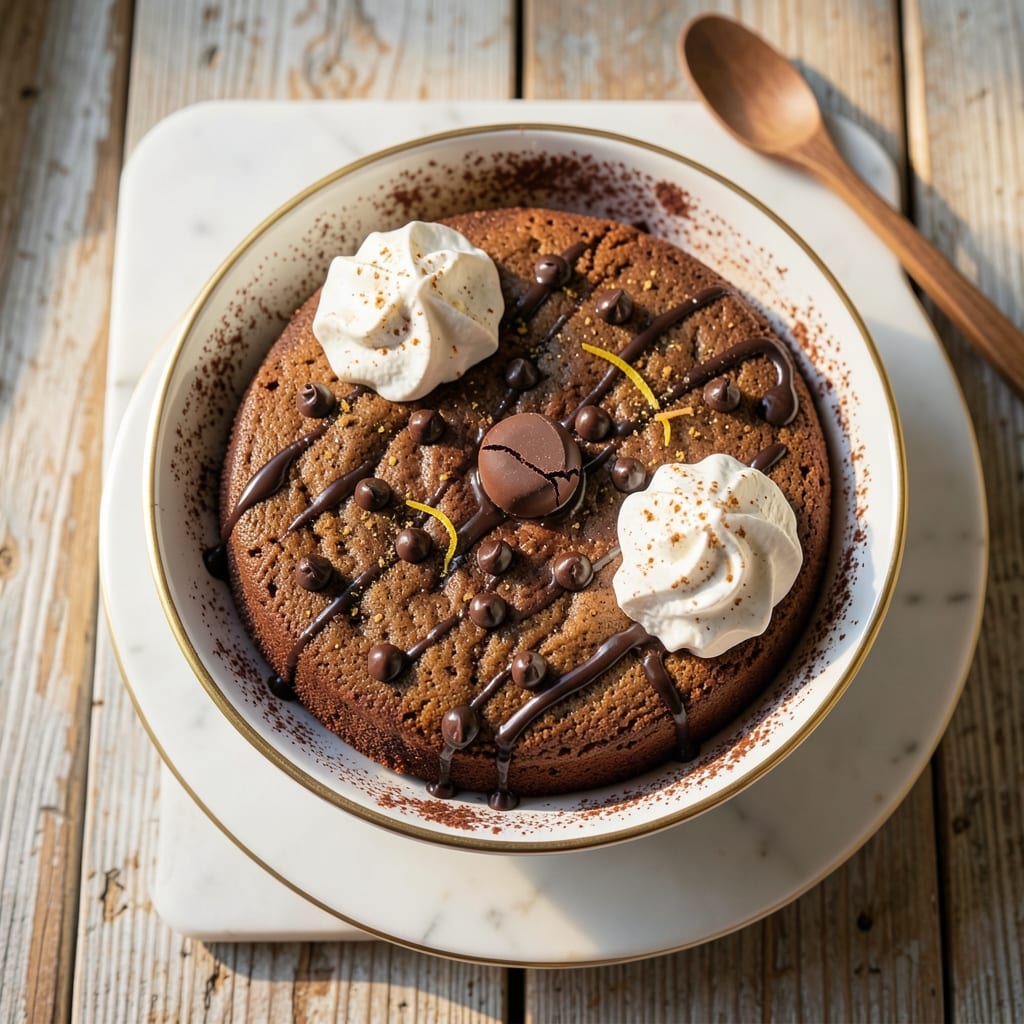
This chocolate egg white cake recipe delivers all the decadence of rich chocolate cake with none of the heaviness—no butter, no guilt, just light, airy layers that melt in your mouth. The secret lies in properly whipped egg whites, which create a structure so stable it holds its shape while staying impossibly tender. I developed this recipe after years of experimenting with egg-white-based desserts, and it's finally the version that actually tastes like chocolate cake should—without the dense, greasy texture.
The beauty of this recipe is its balance: deep chocolate flavor from Dutch-process cocoa and melted dark chocolate, balanced by the subtle sweetness of egg whites and a touch of espresso powder for richness. Unlike traditional chocolate cakes, this version relies on the natural leavening power of whipped egg whites rather than baking powder or butter, resulting in a cake that's both moist and light—almost like a cross between a soufflé and a classic chocolate layer cake. The texture is what sets it apart: fine crumb, tender crumb, and just enough structure to hold slices without falling apart.
What makes this recipe truly special is its versatility. It bakes up with a golden-brown crust and a crackly top (thanks to a simple sugar sprinkle), while the interior remains velvety and rich. The flavor develops as it cools, intensifying that chocolate-forward taste without becoming bitter. It's the kind of cake that tastes even better the next day, making it perfect for meal prep or special occasions when you want something impressive but not overly complicated.
Whether you're looking for a lighter alternative to butter-based cakes or simply want to master the art of egg-white baking, this recipe delivers restaurant-quality results with minimal effort. The key steps—whipping the egg whites to stiff peaks, gently folding in the batter, and baking at just the right temperature—are what transform this into a showstopper dessert. Let's get baking!
Ingredients for chocolate egg white cake
Twelve egg whites, two cups sugar, and a touch of espresso—this vegetarian cake delivers restaurant-quality chocolate flavor without butter or heaviness.
| Ingredient | Amount | Notes |
|---|---|---|
| Large Egg Whites 🥚 | 12 whole | Room temperature, no yolks |
| Granulated Sugar 🍚 | 1 ½ cups | Superfine preferred for smoothness |
| Unsweetened Dutch-Process Cocoa Powder 🍫 | ¾ cup | High-quality for rich flavor |
| All-Purpose Flour 🌾 | 1 cup | Sifted for light texture |
| Dark Chocolate Chips 🍫 | ¾ cup | 70% cocoa or higher |
| Instant Espresso Powder ☕ | 1 tsp | Enhances chocolate depth |
| Vanilla Extract 🌿 | 1 tsp | Pure alcohol-free preferred |
| Baking Powder 🍞 | ½ tsp | Aluminum-free for stability |
| Salt 🧂 | ¼ tsp | Fine sea salt preferred |
| Vegetable Oil 🫒 | ¼ cup | Light, neutral flavor |
| Granulated Sugar 🍚 | ¼ cup | For topping, coarse preferred |
The egg whites are non-negotiable—room temperature and no yolks—they're the backbone of this cake's structure. Kirkland Signature or Vital Farms brands provide the most stable whites for whipping. For the cocoa, Valrhona or Guittard deliver unmatched depth; avoid Dutch-process blends with metallic aftertaste. The dark chocolate chips should be 70% cocoa or higher—Ghirardelli or Lindt brands melt beautifully without bitterness. Pre-sift your flour to eliminate lumps, and use superfine sugar if available for a smoother texture. The espresso powder enhances chocolate flavor without coffee taste—Starbucks or Lavazza instant varieties work perfectly.
No instant espresso powder? 1 tsp finely ground coffee works in a pinch, but sift it well to avoid graininess. Running short on dark chocolate chips? Melt a 6-oz bar of dark chocolate and let it cool slightly before folding—just don't skip the cocoa powder in the dry ingredients. The baking powder is critical for lift; Bob's Red Mill aluminum-free version prevents metallic aftertaste. For the vanilla, alcohol-free extracts prevent any lingering boozy notes. Need to substitute vegetable oil? Melted coconut oil works in equal measure, though it adds subtle coconut flavor. The coarse sugar topping creates that signature crackly crust—Turbinado sugar is ideal, but regular granulated sugar crushed lightly in a food processor suffices.
Store baked layers wrapped tightly in plastic at room temperature for 3 days or refrigerated for 1 week. For longer storage, freeze fully cooled layers for up to 3 months—thaw at room temperature before assembling. The cake develops deeper flavor when chilled overnight, making it perfect for meal prep. Assemble layers with vegan buttercream or whipped coconut cream for a lighter option. For best results, bake and assemble the same day—this cake holds its structure remarkably well but reaches peak moisture within 24 hours.
Why You'll Love This Recipe
- Here’s what sold me: deep chocolate flavor without a single gram of butter. The Dutch-process cocoa powder cuts through bitterness, and those dark chocolate chips melt into pockets of gooey perfection. Honestly, it’s the kind of cake that makes you forget it’s “healthy”—if you even care about that.
- I’ll be real: this recipe costs me pennies. Egg whites are cheap, cocoa powder lasts forever, and flour? Always on hand. The dark chocolate chips are the splurge, but you can swap them for cheaper baking chocolate if needed. For what you get—a whole cake for under $5—it’s my secret weapon.
Step-by-step instructions for chocolate egg white cake
This method delivers a perfectly light yet rich chocolate cake using only egg whites—no butter required.
Whip Egg Whites to Stiff Peaks
Begin by separating the 12 whole large egg whites at room temperature into a completely grease-free mixing bowl. Using a stand mixer fitted with the whisk attachment, beat the egg whites on low speed until frothy. Gradually add ½ cup of the 1.5 cups granulated sugar while increasing speed to medium-high. Beat for 5-7 minutes until the egg whites form stiff, glossy peaks that hold their shape when the whisk is lifted.
This step is critical—I've found that using room-temperature egg whites incorporates air more efficiently, and the gradual sugar addition prevents deflation. The peaks should stand straight up when the whisk is tilted, not droop or flatten. If the mixture looks slightly grainy, don't worry; it will smooth out as you continue mixing.
Combine Dry Ingredients and Fold Gently
In a separate bowl, sift together the 1 cup all-purpose flour, 0.75 cup unsweetened Dutch-process cocoa powder, 0.5 tsp baking powder, and 0.25 tsp salt. This ensures even distribution and prevents lumps. In a small measuring cup, mix the 1 tsp instant espresso powder and 1 tsp vanilla extract with the remaining 1 cup granulated sugar. Set aside.
With a spatula, gently fold one-third of the dry ingredients into the egg white mixture until just combined. Add another third and fold again, being careful not to deflate the batter. The goal is to create a marbled effect with the cocoa powder rather than fully incorporating it. This technique maintains the cake's light texture while distributing the chocolate evenly.
Incorporate Oil and Remaining Ingredients
Add the 0.25 cup vegetable oil to the batter and mix on low speed for 10 seconds until fully combined. This step helps create a tender crumb. Gradually add the remaining dry ingredients and the sugar-espresso-vanilla mixture, folding gently with a spatula to maintain airiness. Finally, fold in the 0.75 cup dark chocolate chips by hand, ensuring even distribution throughout the batter.
I always use a silicone spatula for this step—it's gentle on the delicate egg white structure. The batter should be thick but still pourable, with visible chocolate flecks. If it looks too stiff, don't overmix; the cake will still rise properly in the oven. The chocolate chips will melt slightly during baking, creating pockets of molten richness in each bite.
Bake for Perfectly Moist Layers
Preheat your oven to 350°F and grease two 6-inch round cake pans thoroughly with vegetable oil, then line the bottoms with parchment circles. Divide the batter evenly between the pans and smooth the tops. Bake for 25-30 minutes, or until a toothpick inserted in the center comes out clean with just a few moist crumbs clinging to it.
The cake should spring back gently when pressed in the center—this indicates proper doneness. I've found that baking time can vary slightly based on oven calibration, so start checking at the 22-minute mark. The edges should be set but the top should still appear slightly soft to the touch. Rotate the pans halfway through baking for even browning.
Cool and Top for Maximum Flavor
Remove the cakes from the oven and let them cool in the pans for 10 minutes. Then transfer to a wire rack to cool completely. While the cakes cool, mix the 0.25 cup granulated sugar (for topping) with 1 tablespoon cocoa powder in a small bowl. Once the cakes are completely cool, sprinkle this mixture evenly over the top of each cake.
This sugar-cocoa topping creates a beautiful contrast against the rich chocolate layers. For best results, serve the cakes at room temperature. The exterior will be slightly crisp, while the interior remains tender and moist—thanks to the egg white structure we preserved throughout the process. Each slice delivers that perfect balance of lightness and chocolate intensity.
Pro Tips For Making Chocolate Egg White Cake
- Whisk Egg Whites Cold: I learned this the hard way—warm bowls or beaters make egg whites clump like overcooked mashed potatoes. Stick your mixing bowl and whisk in the freezer for 10 minutes before starting, and crack whites straight from the fridge. Cold whites whip to stiff peaks faster and hold their volume better, especially when folded with heavy cocoa powder.
- Sift Cocoa Twice: That Dutch-process cocoa is dense, and clumps sink like rocks in your batter. Sift it directly into the dry ingredients first, then sift it again after mixing with flour. This ensures even distribution—no surprise pockets of dry cocoa that make your cake taste like a science experiment gone wrong.
- Bake in Two Stages: The first 10 minutes at 350°F (175°C) set the structure, but after that, drop the heat to 325°F (165°C). Egg-white cakes can dry out fast, and the center might stay gummy if you push it. A lower temp for the last 20-25 minutes guarantees a moist crumb without a raw middle.
- Fold Chips Last: Add chocolate chips after folding in the dry ingredients—this keeps them suspended in the batter instead of sinking to the bottom like lead weights. If you’re impatient (like me), melt half the chips first, drizzle over the batter, then fold in the rest. The melted chocolate adds richness without waiting for them to melt in the oven.
Essential equipment for this dish
Stand Mixer Essentials
The heart of this recipe is your stand mixer—I recommend a KitchenAid Artisan Series for consistent performance. The whisk attachment is non-negotiable; I use the KitchenAid 5-Qt model because its powerful motor handles the 12 egg whites without struggling. For budget-friendly options, the Cuisinart SM-50 delivers similar results at half the price. Always ensure your bowl is completely grease-free—even a trace of oil prevents proper whipping. 🥚
Precision Measuring Tools
Accurate measurements are critical for this delicate cake. Invest in a digital kitchen scale (like the OXO Good Grips) for the 1.5 cups sugar and 0.75 cup cocoa powder—these ingredients directly impact texture. For dry ingredients, a stainless steel measuring cup (I prefer We Are the Mighty) ensures no spills during sifting. The 1 tsp espresso powder and 1 tsp vanilla require precise measuring too—use a small measuring spoon set (like Mason Cash) for accuracy. Even slight variations can affect flavor balance.
Baking Pans and Parchment
Use 6-inch round cake pans with 2-inch tall sides—I swear by Wilton Perfect Results pans for even heat distribution. Line the bottoms with parchment circles (cut from Amazon Basics sheets) to prevent sticking. Grease pans thoroughly with vegetable oil using a pastry brush (like OXO Good Grips)—this ensures easy release. For the sugar-cocoa topping, a fine-mesh sieve (such as OXO) helps create an even, dusting-like finish. 🍫
Silicone Spatulas and Mixing Bowls
A heat-resistant silicone spatula (I use Epicurean) is your best friend for folding the batter—it won’t tear the egg whites like metal tools. Pair it with two mixing bowls: a large stainless steel bowl (for whipping) and a medium glass bowl (for dry ingredients). The glass bowl lets you check for even cocoa distribution. For the 12 egg whites, I recommend a chilled bowl (place it in the freezer for 10 minutes before use) to help stabilize the meringue. This small trick prevents premature deflation.
Oven Thermometer
Oven temperature accuracy is everything for this cake. I use a Thermoworks Thermapen One to verify my oven reaches 350°F—many home ovens run 25°F hotter or cooler than set. If your oven runs hot, reduce the temperature to 340°F for even baking. For even heat distribution, place pans on the middle rack and rotate them halfway through baking. This ensures both cakes bake uniformly, preventing domed tops or dry edges. ⏰
Nutrition facts
Frequently asked questions
Why does this chocolate cake use egg whites instead of whole eggs?
Egg whites create a lighter, airier texture without the richness of yolks or butter. When whipped to stiff peaks, they form a stable structure that holds its shape while staying tender. This technique delivers the perfect balance of lightness and moisture—ideal for a cake that feels indulgent but isn't heavy. The espresso powder and cocoa powder work together to enhance the chocolate flavor without needing extra fat.
Can I substitute regular cocoa powder for Dutch-process?
Yes, but your cake will be slightly less rich and may have a metallic aftertaste. Dutch-process cocoa is alkalized, which deepens the chocolate flavor and creates a smoother texture. For best results, stick with high-quality Dutch-process brands like Valrhona or Guittard. If you must substitute, reduce the baking powder to 0.25 tsp since natural cocoa is more acidic.
How do I fix egg whites that won't whip properly?
Start with room-temperature egg whites in a grease-free bowl—even a trace of oil prevents proper whipping. Use a stand mixer on medium-high speed and add sugar gradually. If your whites are still struggling, try adding 1/8 tsp cream of tartar (it stabilizes the meringue) or chill the bowl in the freezer for 5 minutes before whipping. Avoid overmixing once stiff peaks form!
Can I make this cake in a different pan size?
Yes, but adjust baking time accordingly. For 8-inch pans, reduce batter by 50% and bake for 30-35 minutes. For 9-inch pans, use 75% of the batter and bake for 35-40 minutes. Always check doneness with a toothpick. The key is maintaining the same batter depth—1-1.5 inches—for even baking. Line all pans with parchment to prevent sticking.
Will this cake taste too sweet or bitter?
The recipe strikes the perfect balance: the 1.5 cups sugar enhances the chocolate flavor without overpowering it, while the espresso powder adds depth. For a less sweet version, reduce sugar to 1.25 cups and add 1/4 tsp salt to intensify flavors. If you prefer richer chocolate, increase dark chocolate chips to 1 cup and reduce sugar by 1/4 cup.