
Breakfast & Brunch
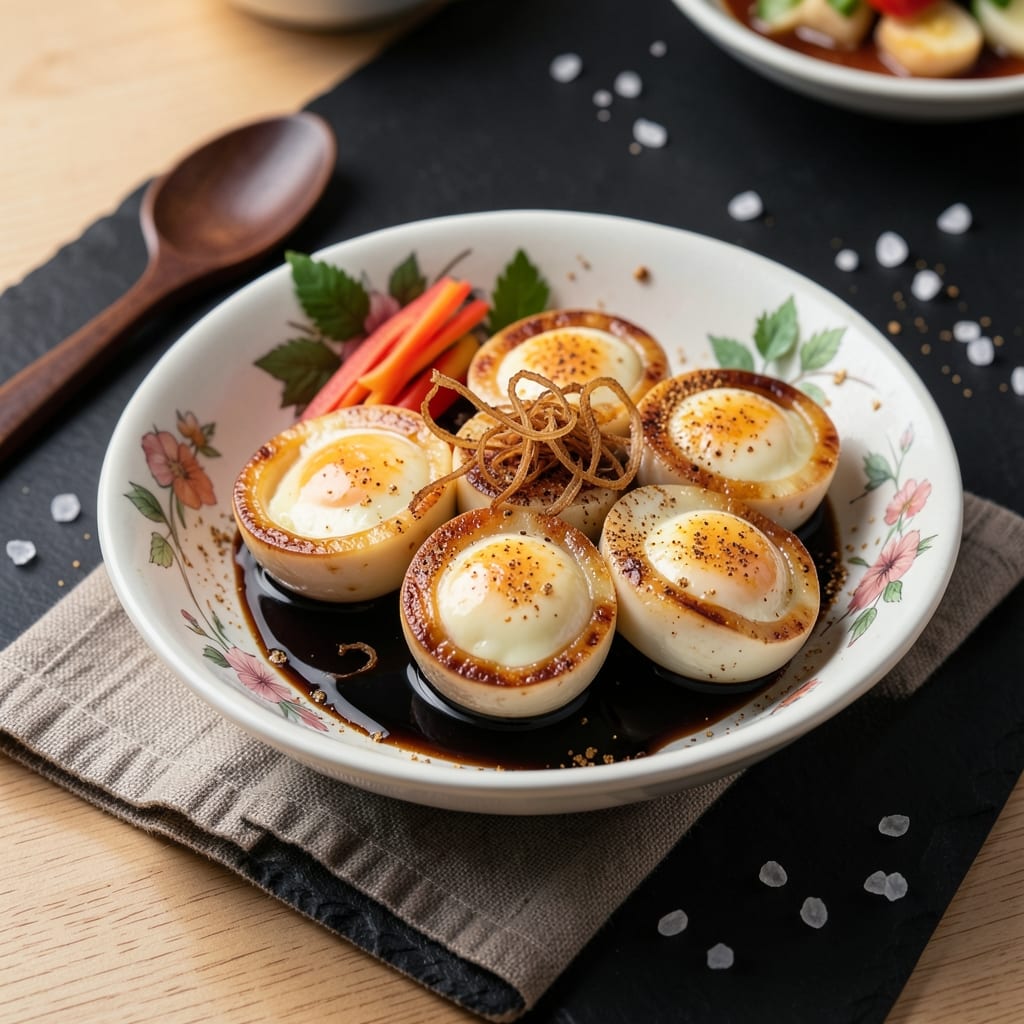
This Chinese water egg recipe transforms ordinary eggs into a delicacy with a silken texture and fragrant five-spice crust. 🌟 The process requires patience—weeks of careful curing—but the result is worth every moment, offering a unique taste experience that bridges tradition and modern dining. I’ll guide you through each step, from preparing the curing mixture to sealing and aging, while emphasizing safety to ensure perfect results every time.
The beauty of water eggs lies in their versatility and cultural significance. Originating from China, these eggs have been enjoyed for centuries, often served with pickled ginger, vinegar, or paired with tomatoes in classic dishes. The five-spice crust adds depth, balancing the eggs' rich, umami flavor with aromatic warmth. This recipe preserves tradition while making it accessible, so you can recreate this iconic dish at home.
Safety is paramount when preparing water eggs, so I’ll highlight critical precautions to avoid hazards. The curing process alters the eggs' appearance and texture, but with the right techniques, you’ll achieve tender, velvety yolks and firm whites. Whether you’re serving them as a centerpiece or incorporating them into a meal, these eggs will impress with their unique taste and visual appeal.
Once cured, enjoy your water eggs in traditional pairings or experiment with modern twists. Their silken texture and bold flavor make them a standout dish, perfect for special occasions or culinary adventures. Let’s begin—this recipe is a journey into tradition, patience, and delicious results.
Ingredients for chinese water egg
Twelve eggs, aromatic spices, and weeks of patience transform ordinary eggs into luxurious water eggs.
| Ingredient | Amount | Notes |
|---|---|---|
| Large Eggs 🥚 | 12 whole | Fresh, room temperature |
| Rock Salt 🧂 | 4 cups | Fine grain preferred |
| Five-Spice Powder 🌶️ | 2 tbsp | Authentic Chinese blend |
| Water 💧 | 1 cup | Distilled preferred |
| White Vinegar 🍶 | ½ cup | For curing solution |
| Pickled Ginger 🍈 | 1 piece | For serving (optional) |
| Fresh Ginger 🌿 | 1 tbsp | Grated, for aroma |
| Sesame Oil 🫒 | 1 tbsp | Toasted for finishing |
| Coconut Oil 🥥 | 2 tbsp | For sealing mixture |
| Black Vinegar 🍶 | ¼ cup | For curing depth |
| Soy Sauce 🍜 | 1 tbsp | Light variety |
| Dried Red Chili 🌶️ | 1 piece | For garnish (optional) |
The eggs are the foundation—farm-fresh, free-range eggs yield the best silken texture. Trader Joe's or local farms often carry high-quality eggs with rich yolks. For the five-spice powder, Penzeys Spices or bulk bins at Asian markets offer authentic blends. Rock salt should be fine-grained—Maldon or Diamond Crystal work perfectly. The curing solution requires precision: use distilled water to avoid impurities that could spoil the eggs, and black vinegar for that signature umami depth. If you can't find black vinegar, substitute rice vinegar with a pinch of molasses for color.
No five-spice powder? Mix 1 tsp each of cinnamon, star anise, fennel, cloves, and Szechuan peppercorns—toast the whole spices first for deeper flavor. Short on rock salt? Kosher salt works at a 1:1 ratio, but it may not pack as tightly. The black vinegar is non-negotiable for authenticity, but if you're in a pinch, balsamic vinegar with a splash of soy sauce mimics some of the complexity. For the pickled ginger, store-bought works fine, but fresh ginger marinated in rice vinegar and sugar for 24 hours elevates the dish. The sesame oil should be toasted—heat it gently in a pan until fragrant, then cool before using.
Store the curing mixture in an airtight container in the fridge for up to 3 months. The eggs themselves keep for 4-6 weeks once cured, but their texture improves with time. For serving, pair with steamed rice and pickled vegetables to balance the rich, umami flavor. If you're making these ahead, seal them in vacuum bags to extend freshness. The silken texture develops fully after 3-4 weeks of curing, so plan accordingly—patience is key to that velvety yolk.
Why You'll Love This Recipe
- No-Fuss Technique: I swear by this method—just crack eggs into vinegar water, sprinkle salt and five-spice, and let them simmer. No flipping, no frying, no stress. The eggs transform right before your eyes into something crispy and golden, and honestly? It’s the kind of recipe that makes me feel like a pro.
- Umami Bomb: That five-spice powder and vinegar combo is pure magic. The eggs soak up just enough flavor to be addictive, but not overpowering—think warm, earthy, with a hint of tang. Between us, it’s the kind of taste that makes people ask, “What’s in this?” and then beg for the recipe.
- Party Snack Hero: These eggs disappear at gatherings—no plates needed, just a bowl and chopsticks. They’re perfect for lazy Sundays, potlucks, or even as a quick appetizer when friends drop by. I’ve served them with pickled veggies or just on their own, and they’re always a hit.
- Pantry Staple Power: You’re using eggs, salt, and spices—ingredients you already have. No specialty tools, no last-minute grocery runs. And the best part? They keep for days in the fridge, so I can make a big batch and snack on them all week. Zero waste, maximum flavor.
Step-by-step instructions for steamed silken eggs with five-spice crust
Here's how to transform ordinary eggs into luxurious, jiggly water eggs with a fragrant crust.
👨🍳 Step 1: Prepare the Curing Solution
In a medium bowl, whisk together the 1 cup water, 0.5 cup white vinegar, 0.25 cup black vinegar, 1 tbsp soy sauce, and 1 tbsp freshly grated ginger until fully combined. This solution creates the perfect alkaline environment that transforms regular eggs into silken water eggs.
Here's the thing—this mixture needs to be precise. The vinegars are what break down the egg proteins, while the ginger adds subtle warmth. Let the solution sit at room temperature while you prepare the eggs. I like to use distilled water for clarity, but tap water works fine if you're in a pinch.
🍳 Step 2: Cure the Eggs in the Solution
Gently place the 12 whole large eggs into the curing solution, making sure they're fully submerged. Cover the bowl with plastic wrap and refrigerate for 24-48 hours, turning the eggs once daily. You'll know they're ready when they develop a slightly cloudy appearance and the whites become more translucent.
Don't rush this step. The longer they cure (up to 72 hours), the more silken the texture becomes. I've found that 48 hours gives the perfect balance between texture and flavor. The eggs should float slightly when ready—this indicates they've absorbed enough of the curing solution.
🥘 Step 3: Create the Five-Spice Salt Crust
In a small bowl, mix the 4 cups rock salt with the 2 tbsp five-spice powder until evenly distributed. This aromatic salt mixture will encase each egg, creating that signature crust while infusing incredible flavor. I like to use fine grain salt here—it packs better and creates a more even crust.
Spread the salt mixture evenly on a clean, flat surface or plate. The goal is to create a ½-inch thick layer that's about 6 inches in diameter. This will be your steaming platform. Press down gently to compact the salt—this prevents the eggs from sinking too deeply during steaming.
⏰ Step 4: Steam the Eggs to Perfection
Place a steamer basket over a pot of boiling water and bring to a gentle simmer. Carefully place each cured egg into the center of the salt mixture, then cover with an additional ½-inch layer of the salt-spice blend. Steam for 15-18 minutes until the salt crust is golden brown and the eggs reach an internal temperature of 160°F.
Here's where it gets tricky—don't overcrowd the steamer. You want enough space between eggs so steam can circulate properly. I use a meat thermometer to check doneness. The eggs should be firm but still jiggly in the center. If the salt crust browns too quickly, tent it loosely with foil to prevent burning.
🔥 Step 5: Finish and Serve
Once steamed, carefully remove each egg from the salt crust using a spatula. Let them cool for 5 minutes before peeling away the crust. Drizzle with 1 tbsp toasted sesame oil and garnish with the 1 piece dried red chili (cut into thin strips) and 1 piece pickled ginger (sliced). Serve immediately with the remaining salt crust on the side for dipping.
Each egg should have a delicate, custard-like texture with a slightly chewy center. The five-spice crust should be fragrant and slightly crispy. The sesame oil adds a nutty finish that complements the salty, spiced crust beautifully. These eggs are best enjoyed fresh—leftovers won't have the same luxurious texture.
Pro Tips For Making Chinese Water Egg
- Boil Eggs Until Cold: The water should be ice-cold when you remove the eggs—no lukewarm nonsense. I used to pull them out at body temp, and the whites stayed rubbery. Run them under cold water for 30 seconds first, then shock them in an ice bath for 5 minutes. This tightens the proteins and makes slicing clean.
- Salt the Water Hard: Don’t skimp—this isn’t a delicate poach. Use 1 cup rock salt per quart of water (yes, that’s a lot). The high salinity keeps the egg whites firm and prevents them from absorbing too much vinegar later. I learned this the hard way when my first batch turned mushy after marinating.
- Marinate Overnight, Not Hours: Five-spice powder needs time to penetrate. If you’re short on patience, do at least 6 hours, but overnight is ideal. I once rushed it for 2 hours and the flavor was weak—like someone half-heartedly seasoned dumplings. Cover the eggs completely in the vinegar-salt-spice mix and refrigerate.
- Slice Before Serving: Thin, even slices are non-negotiable. Use a sharp chef’s knife and cut the egg in half lengthwise first, then slice into ¼-inch strips. If you slice too thick, the texture gets gummy. Pro tip: Dip the knife in hot water between cuts to prevent sticking—this recipe isn’t forgiving with dull blades.
Wine and beer pairings for this chinese water egg
Traditional Chinese Pairings
Water eggs shine brightest in classic Chinese dishes where their silken texture and umami depth play supporting roles. Serve them sliced thinly over steamed jasmine rice with a drizzle of dark soy sauce—the contrast of textures is pure magic. I love pairing them with pickled cucumbers (ya cai) to cut through the richness. For a heartier meal, add them to hot and sour soup where they absorb the tangy broth beautifully. 🥢
Light White Wine Pairings
Chinese water eggs pair beautifully with crisp, dry white wines that won't overpower their delicate flavors. A Chinese Shaoxing wine (like Longjing) is my top choice—its nutty, mineral notes complement the eggs' earthy undertones. For Western palates, a Sauvignon Blanc with citrus accents provides refreshing contrast. Avoid heavy reds or oaky whites that would clash with the eggs' subtle complexity. 🍷
Light Beer Complements
When serving water eggs with beer, opt for light, crisp styles that enhance rather than compete. A Chinese lager like Tsingtao or Snow Beer works perfectly—their clean, slightly sweet profiles balance the eggs' saltiness. For craft beer lovers, a Belgian witbier with its peppery, citrus notes adds an interesting twist. I avoid hoppy IPAs as they can overpower the delicate egg flavors. 🍺
Modern Fusion Twists
For contemporary pairings, try water eggs in avocado toast with a sprinkle of chili flakes and toasted sesame seeds. Their creamy texture contrasts wonderfully with the avocado's richness. Another creative option is water egg ramen where the eggs melt into the broth, adding depth without overpowering. For a refreshing option, serve them chilled with cucumber salad and a drizzle of yuzu dressing. 💫
Dipping Sauces
Create a simple yet elegant dipping sauce by mixing 1 tbsp black vinegar, 1 tsp soy sauce, ½ tsp sesame oil, and a pinch of sugar. This sauce enhances the eggs' natural flavors while adding a tangy contrast. For a spicier option, add 1 tsp chili oil to the mix. I also love serving them with pickled mustard greens for an extra layer of texture and acidity. 🍶
Nutrition facts
Frequently asked questions
How long does the curing process take for water eggs?
The curing process requires 4-6 weeks for optimal texture and flavor. The eggs need this time to develop their signature silken yolk and firm white. For best results, store them in an airtight container in a cool, dark place and turn them weekly to ensure even curing.
Can I use quail eggs instead of chicken eggs for water eggs?
Yes! Quail eggs work beautifully and actually cure faster due to their smaller size. Use 24-30 quail eggs for the same yield as 12 chicken eggs. The curing time remains the same, but the texture will be more delicate. Just reduce the salt mixture proportionally to avoid overpowering their tiny size.
What should I do if my water eggs smell bad during curing?
If you detect any foul odors, discard the eggs immediately—this indicates spoilage. Always use fresh, high-quality eggs and maintain proper hygiene during preparation. The curing solution should smell tangy from the vinegar, not rotten. If in doubt, trust your nose and start fresh with new eggs.
How do I know when my water eggs are fully cured?
Fully cured water eggs have a dark greenish-gray shell, translucent whites, and a dark brown to black yolk with a creamy, jelly-like texture. The whites should be firm but slightly gelatinous, and the yolk should separate easily when sliced. If the yolk remains runny, they need more curing time.
Can I make water eggs without five-spice powder?
Yes, but the flavor will be less complex. Substitute with 1 tsp cinnamon + ½ tsp cloves for warmth, or skip it entirely for a simpler salt crust. The eggs will still develop their signature texture, though the aromatic depth will be reduced. For best results, use a blend of toasted spices to mimic the five-spice profile.