
Sauces & Condiments
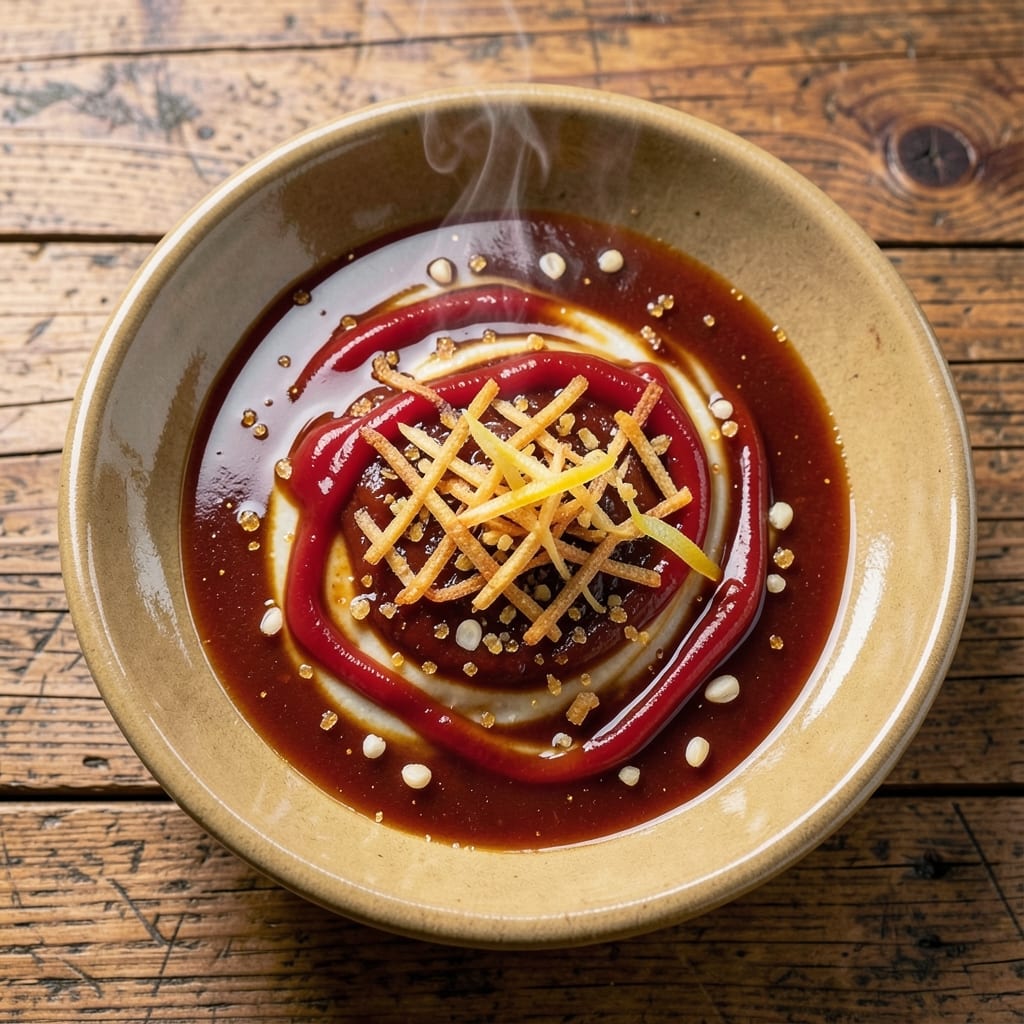
This Chinese restaurant egg roll sauce recipe delivers the perfect balance of sweet, tangy, and savory flavors that elevate every bite. The secret lies in combining simple pantry staples—soy sauce, ketchup, vinegar, and a touch of sugar—to create a velvety, aromatic sauce that's ready in just 10 minutes. I developed this version after years of perfecting the harmony between these ingredients, ensuring each spoonful captures that restaurant-quality depth without the mystery.
The foundation of this sauce is a classic soy-ginger base, where the warmth of fresh ginger meets the umami richness of soy sauce. Adding a splash of vinegar brightens the flavor profile, while ketchup contributes a subtle sweetness that rounds out the taste. The sauce thickens beautifully when simmered, creating a glossy finish that clings perfectly to egg rolls, spring rolls, or even as a dipping sauce for dumplings.
What makes this recipe truly special is its versatility—it works equally well as a dipping sauce, a glaze for grilled meats, or a quick stir-in for noodle dishes. The ingredients are simple, but the result is anything but ordinary. The sauce's velvety texture and balanced flavors make it a game-changer for anyone looking to recreate that authentic Chinese restaurant taste at home.
Ready in minutes and packed with flavor, this sauce is the perfect addition to your takeout night or homemade Asian-inspired meals. Let's get started on creating this essential condiment that will transform your dishes into something truly memorable.
Ingredients for chinese restaurant egg roll sauce
Simple pantry staples create this restaurant-quality egg roll sauce in minutes.
| Ingredient | Amount | Notes |
|---|---|---|
| Soy Sauce 🍶 | ½ cup | Light or dark variety preferred |
| Ketchup 🍅 | ¼ cup | Heinz preferred for consistency |
| Rice Vinegar 🍶 | 2 tbsp | White or seasoned preferred |
| Granulated Sugar 🍚 | 2 tbsp | White or brown preferred |
| Fresh Ginger 🌿 | 1 tbsp | Grated, about 1-inch piece |
| Garlic Cloves 🧄 | 2 cloves | Minced, about 1 tsp total |
| Sesame Oil 🫒 | 1 tsp | Toasted, for aroma |
| Cornstarch 🌾 | 1 tsp | Diamond Crystal preferred |
| Water 💧 | 2 tbsp | Room temperature preferred |
| Salt 🧂 | ¼ tsp | Kosher or sea salt |
The soy sauce is the heart of this sauce—light soy for brightness or dark soy for depth, but never the low-sodium variety. Heinz ketchup is my go-to because it has consistent sweetness, but any standard brand works. Fresh ginger is non-negotiable here; the pre-minced jarred stuff lacks the same punch. Trader Joe's and Asian markets carry excellent ginger roots—pick ones that are firm and smell vibrant. For garlic, I always use fresh cloves because the flavor is more complex than powdered. The sesame oil adds that signature aroma, so grab the toasted kind—it's worth the extra penny.
No fresh ginger? Powdered ginger at half the amount works in a pinch, but you'll lose some depth. Short on ketchup? Plum sauce or hoisin sauce can replace it, but reduce the sugar slightly since they're sweeter. The cornstarch is crucial for thickening—arrowroot powder works too—but don't skip it. The sauce should coat the back of a spoon when done. If you're making this ahead, keep the cornstarch-water slurry separate until you're ready to thicken. And trust me, toasted sesame oil is the only way to go—regular sesame oil won't give you that authentic flavor.
This sauce keeps beautifully for 1 week in the fridge, though it tastes even better the next day as the flavors meld. For longer storage, freeze in ice cube trays—just thaw and stir before using. The sauce reheats perfectly, so it's ideal for meal prep. If you find yourself with leftovers, use it as a glaze for grilled meats or a stir-in for noodle dishes. The versatility is what makes this sauce a pantry essential—it's always ready to elevate your meals.
Why You'll Love This Recipe
- Pantry Magic: I swear by this sauce because it uses stuff I always have—soy sauce, ketchup, even the ginger root I bought on a whim months ago. No special shopping trips, no forgotten spices gathering dust.
- Sweet-Savory Balance: That first tangy hit of rice vinegar and ginger? Then the sugar rounds it out—like a hug for your taste buds. It’s the kind of sauce that makes takeout feel like a lie.
- Leftover Hero: Make a double batch and store it in the fridge. Drizzle it on fried rice, toss it with noodles, or even glaze chicken wings. It’s my secret weapon for turning boring leftovers into something worth eating.
- Five-Minute Fix: Honestly, I’ve made this sauce while waiting for water to boil. Just mix, simmer, and—boom—you’ve got that rich, glossy sauce that tastes like it took hours. The kids won’t even notice it’s effortless.
Step-by-step instructions for Chinese restaurant egg roll sauce
This velvety sauce comes together in minutes with simple technique and bold flavors.
Prepare the Aromatics and Base
In a small bowl, finely grate the 1 tablespoon fresh ginger using a microplane or fine grater. You want a smooth paste with no visible strings—this ensures even distribution in the sauce. In the same bowl, mince the 2 cloves garlic into a fine paste using the flat side of your knife. The goal is to create a smooth, uniform mixture that will dissolve completely during cooking.
Transfer this aromatic paste to a small saucepan and set it over medium-low heat. Add the 0.5 cup soy sauce and 0.25 cup ketchup, stirring constantly to combine. Let this mixture simmer gently for 3-4 minutes until it begins to thicken slightly. This initial step builds the sauce's foundation while allowing the ginger and garlic flavors to meld together deeply.
Add Sweetness and Acid Balance
Reduce the heat to low and stir in the 2 tablespoons granulated sugar and 2 tablespoons rice vinegar. The sugar will dissolve quickly while the vinegar begins to brighten the sauce's flavor profile. Let the mixture simmer for another 2-3 minutes, stirring occasionally, until the sugar is completely incorporated and the sauce begins to develop a glossy sheen.
This is where the sauce's characteristic balance comes together—the salty soy, sweet sugar, and tangy vinegar create a harmonious base. Taste the mixture at this point—you should notice a complex interplay of flavors. If it tastes too sweet, add a pinch more of the 0.25 teaspoon salt (though I've found this amount works perfectly with the other ingredients).
Thicken the Sauce Properly
In a separate small bowl, whisk together the 1 teaspoon cornstarch and 2 tablespoons water until completely dissolved. This cornstarch slurry is your thickening agent—it needs to be smooth to prevent lumps in your sauce. Return the saucepan to medium heat and slowly pour in the cornstarch mixture while stirring constantly with a silicone spatula.
Stir vigorously for 1-2 minutes until the sauce begins to thicken noticeably. You're looking for a consistency that coats the back of a spoon but still flows smoothly—this should take about 2-3 minutes of continuous stirring. The sauce is ready when it reaches a velvety texture that clings to ingredients without being gluey. If it thickens too quickly, add 1 teaspoon water to adjust the consistency.
Finish with Fragrant Oil
Remove the sauce from heat and stir in the 1 teaspoon sesame oil. This final step adds the signature nutty aroma that makes this sauce taste authentically restaurant-style. The sesame oil should be added last—its delicate flavor can be overwhelmed by prolonged heat exposure. Give the sauce one final taste and adjust the seasoning if needed, adding more soy sauce for saltiness or vinegar for acidity.
Let the sauce rest for 5 minutes before serving. This resting period allows the flavors to fully meld together and the sauce to reach its optimal consistency. Serve warm over egg rolls, fried rice, or as a dipping sauce. The sauce will keep in the refrigerator for up to 5 days in an airtight container, though I recommend making a fresh batch when you're ready to serve for the best flavor experience.
Pro Tips For Making Chinese Restaurant Egg Roll Sauce
- Simmer, Don’t Boil: This sauce is all about balance, not heat. Bring it to a gentle simmer—tiny bubbles at the edges—and let it cook uncovered for 3-4 minutes. I learned this the hard way after reducing a batch too fast and ending up with a bitter, overly concentrated mess that tasted like soy sauce had a tantrum.
- Grate Ginger Fine: Skip the food processor for this one. Use a microplane or the smallest holes on a box grater to get ginger so fine it nearly dissolves. Too many chunks mean you’ll taste them in every bite, and that’s not the smooth, tangy sauce you’re after—it’s like finding a rock in your soup.
- Balance Vinegar Slowly: Add rice vinegar one teaspoon at a time, tasting as you go. The first splash might make you think you’ve ruined it, but the acidity mellows as it cooks. I used to dump it all in at once and end up with a sauce that tasted like a pickle exploded in my mouth.
- Upgrade with Honey: Swap half the sugar for honey—just 1-2 teaspoons—and let it simmer with the rest. The depth of flavor is night and day, especially if you’re using store-bought ketchup. It’s a tiny tweak that makes the sauce taste less like a shortcut and more like something a restaurant would use.
Troubleshooting great chinese restaurant egg roll sauce
Lumpy Sauce Fix
If your sauce develops lumps during thickening, don't panic—it's an easy fix! The cornstarch slurry needs to be fully dissolved before adding it to the saucepan. For extra insurance, whisk the cornstarch and water mixture for 30 seconds longer than usual. If lumps appear, immediately remove the pan from heat and vigorously stir with a fork or chopsticks to break them apart. The sauce will smooth out as it cools slightly. 🔥
Over-Thickened Sauce
If your sauce becomes too thick and gluey, simply add 1 teaspoon water at a time while stirring constantly over low heat. The sauce should return to a velvety consistency within 1-2 minutes of gentle simmering. For a quicker fix, thin it with 1 teaspoon rice vinegar—this also brightens the flavor profile. Always taste as you go to avoid overcorrecting.
Sauce Too Thin
A thin sauce usually means the cornstarch didn't activate properly. Create a quick slurry by mixing ½ teaspoon cornstarch with 1 teaspoon cold water, then stir it into the warm sauce. Simmer for 30-60 seconds until thickened. If you're short on cornstarch, a pinch of arrowroot powder works too—just double the amount. Never rush this step, as proper thickening is key to that restaurant-quality texture.
Flat or Bland Flavor
When the sauce tastes flat, it's usually missing acidity or depth. Boost the flavor by adding ½ teaspoon more rice vinegar for brightness or ½ teaspoon soy sauce for saltiness. For extra depth, stir in ¼ teaspoon grated ginger or a pinch of white pepper. If the sauce tastes one-dimensional, a splash of sesame oil (up to ½ teaspoon) adds complexity. Always taste as you go—small adjustments make the biggest difference. ✨
Burnt or Scorched Sauce
Sauce burning is a common mistake when heat isn't monitored properly. Keep the sauce at medium-low heat throughout the entire process—never let it boil. If you notice the sauce darkening or developing a burnt aroma, immediately remove it from heat and stir in 1 teaspoon water or vinegar to cool it down. For future attempts, use a wider saucepan to reduce the risk of scorching. A 3-quart saucepan is ideal for this recipe.
Storage Issues
If your sauce separates or develops an off smell after refrigeration, it's likely due to improper storage. Always transfer the sauce to an airtight container and press plastic wrap directly on the surface to prevent oxidation. For reheating, warm the sauce in a saucepan over low heat while stirring constantly—never microwave it directly, as this can cause separation. If the sauce thickens too much after refrigeration, thin it with 1 teaspoon water or vinegar before reheating. 💡
Nutrition facts
Frequently asked questions
Can I make this sauce without fresh ginger?
Yes, you can substitute ½ teaspoon powdered ginger for the fresh version, though the flavor will be slightly less vibrant. For best results, use a high-quality powdered ginger and add it with the other dry ingredients. If you're using jarred minced ginger, reduce to ½ tablespoon since it's more concentrated. The sauce will still taste delicious, but fresh ginger gives that authentic restaurant-quality depth.
How can I adjust this sauce for spicier egg rolls?
For added heat, stir in ¼ teaspoon red pepper flakes or ½ teaspoon sriracha at the end. If you prefer a smokier flavor, add ¼ teaspoon smoked paprika with the sesame oil. For a more balanced spice level, reduce the sugar slightly (1 tablespoon) to prevent it from overpowering the heat. Always taste as you go to achieve your perfect spice balance.
What's the best way to reheat leftover sauce?
Reheat gently in a small saucepan over low heat, stirring constantly until warm. Never microwave directly as this can cause separation. If the sauce thickens too much, thin it with ½ teaspoon water or vinegar while reheating. For extra flavor, add a tiny splash of sesame oil at the end. The sauce reheats beautifully and tastes even better the next day!
Can I use this sauce for other dishes besides egg rolls?
This versatile sauce works perfectly as a dipping sauce for dumplings, a glaze for grilled meats, or a stir-in for noodle dishes. It also pairs beautifully with spring rolls, fried rice, or even as a marinade for tofu. The balanced sweet-savory profile makes it a pantry essential for any Asian-inspired meal.
Why does my sauce taste too sweet?
This usually happens when the sugar hasn't fully dissolved or the sauce needs more acidity. Reduce the heat and stir vigorously for 1-2 minutes to help the sugar integrate. Then add ½ teaspoon more rice vinegar to balance the sweetness. If it's still too sweet, add a pinch of salt or a splash of soy sauce to cut through the sweetness. Taste as you go for perfect balance!