
Breakfast & Brunch
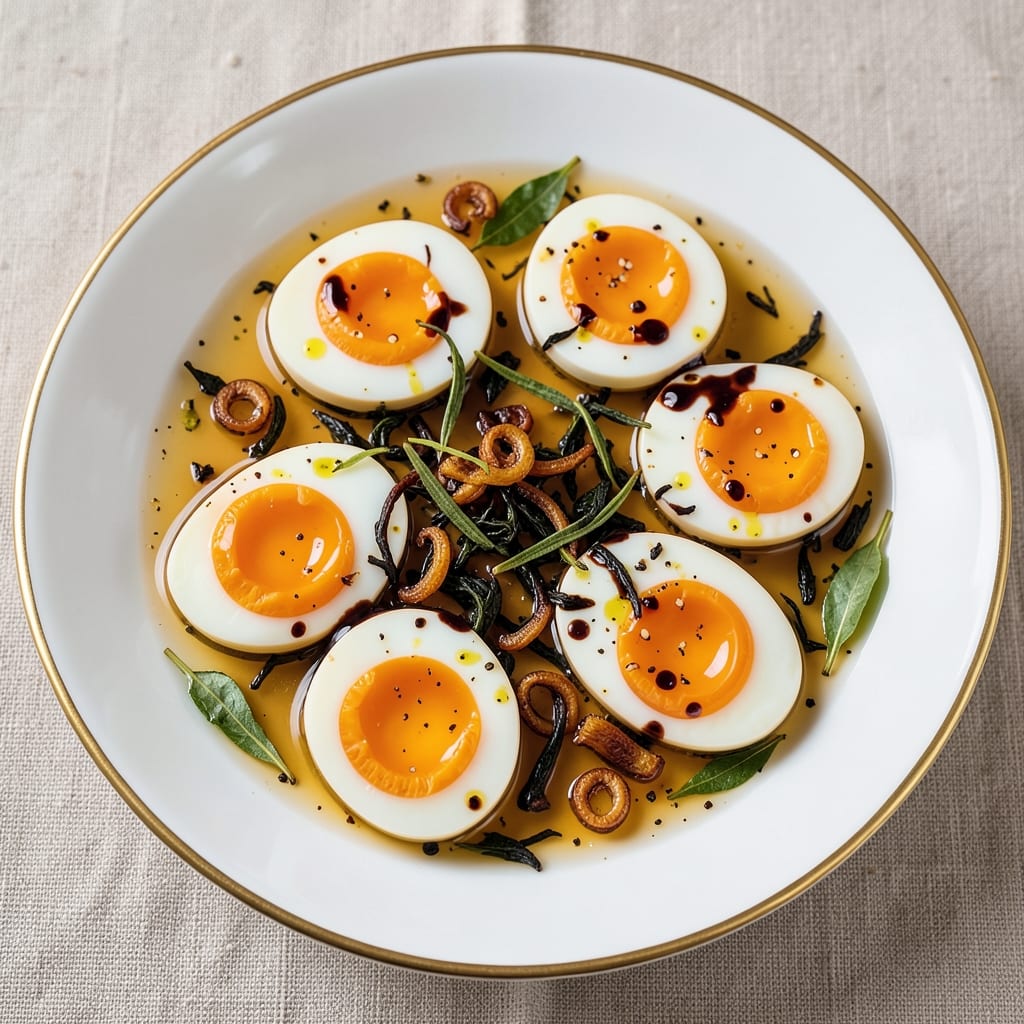
This Chinese herbal tea egg recipe transforms ordinary eggs into a fragrant, silky dish that balances earthy tea notes with tender scrambled centers. The secret lies in infusing eggs with brewed tea—whether jasmine, pu-erh, or chrysanthemum—while cooking them just enough to preserve their delicate texture. I first discovered this technique during a trip to Chengdu, where street vendors served these eggs with steamed buns, and the aroma alone made my morning complete.
The process is simpler than it sounds: brew a strong batch of herbal tea, then gently fold it into beaten eggs before cooking them low and slow. This creates silky scrambled hearts with subtle floral or herbal undertones, depending on your tea choice. The key is patience—rushing the heat will turn the eggs rubbery, while letting them cook gently yields that signature tender yet firm texture. Even beginners can master this method with just a few adjustments.
What you’ll end up with is a dish that’s both elegant and comforting—a perfect balance of savory and aromatic. The tea-infused eggs pair beautifully with steamed rice, crispy pancakes, or a side of pickled vegetables, making them ideal for breakfast or a light lunch. The fragrance alone will elevate your morning routine, turning a simple meal into something truly special.
Best of all, this recipe is highly adaptable—swap teas based on what you have on hand, or adjust the cooking time to suit your preferred texture. Once you try it, you’ll never go back to plain scrambled eggs again. Let’s get started on this fragrant, tea-infused masterpiece.
Ingredients for chinese herbal tea egg
Eight simple ingredients transform ordinary eggs into fragrant, silky scrambled hearts infused with tea.
| Ingredient | Amount | Notes |
|---|---|---|
| Large Eggs 🥚 | 8 whole | Freshly beaten, room temperature |
| Loose-Leaf Jasmine Tea 🍵 | 2 tbsp | Or pu-erh/chrysanthemum tea leaves |
| Boiling Water 💧 | ½ cup | For steeping tea infusion |
| Neutral Oil 🫒 | 1 tbsp | Peanut or vegetable oil preferred |
| Soy Sauce 🍶 | 1 tbsp | Light or dark variety |
| Sesame Oil 🌿 | ½ tbsp | Toasted for aroma |
| Garlic Cloves 🧄 | 2 cloves | Minced for subtle flavor |
| Green Onions 🧅 | 3 whole | Thinly sliced for garnish |
| Salt 🧂 | ½ tsp | Kosher or sea salt |
| White Pepper 🌶️ | ¼ tsp | Freshly ground preferred |
| Steamed White Rice 🍚 | 2 cups | For serving (optional) |
| Sesame Seeds 🌰 | 1 tsp | Toasted for crunch |
The tea is everything here. Jasmine gives you that floral aroma, but pu-erh brings earthy depth or chrysanthemum adds a delicate sweetness. Grab loose-leaf from World Market or Trader Joe's—those tea bags just won't cut it. Steep the tea in boiling water for 5 minutes before straining, then let it cool completely before mixing with eggs. Pro tip: if your tea smells weak, double the amount. The eggs should be room temperature—cold eggs scramble unevenly, and you want that silky texture. I usually beat them in a bowl with a chopstick for that authentic texture, but a whisk works too.
No jasmine tea? Earl Grey or even black tea will work in a pinch, though the flavor won't be as nuanced. Short on sesame oil? Toasted peanut oil gives a similar aroma. The soy sauce can be swapped for coconut aminos if you're avoiding sodium. Fresh garlic is ideal, but garlic powder at half the amount works if you're in a hurry. The green onions? Use scallions if that's what you've got—they're basically the same thing. And if you're feeling fancy, add a pinch of white peppercorn to the beaten eggs before cooking for extra depth.
This dish is all about freshness, so use the tea infusion within 4 hours of brewing—it loses its aroma quickly. Store any leftovers in an airtight container in the fridge for 2 days, but honestly, it's best eaten fresh. For serving, I like to keep the eggs warm in a low oven (200°F) while I finish the rice. The sesame seeds toast in 30 seconds in a dry pan—just watch them like a hawk or they'll burn. These eggs reheat beautifully, but they're at their peak right after cooking. Perfect for breakfast, brunch, or even a light dinner with a side of pickled veggies.
Why You'll Love This Recipe
- Tea-Infused Magic: The moment you crack those eggs into jasmine tea-infused water, you’re basically making them taste like a fancy bubble tea—without the sugar crash. That floral aroma seeps right into the yolks, giving you a delicate, fragrant bite that’s ridiculously more interesting than plain scrambled eggs.
- One-Pan Wonder: Honestly, this recipe is my lazy-day hero. Heat oil, fry the eggs in a pan, splash in soy sauce—boom, done. No chopping, no measuring, no fancy techniques. Just you, a stove, and eggs that somehow taste like they took all day to make.
- Office Lunch Saver: Between us, these eggs reheat like a dream. Pack them cold in the morning, and by lunchtime, they’re still silky and warm—no sad rubbery texture here. Add a sprinkle of sesame seeds, and suddenly your brown bag feels like a Michelin-starred meal.
- Budget Breakfast Boost: You’re using basic ingredients that won’t break the bank, but the flavor? Chef’s kiss. A single bag of jasmine tea and a carton of eggs stretch across multiple breakfasts, and the soy sauce adds that umami punch for pennies. Fancy enough to impress, cheap enough to make every day.
Step-by-step instructions for Chinese herbal tea egg recipe
Here's how to create silky scrambled eggs infused with fragrant jasmine tea—simple steps for a restaurant-worthy breakfast.
Prepare the Jasmine Tea Infusion
Place the 2 tablespoons loose-leaf jasmine tea in a small heatproof bowl. Pour the ½ cup boiling water over the tea leaves and let it steep for 5 minutes. You'll notice the water turning a delicate golden color as the tea infuses its floral aroma.
Strain the tea through a fine-mesh sieve into a small bowl, pressing gently on the tea leaves to extract all the flavor. Set aside the infused tea—you'll use it to gently cook the eggs later. The tea's natural sweetness will balance the savory flavors perfectly, creating a harmonious blend that's both comforting and elegant.
Beat the Eggs with Seasonings
In a medium bowl, crack the 8 large eggs and beat them lightly with a fork or whisk until just combined—no need to make them frothy, just smooth. Add the 1 tablespoon soy sauce, ½ teaspoon salt, and ¼ teaspoon white pepper, mixing well after each addition.
Now stir in the ½ tablespoon sesame oil and 2 minced garlic cloves. The garlic will add subtle depth, while the sesame oil contributes a nutty aroma. Here's the thing—don't overmix the eggs. You want them to remain tender and silky, not tough. The gentle beating ensures the tea-infused flavor will distribute evenly throughout the eggs.
Cook the Eggs in Tea-Infused Oil
Heat a nonstick skillet over medium-low heat and add the 1 tablespoon neutral oil. Once the oil shimmers, pour in the jasmine tea infusion and swirl to coat the pan. Let it cook for 1 minute until the liquid reduces slightly and the oil absorbs the tea's fragrance.
Pour the seasoned eggs into the skillet and stir gently with a silicone spatula, allowing the tea-infused oil to gently cook the eggs. You'll see the eggs begin to set around the edges while remaining soft in the center. Keep the heat low—this ensures the eggs cook evenly without becoming rubbery. The tea infusion will create a delicate aroma that permeates every bite.
Finish with Garlic and Green Onions
When the eggs are just set but still slightly runny in the center—about 2-3 minutes—remove the skillet from heat. Add the 3 thinly sliced green onions and stir gently to wilt them slightly. The green onions will add a fresh, bright contrast to the rich eggs.
Cover the skillet and let it sit for 30 seconds to allow any remaining liquid to cook off. This resting step ensures the eggs reach the perfect consistency—creamy in the center with just a hint of set around the edges. The tea-infused aroma will be even more pronounced now, making every bite feel like a little taste of tradition.
Serve with Toasted Sesame Seeds and Rice
Transfer the eggs to a serving dish and sprinkle with 1 teaspoon toasted sesame seeds. The seeds add a delightful crunch that contrasts beautifully with the silky eggs. Serve immediately over 2 cups steamed white rice to soak up any remaining juices.
Each bite should deliver a perfect balance of flavors—the floral notes from the jasmine tea, the umami from the soy sauce, and the subtle garlic and sesame undertones. The eggs should be tender yet slightly set, with a delicate aroma that lingers. This dish is all about harmony, where every ingredient plays its part to create something truly special.
Pro Tips For Making Chinese Herbal Tea Egg
- USE COLD EGGS: Crack them straight from the fridge—room temp eggs spread like pancake batter in the pan. I learned this the hard way after dealing with a single, sad, flattened egg when I rushed. Cold eggs hold their shape better and steam more evenly with the tea.
- STEEP TEA FIRST: Pour boiling water over the jasmine leaves in a heatproof bowl before heating the pan. The tea should be strong and fragrant—about 5 minutes of steeping. Using pre-steeped tea guarantees the eggs absorb that floral aroma instead of just a weak, sad rinse.
- SKIP THE OVERCROWDING: One egg at a time, no exceptions. I used to jam three in there like a lazy diner, and they’d just sit in their own grease. Each egg needs space to sizzle and steam properly—give them room to breathe, or you’ll end up with a soggy mess.
- SALT THE WATER: Add a pinch of salt to the boiling water when steeping the tea. It’s not about flavor—it’s about the eggs. The salt helps coagulate the proteins faster, so when you pour the hot tea over them, they firm up cleaner and hold their shape better. Trust me, it’s a game-changer.
Make-ahead tips for chinese herbal tea egg
Tea Infusion Prep
Brew your tea infusion the night before if you're prepping ahead—it keeps beautifully in an airtight container in the fridge for up to 24 hours. I like to double the tea amount (to 4 tbsp) when making a big batch, then strain and store it. Just reheat gently before mixing with eggs—medium heat for 1-2 minutes is all it takes to restore the aroma without overcooking. 💫
Egg Prep Shortcut
Beat your eggs in advance and store them in an airtight container for up to 8 hours before cooking. I keep them at room temperature on the counter for maximum convenience—just whisk again briefly before adding the tea infusion. For extra flavor, add a pinch of white pepper and garlic powder to the beaten eggs while storing. This keeps everything ready to go in minutes. ⏰
Make-Ahead Cooking
Cook the eggs completely through (until fully set) if you want to reheat them later. Store in an airtight container for 2 days in the fridge. Reheat gently in a skillet with 1 tsp neutral oil over low heat for 3-4 minutes, stirring occasionally. Add a splash of water if they look dry. The tea flavor becomes even more concentrated after reheating! 🔥
Rice Prep Ahead
Steam a big batch of rice (about 4 cups) and store it in an airtight container for up to 3 days. I like to keep it at room temperature for the first day, then refrigerate. Reheat portions in the microwave for 1-2 minutes until hot. The warm rice pairs perfectly with the tea-infused eggs—just assemble and sprinkle with toasted sesame seeds right before serving. ✨
Garnish Prep
Toast your sesame seeds in advance and store them in a small jar. They stay fresh for 1 week at room temperature. Thinly slice your green onions and store them in a sealed container in the fridge for up to 5 days. When ready to serve, just sprinkle both over the eggs for instant freshness and crunch. This saves you time while keeping your dish looking restaurant-quality! 🌿
Portion Control
Divide your cooked eggs into 4 individual portions and store them in small airtight containers. This makes reheating and serving effortless—just grab what you need. For breakfast, I often keep two portions ready: one for immediate eating and one for a quick reheat later in the week. The tea-infused flavor actually improves slightly after reheating, making it perfect for meal prep. 💪
Nutrition facts
Frequently asked questions
Can I use tea bags instead of loose-leaf tea?
Tea bags will work in a pinch, but loose-leaf delivers far superior flavor and aroma. The paper in tea bags can't fully infuse the oil with the tea's delicate notes, and the flavor will be much weaker. If you must use bags, opt for high-quality pyramid or fannings-style bags—they steep better than standard round bags.
What's the best tea for this recipe if I don't have jasmine?
For floral notes, try chrysanthemum tea or Earl Grey. Earthy flavors? Pu-erh or oolong work beautifully. Avoid heavily caffeinated teas like green tea—they can make the eggs taste bitter. The key is choosing a tea with strong aroma that will infuse the eggs nicely.
Why did my eggs turn out rubbery instead of silky?
Rubbery eggs usually mean the heat was too high or you stirred too much. Keep the heat at medium-low and let the eggs cook gently without constant stirring. The tea infusion should reduce slightly before adding eggs, and you want to see just-set edges with soft centers. For extra silkiness, remove from heat 10 seconds earlier than you think they're done.
Can I make this recipe without sesame oil? Yes! Substitute with toasted peanut oil or even avocado oil for a neutral flavor. If you want to keep the nutty aroma, try toasted walnut oil (½ tbsp). The key is to use a flavorful oil that complements the tea infusion. Just
How can I make this dish vegetarian?
Replace eggs with silken tofu or chickpea flour omelets. For tofu, press and crumble firm tofu, then cook with the same tea infusion method. Add nutritional yeast for a cheesy flavor. The texture will be different but still delicious—just expect a softer result. The tea infusion works perfectly with both plant-based options.