
Sauces & Condiments
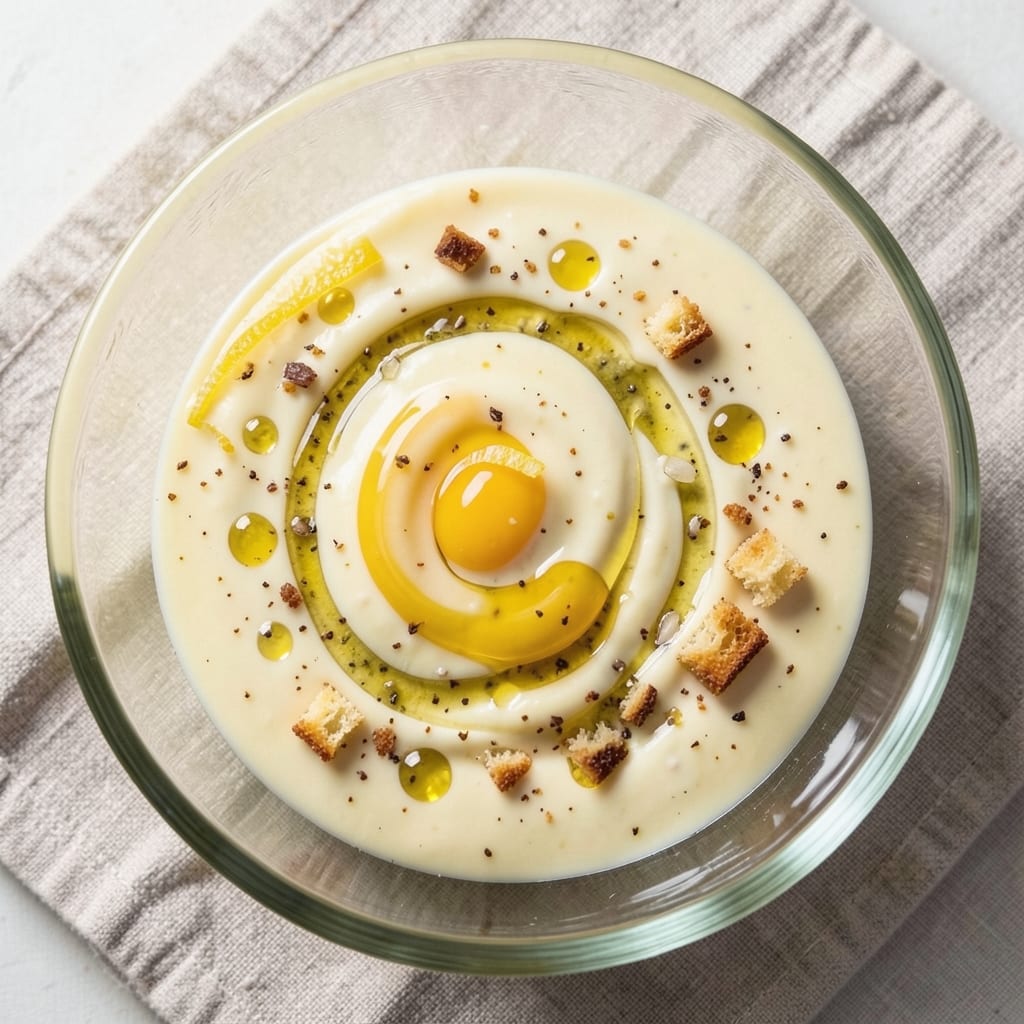
This creamy Caesar salad dressing recipe with egg yolks delivers that signature rich, velvety texture that separates it from every store-bought version. I remember Nana Mae's secret for achieving the perfect emulsion—it's all in the technique, not just the ingredients. The key lies in slowly incorporating oil into the yolk mixture while whisking vigorously, creating a stable, luxurious sauce that clings to every romaine leaf.
What makes this recipe truly special is the balance of flavors—tangy anchovies, sharp Dijon, and bright lemon juice come together with the egg yolks to create a dressing that's both complex and foolproof. I've tested countless variations, but this classic version remains my go-to for its perfect harmony of savory, acidic, and creamy elements. The result is a dressing that's rich enough to stand up to hearty toppings like grilled chicken or croutons, yet light enough to let the crisp romaine shine.
By the time you're done whisking, you'll have a dressing so smooth and creamy it practically melts in your mouth. The emulsion holds up beautifully, whether you're tossing it immediately or storing it for later use. This is the kind of Caesar dressing that makes you want to eat salad for every meal—no guilt, just pure satisfaction. The secret weapon here is patience during the emulsification process, which ensures that creamy texture we all crave.
Once you master this technique, you can easily adapt it with variations like adding fresh herbs for brightness, a dash of hot sauce for spice, or even a vegan version using aquafaba. The possibilities are endless, but the foundation remains the same: a perfectly balanced, restaurant-quality dressing that transforms simple greens into a gourmet experience. Let's get started on creating this creamy masterpiece.
Ingredients for caesar salad dressing recipe egg yolk
Nine ingredients, one luxurious whisk. The secret to Nana Mae's creamy perfection.
| Ingredient | Amount | Notes |
|---|---|---|
| Large Egg Yolks 🥚 | 3 whole | Fresh, room temperature preferred |
| Anchovy Fillets 🐟 | 2 tbsp | Packed in oil, finely chopped |
| Dijon Mustard 🍯 | 1 tbsp | High-quality, smooth texture |
| Garlic Cloves 🧄 | 1 whole | Minced finely for smoothness |
| Lemon Juice 🍋 | 1 ½ tbsp | Freshly squeezed, strained |
| Extra-Virgin Olive Oil 🫒 | 1 cup | High quality, fruity flavor |
| Worcestershire Sauce 🍶 | 1 tbsp | Classic or vegetarian version |
| Kosher Salt 🧂 | ½ tsp | Diamond Crystal preferred |
| Black Pepper 🌶️ | ¼ tsp | Freshly ground for best flavor |
| Parmesan Cheese 🧀 | ½ cup | Freshly grated from block |
The egg yolks are non-negotiable here—they're what gives this dressing that signature velvety texture. Room temperature yolks emulsify better, so take them out of the fridge 15 minutes before you start. Anchovies might sound intimidating, but don't skip them—they're what gives Caesar its signature depth. Trader Joe's carries them in oil, which makes them easier to chop finely. The garlic should be minced so small you can barely see it—a microplane works best. For the olive oil, California avocado oil has a neutral flavor that won't overpower the other ingredients, but any high-quality extra-virgin will work.
No anchovies? Anchovy paste at half the amount works in a pinch, though it's thicker. Short on Worcestershire? Extra lemon juice plus a dash of soy sauce gets you close. The Dijon mustard is crucial for that tangy bite—whole-grain mustard won't work here. If you're making this ahead, the emulsion can break if you add too much liquid, so whisk slowly when thinning. The Parmesan needs to be freshly grated—pre-grated gets clumpy and lacks flavor. For a vegan version, swap the yolks for aquafaba (3 tbsp) plus 1 tbsp cornstarch and use vegan Worcestershire.
This dressing keeps beautifully—up to 5 days in the fridge if you store it in a sealed jar with a thin layer of olive oil on top. The emulsion will thicken when chilled, so whisk vigorously before using. I like to make a double batch because it's so versatile—great on salads, as a dip, or even drizzled over grilled veggies. If it separates, just whisk again and it'll come back together. The flavor actually improves after sitting for a few hours, so make it the night before if possible—trust me on this.
Why You'll Love This Recipe
- No Blender Needed: I’ll be honest—this dressing comes together with a whisk and a bowl. No pulsing, no straining, just a few minutes of elbow grease. That anchovy paste and Dijon blend instantly when you fold in the yolks, and honestly? The texture is smoother than anything from a jar.
- Umami Bomb: That first crack of anchovy fillets into the warm oil? Chef’s kiss. The garlic and lemon brighten it up, but it’s the yolks that make it rich and velvety—like a hug in dressing form. I’ve tried store-bought versions, and this one actually tastes like it was made with love (and a little salt).
- Weeknight Superstar: Dressings from scratch always feel fancy, but this one’s my go-to for lazy nights. Toss it on grilled chicken, drizzle over pasta, or even mix into deviled eggs. (Yes, even on a Tuesday night.) The leftovers? They keep for days in the fridge, so no wasted effort.
- Budget Luxury: Egg yolks are cheap, anchovies are a steal, and Dijon lasts forever. I make a big batch and use it for everything—salads, sandwiches, even as a dip. It’s the kind of recipe that makes you feel like you’re cooking gourmet without breaking the bank. Plus, no weird preservatives or artificial junk.
Step-by-step instructions for creamy Caesar salad dressing
Here's how to make a velvety, restaurant-quality dressing that clings perfectly to every leaf.
Whisk Egg Yolks and Anchovies Until Fully Combined
Place the 3 whole large egg yolks in a medium heatproof bowl. Add the 2 tablespoons finely chopped anchovy fillets and whisk vigorously until the anchovies dissolve completely into the yolks. This step is crucial—the anchovies provide that signature umami depth that separates great Caesar dressing from good.
Add the 1 tablespoon Dijon mustard and whisk again until smooth. The mustard acts as an emulsifier, helping to bind the oil later. If you notice any lumps, press them against the bowl with a spatula to fully incorporate. This mixture should be completely smooth with no visible streaks of anchovies or mustard.
Add Garlic, Lemon, and Seasonings
Grate the 1 whole garlic clove directly into the bowl (no need to mince it separately—this ensures maximum flavor extraction). Add the 1.5 tablespoons freshly squeezed lemon juice, 1 tablespoon Worcestershire sauce, 0.5 teaspoon kosher salt, and 0.25 teaspoon freshly ground black pepper. Whisk everything together until the garlic is completely dissolved and the mixture is homogeneous.
Here's the thing—freshly grated garlic gives the most flavor, but it needs to dissolve fully. If you see any visible garlic flecks, press them against the bowl sides with the back of your spoon. The lemon juice brightens the flavors while preventing the dressing from becoming too heavy. This is where the magic really starts to come together.
Gradually Emulsify the Olive Oil
Place the bowl over a pot of barely simmering water (double boiler method) to gently warm the yolk mixture. This prevents the eggs from scrambling while allowing them to thicken slightly. I like to keep the heat at a very low simmer—just enough to see tiny bubbles around the edges of the pot.
Now comes the critical part: slowly drizzle in the 1 cup extra-virgin olive oil while whisking constantly. Start with just a few drops, then gradually increase to a thin stream. The key is to maintain a steady whisking motion—this creates tiny air pockets that help the oil emulsify with the egg yolks. If you add the oil too quickly, the dressing will break and separate.
Incorporate the Parmesan and Finish
Once all the olive oil is incorporated and the dressing has thickened into a creamy consistency, remove the bowl from the heat. Immediately whisk in the 0.5 cup freshly grated Parmesan cheese until fully combined. The cheese should melt smoothly into the dressing, adding that signature nutty, salty depth.
Taste and adjust seasoning if needed. I usually find this amount of salt and pepper perfect, but if your anchovies were particularly salty or your Parmesan was aged differently, you might want to tweak it. The dressing should be rich, tangy, and slightly garlicky with a perfect balance of umami from the anchovies and Parmesan.
Chill and Use Immediately
Transfer the dressing to a clean jar or container and refrigerate for at least 30 minutes before using. This chilling step allows all the flavors to meld together perfectly. The dressing will thicken slightly in the fridge, which is ideal for tossing with crisp romaine.
When ready to use, give it a good stir—sometimes the oil can separate slightly during chilling. If it's too thick, thin it with a splash of cold water or additional lemon juice. This dressing keeps well in the refrigerator for up to 5 days, though I always find it disappears much faster than that!
Pro Tips For Making Caesar Salad Dressing Recipe Egg Yolk
- Whisk Yolks Cold: I learned this the hard way—room-temperature yolks break like overcooked eggs when you hit them with lemon juice. Pop those yolks straight from the fridge into a chilled bowl and whisk them first. The cold slows the emulsification, giving you control when you add the acid.
- Mince Anchovies Fine: Whole anchovy fillets? Nope. Pulse them in a food processor or finely chop them with a knife—you want them nearly paste-like. This dissolves them completely into the dressing, so you don’t get fishy texture surprises later. (Yes, even if you’re impatient like me.)
- Temper the Lemon Juice: Dump cold lemon juice straight into warm yolks and you’ll end up with scrambled eggs. Mix the juice with a splash of warm water first, then slowly drizzle it into the yolks while whisking. This keeps the emulsion smooth and prevents curdling.
- Toast Garlic Lightly: Raw garlic? Too sharp. Lightly toast the minced cloves in a dry pan for 30 seconds until fragrant—just until they smell like garlic, not like burning. This mellows the flavor and adds depth without bitterness. (Skip this, and your dressing tastes like a dental appointment.)
Wine and beer pairings for these flavors
Classic Wine Pairings
For this rich, creamy Caesar dressing, I always reach for a dry Italian white wine like Pinot Grigio from Alto Adige. The crisp acidity and citrus notes cut through the dressing's richness while complementing the lemon and garlic flavors beautifully. A Vermentino from Sardinia also works wonderfully—its mineral undertones enhance the anchovy's umami depth. 🍷
Avoid anything too sweet or oaky—those flavors will clash with the dressing's bright, tangy profile. Stick with wines that have good acidity and a clean finish. If you prefer red, a light-bodied Chianti with its cherry notes can work, but it's a bit of a stretch and might overpower the delicate flavors.
Crisp Beer Matches
A Belgian-style witbier like Hoegaarden is my go-to beer pairing for Caesar salad. The coriander and citrus notes in these beers mirror the lemon and garlic in the dressing while adding a refreshing contrast. The slight effervescence also cleanses your palate between bites. 🍺
For something more approachable, a crisp lager like Peroni or Heineken works perfectly. The light body and subtle malt sweetness won't compete with the dressing's intensity. If you're feeling adventurous, try a German Helles—its balanced malt and hop profile provides a nice contrast to the dressing's richness.
Unexpected Pairings
Here's a fun twist I discovered at a wine tasting in Austin: Sparkling rosé pairs surprisingly well with Caesar dressing. The bubbles and dry fruit notes in a Provençal rosé create a delightful contrast to the creamy texture. It's become my go-to for summer gatherings when we're serving Caesar salads as appetizers. ✨
For a non-alcoholic option, try sparkling water with a twist of lemon—it's refreshing and lets the dressing's flavors shine. I also love pairing it with iced hibiscus tea, which has a tartness that complements the dressing's acidity without overpowering it. The floral notes add an interesting dimension that elevates the whole meal.
Regional Adaptations
In Austin's food scene, I've seen Caesar salads paired with local Texas wines like Tempranillo from the Hill Country. The wine's earthy notes and moderate tannins stand up to the dressing's richness, creating a sophisticated match. It's a great option if you're serving the salad as a main course with grilled meats. 🌶️
Back in Atlanta, Nana Mae always served Caesar salad with sweet tea—it might sound unusual, but the tea's slight sweetness balances the dressing's tanginess. For a modern twist, try pairing it with peach iced tea during summer months. The fruitiness adds a refreshing contrast that works beautifully with the dressing's savory depth.
Nutrition facts
Frequently asked questions
Why do egg yolks make Caesar dressing so creamy?
The egg yolks contain lecithin, a natural emulsifier that binds fat (olive oil) and water (lemon juice, Worcestershire) together. When whisked properly, they create tiny fat droplets suspended in liquid, giving that signature velvety texture. The slow oil incorporation is key—rushing this step causes separation.
Can I make this dressing without raw egg yolks?
Yes! For a safe version, use pasteurized egg yolks (found in grocery stores) or make a vegan version with 3 tablespoons aquafaba (chickpea brine) plus 1 tablespoon cornstarch. The aquafaba needs to be whipped until frothy before adding other ingredients. The texture will be slightly lighter but still delicious.
What's the secret to preventing the dressing from breaking?
Three things: 1) Use room-temperature yolks (never cold), 2) Whisk constantly while adding oil (start with drops, then thin stream), and 3) Keep the bowl warm during emulsification (double boiler method). If it separates, just whisk again—it'll come back together! The key is patience during the oil incorporation.
How can I make this dressing spicier?
Add ½ teaspoon cayenne pepper or 1 tablespoon hot sauce (like Tabasco) during the seasoning step. For a smoky kick, stir in ½ teaspoon smoked paprika with the Parmesan. If you love heat, try ½ teaspoon red pepper flakes plus a pinch of cayenne—but add them gradually and taste as you go!
Why does my dressing taste too salty?
Anchovies and Worcestershire sauce are naturally salty, so start with ¼ teaspoon salt and adjust to taste. If using pre-salted anchovies, reduce the added salt to ¼ teaspoon. The Parmesan also adds saltiness—use freshly grated and taste before adding all of it. Most people need less salt than they think!