Breakfast & Brunch
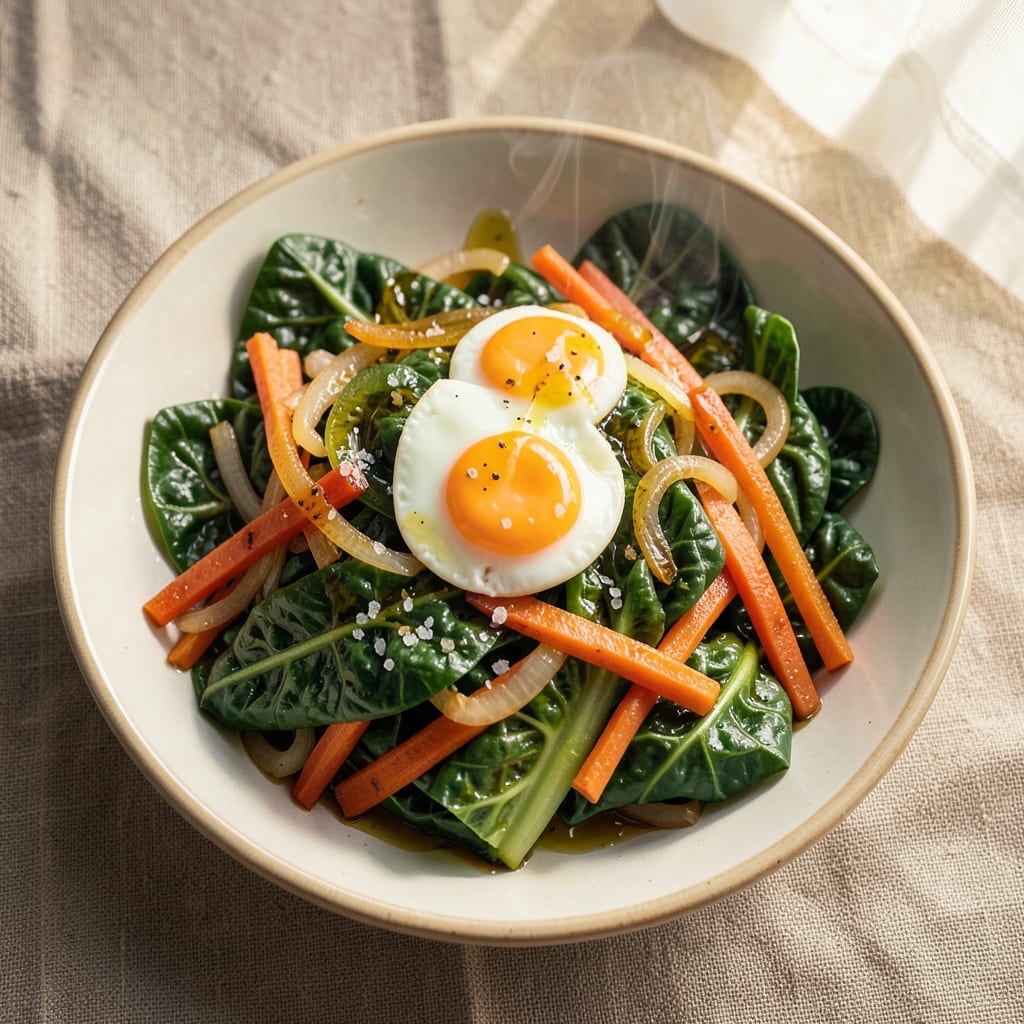
This cabbage carrot onion egg recipe transforms simple vegetables into a hearty, golden frittata with crispy edges and tender centers—perfect for a satisfying breakfast or brunch. The key lies in sautéing the vegetables until caramelized before folding them into a rich egg mixture, creating layers of flavor and texture that balance sweetness and savory depth. It’s a one-pan dish that delivers restaurant-quality results with minimal effort, making it ideal for weekdays or weekend gatherings.
The beauty of this recipe is its versatility—vegetarian yet protein-rich, it satisfies without relying on meat. Cabbage adds a satisfying crunch, carrots introduce natural sweetness, and onions deepen the flavor profile, all while the eggs bind everything together into a cohesive, golden-brown dish. The crispy edges come from a quick broil at the end, ensuring a satisfying contrast to the soft interior. It’s a dish that feels indulgent yet remains light enough for daytime eating.
What makes this frittata especially appealing is its simplicity: no fancy techniques, just a few fresh ingredients and a single pan. The vegetables are prepped ahead, so assembly takes just 15 minutes, and the broiler finishes it in another 5 minutes. The result is a dish that’s as beautiful as it is delicious—golden, slightly caramelized, and cut into perfect wedges for easy serving. It’s the kind of meal that makes breakfast feel like a celebration.
Serve this frittata warm with a side of crusty bread or a fresh salad for a complete meal. The flavors hold up well for leftovers, too, making it perfect for meal prep. Whether you’re feeding a family or treating yourself to a special morning, this recipe delivers crispy, flavorful satisfaction with every bite.
Ingredients for cabbage carrot onion egg
Fresh vegetables meet fluffy eggs for a crispy-edged vegetarian frittata that's restaurant-quality at home.
| Ingredient | Amount | Notes |
|---|---|---|
| Large Eggs 🥚 | 8 whole | Room temperature for best binding |
| Green Cabbage 🥬 | 4 cups | Shredded, core removed |
| Carrots 🥕 | 2 medium | Julienned, peeled |
| Yellow Onions 🧅 | 1 whole | Thinly sliced, white or red |
| Extra-Virgin Olive Oil 🫒 | ½ cup | For sautéing vegetables |
| Salt 🧂 | 1 ½ tsp | Diamond Crystal preferred |
| Freshly Ground Black Pepper 🌶️ | ½ tsp | Freshly cracked for flavor |
| Fresh Thyme Leaves 🌿 | ¼ cup | Chopped, or 1 tsp dried |
| All-Purpose Flour 🌾 | 1 tbsp | For crispy edges (optional) |
| Whole Milk 🥛 | ¼ cup | For creamy texture (optional) |
| Garlic Cloves 🧄 | 2 cloves | Minced for depth |
The vegetables are the foundation—green cabbage should be crisp with no yellowing, while carrots work best when fresh and firm. Yellow onions with vibrant color add sweetness as they caramelize. Grab extra-virgin olive oil from a dark bottle at Trader Joe's or Whole Foods for better flavor stability. The garlic cloves should be plump and firm, not shriveled. For the eggs, room temperature is key—they'll blend smoother and create a lighter texture. Diamond Crystal kosher salt dissolves better than table salt, so I always stock it for baking.
No fresh thyme? Dried thyme at one-third the amount works in a pinch, but fresh has that bright aroma. Short on cabbage? Substitute with kale or Swiss chard—chop finely for similar texture. The optional flour creates crispy edges (worth it for texture lovers), but skip it if you prefer a softer crust. Milk adds richness but can be omitted for a lighter frittata. For the onions, red onions add color while yellow are milder—use whichever you prefer. The carrots can be orange or purple—both work beautifully when julienned.
Eggs last 3 weeks in the fridge, but use within 1 week for best texture. The cabbage and carrots keep 5-7 days wrapped in damp paper towels in the crisper drawer. For the onions, store whole in a mesh bag for 2 weeks. This frittata reheats beautifully—gentle oven warmth at 300°F for 10 minutes restores crispy edges. Portion into individual servings for easy grab-and-go breakfasts during the week.
Why You'll Love This Recipe
- One-Pan Magic: I swear by this recipe when I’m too tired to wash dishes—just chop the veggies, fry them in olive oil until tender, crack in those eggs, and let them nestle into the cabbage. The onions caramelize right in the pan, so no extra pots or pans needed.
- Sweet-Savory Crunch: The caramelized onions and shredded cabbage soak up the egg yolks like a sponge, while the carrots add this perfect bite—crisp on the outside, tender inside. Honestly, the first bite makes me want to eat it straight from the pan.
- Meal Prep MVP: Between us, this is my go-to for lunchboxes or quick dinners. Cook a big batch, store it in the fridge, and reheat portions with a splash of olive oil—it’s hearty enough to satisfy but light enough for leftovers. My kids grab it for school, and I still sneak bites from the container.
- Budget Breakthrough: Cabbage, carrots, and onions are cheap staples, and eggs? Even cheaper. I make this twice a month just to keep groceries low without sacrificing flavor. Plus, the olive oil stretches further than you’d think when you’re frying everything together.
Step-by-step instructions for savory frittata with crispy edges
Here's how to create a golden, crisp-edged frittata that's packed with vibrant vegetables and rich egg flavor.
Sauté the Vegetable Base
Heat the 0.5 cup extra-virgin olive oil in a 10-inch oven-safe skillet over medium heat. Add the 2 medium julienned carrots, 1 whole thinly sliced yellow onion, and 2 minced garlic cloves. Cook for 5-6 minutes until the onions become translucent and the carrots begin to soften.
Add the 4 cups shredded green cabbage and cook for another 4-5 minutes until the cabbage wilts completely and releases its moisture. Sprinkle with 1.5 teaspoons salt and 0.5 teaspoon freshly ground black pepper, then stir in the 0.25 cup chopped fresh thyme leaves. Remove from heat and set aside.
Prepare the Egg Mixture
In a large bowl, whisk together the 8 whole large eggs until frothy. Add the 0.25 cup whole milk and whisk again until fully combined. The milk adds a luxurious creaminess that balances the vegetable flavors. If you want extra-crispy edges, whisk in the 1 tablespoon all-purpose flour—this creates a delicate crust that contrasts beautifully with the tender interior.
Season the egg mixture with an additional 0.5 teaspoon salt and 0.25 teaspoon black pepper. Taste and adjust if needed—this is your chance to ensure the seasoning is perfect before baking. The eggs should be at room temperature for the best texture, so if they're chilled, let them sit for 10 minutes before combining.
Assemble and Bake to Golden Perfection
Preheat your oven to 375°F. Return the skillet to the stovetop over medium-low heat and carefully pour the egg mixture evenly over the sautéed vegetables. Use a silicone spatula to gently spread the eggs into an even layer, ensuring the vegetables are fully submerged.
Cook for 2-3 minutes until the edges begin to set but the center still looks slightly runny. This is crucial—you want the bottom to firm up just enough to hold together when transferred to the oven. Slide the skillet into the preheated oven and bake for 18-22 minutes until the top is golden brown and the center is just set.
Finish with Crispy Edges and Rest
For the ultimate crispy finish, broil the frittata for 1-2 minutes at the end of baking. Watch closely—broilers can be aggressive, and you want the edges to turn a deep golden brown without burning. Remove from the oven and let it rest for 5 minutes before serving. This resting period allows the frittata to set completely and makes slicing much easier.
Slice into wedges and serve immediately. The contrast of the crispy edges with the creamy, savory interior is what makes this frittata truly special. Pair it with a simple arugula salad or crusty bread to complete the meal.
Pro Tips For Making Cabbage Carrot Onion Egg
- CUT CABBAGE SMALLER THAN YOU THINK: I used to slice cabbage into wedges and wonder why it stayed crunchy—turns out, quartering the wedges into 1-inch chunks lets them soften evenly without turning to mush. The edges will still hold their bite, but the centers melt just enough to soak up that eggy richness.
- SWEAT ONIONS UNTIL THEY’RE TRANSLUCENT: Low heat is your friend here. If you rush the onions, they’ll burn before the cabbage and carrots release their sweetness. Once they’re clear and glossy (about 8-10 minutes), they’ll add depth to every bite—no bitter aftertaste, just pure caramelized flavor.
- SALT THE VEGETABLES BEFORE COOKING: A pinch of salt (½ teaspoon) while prepping the cabbage and carrots draws out moisture, which means they’ll crisp up faster and absorb less oil. Skip this, and your dish ends up greasy—trust me, I’ve made that mistake at least five times.
- FRY EGGS IN THE SAME PAN: Drain the veggies, crank the heat, and fry those eggs right in the residual oil—it’s lazy, but it’s genius. The eggs pick up the smoky onion notes, and you won’t waste time scrubbing a second pan. Just keep the heat medium so the yolks stay runny, not scrambled.
Serving suggestions for this dish
Warm Bread Pairing
Serve this frittata with a crusty baguette or sourdough loaf—the crispy edges soak up any residual egg sauce beautifully. I like to toast slices lightly and rub them with a garlic clove for extra flavor. The bread's texture contrasts perfectly with the frittata's creamy interior, making every bite more satisfying. 🥖
Fresh Salad Contrast
A simple arugula salad with lemon vinaigrette cuts through the richness of the frittata. Toss 4 cups baby arugula with 2 tbsp extra-virgin olive oil, 1 tbsp fresh lemon juice, and a pinch of Diamond Crystal salt. The peppery bite balances the sweetness of the carrots and cabbage, creating a harmonious bite. Add shaved Parmesan for extra depth.
Yogurt Dip Enhancement
For a creamy, cooling element, serve with a Greek yogurt dip made by mixing ½ cup plain Greek yogurt with 1 tbsp fresh dill, ½ tsp lemon zest, and a pinch of black pepper. The tanginess complements the savory frittata while adding a refreshing contrast. This dip also works as a great dipping sauce for any leftover slices.
Pickled Vegetable Accent
Brighten the plate with quick-pickled red onions or carrots. Thinly slice 1 small red onion and 1 carrot, then soak in ½ cup vinegar, 1 tbsp sugar, and ½ tsp salt for 15 minutes. The tangy crunch adds a bright, acidic pop that elevates the dish. I love scattering these over the top of the frittata just before serving. 🌶️
Coffee or Tea Pairing
This frittata pairs wonderfully with black coffee or earl grey tea—both enhance the dish's savory notes without overpowering them. The bitterness of coffee or the floral notes of tea create a balanced contrast to the frittata's rich, caramelized flavors. For a morning treat, a light roast or herbal tea works best to keep the meal fresh and invigorating.
Make-Ahead Serving Tips
If prepping ahead, store leftovers in an airtight container and reheat in a 350°F oven for 10-12 minutes to restore crispiness. Serve with pickled vegetables or a side salad to keep the meal vibrant. For a brunch spread, arrange frittata wedges on a platter with warm bread, yogurt dip, and pickled onions for a visually appealing and delicious presentation. ✨
Nutrition facts
Frequently asked questions
Can I use frozen vegetables in this cabbage carrot onion egg dish?
Fresh vegetables work best for texture and flavor, but you can use frozen in a pinch. Drain and thaw the frozen veggies completely before cooking, then pat them very dry with a paper towel to remove excess moisture. This prevents a watery frittata. For best results, add the frozen vegetables to the pan after the onions and carrots have already softened.
How do I make this recipe gluten-free?
Simply omit the 1 tablespoon all-purpose flour used for crispy edges. The frittata will still be delicious without it. For extra crispiness, you can lightly coat the skillet with olive oil or use a gluten-free flour blend as a substitute. The flavor and texture will remain rich and satisfying.
Can I add cheese to this frittata?
Feta, goat cheese, or shredded cheddar work beautifully. Sprinkle ½ cup crumbled cheese over the vegetables before adding the egg mixture, or fold it in during the last 2 minutes of baking. For the best results, use a cheese that won’t melt too quickly—like a firm goat cheese or aged cheddar.
Why did my frittata turn out rubbery instead of creamy?
Overcooking or using cold eggs are the most common causes. Ensure your eggs are at room temperature and remove the frittata from the oven when the center is still slightly jiggly. The residual heat will finish cooking it. Also, avoid overmixing the eggs—just whisk until combined to maintain a tender texture.
What’s the best way to store leftovers?
Store in an airtight container in the fridge for up to 4 days. To reheat, warm in a 350°F oven for 10-12 minutes or until heated through. For crispy edges, broil for 1-2 minutes at the end. Leftovers also freeze well for up to 3 months—just thaw overnight in the fridge before reheating.