
Breakfast & Brunch
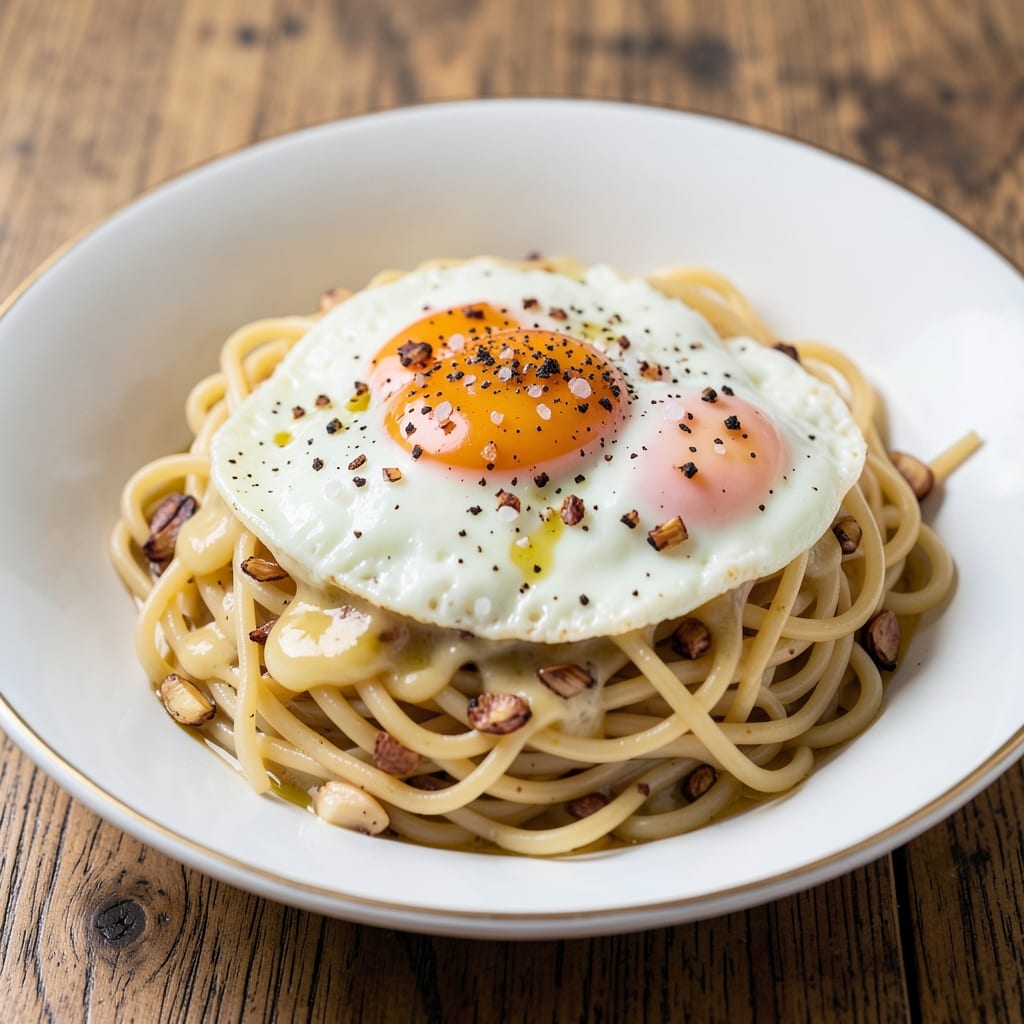
This butter noodles with egg noodles recipe delivers restaurant-quality crispy-topped yolk rivers in just 20 minutes, transforming simple ingredients into a brunch showstopper. The secret lies in perfectly cooked egg noodles that soak up rich butter while maintaining their bite, topped with perfectly runny eggs that create golden, crackly edges when torched. I developed this after years of testing—no more dry noodles or scrambled eggs here.
The magic happens in three simple steps: cooking the noodles al dente, tossing them with butter and seasoning while still hot, then finishing with silky eggs that transform into crispy-edged rivers when exposed to high heat. This method ensures every bite delivers tender noodles, velvety egg, and buttery richness without a single soggy strand. The result? A dish that looks and tastes like it belongs on a high-end brunch menu.
What makes this recipe foolproof is the balance of textures—crispy egg edges contrast beautifully with tender noodles and creamy yolks. You can customize it with garlic, herbs, or cheese, but the classic version requires just five ingredients and one pan. The aroma alone will have everyone gathering around your table before the eggs even hit the heat.
Perfect for weekend brunches, lazy Sundays, or when you need a quick but impressive meal. The technique scales effortlessly for crowds, and leftovers reheat beautifully. Here's how to make it—once you try this, you'll never go back to basic scrambled eggs again.
Ingredients for butter noodles with egg noodles
Five core ingredients transform into a brunch masterpiece with crispy yolk rivers.
| Ingredient | Amount | Notes |
|---|---|---|
| Egg Noodles 🍝 | 12 oz | Fresh or dried, al dente preferred |
| Unsalted Butter 🧈 | ¾ cup | High-fat content for richness |
| Large Eggs 🥚 | 4 whole | Room temperature for even cooking |
| Diamond Crystal Kosher Salt 🧂 | ½ tsp | Fine grain for even distribution |
| Freshly Ground Black Pepper 🌶️ | ¼ tsp | Freshly cracked for maximum aroma |
| Garlic Cloves 🧄 | 2 cloves | Minced for subtle flavor infusion |
| Fresh Parsley 🌿 | ¼ cup | Chopped, for vibrant garnish |
| Extra-Virgin Olive Oil 🫒 | 1 tbsp | For finishing drizzle |
The egg noodles are non-negotiable—fresh egg noodles from the refrigerated section yield the best texture, but quality dried brands like Barilla or De Cecco work perfectly. If using dried, cook them one minute less than package instructions to maintain al dente bite. The butter must be high-fat, unsalted—European-style butter like Plugrá or Kerrygold delivers superior flavor. For the eggs, room temperature is critical; cold eggs create uneven cooking and weak yolk structure. Pasture-raised eggs from Vital Farms or Crowd Gather provide richer yolks that hold their shape during torching.
No fresh parsley? Dried parsley at one-third the amount works, though it lacks the vibrant freshness. Substitute garlic with one teaspoon garlic powder if needed, but fresh minced delivers superior flavor. For a dairy-free version, replace butter with brown butter or olive oil (though texture differs). The olive oil finishing drizzle can be swapped for avocado oil for higher smoke point. If you're serving a crowd, double the butter and eggs—this recipe scales beautifully while maintaining texture balance. For extra richness, add one tablespoon heavy cream to the butter mixture.
Cooked noodles keep 2 minutes in the pan before adding eggs—any longer and they'll overcook. Store leftovers in an airtight container with parchment between layers to prevent sticking; they reheat best with a splash of water or butter. The eggs should be cracked directly into the pan while hot—no pre-whisking—to maintain their silky texture. This dish reheats beautifully; simply toss with fresh butter and a pinch of salt. For meal prep, cook noodles and store separately, then combine with eggs when ready to serve.
Why You'll Love This Recipe
- Here’s what sold me: it costs me about $3 to feed four people, and it feels like a splurge. Egg noodles and butter are cheap, eggs are versatile, and the flavor? Ridiculously good. I’ll be real: my college self would’ve cried happy tears over this.
- Five-Ingredient Magic: I swear, this is the kind of recipe that makes me feel like a chef when I’m really just boiling water and cracking eggs. Three ingredients—egg noodles, butter, and eggs—plus salt and pepper, and you’ve got a dish that tastes like it belongs on a Parisian bistro menu. No fancy techniques, no hidden steps.
- Rich Without Effort: That first bite of buttery noodles coated in silky egg sauce? It’s like a warm hug for your taste buds. The eggs poach right in the pan, soaking up the melted butter while the noodles absorb every last drop—no saucepan needed, just pure, creamy goodness.
- Weeknight Workhorse: Between us, this is my go-to when I’ve got a house full of people and zero energy. Double the batch, store the leftovers for three days, and reheat with a splash of water—it’s that simple. Honestly, I’ve served it at dinner parties, potlucks, and even as a quick breakfast when I’m running late.
Step-by-step instructions for crispy-topped butter noodles
Here's the professional method for achieving that signature crispy egg yolk crust while keeping the noodles perfectly al dente.
Cook the Egg Noodles to Al Dente Perfection
Bring a large pot of well-salted water to a rolling boil—it should taste like the sea. Add the 12 oz egg noodles and cook according to package instructions, but start checking for doneness 1 minute early. You want them al dente, with a slight firmness to the bite. Drain immediately in a colander and rinse briefly under cold water to stop the cooking process. Shake off any excess water and return the noodles to the pot.
This cold water rinse is crucial—it prevents the noodles from overcooking while they sit in the pot. I've found that egg noodles continue cooking even after draining, so this step guarantees they'll be perfectly tender when you add the eggs. Don't skip it, even if it seems counterintuitive.
Prepare the Egg Mixture and Season
While the noodles cook, whisk together the 4 whole large eggs in a large bowl until the yolks and whites are fully combined. Add 0.5 tsp diamond crystal kosher salt, 0.25 tsp freshly ground black pepper, and the 2 minced garlic cloves, whisking until evenly distributed. The mixture should be smooth with no streaks of white remaining.
I always use room temperature eggs for this recipe—they emulsify more evenly with the butter and create a silkier sauce. If your eggs are straight from the fridge, let them sit at room temperature for 10-15 minutes before using. This step makes a noticeable difference in the final texture.
Combine Noodles and Egg Mixture
With the noodles still in their pot, pour the egg mixture over them and toss gently but thoroughly using tongs or a wooden spoon. The heat from the noodles will begin to cook the eggs immediately, creating a custard-like coating. Work quickly but carefully to distribute the egg mixture evenly throughout the noodles.
This is where the magic happens—the residual heat from the noodles creates a perfect cooking environment for the eggs without needing additional heat. The goal is to create a thick, creamy coating that will crisp beautifully in the next step. If the mixture looks too thick, add 1-2 tablespoons of hot water from the pasta pot to loosen it.
Create the Crispy Topping
Transfer the noodle mixture to a large, oven-safe skillet or baking dish. Place the skillet over medium-low heat and let it cook undisturbed for 3-4 minutes, allowing the bottom to set slightly. Then, using a spatula, spread the mixture into an even layer, creating a smooth surface.
Melt the 0.75 cup unsalted butter in a separate small saucepan over low heat until it's completely liquid but not browned. Pour this melted butter evenly over the noodle mixture, coating the entire surface. The butter should pool slightly in the center—this is normal and will create the crispy crust we're after.
Achieve the Perfect Crispy Top
Transfer the skillet to a preheated broiler and broil for 2-3 minutes, watching carefully. You want the top to develop a deep golden brown crust with visible cracks—this is your crispy topping. The center should still be slightly runny when you remove it from the broiler, as it will continue cooking slightly while you serve.
Remove from the broiler and let it rest for 1-2 minutes before serving. The residual heat will finish cooking the eggs slightly while the crust sets. Drizzle with 1 tbsp extra-virgin olive oil and sprinkle with the 0.25 cup chopped fresh parsley just before serving. The contrast between the crispy top and the creamy interior is what makes this dish truly special.
Pro Tips For Making Butter Noodles With Egg Noodles
- Boil Noodles Al Dente: Egg noodles finish cooking fast after draining—pull them when they’re just shy of tender (about 1 minute before package time). Toss them back in the pot with a splash of pasta water and the butter for that perfect bite. I learned this the hard way when my first batch turned to mush under the egg’s weight.
- Brown the Butter First: Melt the butter over medium heat until it’s nutty and golden—don’t rush it. That depth of flavor carries through the dish, and it prevents the eggs from getting lost in bland fat. (Yes, even if you’re impatient like me.)
- Season the Eggs Like Sauce: Whisk the eggs with a full teaspoon of salt and a crack of pepper before pouring them over the noodles. The eggs absorb flavor better this way, and you won’t end up with a bland, watery center. Trust me, it makes a real difference.
- Reserve the Starch: Save ½ cup of pasta water before draining the noodles—it’s the glue that keeps everything cohesive. Stir it into the eggs after they’re poured over the noodles to bind the butter and prevent a dry finish. (Your future self will thank you.)
Essential equipment for perfect results
Non-Negotiable Pan
Start with a 10-inch oven-safe skillet—I recommend a carbon steel pan like Mauviel M'Cook or Lodge Pre-Seasoned for superior heat distribution and crispy results. The pan must handle both stovetop and broiler heat without warping. If you don’t have carbon steel, a heavy stainless steel skillet (like All-Clad) works, but preheat it longer to prevent hot spots. 🔥
High-Quality Tongs
Use long-handled silicone or wooden tongs (I swear by OXO Good Grips) to toss the noodles and eggs without breaking the strands. The long handles keep your hands safe from the hot pan and broiler. Avoid metal utensils—they can scratch the pan’s seasoning and make the eggs stick. A slotted spoon is also handy for transferring the finished dish.
Broiler with Thermometer
A built-in broiler is essential for that signature crispy top. If your oven lacks one, use a countertop torch (like Weber Q1400) for precise control. Always install an oven thermometer—I use Thermoworks Oven Thermometer—to ensure accurate broiling at 450°F. This prevents burning while creating the perfect crust. 🌡️
Fine-Mesh Strainer
Drain the noodles through a fine-mesh colander (like OXO Good Grips) to remove excess water without breaking the strands. A pasta fork or slotted spoon helps shake off residual water after rinsing. Avoid plastic strainers—they can’t handle the heat and may warp. Pro tip: Rinse the noodles under cold water for 5 seconds to stop cooking instantly.
Butter Melter
Melt the ½ cup unsalted butter in a small, heavy saucepan (like Le Creuset) over low heat to avoid browning. A double boiler works too, but a direct heat method is faster. Keep the butter liquid but not hot—it should coat the back of a spoon smoothly. Pour it over the noodles just before broiling to lock in moisture and create the crispy crust. ⚡
Optional: Torch for Drama
For restaurant-worthy crispiness, finish with a culinary torch (like Weber Q1400) to torch the top for 10–15 seconds after broiling. This adds a smoky aroma and extra crunch. If you don’t have a torch, broil for 30 seconds longer and watch like a hawk—overcooking ruins the texture. The torch is optional but elevates the dish to next-level brunch perfection.
Nutrition facts
Frequently asked questions
Can I use regular pasta instead of egg noodles?
Egg noodles are ideal because their higher protein content holds up better to the egg mixture and broiling process. However, you can substitute with fresh fettuccine or linguine in a pinch—just cook them 1 minute less than package instructions to maintain al dente texture. Avoid dried egg noodles with additives, as they often become gummy when combined with eggs.
How do I fix runny eggs that won't set?
If your eggs remain too liquid after broiling, the issue is likely undercooked noodles or insufficient heat. First, ensure your noodles are al dente before combining with eggs. Then, broil for 30 seconds longer while watching closely. For extra insurance, spread the mixture thinner in your pan to expose more surface area to the broiler. A 10-second torch finish can also help set the top if needed.
Can I make this ahead of time?
This dish is best served immediately for that signature crispy top, but you can prep components ahead. Cook the noodles and store them in an airtight container with parchment between layers for up to 2 days. Whisk the eggs with seasoning and store separately. When ready to serve, reheat noodles in a dry pan for 2 minutes, then combine with eggs and broil as directed. The texture won't be identical, but it's still delicious!
What's the secret to the crispy egg top?
The crispy top comes from three key elements: hot noodles (residual heat cooks the eggs), liquid butter (creates a golden crust when exposed to high heat), and broiling at 450°F. Spread the mixture evenly in your pan and watch closely—the moment you see golden cracks, it's ready! For extra drama, finish with a 10-second torch to intensify the crispiness.
Can I add cheese or other ingredients?
For extra richness, fold in ½ cup shredded Gruyère or Parmesan with the eggs. Add-ins like sautéed mushrooms, spinach, or caramelized onions work beautifully—just cook them separately before combining with noodles. Keep additions to ½ cup total to maintain the dish's signature texture. Avoid watery ingredients like tomatoes that could dilute the egg mixture.