Breakfast & Brunch
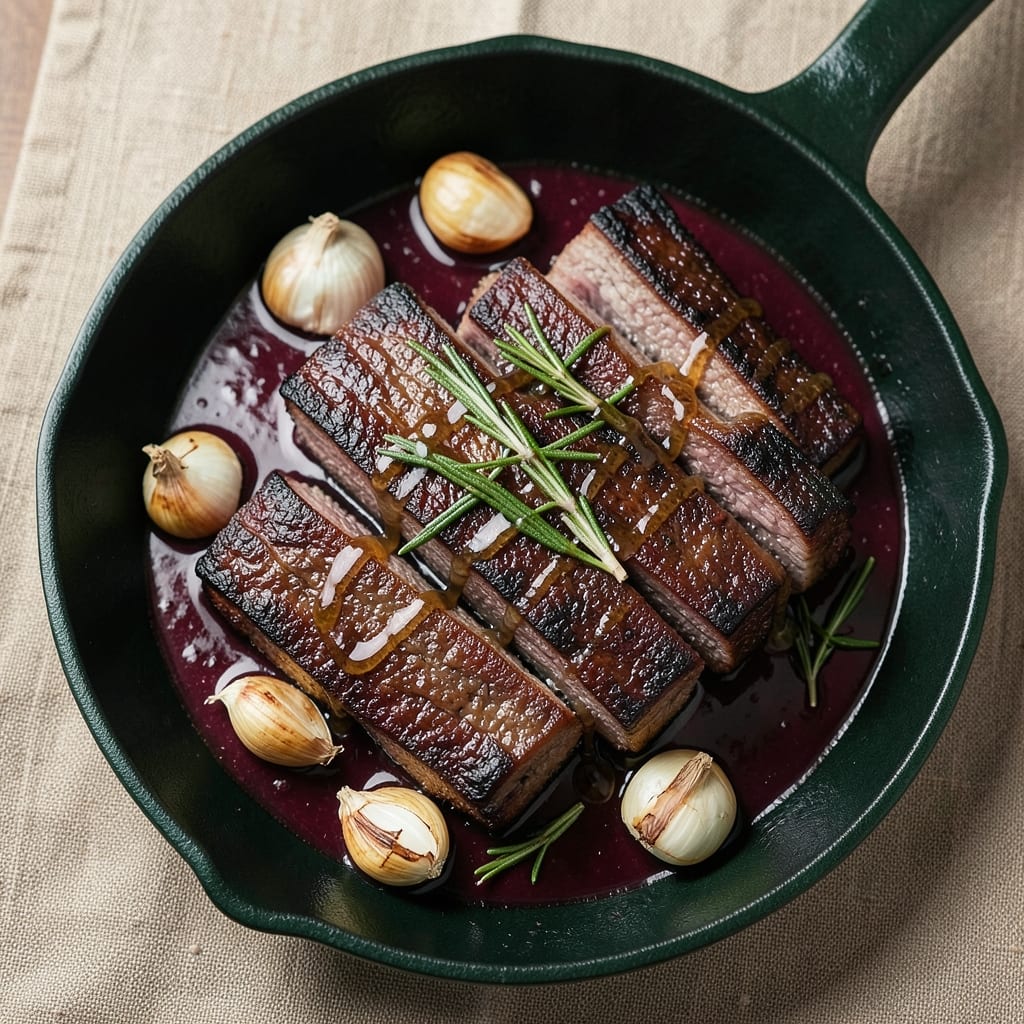
This Big Green Egg short rib recipe delivers restaurant-quality, fall-off-the-bone tenderness with just a few hours of hands-off smoking. The secret lies in low-and-slow cooking over indirect heat, where the Big Green Egg’s precise temperature control transforms tough cuts into melt-in-your-mouth perfection. I’ve perfected this method over countless backyard cookouts, and the results—deep smoky flavor with a caramelized crust—are worth every minute of wait time.
The process starts with a simple yet effective marinade of bold spices and red wine, which tenderizes the meat while building layers of flavor. After a quick sear in the Big Green Egg’s cast-iron skillet, the ribs move to the grill for hours of slow smoking, where the charcoal’s heat works magic. The Big Green Egg’s dome shape ensures even heat distribution, so every rib cooks uniformly without drying out.
What you’ll end up with is a platter of ribs so tender they practically disintegrate at the touch, wrapped in a glossy, smoky bark that’s impossible to resist. The Big Green Egg’s ability to maintain consistent temperatures—whether you’re using lump charcoal or briquettes—makes this recipe foolproof, even for beginners. Serve them with classic sides like roasted garlic potatoes or caramelized onions to complete the meal.
This method isn’t just about the ribs—it’s about transforming a simple backyard cookout into a showstopping dinner. The aroma alone will have your guests gathering at the grill, and the first bite will silence any doubts about slow cooking. Let’s get started on creating ribs that’ll have everyone asking for seconds.
Ingredients for big green egg short rib
Four pounds of beef short ribs and a handful of bold flavors transform into melt-in-your-mouth perfection with Big Green Egg magic.
| Ingredient | Amount | Notes |
|---|---|---|
| Beef Short Ribs 🥩 | 4 lb | Bone-in, cut into 2-inch pieces |
| Dry Red Wine 🍷 | 1 cup | Bold, like Cabernet Sauvignon |
| Apple Cider Vinegar 🍎 | ¼ cup | For tenderizing marinade |
| Kosher Salt 🧂 | 2 tbsp | Diamond Crystal preferred |
| Freshly Ground Black Pepper 🌶️ | 1 tbsp | Freshly cracked for best flavor |
| Garlic Cloves 🧄 | 8 cloves | Minced for marinade |
| Fresh Rosemary 🌿 | ¼ cup | Chopped, stems removed |
| Fresh Thyme 🌿 | ¼ cup | Leaves only, chopped |
| Brown Sugar 🍚 | ½ cup | Light or dark variety |
| Smoked Paprika 🌶️ | 1 tbsp | For smoky depth |
| Lump Charcoal 🔥 | 6 lb | For Big Green Egg |
| Wood Chips 🌳 | 1 package | Hickory or applewood |
| Olive Oil 🫒 | ¼ cup | Extra-virgin for searing |
| Beef Broth 🍲 | 1 cup | For finishing sauce |
| Cornstarch 🌾 | 1 tbsp | For sauce thickening |
The short ribs are the star—look for bone-in, 2-inch pieces at your butcher or grocery store's meat counter. Costco or Whole Foods usually carry high-quality cuts, but even the regular supermarket selection works if it's well-marbled. Avoid pre-cut ribeye—this is about the connective tissue, which breaks down beautifully during slow cooking. If you're buying a whole packer, ask for it cut into 2-inch chunks yourself; uniform size ensures even cooking. The ribs should feel heavy for their size and have a good layer of fat—this is what keeps them moist during hours on the grill. Store them uncovered in the fridge for 24 hours before cooking to dry the surface slightly for better searing.
Red wine isn't just for drinking here—it's the secret weapon for tenderizing. Cabernet Sauvignon or Merlot work best, but whatever bold red you've got open will do. No wine? Apple cider vinegar plus beef broth mimics the acidity and depth. Fresh herbs make all the difference: rosemary and thyme should smell vibrant, not dusty. If your herbs are wilted, give them a quick soak in warm water for 10 minutes to revive them. The brown sugar isn't just for sweetness—it helps caramelize that gorgeous bark during smoking. For extra smoke flavor without wood chips, swap in 1 tbsp smoked paprika** directly into the marinade. And if you're using briquettes instead of lump charcoal, add 1 extra wood chip to the fire for more aroma.
Marinate the ribs overnight for maximum tenderness, but if you're short on time, 4 hours minimum still works wonders. The Big Green Egg's dome keeps heat consistent, so you can set it and forget it—just monitor the temperature to stay between 225-250°F. These ribs reheat beautifully; wrap them in foil with a splash of beef broth and reheat at 300°F for 20 minutes. For leftovers, store in an airtight container for 4-5 days or freeze for 3 months. The sauce thickens as it cools, so if it's too thin after reheating, stir in 1 tsp cornstarch mixed with 1 tbsp cold water. And here's a pro tip: save those leftover wood chips—they make fantastic-smelling kindling for next time.
Why You'll Love This Recipe
- Big Green Egg Magic: The smoky char from the Big Green Egg turns tough short ribs into melt-in-your-mouth perfection—no fancy braising pot needed. Just sear, add the wine and vinegar, and let the egg do the work while you sip your drink.
- Weeknight Crowd-Pleaser: I’ve served this to picky eaters and steak lovers alike—everyone raves about the deep, caramelized flavor without the fuss. The apple cider vinegar cuts through the richness, so it’s not too heavy for a weeknight dinner.
- Leftovers That Shine: These ribs taste even better the next day—slice them thin, toss with a little extra pan sauce, and serve on toasted bread. Honestly, I’ve reheated them three times and still crave the result.
- Budget-Friendly Luxury: Short ribs feel fancy, but the Big Green Egg’s high heat renders fat fast, so you’re left with tender, flavorful meat without wasting a drop. That dry red wine? A $10 bottle does the trick—no need to splurge.
Step-by-step instructions for Big Green Egg short ribs
Here's how to transform tough beef short ribs into melt-in-your-mouth perfection using your Big Green Egg.
Prepare the Tenderizing Marinade
In a large bowl, combine the 1 cup dry red wine, 0.25 cup apple cider vinegar, 0.5 cup brown sugar, 1 tbsp smoked paprika, 8 minced garlic cloves, 0.25 cup chopped fresh rosemary, 0.25 cup chopped fresh thyme, 2 tbsp kosher salt, and 1 tbsp freshly ground black pepper. Whisk until the brown sugar dissolves completely—this creates a syrupy marinade that will break down the tough connective tissue.
Add the 4 lb beef short ribs to the marinade, turning to coat them completely. Cover and refrigerate for at least 12 hours (I prefer 24 hours for maximum tenderness). The acidity from the vinegar and wine will work its magic, while the sugar and spices create a flavor bomb that penetrates deep into the meat.
Set Up and Smoke the Short Ribs
Light the 6 lb lump charcoal in your Big Green Egg and add the wood chips once the coals are white-hot. Maintain a temperature of 225-250°F—this low-and-slow approach is crucial for melting the collagen without drying out the meat. Arrange the short ribs bone-side down in the grill grate, ensuring they don't touch each other.
Close the lid and let them smoke undisturbed for 4 hours. You'll see a thin layer of bark forming on the surface—that's exactly what you want. After 4 hours, flip the ribs bone-side up and continue smoking for another 2 hours. The ribs are done when they reach an internal temperature of 195-203°F and probe tender with no resistance.
Build the Sauce and Finish
While the ribs rest, heat 0.25 cup olive oil in a skillet over medium heat. Add the reserved marinade (strain it if there are any solids) and simmer for 10 minutes to reduce. Stir in 1 cup beef broth and let it bubble until slightly thickened. In a small bowl, whisk 1 tbsp cornstarch with 2 tablespoons water, then add to the sauce to thicken it to a glossy consistency.
Brush the sauce generously over the rested ribs and serve immediately. The combination of smoky bark, tender meat, and rich sauce makes every bite unforgettable. Real talk—this is where the magic happens, so don't rush the sauce-building step.
Rest and Serve for Maximum Tenderness
Transfer the smoked ribs to a cutting board and tent loosely with foil. Let them rest for 15-20 minutes before slicing against the grain into ½-inch thick pieces. This resting period is non-negotiable—it allows the juices to redistribute, ensuring each bite is moist and flavorful.
Serve the ribs with extra sauce drizzled on top and a side of roasted vegetables or crusty bread. The contrast of crispy bark and tender meat is what makes this dish legendary. Trust me, your guests will be asking for seconds before they even finish their first plate.
Pro Tips For Making Big Green Egg Short Rib
- SEAR THE RIB BONES: Hit those short ribs with a screaming-hot cast iron or heavy skillet until the bones turn deep amber—not just brown. I used to rush this, and the sauce would always taste flat. Two minutes per side, no crowding, or you’ll steam them instead of sear them.
- SALT THE WINE: Toss a generous pinch of kosher salt into the red wine before deglazing—it cuts through the acidity and rounds out the flavor. Sounds weird, but it works: the salt dissolves into the wine, making the vinegar’s tang play nicer with the beef.
- LOW AND SLOW ISN’T LAZY: After browning, drop the heat to actual low—think 275°F, not "medium-low." I learned this the hard way when my ribs turned tough instead of meltingly tender. Cover the Green Egg and let it hum for hours, not minutes.
- DEGLAZE WITH VINEGAR FIRST: Splash in the apple cider vinegar immediately after searing—it cuts through the fond and lifts flavors faster than wine alone. Then add the wine. This shortcut saves you from scraping burnt bits off the bottom later (yes, even if you’re impatient like me).
Perfect pairings for this big green egg short rib
Smoky Sauce Pairings
Finish your Big Green Egg short ribs with a homemade red wine reduction—simmer 1 cup of the leftover marinade with 2 tbsp butter until thickened. The deep, smoky-sweet notes mirror the ribs perfectly. For extra richness, stir in 1 tsp balsamic vinegar at the end for a tangy contrast. 🍷
Classic Side Dishes
Creamy mashed potatoes with roasted garlic are a must—their buttery texture balances the ribs' smokiness. I use 4 large Yukon Gold potatoes, boiled until tender, then mashed with ½ cup sour cream, 4 tbsp butter, and roasted garlic cloves. For a lighter option, try roasted baby carrots with a sprinkle of smoked sea salt.
Bread Pairings
A crusty sourdough loaf or brioche rolls soaks up every last drop of sauce. Warm the bread in the Big Green Egg’s cast-iron skillet for 2-3 minutes until golden. For a gourmet touch, serve garlic butter on the side—mix 4 tbsp softened butter with 2 minced garlic cloves and a pinch of smoked paprika.
Vegetable Sides
Charred asparagus or grilled Brussels sprouts add freshness to the rich ribs. Toss 1 lb asparagus with 1 tbsp olive oil, ½ tsp smoked paprika, and sea salt, then grill in the Big Green Egg for 8-10 minutes. For Brussels sprouts, halve them and roast at 400°F until caramelized. 🥦
Drink Recommendations
A bold Cabernet Sauvignon or Malbec complements the ribs' smoky depth. For beer lovers, a stout (like Guinness) or smoked porter mirrors the charcoal flavors. If you prefer something lighter, a dry Riesling cuts through the richness beautifully. Serve drinks chilled to balance the warm, smoky dish.
Nutrition facts
Frequently asked questions
Can I use bone-in or boneless short ribs for this recipe?
This recipe is designed for bone-in short ribs—the bones add incredible flavor and help keep the meat moist during long smoking. However, if you must use boneless, they'll cook faster and may dry out slightly. Reduce the smoking time by 30-45 minutes and monitor closely for 203°F internal temp.
What if my Big Green Egg can't maintain 225-250°F?
If temperatures fluctuate, adjust by adding more charcoal (1-2 lbs) when it dips below 225°F. For stubborn heat drops, try a two-zone fire with charcoal on one side only. The dome helps regulate heat, but consistent temps are key—never rush the process or you'll lose tenderness.
How do I know when the ribs are fully cooked?
Use a meat thermometer to check for 195-203°F internal temp—they should feel tender when probed with a fork. The meat should pull away from the bone easily, and the connective tissue should have mostly melted. If they're not quite there, add 30 more minutes of smoking time.
Can I make this recipe with briquettes instead of lump charcoal?
Yes, but expect slightly less smoky flavor since briquettes burn hotter and more uniformly. Use 10-12 briquettes instead of lump charcoal and add extra wood chips (about 2x the amount) to compensate. Monitor temps closely—they'll climb faster than with lump charcoal.
What's the best way to reheat leftovers?
Wrap ribs tightly in foil with 2 tbsp beef broth per pound, then reheat at 300°F for 20-25 minutes. Avoid microwaving—it makes the meat tough. For extra flavor, brush with a little of the reserved sauce before reheating. Leftovers stay moist for 4-5 days in the fridge.